
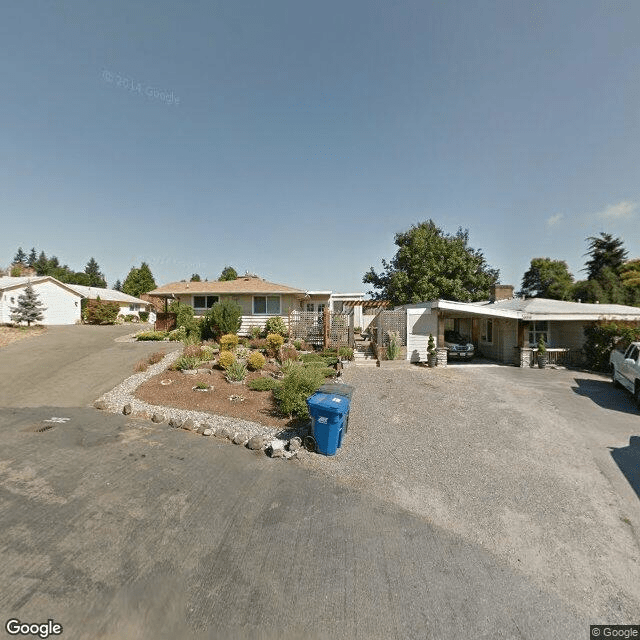
14905-28th Lane South, SeaTac, WA 98188
To contact a resident: (206) 650-3064
For more information about senior living options: (866) 208-4318
Del Adult Family Homes, Inc. Costs & Pricing
Del Adult Family Homes, Inc. offers competitive pricing for adult family home accommodations compared to the broader market conditions in King County and Washington state. For semi-private rooms, residents can expect a monthly cost of $2,000, significantly lower than the county average of $4,430 and the state average of $4,267. Similarly, private rooms are priced at $3,000 per month, which is also more economical than the higher rates found in King County at $5,034 and the statewide figure of $4,772. These favorable rates reflect Del Adult Family Homes' commitment to providing quality care while remaining accessible to families seeking supportive living arrangements for their loved ones.
| Floor plans | Del Adult Family Homes, Inc. | King County | Washington |
|---|---|---|---|
| Semi-Private | $2,000 | $4,430 | $4,272 |
| Private | $3,000 | $5,034 | $4,774 |
Senior living communities with a similar price nearby
-
from +$337 / mo

Marine Courte Memory Care
$2,337 to $3,228 / month18.6 miles away -
from +$270 / mo

Franke Tobey Jones - Retirement Estates
$2,270 to $6,270 / month15.7 miles away -
from -$300 / mo

Affinity at Puyallup
$1,700 to $3,195 / month22.7 miles away -
from +$70 / mo

Marvelle at Southcenter
$2,070 to $3,119 / month2.1 miles away -
About the same
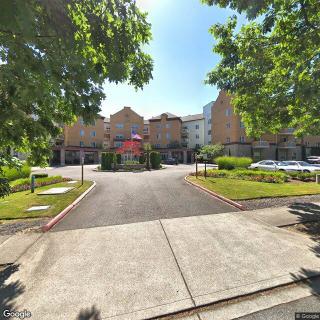
Chateau at Valley Center
$1,945 to $5,090 / month4.4 miles away
Overall Review of Del Adult Family Homes, Inc.
Pros
 The owner is extremely warm and kind.
- She embraces residents and their families as part of the family.
- The home is clean, open, and fresh.
- The owner has a great heart and is dedicated to keeping residents happy and well taken care of.
- The reviewer is happy that a friend found such a home.
- The reviewer wishes they could give 10 stars.
Cons
 They doubt that the above review is real.
- They are sad about that experience.
- They warn that the place is very dangerous and advise not sending loved ones there, alleging the owner always fights with residents.
Review
Del Adult Family Homes, Inc. in SeaTac is best suited for families seeking an intimate, home-like setting where the owner takes a highly visible, hands-on approach to resident care. This arrangement works well for seniors who value warmth, personal attention, and easy, ongoing access to the person running the home. For residents who require substantial medical supervision, rigid behavioral management, or formal, 24/7 clinical oversight, this community is likely not the ideal fit. The emphasis here is on a small-scale, family-style environment rather than a larger, highly structured facility.
From the favorable end of the spectrum, two reviews emphasize the owner as exceptionally warm, welcoming, and genuinely invested in residents’ well-being. Visitors describe a clean, open, and fresh home atmosphere where the owner’s heart for her residents is evident in everyday interactions and the willingness to embrace families as part of the care team. Those voices suggest that the environment can feel like a trusted, long-standing relationship rather than a distant caregiving arrangement. For families prioritizing emotional connection, stability in daily routines, and direct access to leadership, these positives can translate into meaningful peace of mind.
Yet a stark counterpoint appears in one cautious voice warning of danger and ongoing conflict between the owner and residents. This perspective signals a risk profile that cannot be dismissed, especially for residents who may be vulnerable to sharp disagreements, boundary issues, or volatile interactions. The discrepancy between praise and critique is not merely anecdotal rumor; it raises legitimate questions about safety, consistency, and the capacity of the home to manage disagreements without compromising resident dignity or safety. In decision-making terms, this perceived instability remains the critical fault line.
The positive attributes, personal warmth, visible owner involvement, and a home-like environment, do offset some drawbacks by reducing social isolation, enabling rapid issue resolution, and fostering a sense of belonging that larger facilities sometimes struggle to deliver. Families who prize relationships over institutional polish may find the day-to-day experiences here more reassuring than in more corporate settings. However, these offsets have limits. When concerns about safety, boundary enforcement, or ongoing resident-owner conflict surface, the benefits of a small, intimate setting cannot fully compensate for a volatile dynamic or for a care plan that does not clearly address risk management and escalation procedures.
For families evaluating this community, practical due diligence is essential. Tour the home with a critical eye for how staff interaction unfolds, and observe whether residents appear engaged, comfortable, and properly supervised. Request detailed responses about staff-to-resident ratios, training, and the specific steps taken to de-escalate disagreements. Seek current resident or family references and inquire about any incidents, how they were resolved, and whether follow-up communication was timely and transparent. Ask for a written care plan, emergency procedures, and a clear policy on visitation, plus opportunities to observe a sample day. If possible, arrange a short trial placement to assess comfort levels for both resident and family.
Ultimately, Del Adult Family Homes, Inc. offers a compelling option for those who prize a small, person-centered environment with an owner who is visibly dedicated to her residents. The flip side is a clear need for caution: the presence of a credible safety concern and conflict dynamic requires careful vetting and a conservative posture before committing. Families comfortable with close owner involvement and prepared to demand concrete safeguards may move forward with confidence. Those for whom predictable safety, consistent behavior management, and formalized escalation processes are non-negotiable should actively explore alternatives that emphasize structured oversight and more documented accountability.
 Board and Care Home
 Bath tubs
 Indoor common areas
 Outdoor common areas
 Private
 Private bathrooms
 Respite or short term stays offered
 Wheelchair accessible showers
 Seattle-Tacoma International (2 miles away)
 Ambulatory care
 Diabetic care
 High acuity care
 Incontinence care
 Medication management
 Meals provided






 Comprehensive Insights and Practical Strategies to Help Older Adults Avoid Falls
 6 Crucial Ways an Elder Law Attorney Assists Families
 Navigating the Tax Landscape of Caregiving: Credits, Deductions, and Beyond