The Lakeshore offers competitive monthly living costs compared to the broader market of King County and the state of Washington. For a studio apartment, residents will find a cost of $3,470, significantly lower than the county's average of $4,464 and even less than the state average of $4,126. Similarly, the one-bedroom units at The Lakeshore are priced at $4,050, which again presents a more affordable option compared to King County's average rent of $5,127 and the state's average of $4,632. Notably, for two-bedroom apartments, The Lakeshore's rate is $6,305; while this is higher than both King's average of $5,111 and Washington state's average of $4,301, it reflects the unique amenities and community features that enhance living there. Overall, The Lakeshore provides an appealing mix of affordability and quality in comparison to its county and statewide counterparts.
Floor plans
The Lakeshore
King County
Washington
Studio
$3,470
$4,464
$4,128
1 Bedroom
$4,050
$5,127
$4,634
2 Bedrooms
$6,305
$5,111
$4,301
Assisted Living communities with a similar price nearby
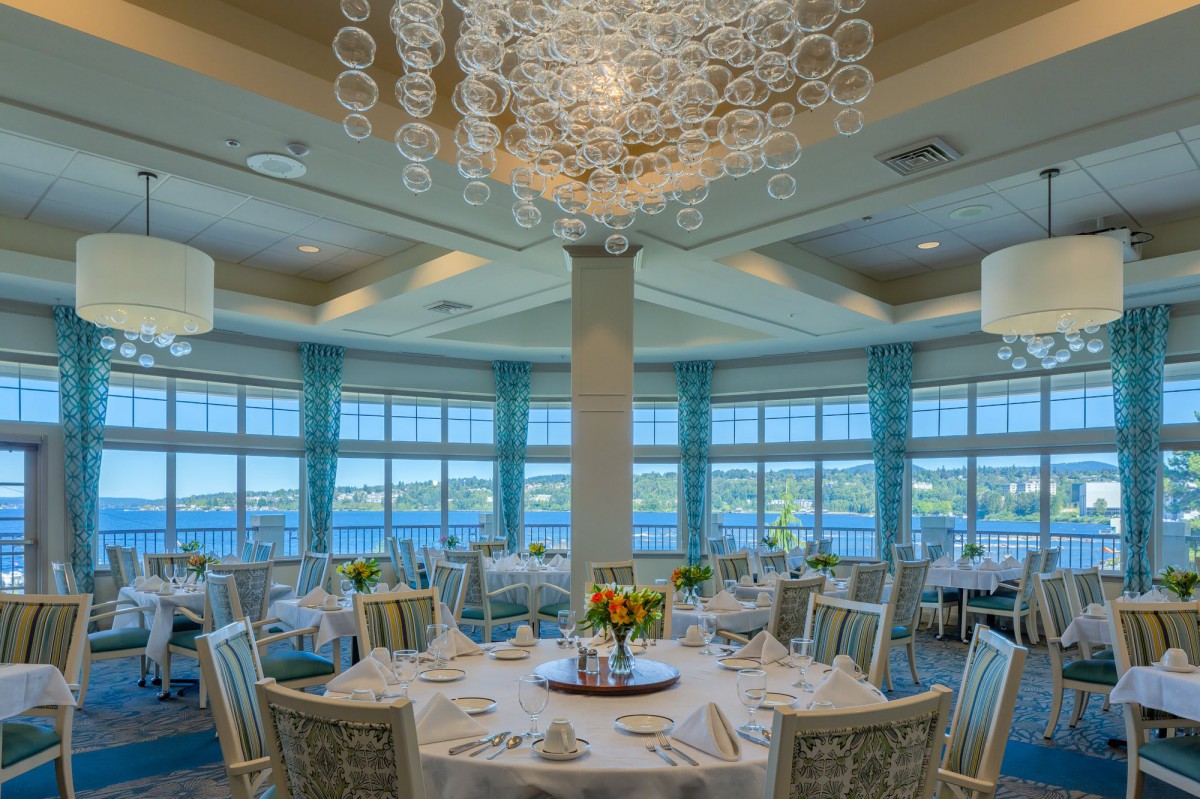
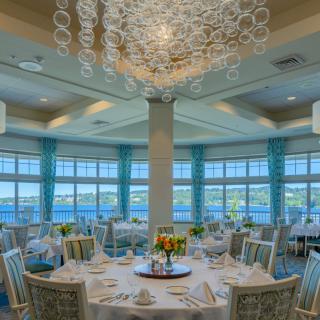
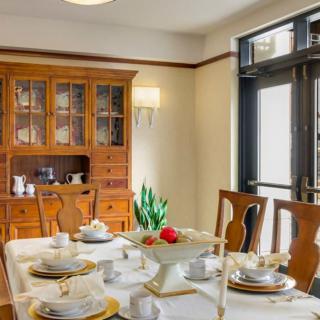
The dining experience stands out, especially for its Lake Washington views.
Multiple reviews highlight the dining room as a centerpiece, calling out both the setting and the food. Residents and family members describe meals in a dining space with sweeping lake views, and several say the room feels more like a restaurant than a cafeteria. Reviews also mention that the menu includes variety and accommodates preferences, including specific dietary needs.
common22 reviews mention this
Staff and communication feel consistent
Residents and families repeatedly describe staff as kind and responsive.
Across reviews, the most frequent day-to-day praise centers on how staff treat residents and handle questions. Many describe friendly, welcoming encounters across reception, food service, maintenance, and wellness. Several families also mention that staff communicate promptly and follow through, including proactive updates when needs come up.
common20 reviews mention this
Activities and community engagement
Residents describe being kept busy with frequent activities.
Reviews commonly point to how active the community life feels, with both scheduled events and outings. Families mention art events, lectures, social gatherings, and group activities like games and music. Some residents also describe having enough variety to stay engaged while still being able to choose quiet time.
differentiator7 reviews mention this
Assisted support and wellness follow-through
Residents who needed additional help mention assisted support and wellness oversight.
Several reviews discuss the assisted-living side, including wellness and nursing-style check-ins as needs increase. Families describe staff responding to medical or comfort concerns and communicating with relevant health professionals. At the same time, one negative review disputes how consistently care needs were met as a person’s dementia progressed.
caveat5 reviews mention this
Pricing and care charges draw caveats
Pricing is a recurring concern, especially when needs grow.
Some reviews call the community expensive and question value for what is provided. One resident/family also describes significant monthly cost plus additional care-related charges, expecting more support as health needs declined. Other reviews still recommend the community but note that the price can be a barrier compared with what some families want or expect.
How we summarize
Counts show how many written reviews mention each theme; a review can touch several themes, and only frequently mentioned themes are displayed.
Features
Housing
80 resident community capacity
1-bedroom apartments
2-bedroom apartments
Studio apartments
Types of Care
Assisted Living
Independent Living
Pets
Cats allowed
Dogs allowed
Amenities
Activities off-site
Activities on-site
Air-conditioning
Bath tubs
Beautician on-site
Beauty salon
Cable or satellite TV
Computer center
Devotional services off-site
Devotional services on-site
Dining room
Fitness room
Full kitchen
Fully furnished
Gaming room
Garden
Ground floor units
Guasts at mealtime
Guest parking
Handicap accessible
Housekeeping services
Indoor common areas
Kitchenette
Laundry
Move-in coordination
Outdoor common areas
Outdoor space
Party space
Private bathrooms
Resident parking
Respite or short term stays offered
Restaurant-style dining
Small library
TV room
Telephone
Wellness center
Wheelchair accessible showers
Wi-Fi/high-speed internet available
Transportation
Seattle-Tacoma International (5 miles away)
Community operated transportation
Transportation & parking
Transportation arrangement
Transportation arrangement (non-medical)
Transportation to doctors appointments
Care Services
12-16 hour nursing
24-hour call system
24-hour supervision
Activities of daily living assistance
Ambulatory care
Assistance with bathing
Assistance with dressing
Assistance with transfers
Diabetes diet
Diabetic care
High acuity care
Incontinence care
Meal preparation and service
Medication management
Mental wellness program
Special dietary restrictions
Walking wheelchair assistance
Dining
Diabetes diet
Guest meals
Low / no sodium
Low fat
Meals provided
No Sugar
Restaurant style dining
Room service
Special dietary restrictions
Vegan
Vegetarian
Activities
Activities off-site
Art classes
Arts and crafts
Book club
Catholic services
Community-sponsored activities
Concierge services
Cooking classes
Day trips and outings
Devotional activities offsite
Devotional activities on-site
Educational speakers / life long learning
Fitness programs
Games
Gardening club
Happy hour
Live musical performances
Live well programs
Planned day trips
Protestant services
Resident-run activities
Scheduled daily activities
Stories
Tai Chi
Wine tasting
Languages Spoken
English
Videos
Nearby Places of Interest
Located in Renton, Washington, this area offers a convenient and vibrant community for seniors looking to settle down. The proximity to Renton Municipal Airport and various transportation options such as the Link Light Rail make it easy for residents to travel around the city and beyond. There are plenty of cafes, pharmacies, parks, restaurants, physicians, and theaters within a few miles radius, providing easy access to essential services and entertainment options. With nearby medical facilities like Valley Medical Center and Allegro Pediatrics, seniors can rest assured that their healthcare needs will be well taken care of. Overall, this area offers a mix of convenience, amenities, and accessibility that make it an ideal choice for senior living in Seattle.
Transportation
Renton Municipal Airport (RNT) (0.5 miles)
Link Light Rail - Rainier Beach Station (3.1 miles)
SeaTac/Airport Station (5.2 miles)
North Satellite (5.2 miles)
Concourse D (5.3 miles)
N Gate Security (5.3 miles)
Columbia City Station (5.3 miles)
Cafes
Starbucks (1 miles)
Starbucks (1.8 miles)
Dutch Bros Coffee (1.8 miles)
Starbucks (4.1 miles)
Starbucks (4.4 miles)
Floret (5.5 miles)
The Flora Bakehouse (5.7 miles)
Pharmacies
CVS Pharmacy (1 miles)
Walgreens (1.3 miles)
Rite Aid (2 miles)
Walgreens (2 miles)
Walgreens (2.8 miles)
Rite Aid (2.8 miles)
Bartell Drugs (3.1 miles)
Parks
Gene Coulon Memorial Beach Park (1 miles)
Seward Park (3.8 miles)
North SeaTac Park (4.1 miles)
Lake Washington Boulevard Park (4.8 miles)
Genesee Park & Playground (5.3 miles)
Luther Burbank Park (6.3 miles)
Ed Munro Seahurst Park (6.8 miles)
Restaurants
IHOP (1.7 miles)
Uwajimaya (2.1 miles)
Moctezuma's Mexican Restaurant & Tequila Bar (3.3 miles)
Aliberto's Jr Fresh Mexican Food (4.1 miles)
Azteca Mexican Restaurants (4.2 miles)
MOD Pizza (5 miles)
13 Coins (5.3 miles)
Physicians
King LASIK (2.3 miles)
Valley Medical Center, Rehab Services Pt Ot Therapy (3.3 miles)
Northwest Foot And Ankle Center, PS (4.1 miles)
Kent Eye Clinic (5 miles)
Valley Medical Center - Fairwood Clinic (5.1 miles)
The Lakeshore offers competitive monthly living costs compared to the broader market of King County and the state of Washington. For a studio apartment, residents will find a cost of $3,470, significantly lower than the county's average of $4,464 and even less than the state average of $4,126. Similarly, the one-bedroom units at The Lakeshore are priced at $4,050, which again presents a more affordable option compared to King County's average rent of $5,127 and the state's average of $4,632. Notably, for two-bedroom apartments, The Lakeshore's rate is $6,305; while this is higher than both King's average of $5,111 and Washington state's average of $4,301, it reflects the unique amenities and community features that enhance living there. Overall, The Lakeshore provides an appealing mix of affordability and quality in comparison to its county and statewide counterparts.
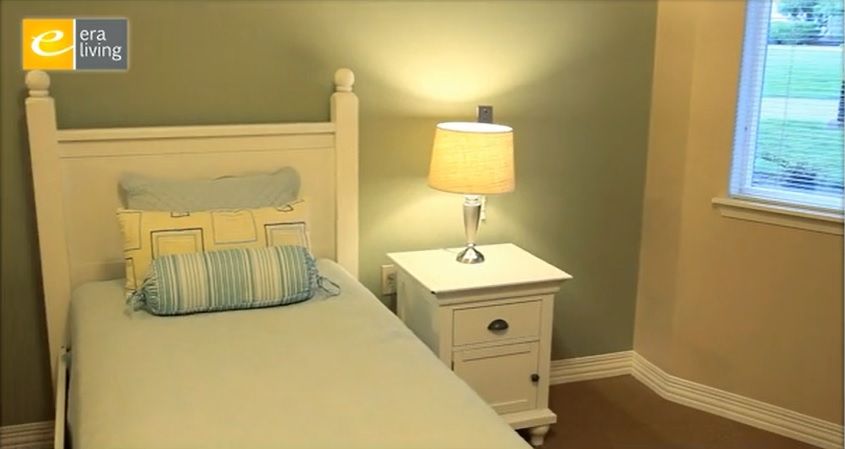
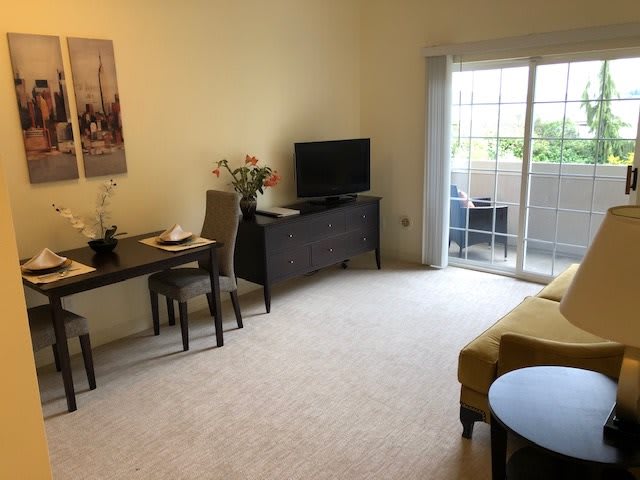
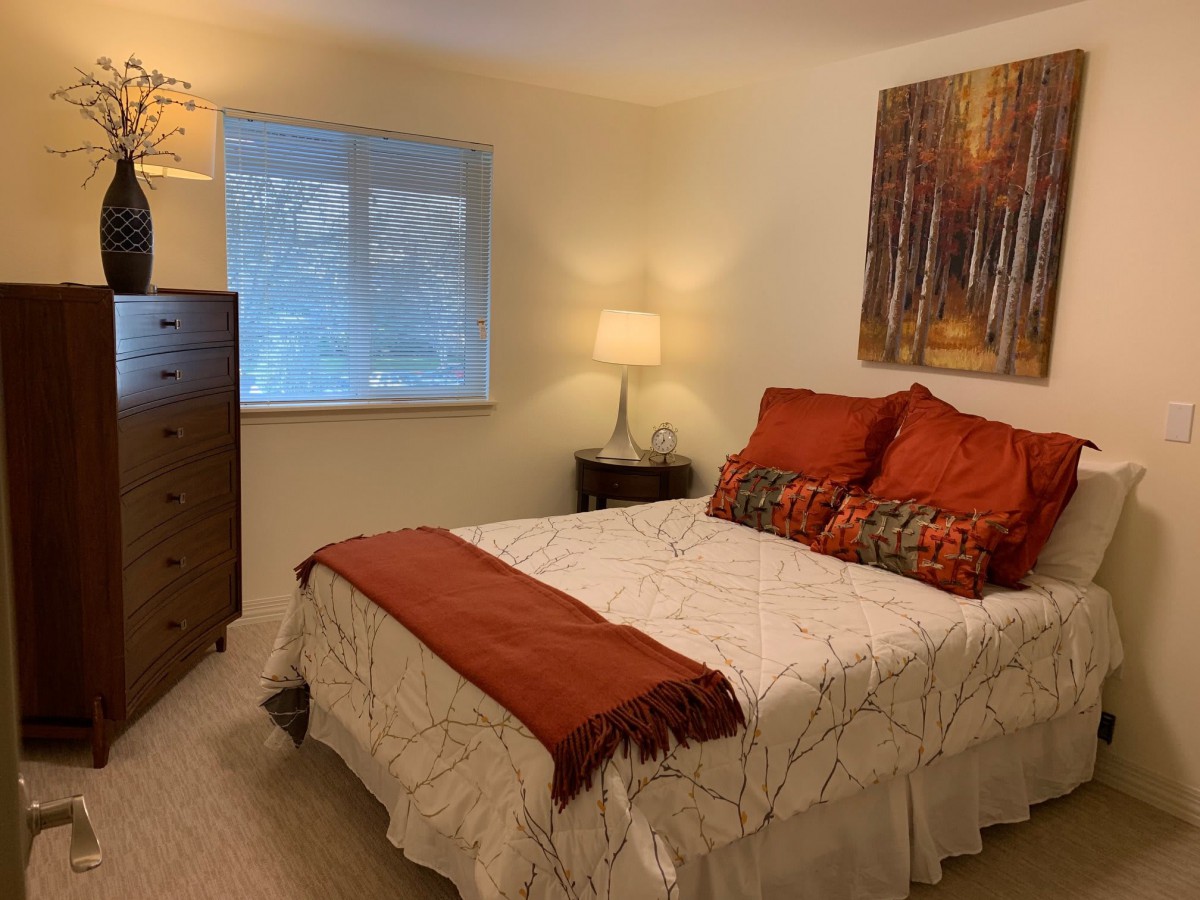
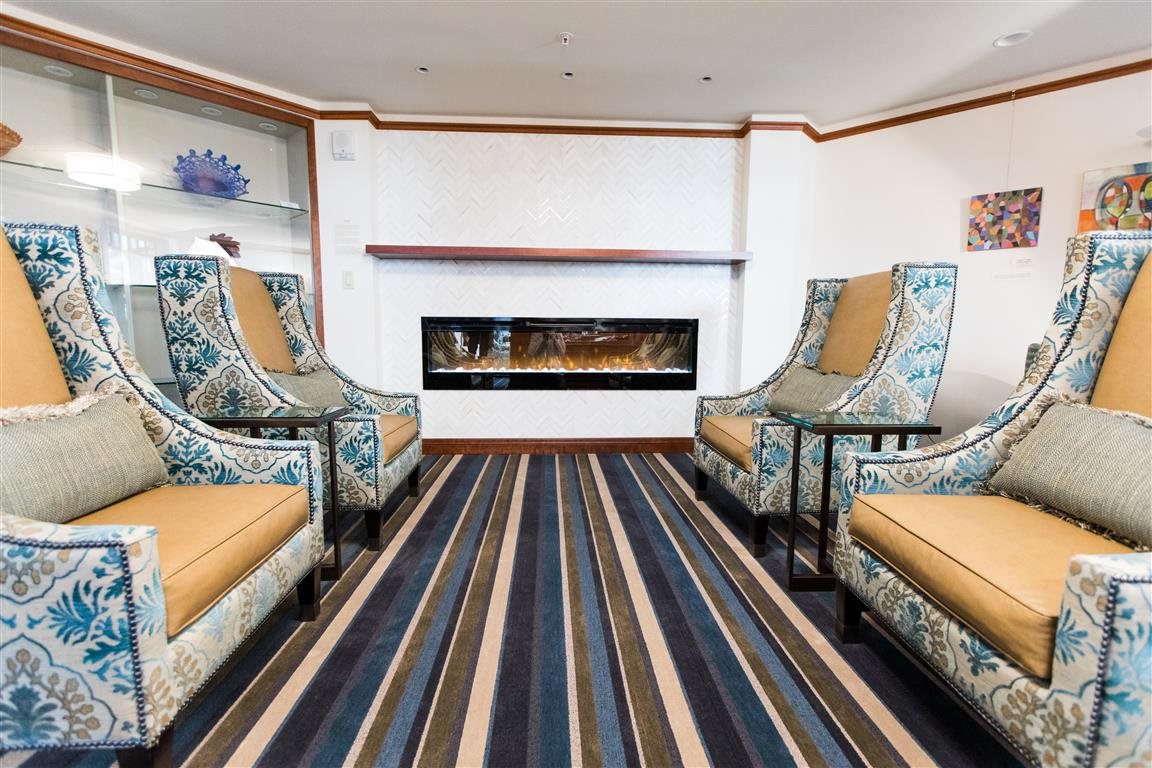
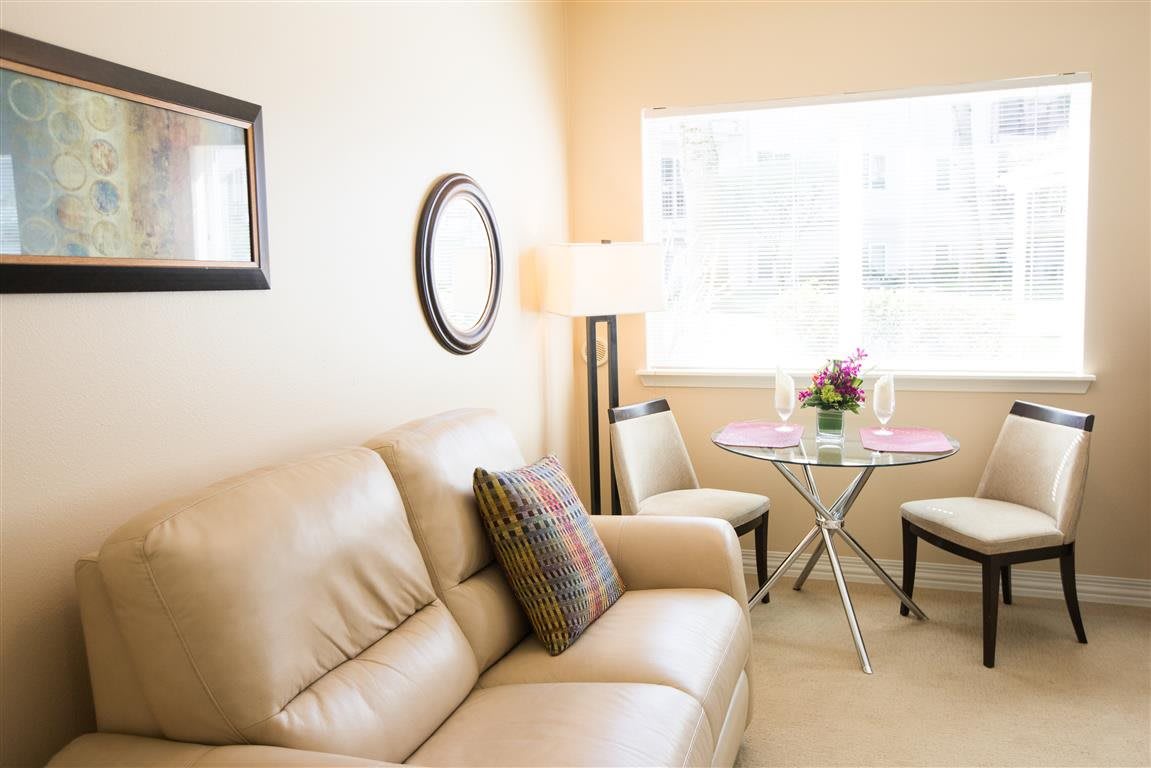
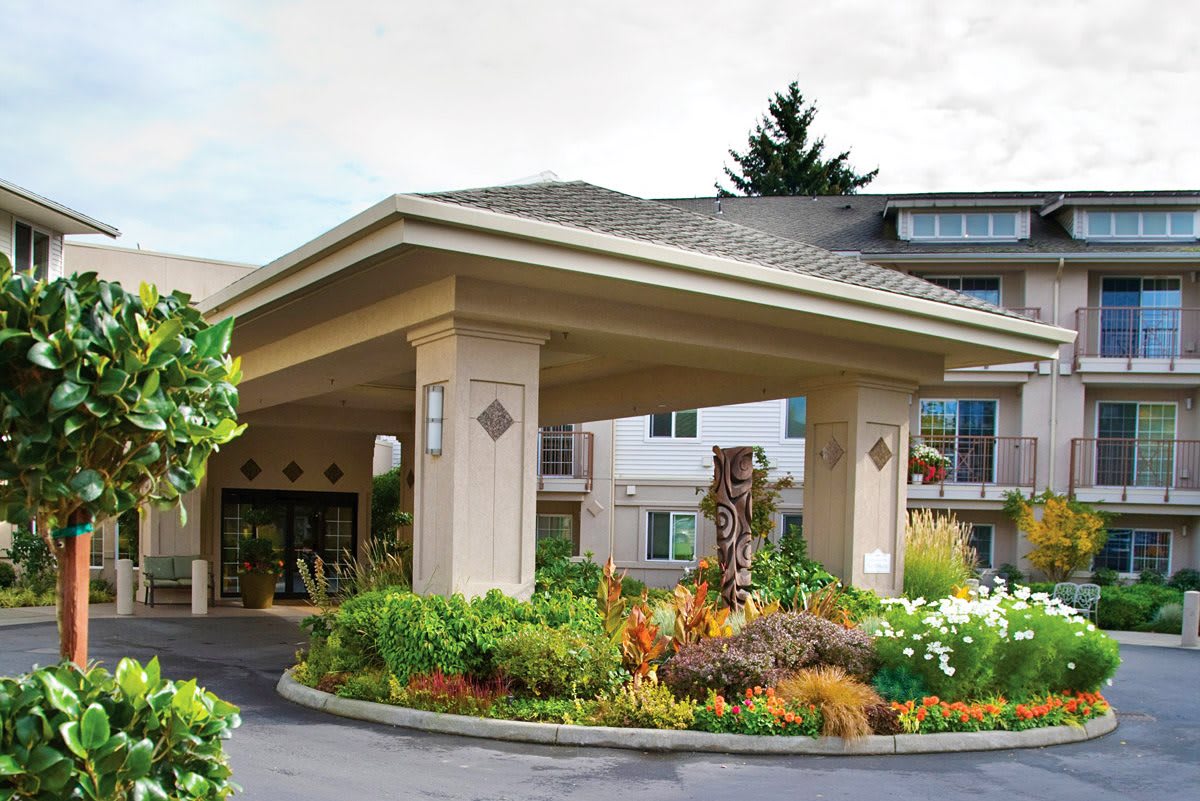
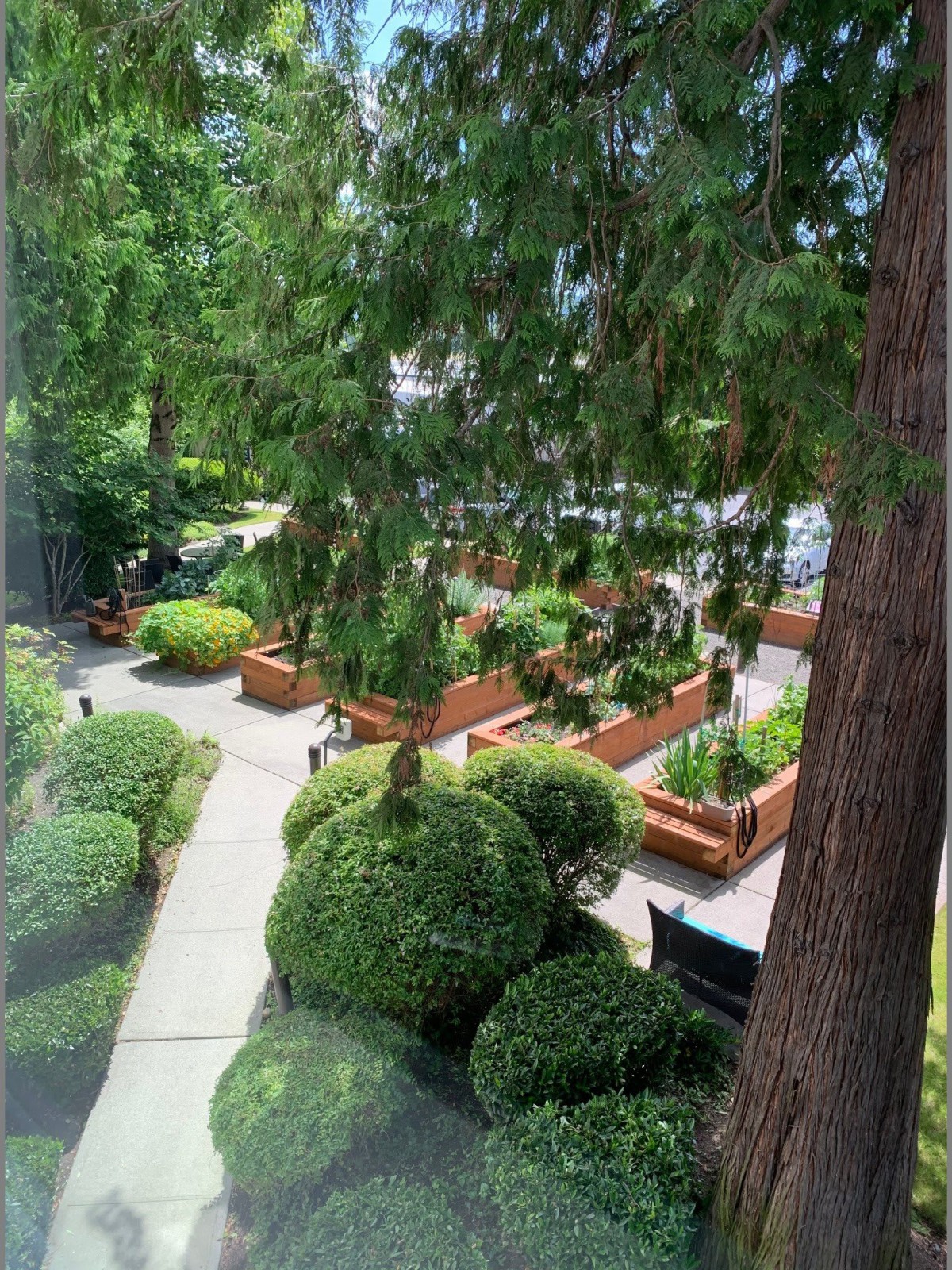
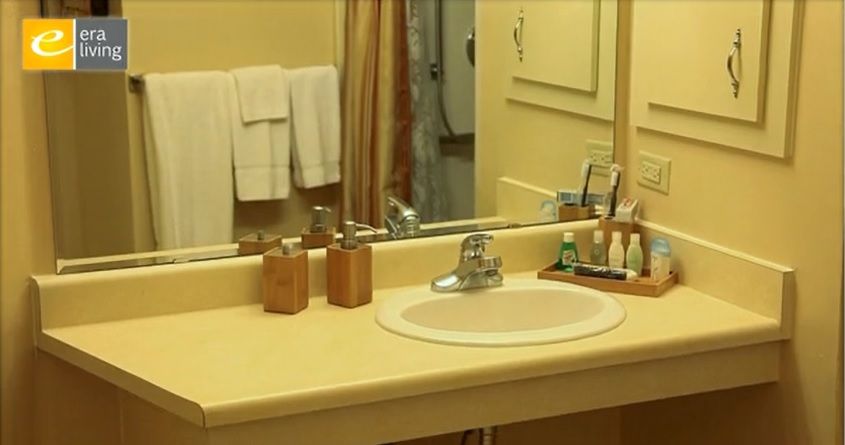
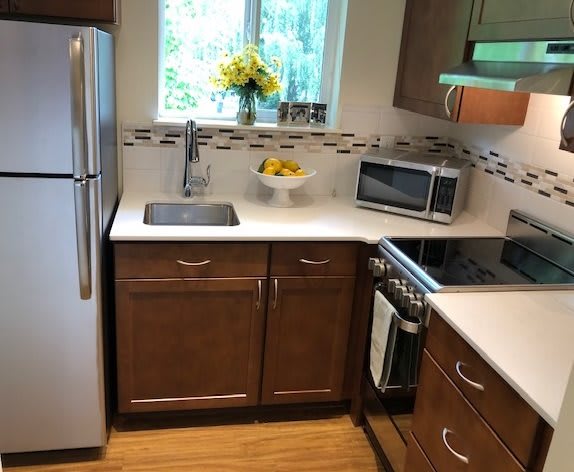
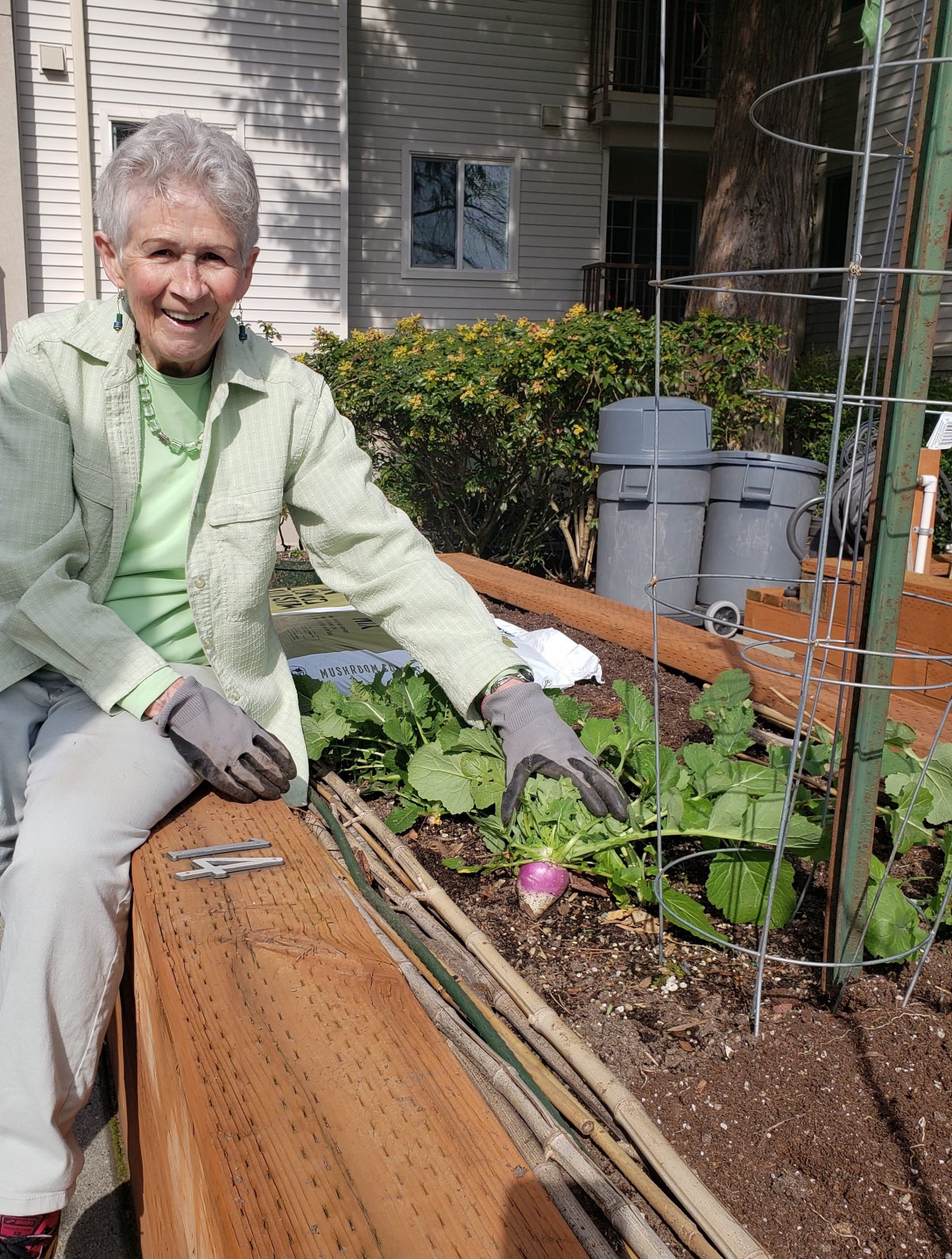
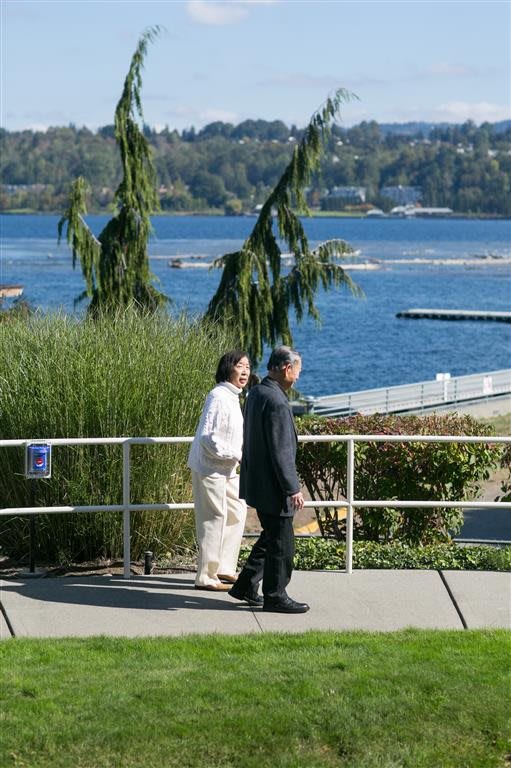
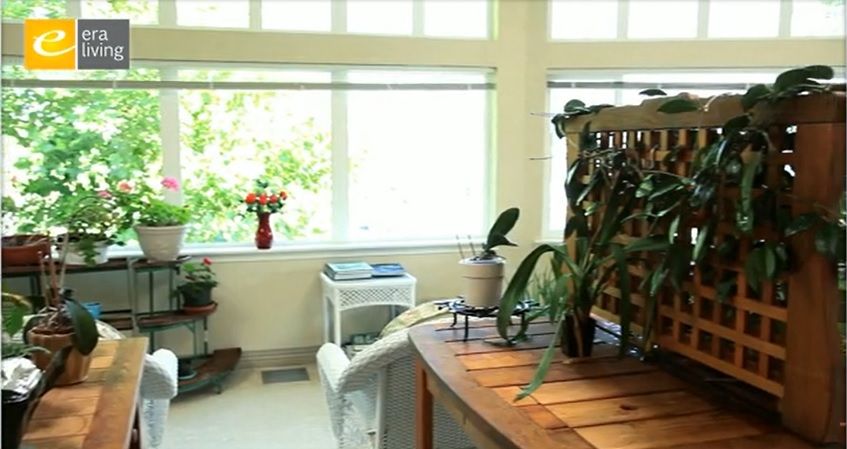
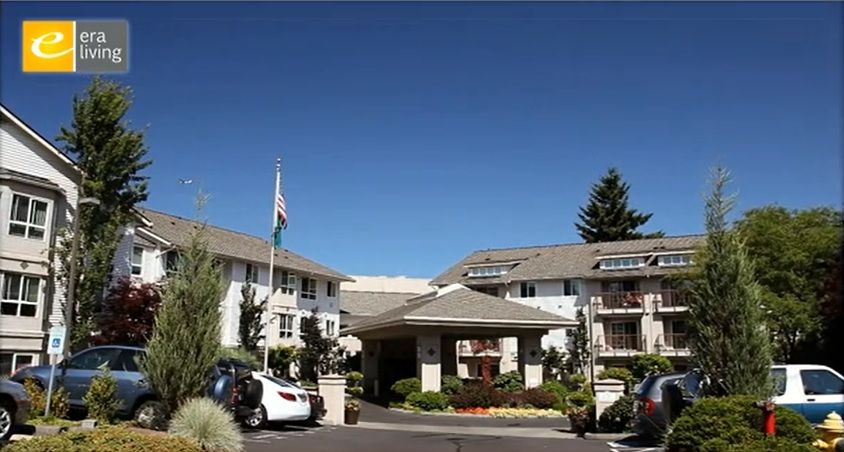
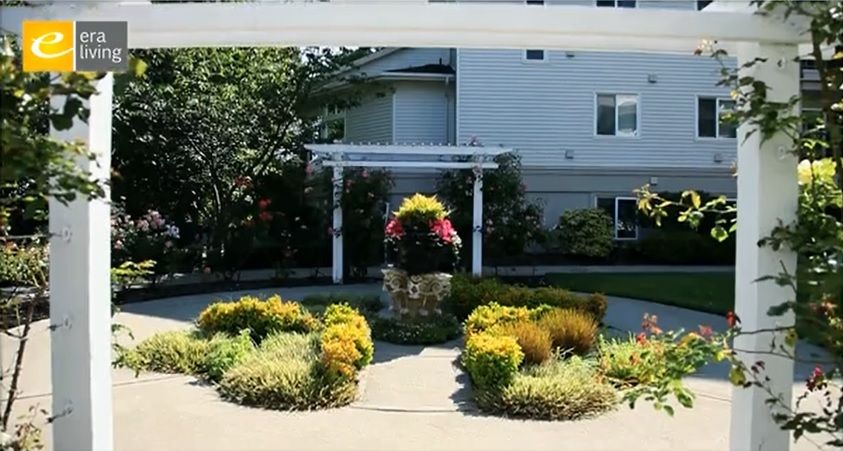
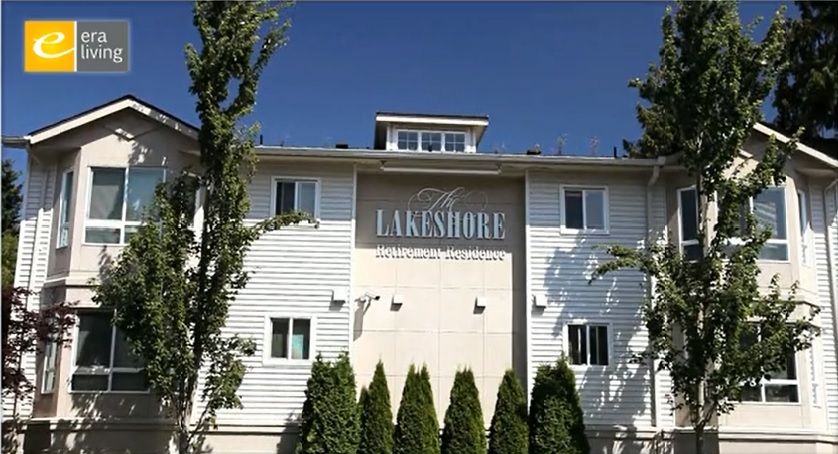
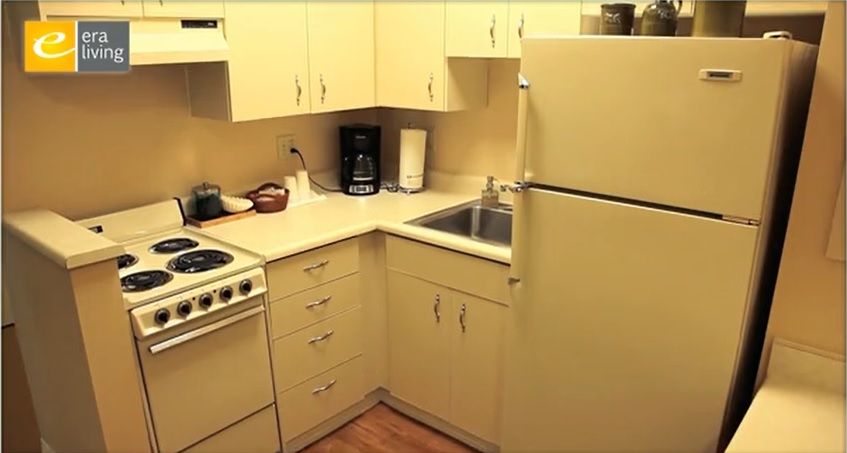
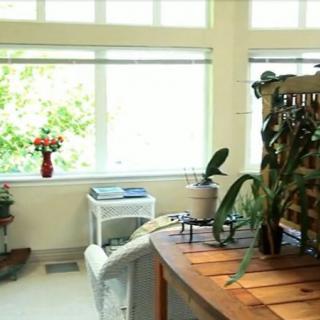
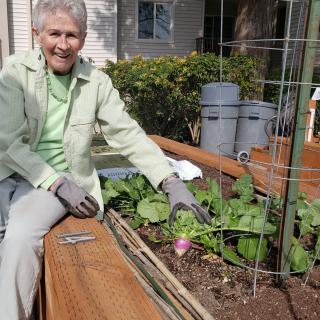
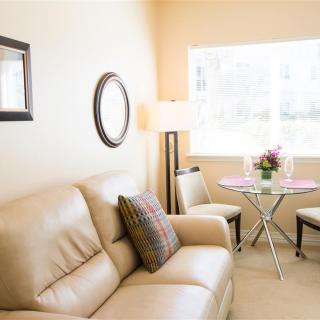
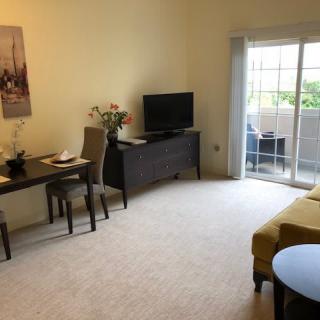
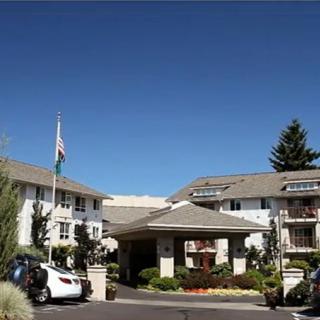
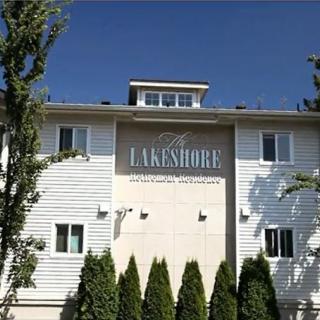
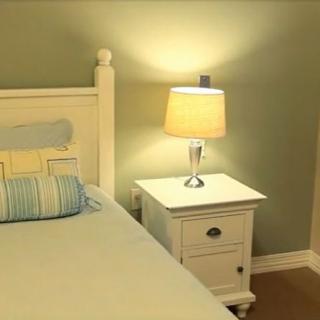
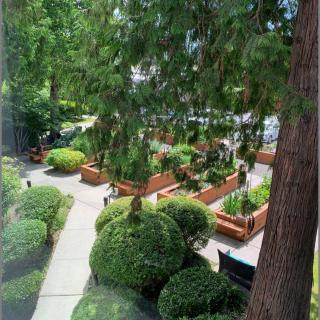
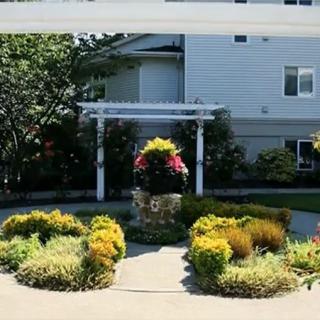
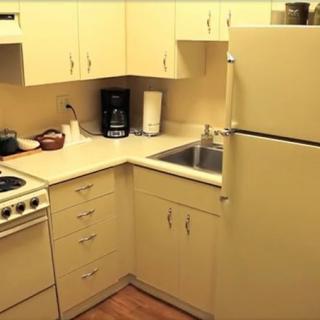
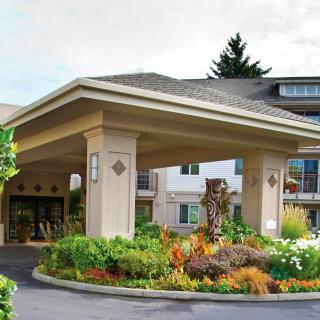
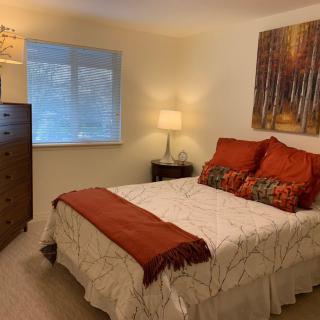
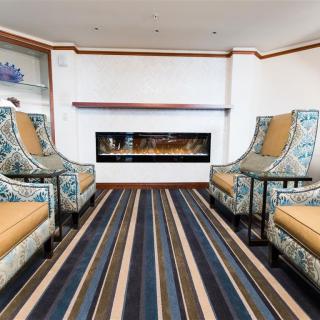
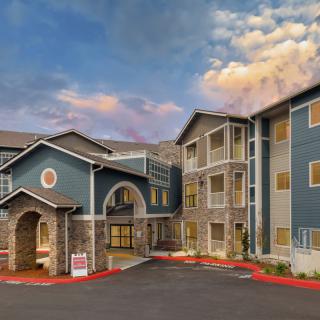
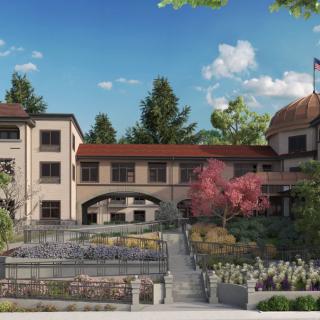
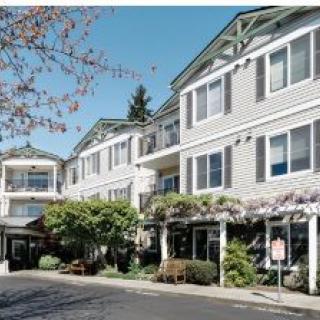
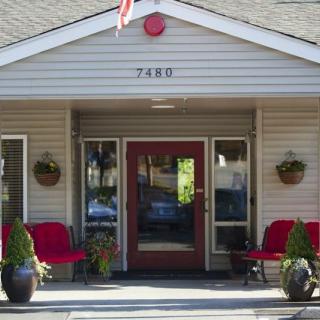
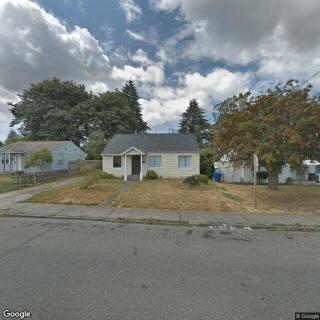
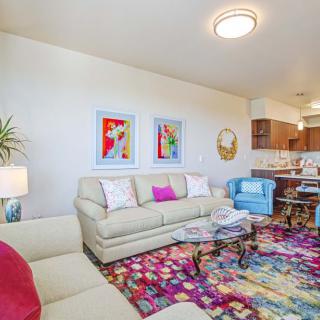
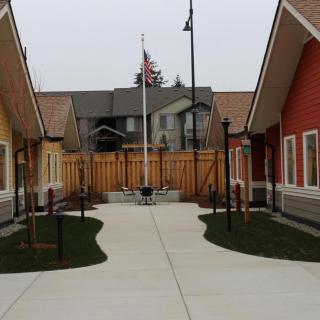
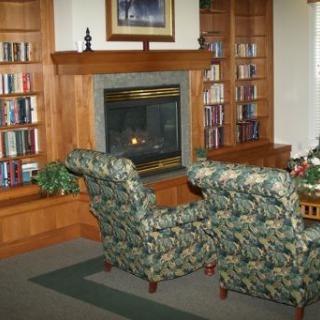
The Lakeshore on seniors.fyi includes 18 photos including images showing landscaping, interior, garden, living room, windows, bedroom, building, trees, and more.
Nearby Communities
Crystal Care Family Home
Seattle, WA
5 from 1 review
$2,865 to $7,000 / month
Specialized memory care with spacious private rooms, on-site activities and devotional services, plus medication management and incontinence care.
Valley Care Adult Family Home
Seattle, WA
4.8 from 17 reviews
$4,000 to $4,500 / month
Professional staff, caring ownership, friendly community, and a clean environment.
United Home Care in Seattle
Seattle, WA
$4,000 / month
Competitive dementia-focused care at $4,000/month.
Anne's Lakeridge Family Home
Seattle, WA
$3,000 / month
Affordable memory care at $3,000/mo (lower than King County and state averages) with private bathrooms and active on-site/off-site programs.
Anderson Loving Care AFH, LLC
Seattle, WA
4.2 from 6 reviews
$4,000 to $5,000 / month
24/7 attentive care with friendly, caring staff
Seattle Heights Elder Care Home
Seattle, WA
5 from 2 reviews
$3,000 to $3,500 / month
Specialized memory care with personalized care plans, private rooms, and respite options at competitive pricing.
Merrill Gardens at Renton Centre
Renton, WA
4.6 from 112 reviews
$2,495 to $5,475 / month
Caring, attentive staff with quality dining and a lively, clean community.
The Cottages of Renton
Renton, WA
3.8 from 19 reviews
$4,700 to $5,200 / month
Engaged residents with encouraging staff, plus strong family communication and COVID protocols.
Park Place
Seattle, WA
4.5 from 66 reviews
$2,395 to $2,695 / month
Caring staff and a welcoming, community-focused atmosphere.
The guide highlights the importance of assisted living facilities for aging veterans needing daily support, discusses unique challenges they face, and outlines available financial assistance from the VA, including the Aid and Attendance program. It emphasizes understanding eligibility criteria and navigating the VA system to access necessary benefits effectively.
The article compares assisted living and skilled nursing facilities, detailing their differing levels of assistance, medical support, cost structures, and day-to-day experiences. It emphasizes that assisted living is for those needing help with daily activities while maintaining independence, whereas skilled nursing facilities provide intensive medical care with 24-hour staff supervision.
The transition from assisted living to skilled nursing care is often prompted by complex medical needs that assisted living cannot meet, with key indicators including frequent health declines, increased falls, severe memory issues, and caregiver burnout. Families should recognize these signs early to discuss options with healthcare providers and prepare for the emotional and logistical aspects of moving to a facility that offers comprehensive medical support.
Get PricingAsk A QuestionSchedule A TourContact Senior Advisor
By clicking submit, you agree to our Partner's Terms of Use. You
also consent to receive calls and texts, which may be autodialed, from our Partner. Your consent is not a condition to
using our Partner's service. Please visit our Partner's Privacy Policy for information about their privacy practices.

 80 resident community capacity
 1-bedroom apartments
 Assisted Living
 Independent Living
 Cats allowed
 Dogs allowed
 Activities off-site
 Air-conditioning
 Bath tubs
 Beautician on-site
 Cable or satellite TV
 Computer center
 Devotional services off-site
 Dining room
 Fitness room
 Full kitchen
 Fully furnished
 Gaming room
 Garden
 Ground floor units
 Guest parking
 Handicap accessible
 Housekeeping services
 Indoor common areas
 Laundry
 Move-in coordination
 Outdoor common areas
 Party space
 Private bathrooms
 Respite or short term stays offered
 Restaurant-style dining
 Small library
 Telephone
 Wellness center
 Wheelchair accessible showers
 Wi-Fi/high-speed internet available
 Seattle-Tacoma International (5 miles away)
 Community operated transportation
 12-16 hour nursing
 24-hour call system
 Ambulatory care
 Assistance with bathing
 Assistance with dressing
 Assistance with transfers
 Diabetes diet
 Diabetic care
 High acuity care
 Incontinence care
 Medication management
 Mental wellness program
 Special dietary restrictions
 Art classes
 Book club
 Catholic services
 Concierge services
 Cooking classes
 Day trips and outings
 Educational speakers / life long learning
 Games
Games Happy hour
 Live musical performances
 Wine tasting
 English
 Specialized memory care with spacious private rooms, on-site activities and devotional services, plus medication management and incontinence care.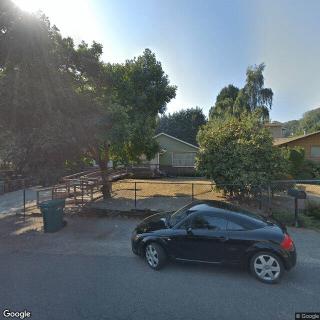
 Assisted Living Support for Veterans: A Complete and Detailed Overview
 Exploring the Contrasts Between Assisted Living and Skilled Nursing
 8 Key Indicators That Suggest It May Be Time to Transition from Assisted Living to Skilled Nursing Care