
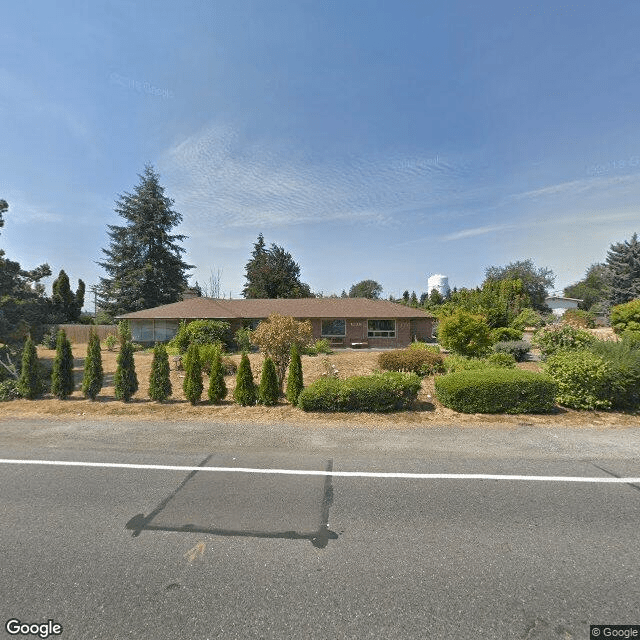
12621 84th Ave S, Seattle, WA 98178
To contact a resident: (206) 772-4774
For more information about senior living options: (866) 208-4318
Anderson Loving Care AFH, LLC Costs & Pricing
Anderson Loving Care AFH, LLC offers competitive pricing for its residential care services, with costs that align closely with those of King County and the broader state of Washington. For a semi-private room, residents can expect to pay $4,000 per month, which is markedly lower than the county's average of $4,430 and the state average of $4,267. Private and one-bedroom accommodations are priced at $5,000 each, positioning them slightly below King County's private room rate of $5,034 and comparable to the state average for one-bedroom options at $4,632. This pricing structure reflects Anderson Loving Care AFH's commitment to providing high-quality care while ensuring affordability for families in need of assisted living solutions.
| Floor plans | Anderson Loving Care AFH, LLC | King County | Washington |
|---|---|---|---|
| Semi-Private | $4,000 | $4,430 | $4,272 |
| Private | $5,000 | $5,034 | $4,774 |
| 1 Bedroom | $5,000 | $5,127 | $4,634 |
Memory care communities with a similar price nearby
-
from -$500 / mo
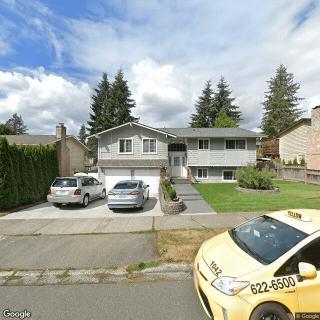
Dignity Life
$3,500 / month24.2 miles away -
from -$625 / mo
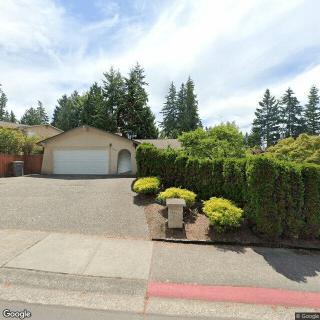
Evergreen Manor Senior Care Inc
$3,375 to $7,500 / month14.5 miles away -
About the same

Riverton Home Care
$4,000 to $5,000 / month3.1 miles away -
About the same
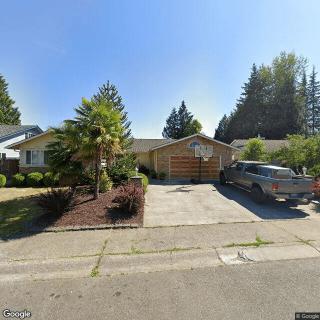
Gentle Care Home
$4,000 to $5,500 / month5.3 miles away -
from -$500 / mo

Twin Lakes Haven Adult Family Home
$3,500 to $8,000 / month13.5 miles away
Overall Review of Anderson Loving Care AFH, LLC
Pros
 They take amazing care of the mother.
- Their attention to detail and bedside manner are outstanding.
- Everyone is patient and attentive to her daily needs and interests.
- There are 24/7 caregivers with two on duty at all times.
- The food is very good.
- They are sweet and caring.
- The owner consistently asks residents if they are happy.
- The home is always clean.
- Mike loves the food they prepare.
- The place is clean, the staff is friendly, and it is a beautiful place.
Cons
 The rooms felt like entering a refrigerator.
- The backyard had a dilapidated swing set and there was no seating for residents.
- One male resident stood outside a partially closed door, which creeped the husband out.
- The owner did not show a bathroom or the kitchen.
- They felt it was a very wrong fit for their mother who had a hemorrhagic stroke, and they wanted to leave as quickly as possible.
Review
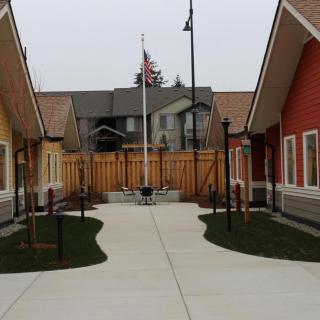
Anderson Loving Care AFH is best suited for families seeking a small, home-like setting in Seattle where two caregivers are on duty around the clock, delivering intimate daily support, patient attention, and a dignified routine for an elderly loved one who does not require hospital-level care but benefits from consistent companionship and home-cooked meals. Reviews emphasize a warm, personable atmosphere, with caregivers who address daily needs and interests, and an owner who remains engaged in residents’ happiness. This is a setting where familiarity and personalized care can be the strongest asset, producing real peace of mind for families that value close, ongoing interaction and a non-institutional vibe.
At the same time, this community may not be the best fit for residents with higher medical or safety needs. Individuals recovering from a serious stroke, those with advancing dementia, or others requiring robust medical oversight may find a small, family-style home lacking the level of safety infrastructure and formal programming seen in larger facilities. One reviewer described a tour that suggested potential safety and environmental gaps, including a cramped-feeling space and limited outdoor amenities. For families prioritizing predictable medical support, clear visibility of all rooms and spaces, or a setting with stronger safety features, alternatives warrant serious consideration.
The strongest positives, constant caregiver presence, warmth, and attentiveness, are meaningful offsets to several drawbacks. The two-on-duty model provides reliable supervision and rapid response, helping residents stay comfortable and secure day and night. Caregivers’ bedside manner and dedication to daily routines translate into consistent, individualized care that reduces anxiety for both residents and families. Cleanliness and a homelike ambiance reinforce a sense of dignity and convenience, while the owner’s personal engagement, checking on residents’ happiness, signals a responsive, relationship-driven approach that many families prize in an intimate setting. When meals are mentioned as high quality, including familiar cuisine, the overall daily experience becomes more satisfying and sustainable for long-term residents.
Nevertheless, notable cons deserve clear consideration. A portion of the feedback points to shortcomings in environmental appeal and practicality: rooms sometimes feel less inviting or climate-controlled, and outdoor areas are limited with little opportunity to relax outside. The absence of a fully open, transparent tour experience, without clear access to the kitchen, bathroom, or other essential spaces, can raise concerns about safety and readiness for medical needs. For a resident with mobility limitations or erratic health fluctuations, these factors, combined with the small scale of the home, may complicate escalation of care or immediate access to specialized services. These are legitimate considerations that can tip the balance toward looking elsewhere when safety and visibility are nonnegotiable.
To move forward, a disciplined decision process is essential. A prospective family should insist on a comprehensive tour that includes a live view of safety features (grab bars, non-slip flooring, accessible bathroom layouts, emergency call responsiveness) and an uninterrupted look at common areas, bathrooms, and the kitchen. Confirm two-on-duty staffing at all times, review a sample daily schedule, and request a formal, resident-specific care plan that details medication management, mobility support, and activity programming. Seek recent references, speak with current residents or families for candid impressions, and verify licensing, inspection reports, and any relevant state oversight. Finally, compare costs, contract terms, and flexibility to transition if care needs evolve.
Bottom line: Anderson Loving Care AFH offers a compelling choice for families prioritizing a intimate, responsive, home-based caregiving environment with dependable staffing and thoughtful, person-centered attention. It is a practical and comforting option when comfort, connection, and individualized care weigh more heavily than formal safety structures or extensive medical oversight. For residents with higher needs, requiring robust safety features, advanced medical management, or a formal memory-care program, alternatives such as larger assisted living communities or dedicated memory-care facilities are prudent to explore. The right fit hinges on aligning the resident’s medical needs, safety priorities, and desired daily rhythm with what this small family home can consistently deliver.
 Board and Care Home
 Memory Care
 Activities off-site
 Beautician on-site
 Devotional services off-site
 Indoor common areas
 Outdoor common areas
 Private
 Private bathrooms
 Respite or short term stays offered
 Wheelchair accessible showers
 Wi-Fi/high-speed internet available
 Seattle-Tacoma International (5 miles away)
 Diabetic care
 High acuity care
 Incontinence care
 Medication management
 Gluten-free
 BBQs or picnics
 Birthday parties
 Gardening club
 Karaoke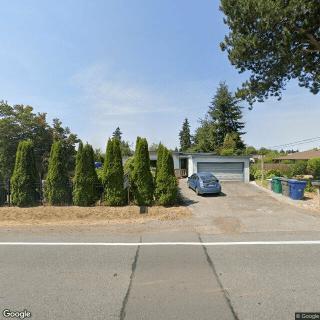
 Medications Associated with Dementia Risk: A Comprehensive Overview
 Guiding Your Journey: Understanding Power of Attorney for Elderly Parents
 22 Remarkable Caregiver Support Groups Available Online and In-Person