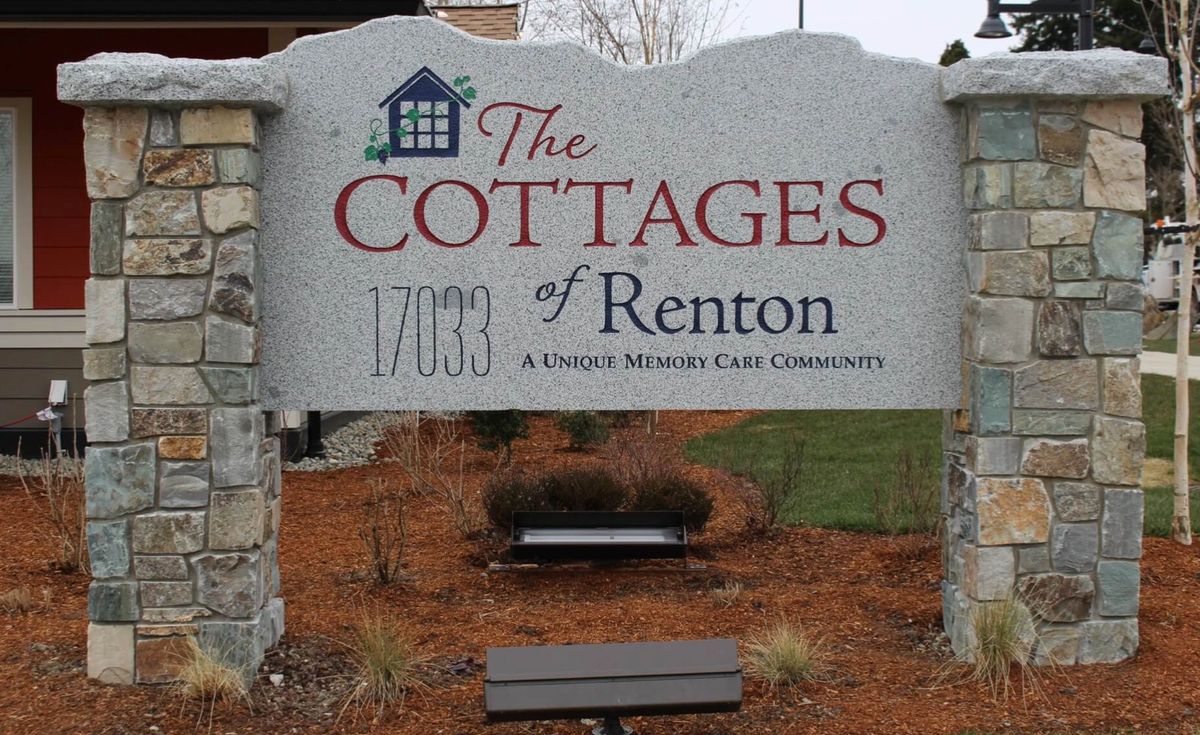
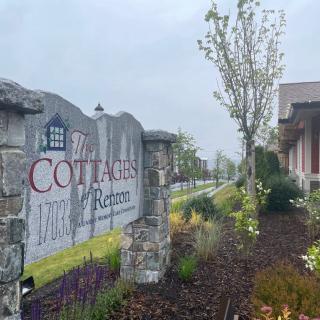

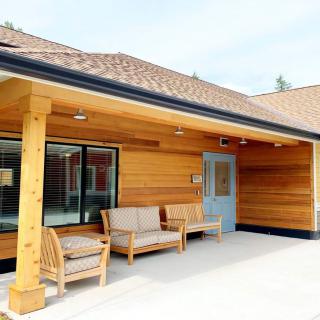
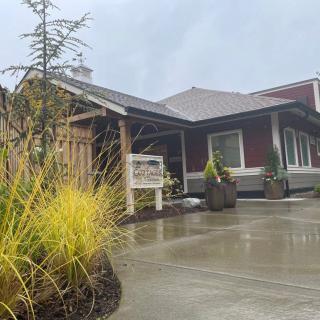
17033 108th Ave SE, Renton, WA 98055
To contact a resident: (425) 931-2951
For more information about senior living options: (866) 208-4318
The Cottages of Renton Costs & Pricing
The Cottages of Renton offers a range of pricing for its accommodations that reflects both the quality of care and the local market dynamics. For semi-private rooms, costs range from $4,700 to $5,225, which is slightly above the average for King County at $4,430 and Washington state at $4,267. Studio apartments are positioned between $5,200 and $6,792, indicating a premium over the county's average of $4,464 and the state's average of $4,126. Lastly, private rooms are priced at $6,270, significantly higher than King County's average of $5,034 and Washington state's average of $4,772. This pricing structure suggests that The Cottages of Renton provides an elevated level of service and amenities aligned with its location in a competitive market.
| Floor plans | The Cottages of Renton | King County | Washington |
|---|---|---|---|
| Semi-Private | $4,700 to $5,225 | $4,430 | $4,272 |
| Studio | $5,200 to $6,792 | $4,464 | $4,128 |
| Private | $6,270 | $5,034 | $4,774 |
Memory care communities with a similar price nearby
-
from +$800 / mo

Twin Lake Adult Family Home
$5,500 to $6,500 / month12.9 miles away -
from -$700 / mo

Riverton Home Care
$4,000 to $5,000 / month4.8 miles away -
from -$700 / mo
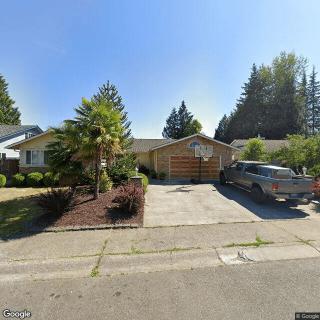
Gentle Care Home
$4,000 to $5,500 / month3.2 miles away -
from +$300 / mo
Peace and Pleasant Care Adult Family Home II
$5,000 to $6,000 / month4.9 miles away -
from -$395 / mo
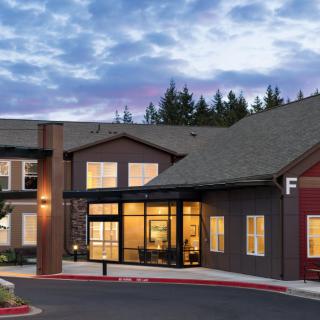
Penrose Harbor at Heron's Key
$4,305 to $7,332 / month20.1 miles away
Overall Review of The Cottages of Renton
Pros
 The Cottages of Renton demonstrate kindness, attention to excellence, and good hiring practices.
- The administration provides excellent quality of care and knowledgeable medical and facility support.
- It is widely regarded as the best place ever.
- The team makes memory care decisions painless and worry-free, with Luke treated with patience and dignity.
- Their specialized knowledge and individualized care plans are greatly appreciated.
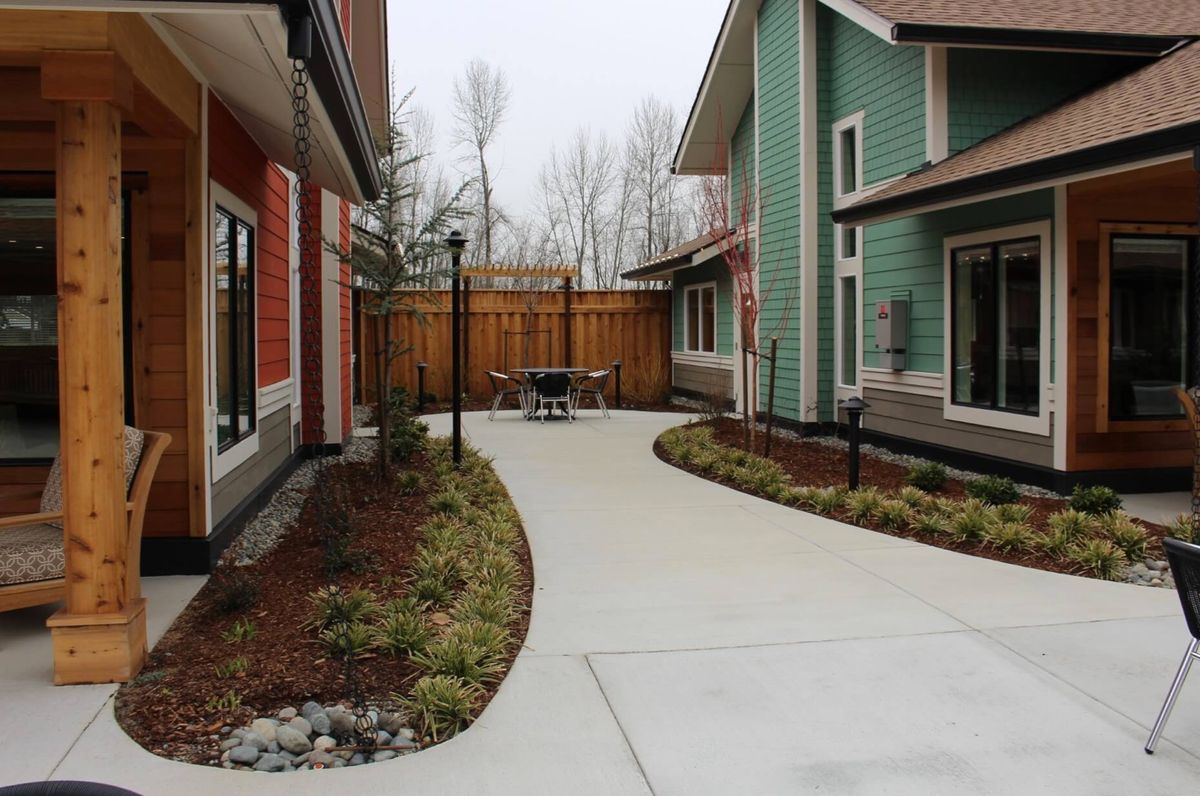
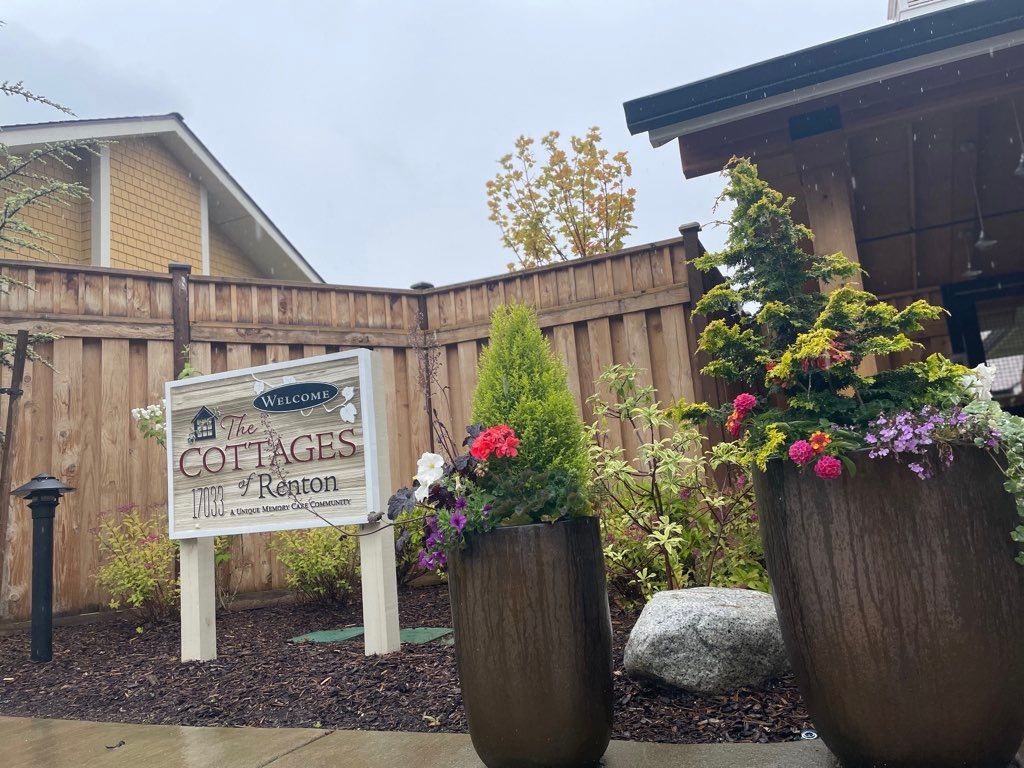
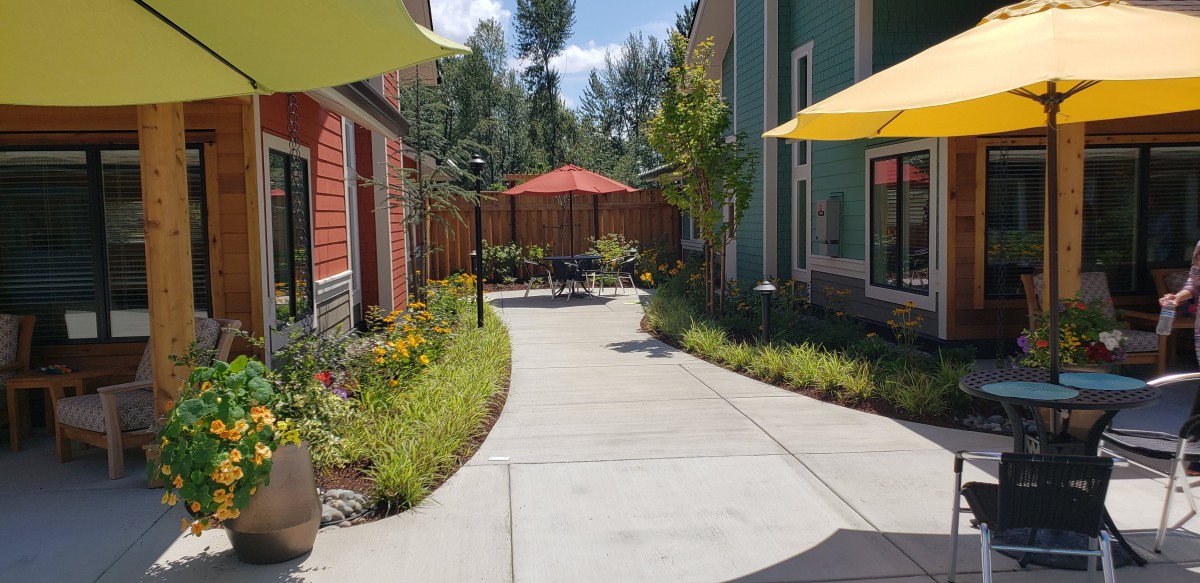
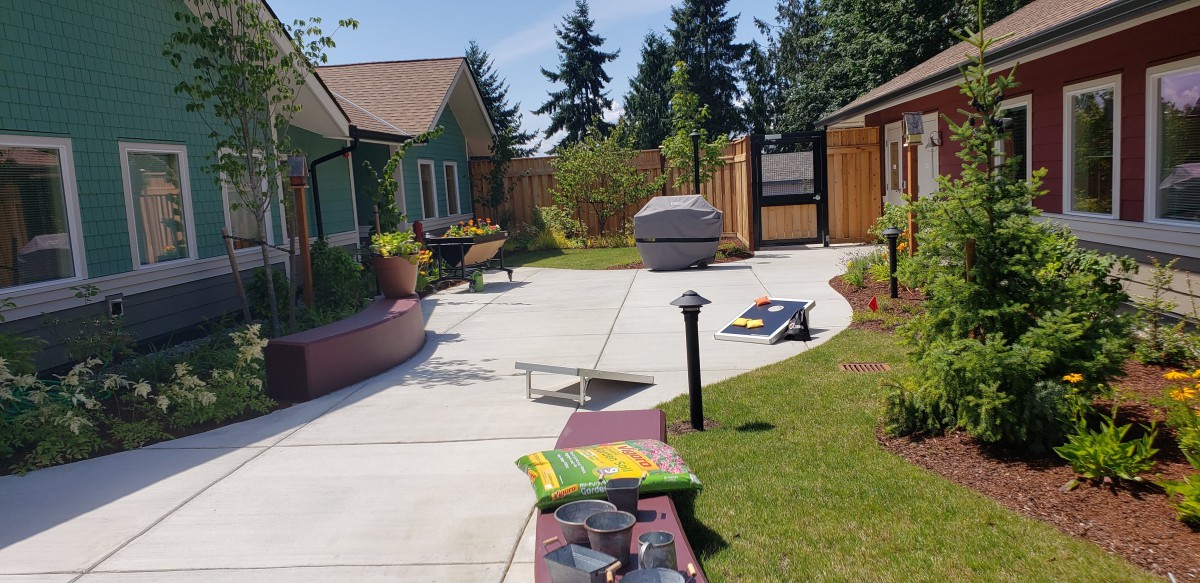
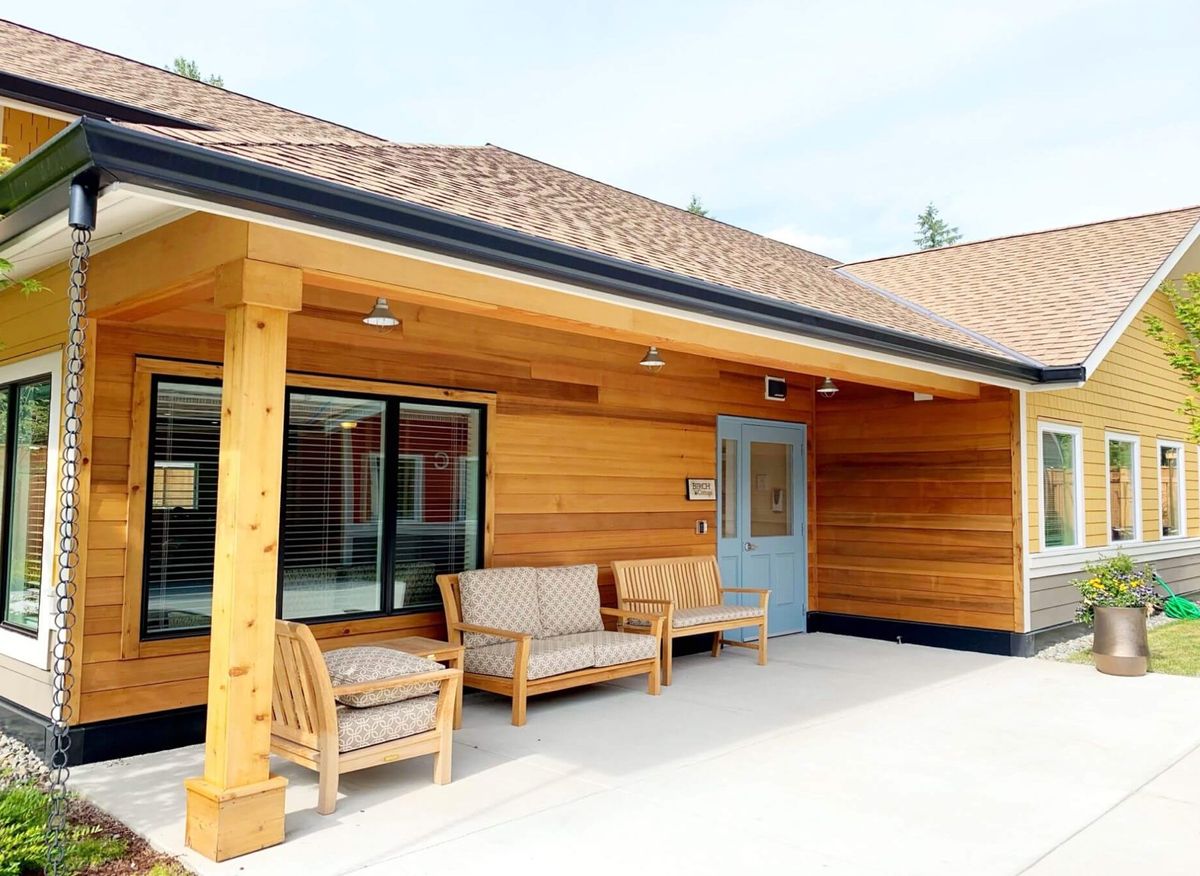
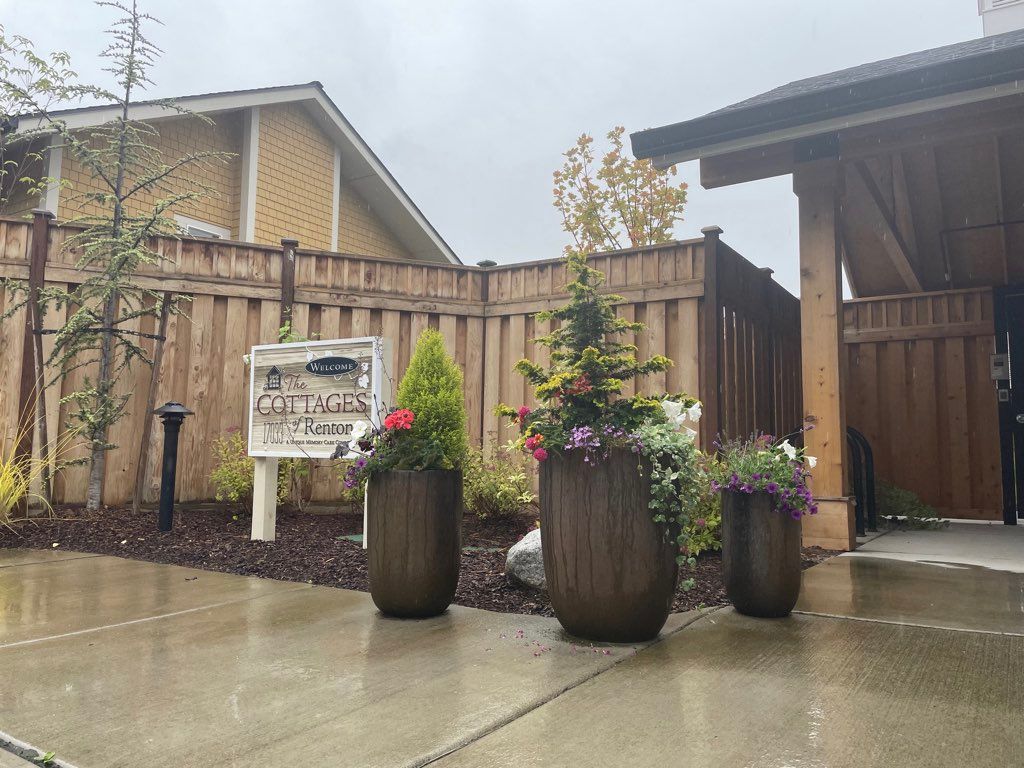
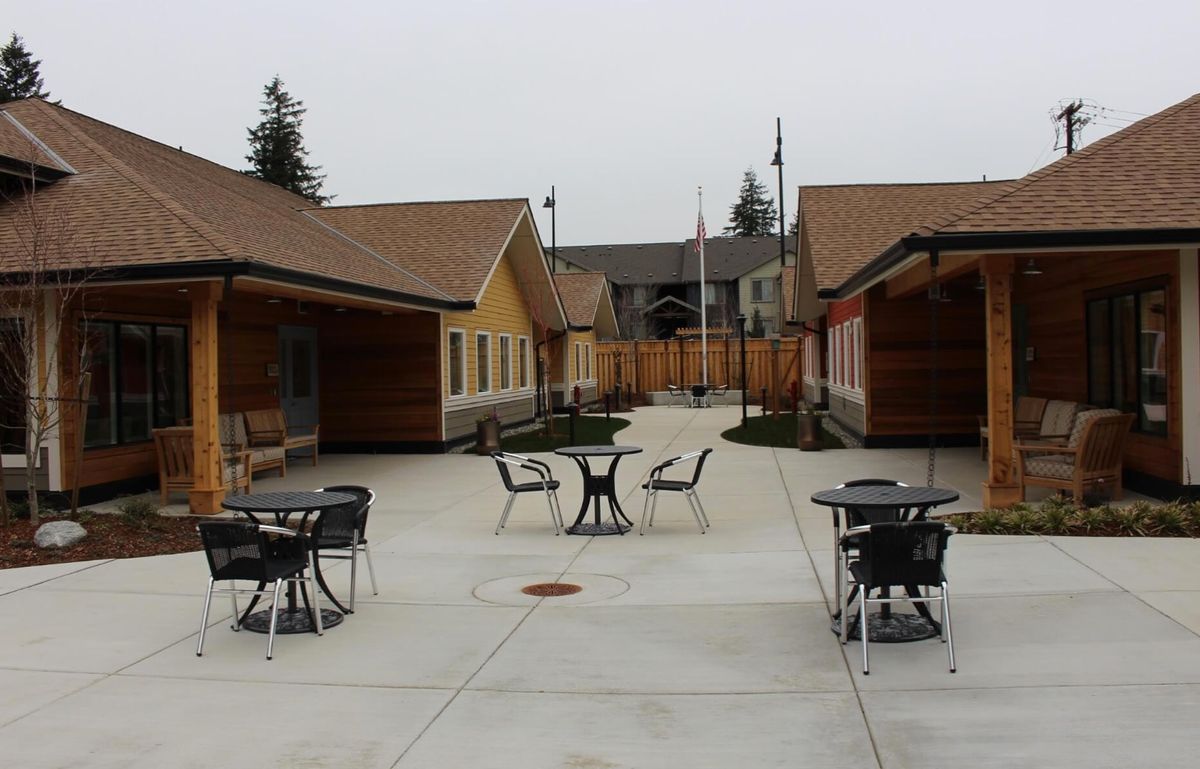
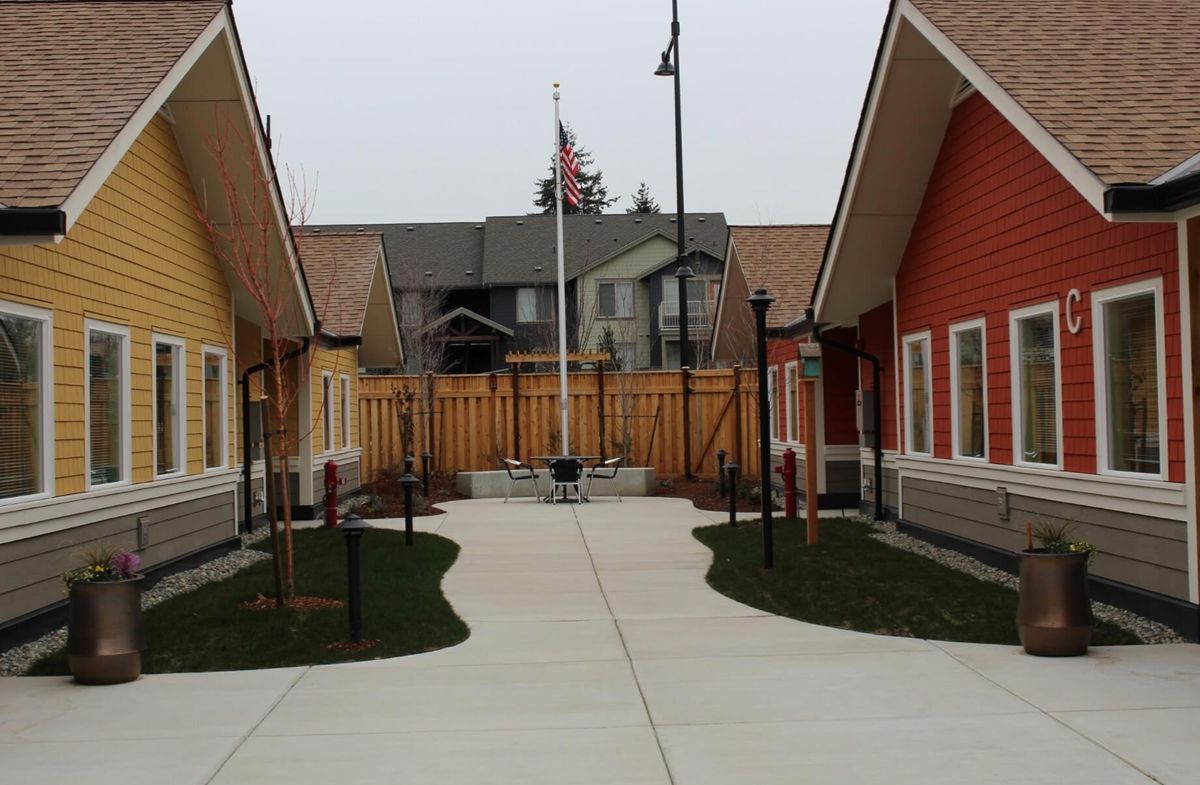
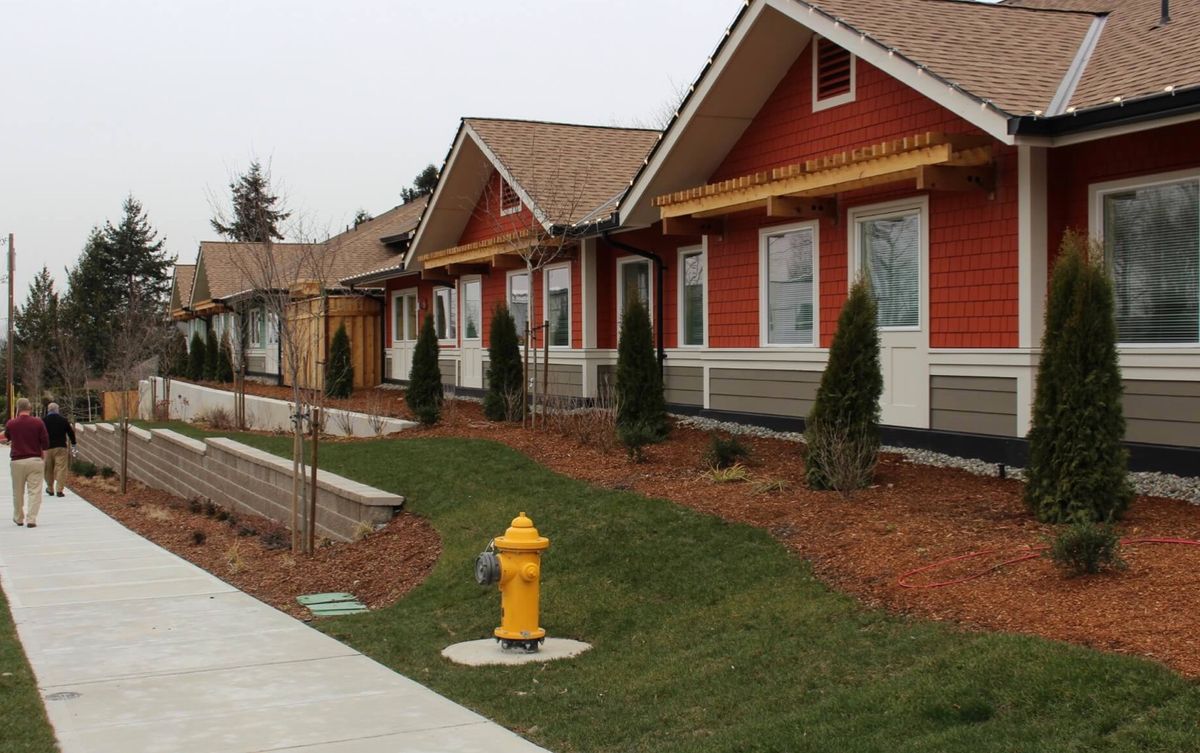
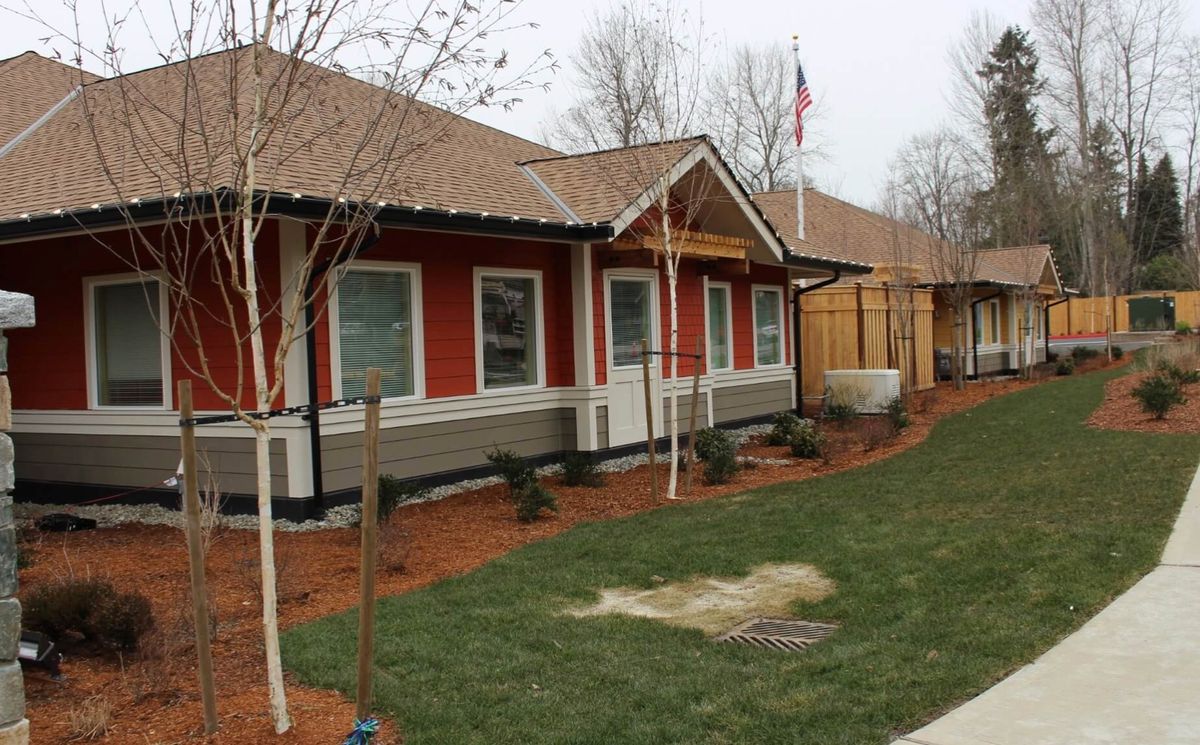
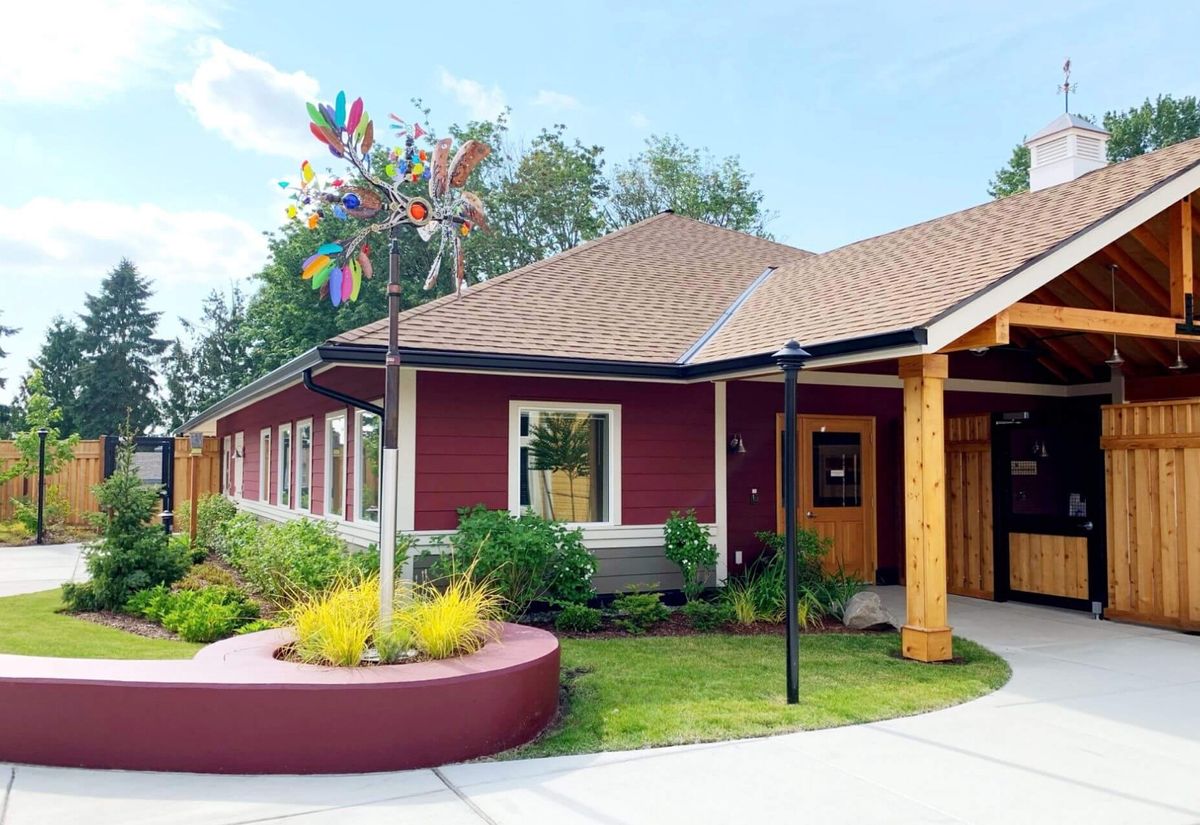
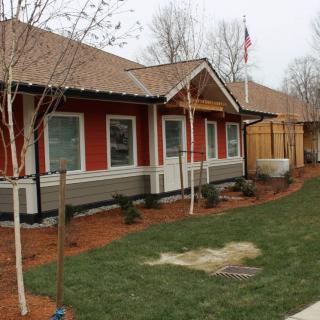
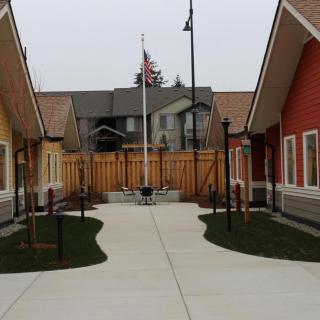
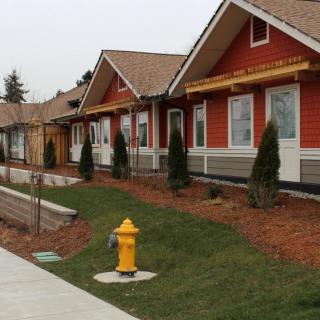
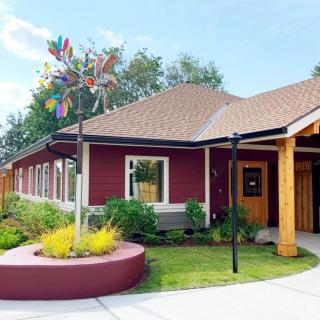
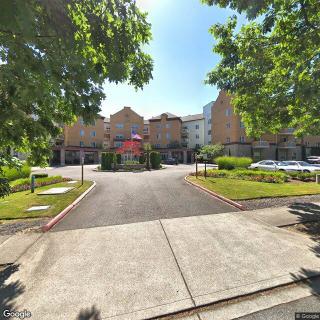
- The courtyard and cottage layout create a more intimate and open feel for residents.
- Tonya and Venetia are professional, personable, caring, and understanding, easing the transfer process.
- The environment is clean and beautiful, with impressive COVID protocols and excellent communication about residents' needs.
Cons
 There is a distinct lack of care.
 - Inexperience and understaffed.
- No communication actively trying to hide conditions.
- They always seem to run short on medications and then have excuses as to why.
- The facilities were very poor.
- I wouldn’t put my worst enemy in The Cottages of Renton; that’s the worst place I’ve ever been.
Review
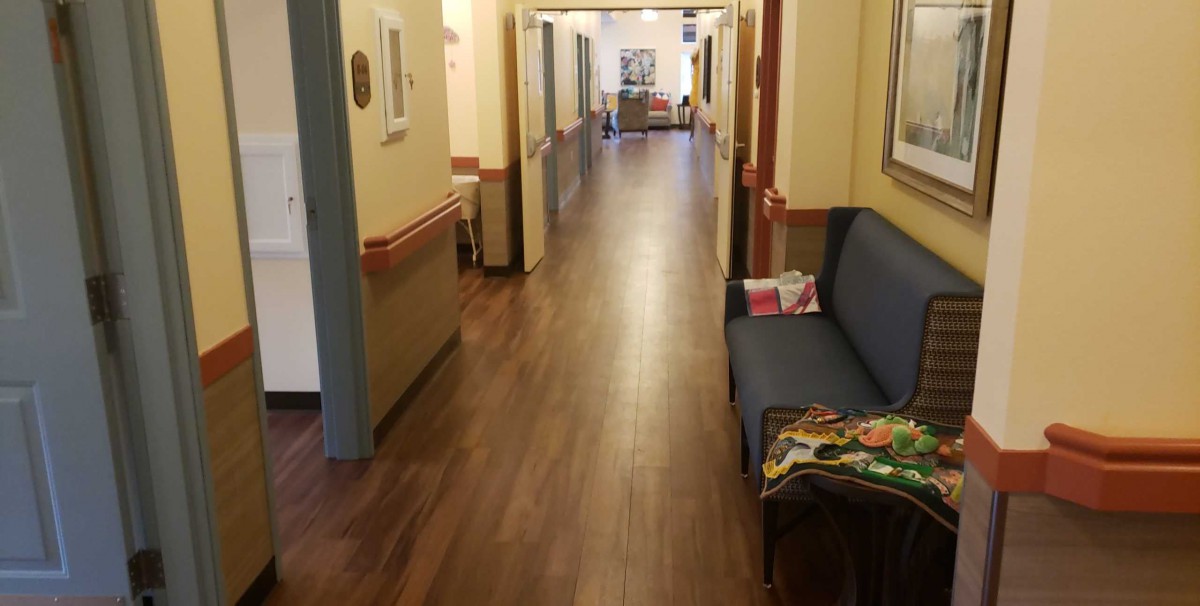
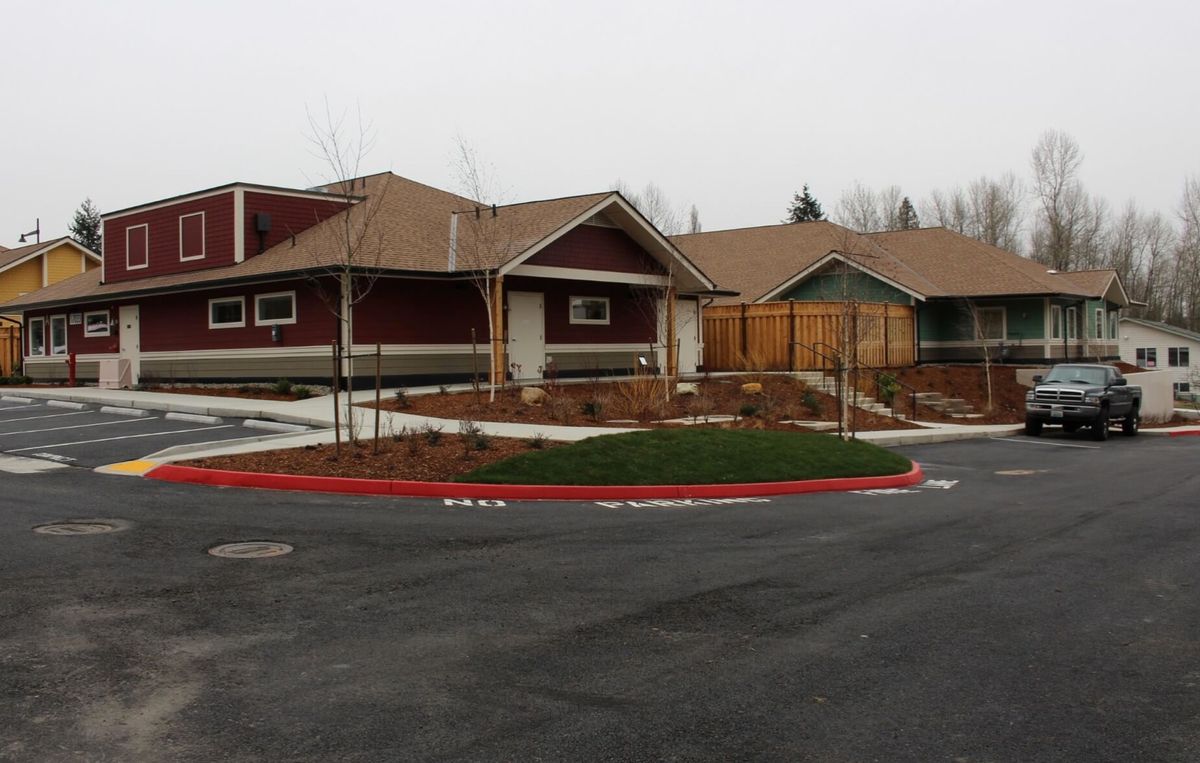
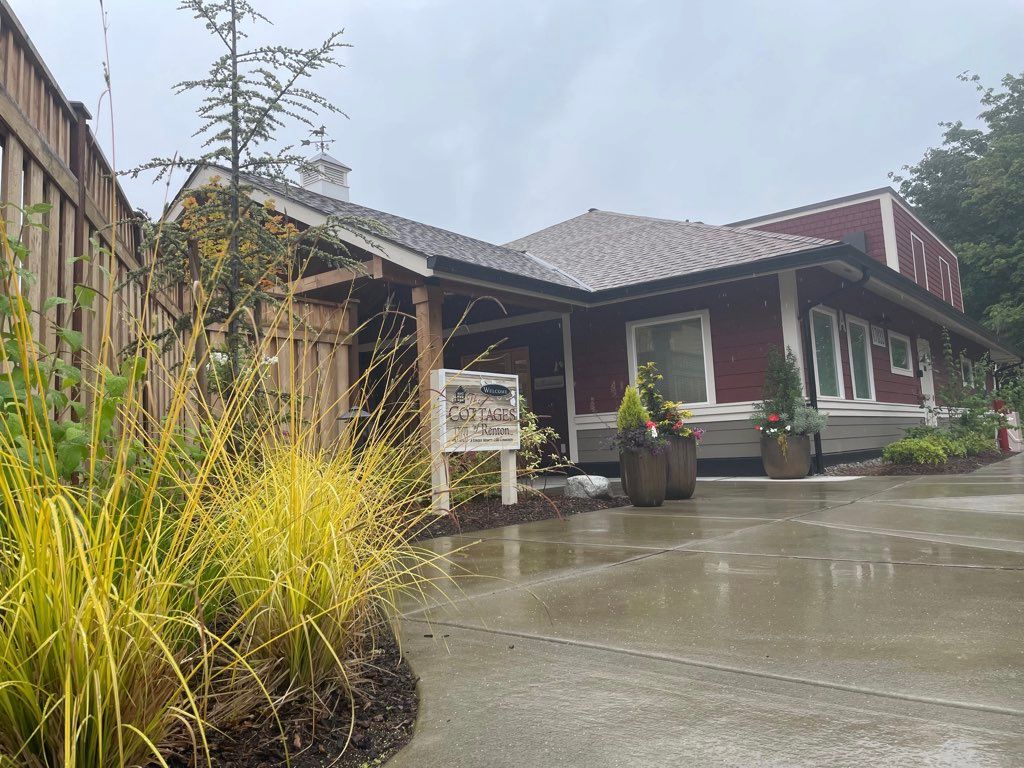
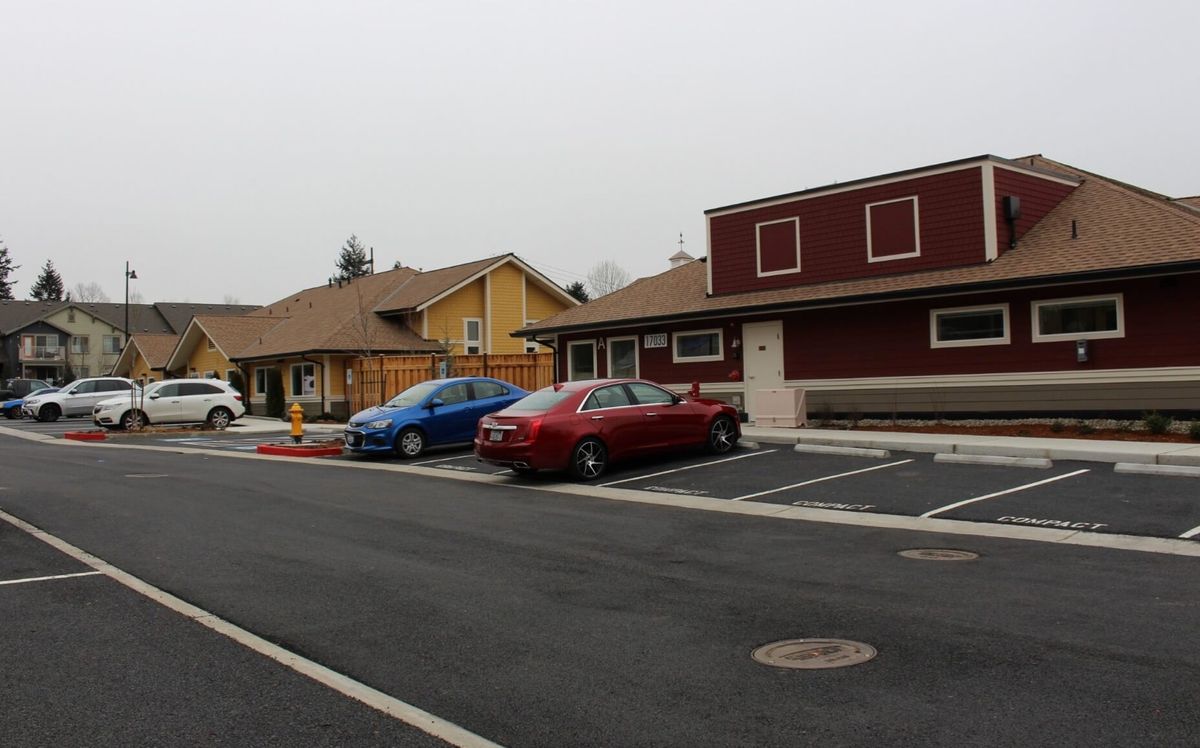
The Cottages of Renton is best suited for families seeking memory-care focused support in a small, home-like setting where care is deliberate, individualized, and anchored by attentive leadership. Residents are grouped into distinct cottages based on level of decline, which creates a calmer, more intimate environment than large campus layouts. The setting lends itself to meaningful visits, easier oversight by family members, and a sense of dignity through personalized care plans and staff who are referenced as knowledgeable and caring by multiple families. For families facing the emotional and logistical burden of dementia care, this community offers a practical, cohesive unit that can translate hospital-style transitions into smoother daily living with ongoing medical and therapeutic coordination.
Those who may want to consider alternatives are those who prioritize maximum privacy, rigid medication management, or expansive, club-like programming and amenities. If a resident requires very high staff-to-resident ratios at all hours, or if concerns about personal belongings or room privacy are non-negotiable, the mixed feedback from reviewers suggests exploring other options. Families needing a facility with large common spaces, consistently predictable room assignments, or a facility-wide emphasis on medication administration and privacy controls may find other communities better aligned with those expectations. In short, this is a strong fit for memory-care integration and family-centered oversight, not for residents demanding every possible amenity or ironclad privacy.
The core strengths emerge most clearly in the care culture and operational focus. Reviews repeatedly highlight kindness, high-quality caregiving, and disciplined hiring practices that translate into dependable day-to-day interactions. Staff are described as patient and dignified in dementia‑specific care, with a leadership team that steers consistent care planning and responsive service. Families appreciate the ability to coordinate medical and home-health services through the program, which can reclaim personal time while ensuring medical needs are monitored. The courtyard and the cottage design further reinforce an atmosphere of safety and belonging, where residents can engage in routine activities and social moments with less of the institutional feel that some families dread in larger facilities.
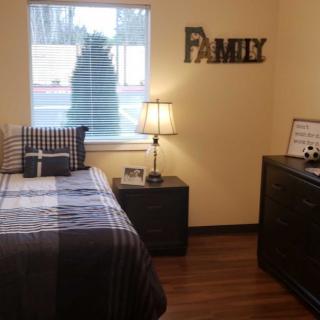
However, there are notable drawbacks that temper the overall impression. Several reviews flag inconsistent staffing at times, which can translate into delays or gaps in communication, and there are strong warnings about privacy compromises, frequent room moves, and occasional loss of personal items. Some accounts describe environments that feel stark or underwhelming, with questions raised about the adequacy of social or recreational space for all residents. A few families recount experiences that challenge the ideal of steady, seamless care, including reports of limited medication management and privacy-related frustrations. Taken together, these concerns are serious and demand proactive, ongoing oversight by families through visits, questions, and routine updates.
The key to weighing pros against cons lies in the enterprise’s ability to translate the strengths into consistent daily experiences. The intimate cottage layout and dementia-focused care practices can mitigate the impact of staffing fluctuations by fostering stable, small-community routines, clear care plans, and direct family involvement. Strong leadership and a collaborative approach with home-health providers create a framework where individualized care can be maintained even as staffing rhythms shift. For families willing to stay engaged, ask precise questions about staff coverage during peak hours, room assignment policies, and protections for personal belongings, and insist on a transparent, ongoing feedback loop, the positives become substantial enough to outweigh the more troubling reports.
Bottom line: The Cottages of Renton offers a pragmatic, memory-care‑centric option for families who want a careful balance of intimate setting, personalized care, and active family involvement. It is less suitable for those needing stringent privacy guarantees, comprehensive medication management, or lavish programming. Prospective caregivers should plan a thorough tour focused on room configurations, staff-to-resident ratios, and the cadence of communication with administration. If comfort with ongoing oversight and a willingness to adapt to a cottage-based, dementia-focused model are in place, this community can deliver meaningful quality-of-life gains for a loved one and reduced stress for caretaking families.
 60 resident community capacity
 Memory Care
 Activities off-site
 Air-conditioning
 Beautician on-site
 Cable or satellite TV
 Computer center
 Devotional services on-site
 Dining room
 Fitness room
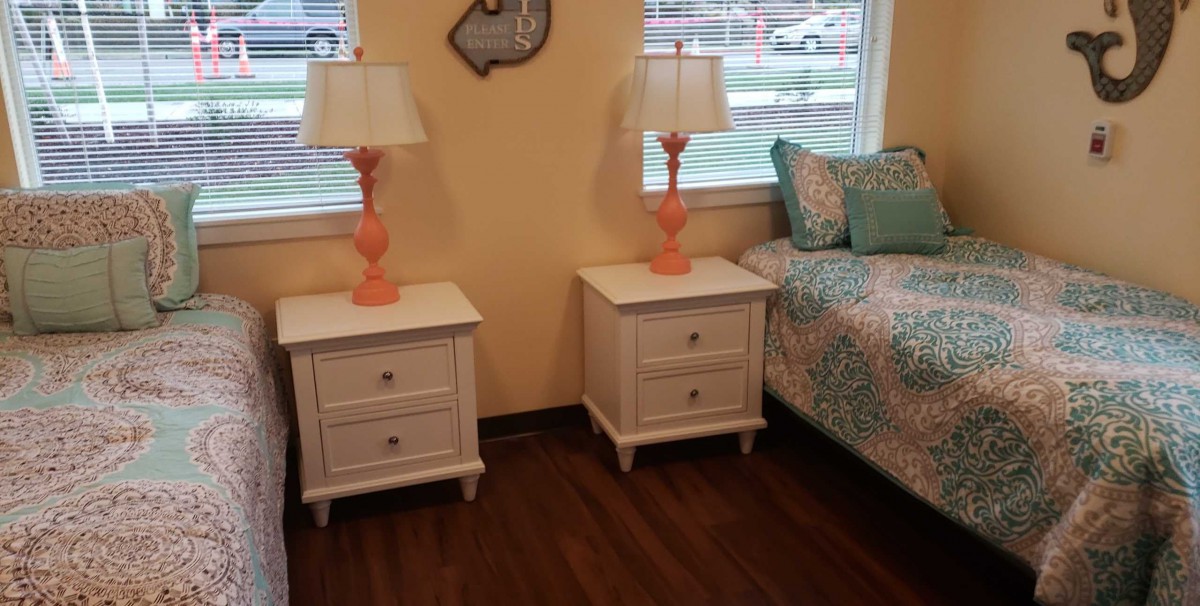
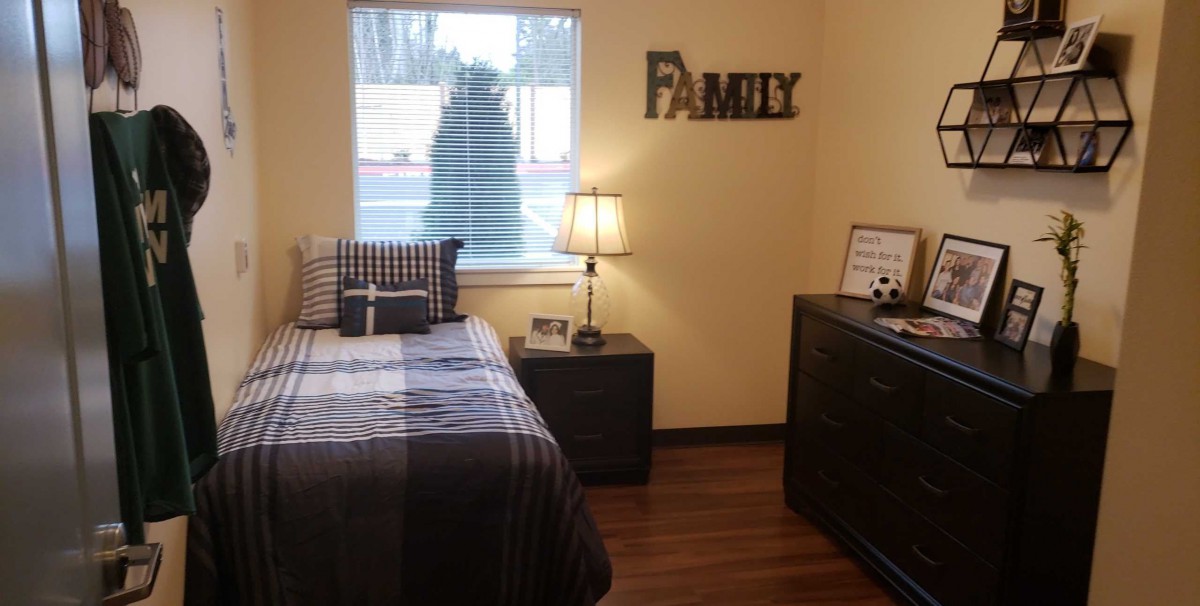
 Fully furnished
 Gaming room
 Garden
 Ground floor units
 Handicap accessible
 Housekeeping services
 Indoor common areas
 Kitchenette
 Move-in coordination
 Outdoor common areas
 Private bathrooms
 Respite or short term stays offered
 Restaurant-style dining
 Small library
 Telephone
 Wellness center
 Wheelchair accessible showers
 Wi-Fi/high-speed internet available
 Seattle-Tacoma International (5 miles away)
 Community operated transportation
 24-hour call system
 Ambulatory care
 Assistance with bathing
 Assistance with dressing
 Assistance with transfers
 Diabetes diet
 Diabetic care
 Medication management
 Mental wellness program
 Special dietary restrictions
 Brain fitness
 Concierge services
 Day trips and outings
 Karaoke
 Live dance or theater performances
 Live musical performances
 Visiting chaplain or priest
 8 Key Indicators That Suggest It May Be Time to Transition from Assisted Living to Skilled Nursing Care
 Nourishing the Mind: Essential Dietary Approaches for Dementia
 Understanding Dementia Behaviors: Practical Insights and Strategies for Caregivers