
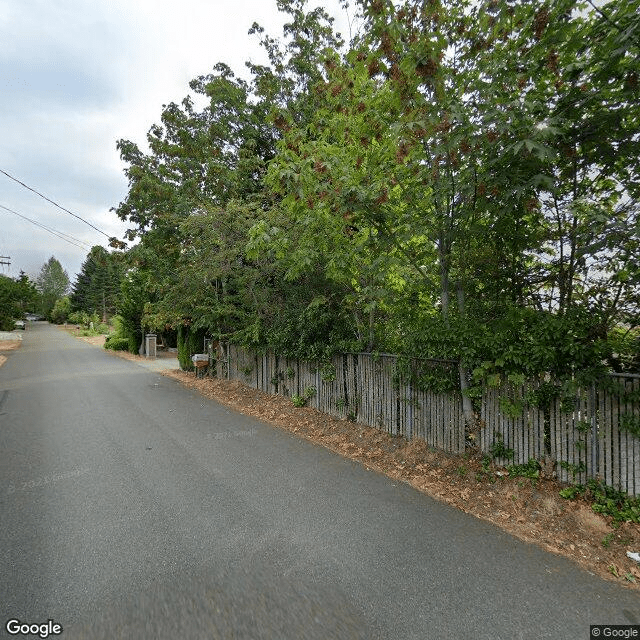
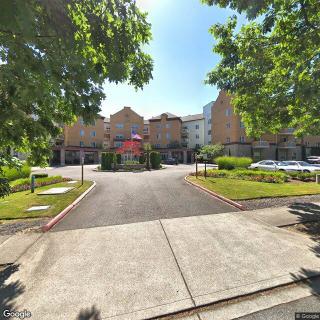
17655 109th Ave SE, Renton, WA 98055
To contact a resident: (206) 487-4486
For more information about senior living options: (866) 208-4318
Emerald Valley Home Care Costs & Pricing
Emerald Valley Home Care offers competitive pricing for its services compared to both King County and the broader state of Washington. For a semi-private room, residents can expect to pay $2,500 per month, which is significantly lower than the county's average of $4,430 and the state's average of $4,267. Similarly, the cost for a private room at Emerald Valley is set at $3,000 per month, again undercutting King County's rate of $5,034 and Washington's average of $4,772. This positioning not only highlights Emerald Valley Home Care's commitment to affordability but also underscores its dedication to providing quality care in a supportive environment where families can feel confident in their choice.
| Floor plans | Emerald Valley Home Care | King County | Washington |
|---|---|---|---|
| Semi-Private | $2,500 | $4,430 | $4,272 |
| Private | $3,000 | $5,034 | $4,774 |
Senior living communities with a similar price nearby
-
from -$100 / mo
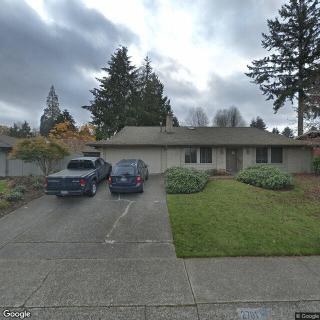
Twin Lakes AFH
$2,400 to $2,700 / month12.2 miles away -
About the same
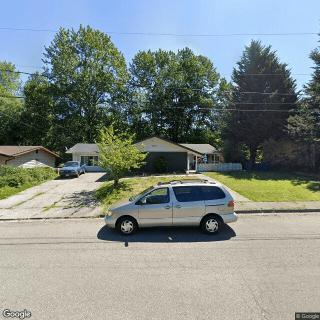
Freedom Care
$2,500 to $3,000 / month0.8 miles away -
from +$75 / mo
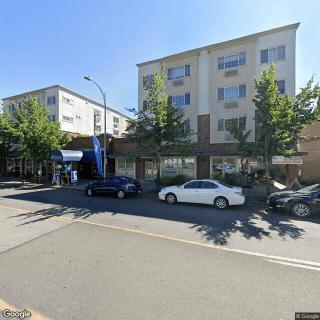
Admiral Heights
$2,575 to $2,975 / month13.0 miles away -
from -$163 / mo
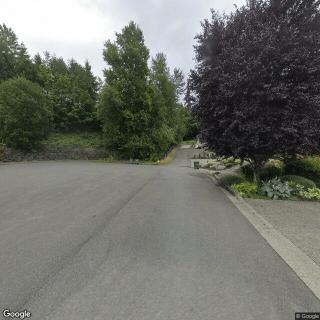
Marine Courte Memory Care
$2,337 to $3,228 / month23.7 miles away -
About the same
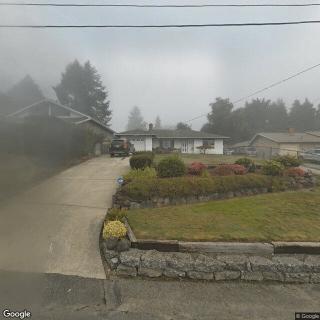
Angel Care Adult Family Home
$2,500 to $3,200 / month3.9 miles away
Overall Review of Emerald Valley Home Care
Pros
 The home provides a real, warm home atmosphere, not a hospital setting.
- Eugen is one of the most caring and patient caregivers.
- The staff are friendly, communicative, and exceptionally caring.
- The home is kept clean and well maintained with excellent care.
- Residents are treated with kindness and respect.
- Promises are kept and care is thoughtful and attentive.
- Families feel at ease knowing their loved ones are in a loving, home-like environment.
- The care is professional, compassionate, and consistently high quality.
Cons
 He was not getting the attention and care he needed at the prior assisted-living facility.
- They couldn't say the same about other homes they visited.
Review
Emerald Valley Home Care in Renton is best suited for families seeking a small, home-like setting where seniors receive highly personalized, attentive care delivered by a stable, family-driven team. The environment feels like a true home rather than an institution, and that quality matters for residents who thrive on familiar routines, respectful interactions, and a sense of belonging. The strongest value is the emotional quality of care: caregivers know residents well, communicate openly with families, and maintain a calm, welcoming atmosphere that reduces anxiety and loneliness. For seniors with memory challenges or Parkinson’s who benefit from steady companionship and gentle supervision, this setting often yields more comfort and continuity than larger, more clinical facilities. End-of-life care is managed with dignity in a homelike context, offering families reassurance during deeply personal moments.
Those who may want to consider alternatives are families prioritizing intensive medical oversight or highly specialized programming. If 24/7 on-site nursing, rapid access to a full medical team, or highly structured memory-care protocols are non-negotiable, a larger licensed facility or a dementia-focused community may better meet those needs. The same applies if the desired environment includes a broader range of on-site activities, diversified therapy options, or more formal care management for complex clinical conditions. In short, this setting excels on warmth and hands-on, individualized attention, but it is not designed to mimic a hospital or provide the breadth of clinical services found in bigger operations.
The core pros, home atmosphere, cleanliness, and consistently compassionate staff, largely offset the potential gaps in medical infrastructure. The home’s cleanliness and the staff’s professionalism create daily confidence that residents are well cared for. Frequent, clear communication with families reduces uncertainty and helps coordinate care plans, especially when hospice or end-of-life arrangements are involved. Owner involvement is a notable strength: Eugen and his family are described as present, attentive, and reliable, delivering on promises and maintaining a stable caregiving team. For families who want to feel known, respected, and actively supported through the caregiving journey, these factors often compensate for the absence of large-scale medical resources.
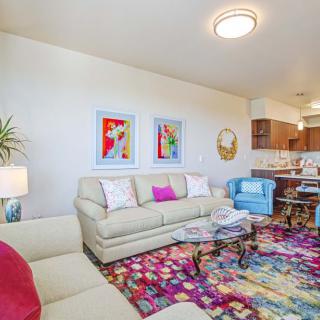
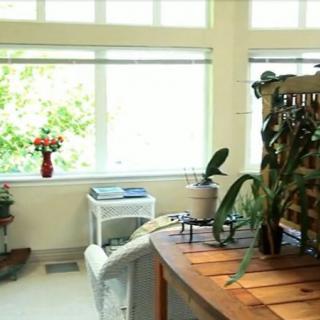
From a practical evaluation standpoint, prospective families should gauge how the home handles memory support and Parkinson’s-related needs within its smaller framework. Ask about the specific medical oversight available after hours, the track record for managing symptom escalation, and how hospice services are coordinated. Inquire about staffing hours, staff training, and how daily routines are adapted to individual preferences. Crucially, verify that the environment continues to feel bright, clean, and welcoming across rooms and common areas, and observe how caregivers interact not only with the resident but with visitors. The reviews consistently point to a culture of respect, dignity, and proactive communication, which can be a decisive factor for anxious families seeking peace of mind.
The bottom-line recommendation centers on fit. Emerald Valley Home Care is a compelling choice for families seeking a heartfelt, home-forward care experience where residents feel cherished, and where families can count on steady communication and a trustworthy, hands-on operator. It is especially well-suited for seniors who do not require intensive hospital-level medical services but do benefit from a nurturing environment, reliable routines, and a strong sense of belonging. Those needing robust clinical support, large-scale programming, or expansive specialized memory-care resources should consider alternatives with greater on-site medical capacity. For families exploring options, a visit to meet Eugen and observe the daily rhythm is essential, trust, warmth, and clear, collaborative care plans will reveal whether this small, intimate home is the right match.
 Board and Care Home
 Indoor common areas
 Outdoor common areas
 Private
 Private bathrooms
 Wheelchair accessible showers
 Seattle-Tacoma International (5 miles away)
 Ambulatory care
 Incontinence care
 Kosher
 Christian services
 Top Cars for Senior Drivers and Essential Safety Innovations
 A Closer Look at Private Pay Home Care
 Comprehensive Approaches for Arthritis: A Detailed Guide to Symptoms, Causes, and Care