

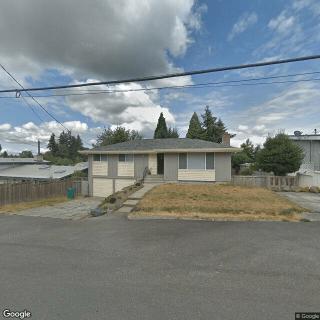
8213 S. 116th Street, Seattle, WA 98178
To contact a resident: (206) 772-1670
For more information about senior living options: (866) 208-4318
Valley Care Adult Family Home Costs & Pricing
Valley Care Adult Family Home offers competitive pricing for its residents compared to averages in King County and the broader state of Washington. The monthly cost for a one-bedroom accommodation is $4,000, which is significantly lower than the King County average of $5,127 and slightly below the state average of $4,632. For those seeking private rooms, Valley Care charges $4,500 - slightly above the county's average of $5,034 but more affordable than the statewide figure of $4,772. Meanwhile, their semi-private rooms also come at a cost of $4,500 each month; while this is higher than the county's average of $4,430 and considerably above the state average of $4,267. Overall, Valley Care presents a range of options that cater to different needs while remaining mindful of budget considerations within the local context.
| Floor plans | Valley Care Adult Family Home | King County | Washington |
|---|---|---|---|
| 1 Bedroom | $4,000 | $5,127 | $4,634 |
| Private | $4,500 | $5,034 | $4,774 |
| Semi-Private | $4,500 | $4,430 | $4,272 |
Memory care communities with a similar price nearby
-
from -$500 / mo
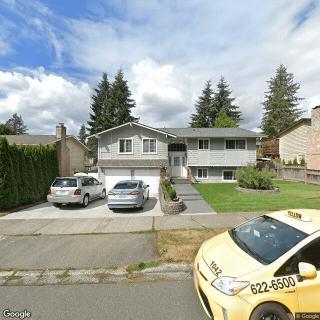
Dignity Life
$3,500 / month23.5 miles away -
from -$625 / mo
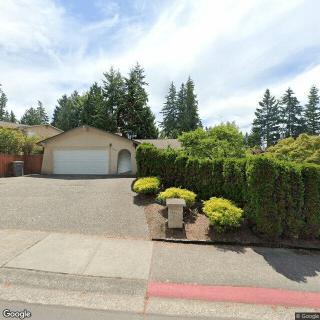
Evergreen Manor Senior Care Inc
$3,375 to $7,500 / month13.9 miles away -
About the same

Riverton Home Care
$4,000 to $5,000 / month3.3 miles away -
About the same
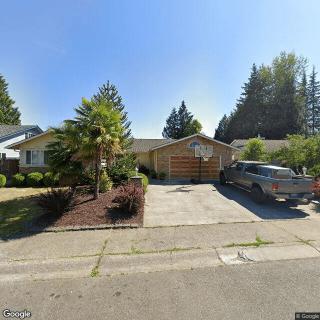
Gentle Care Home
$4,000 to $5,500 / month5.7 miles away -
from -$500 / mo

Twin Lakes Haven Adult Family Home
$3,500 to $8,000 / month14.0 miles away
Overall Review of Valley Care Adult Family Home
Pros
 The staff are great and professional.
- The care and staff quality are excellent and highly recommended.
- The owners deeply care for residents and staff.
- The environment is welcoming, with friendly residents and attentive caregivers.
- The facility feels clean, well-kept, and pleasantly smelling, like a family atmosphere.
- Residents are happy, and many have long tenures with the community.
- The staff are very friendly and provide useful information to visitors.
- It is a great place to work, thanks to supportive ownership and a positive culture.
Cons
 The reviewer felt that nothing here felt right.
- The staff were described as servile.
Review
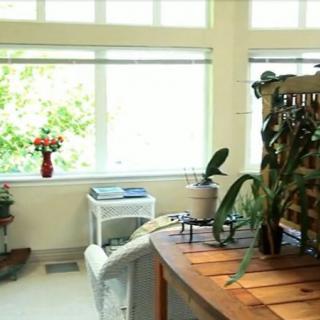
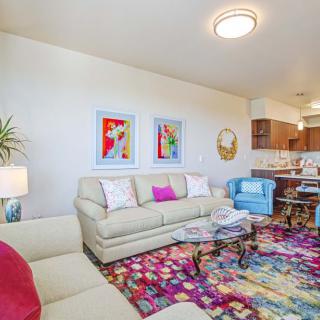
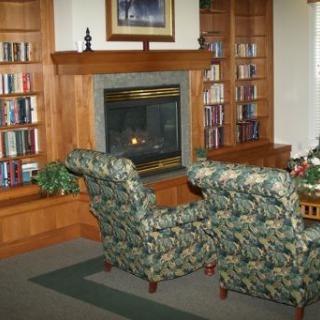
Valley Care Adult Family Home in Seattle is best suited for seniors who want an intimate, home-like setting where care feels personal and consistent. It clearly serves residents who thrive on small-scale operations, where caregivers know each resident’s routine, preferences, and medical history. The reviews repeatedly praise a professional team, caring owners, and a warm, family-friendly atmosphere, suggesting a setting where residents are treated like neighbors more than clients. Those who value clean, well-kept spaces, good meals, and a sense of community will likely feel at home here, with long-tenured residents further underscoring stability.
However, alternatives make sense for families seeking expansive amenities or heavier medical oversight. Valley Care operates as an adult family home rather than a large assisted living campus, so residents needing substantial on-site nursing, complex memory care, or frequent medical coordination may find limited programming or staffing coverage for specialized needs. One skeptical review signals that not every prospective family will share the same comfort or fit, an important reminder to verify personal expectations during a visit. For those prioritizing social activities, routine outings, or a wider array of therapists, a larger community could better satisfy those desires.
On the upside, the core strengths create a strong counterweight to the few potential drawbacks. The staff is repeatedly described as excellent and professional, with owners who deeply care for residents and staff alike. This translates into reliable daily care, attentive oversight, and a culture where residents appear happy and engaged. Cleanliness and a tangible sense of warmth, “the place smells good” and feels well kept, build trust before any tour ends. The combination of delicious meals, friendly residents, and long-tenured households signals not only quality care but also ongoing satisfaction and low churn, which reduces the stress often felt when moving a loved one.
Those factors collectively establish a protective layer around residents: consistent caregiving, open leadership, and a cohesive community where residents treat each other like family. The notable turnover risk that can plague larger facilities is mitigated here by the stable ownership and long-standing staff relationships. A resident population that has stayed for five to six years or more implies that people are both content and well cared-for, which matters when medical needs evolve. While no setting is perfect, Valley Care’s strengths tend to offset typical concerns about pace, attention, and engagement, making it a reliable choice for many families.
Practical due diligence during a visit will sharpen the decision. Prospective families should request a current care plan, observe a meal service, and speak with direct caregivers about daily routines, including medication management and response times. Inquire about the scope of medical oversight on site and how staff collaborates with external physicians or pharmacists. Ask about activities, transportation, and opportunities for family involvement, even if the community is smaller in scale. The reported excellence in food and convivial resident interactions should be tested during a sample meal and a walk through common areas to confirm that the atmosphere matches expectations.
The verdict is clear: Valley Care Adult Family Home offers a compelling option for families seeking a warm, well-run, small-community atmosphere in Seattle. It excels when the priority is intimate care, strong leadership, a clean environment, and clearly happy residents. Those who need robust medical programming, large-scale amenities, or extensive memory-care support should consider alternatives that can deliver more structured supervision. Above all, the rare negative sentiment should not be dismissed, but weighed against the overwhelming positive consensus and the practical indicators of quality care. A scheduled visit will reveal whether the home-like charm translates into reliable, day-to-day security for a loved one.
 Board and Care Home
 Memory Care
 Cats allowed
 Dogs allowed
 Activities off-site
 Bath tubs
 Beautician on-site
 Indoor common areas
 Outdoor common areas
 Private
 Respite or short term stays offered
 Wheelchair accessible showers
 Seattle-Tacoma International (5 miles away)
 Diabetic care
 High acuity care
 Incontinence care
 Medication management
 Kosher
 Sensory-based programs
 5 Early Indicators of Dementia and What You Can Do
 8 Important Indicators That Memory Care May Be Necessary
 Delving into the Inner World of Dementia: Insights into Thoughts and Awareness