
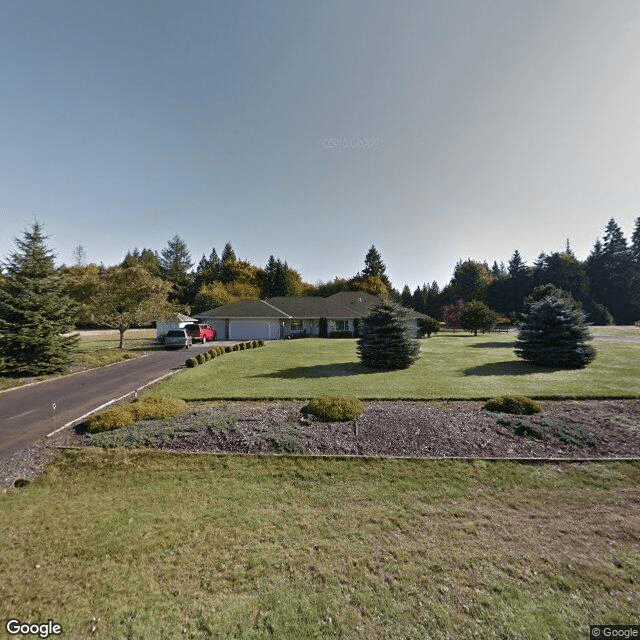
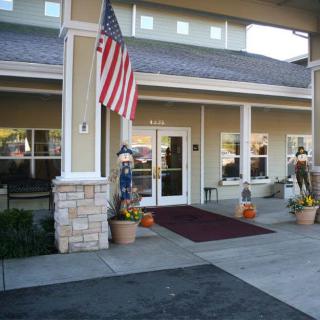
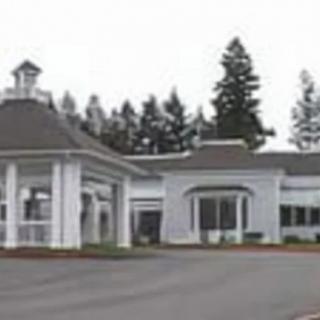
7424 Kenzi St SE, Olympia, WA 98513
To contact a resident: (214) 500-5855
For more information about senior living options: (866) 208-4318
Canterwoods Estate AFH Costs & Pricing
Canterwoods Estate AFH offers competitive pricing for assisted living accommodations when compared to both Thurston County and the broader Washington state market. For a semi-private room, residents can expect to pay $4,000 per month, which is notably lower than the county average of $4,280 and just slightly below the state average of $4,267. Private rooms are priced at $4,500, again more affordable than the county's median of $4,532 and significantly less than the state average of $4,772. However, in terms of studios and one-bedroom apartments, Canterwoods Estate's rates are higher; both studio and 1-bedroom options are set at $5,500, surpassing county rates of $4,131 and $4,085 respectively. Overall, Canterwoods Estate AFH positions itself as an appealing choice for prospective residents seeking value in shared accommodations while providing a unique offering for those preferring larger private spaces.
| Floor plans | Canterwoods Estate AFH | Thurston County | Washington |
|---|---|---|---|
| Semi-Private | $4,000 | $4,280 | $4,272 |
| Private | $4,500 | $4,532 | $4,774 |
| Studio | $5,500 | $4,131 | $4,128 |
| 1 Bedroom | $5,500 | $4,085 | $4,634 |
Memory care communities with a similar price nearby
-
from -$500 / mo

Brooks Blessings Adult Family Home
$3,500 to $5,500 / month14.1 miles away -
About the same
House of Hope AFH
$3,975 to $7,500 / month19.7 miles away -
About the same
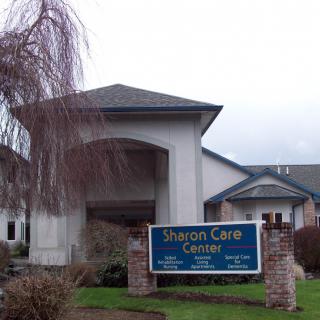
Sharon Care Center
$4,077 to $5,384 / month19.3 miles away -
from -$605 / mo
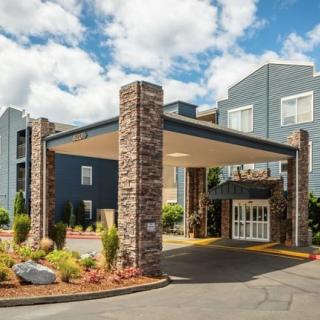
Cogir at The Narrows Tacoma Assisted Living
$3,395 to $4,695 / month22.2 miles away -
from +$500 / mo
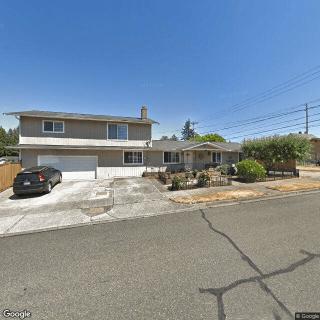
The Arbor Rose AFH
$4,500 / month23.7 miles away
Overall Review of Canterwoods Estate AFH
Pros
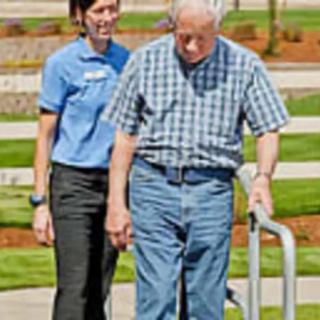
 The staff consistently demonstrates genuine compassion, patience, and respect.
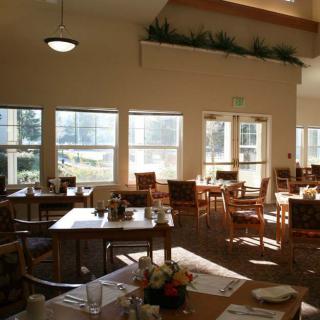
- The home feels warm, welcoming, and serene with ample natural light.
- The caregivers attend to every need with professionalism and heartfelt care.
- Residents feel safe, comfortable, and well cared for in Canterwood Estates AFH.
- Families appreciate being kept informed with regular health updates and open communication.
- The meals are healthy and home-cooked, with the comforting aroma of good food.
- Residents benefit from consistent caregivers who already know them, enhancing comfort and trust.
- The setting is clean, peaceful, and well-run, with a strong focus on resident well-being.
- The care is offered at a reasonable price for the quality received.
Cons
 An elderly family member living in Portland suffered several falls and was eventually hospitalized unable to walk.
- There was no longer anything the hospital could do to improve their condition; they were languishing in bed.
- When the time came for the move to Olympia, the family member's condition had deteriorated to the point where it was uncertain whether she would survive the trip.
- The hospital turned to state guardianship in Oregon.
Review
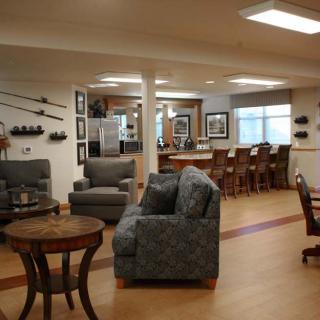
Canterwood Estate AFH is best suited for families seeking a truly intimate, home-like setting where an older adult can receive deeply personal attention, consistent caregiving, and clear, ongoing family communication. This community excels for residents who thrive in a serene, pastoral environment, where rooms are warmly appointed, natural light is plentiful, and the daily rhythm feels less like an institution and more like family life. It is especially strong for those with memory care needs, where long-tenured caregivers , many with well over a decade of experience , can build trusting relationships, maintain routines, and monitor subtle changes with a practiced eye. For families prioritizing safety, dignity, and the feeling of “being cared for” in a cozy home, this AFH delivers with remarkable reliability.
Those weighing alternatives should consider how much on-site clinical complexity is required. If a loved one needs hospital-like resources, full-time on-site physicians, aggressive rehab programs, or frequent skilled nursing interventions, a larger facility with a more robust medical footprint may be a better fit. Prospective residents who crave structured programming, highly visible 24/7 medical oversight, or more expansive social calendars could find the more intimate Canterwood setting too quiet or resource-constrained. In short, this community shines where personalized attention and a contained, homelike atmosphere are the top priorities, and it is prudent to look elsewhere if advanced medical infrastructure is non-negotiable.
The strongest positives here center on care quality and the atmosphere of the home. Families consistently praise the compassionate, patient, and respectful staff who treat residents like members of the family. The consistent caregiver team translates to steady routines, fewer unfamiliar faces, and the kind of continuity that helps dementia residents feel secure. The environment itself reinforces this strength: clean, peaceful rooms with ample greenery and light, a kitchen that smells of home-cooked meals, and a setting that feels less like a facility and more like a cared-for residence. Staff communication with families is frequent and candid, providing reassurance about health changes, daily progress, and any concerns as they arise.
The remaining advantages, personalized attention, safety, and the sense of being cherished, create a powerful offset for the setting’s smaller scale. The ability to tailor care to individual preferences, accommodate special needs, and keep a loved one comfortable for extended periods often surpasses what a larger campus might offer. Residents appear well-supported in daily activities, with a focus on dignity and comfort, as well as timely hospice or end-of-life care when appropriate. The pastoral, quiet environment reduces triggers common in bigger facilities, making it easier for families to entrust long-term care to a team that already feels like an extended family.
What potential downsides exist, and how do they matter in real decision-making? The principal consideration is the limited breadth of medical resources. For someone who requires high-acuity nursing, constant on-site medical attention, or extensive physical rehabilitation, Canterwood’s size means care relies more on coordinated external services than on-site specialists. This is not a critique so much as a reality of the model: the strength is personal, not institutional. Families should assess current and anticipated needs against the home’s capacity, and verify how urgent medical concerns are addressed, who makes decisions when a physician isn’t immediately available, and how rapidly changes can be accommodated.
In the end, Canterwood Estate AFH is a compelling choice for families seeking a true home environment with deeply personal care, consistent caregivers, and honest, ongoing family engagement. It works best for residents who want warmth over clinical spectacle and who value a peaceful, tidy setting where staff know every preference and routine. Families with higher medical needs, or those requiring a hospital-like level of on-site care, should compare options that offer more extensive clinical services. For many, the alignment between mission and reality here is strong enough to justify the move; for others, a larger, more medically oriented community may better meet evolving health demands.
 Board and Care Home
 Memory Care
 Activities on-site
 Beautician on-site
 Indoor common areas
 Outdoor common areas
 Private
 Private bathrooms
 Wheelchair accessible showers
 Ambulatory care
 Diabetic care
 High acuity care
 Incontinence care
 Medication management
 Kosher

 Comprehensive Insights on the Late Stages of Dementia: What to Expect and How to Provide Care
 Medications Associated with Dementia Risk: A Comprehensive Overview
 Guiding Your Journey: Understanding Power of Attorney for Elderly Parents