

12170 Spanaway Loop Rd. S, Tacoma, WA 98444
To contact a resident: (253) 539-7233
For more information about senior living options: (866) 208-4318
Caring Hands AFH LLC Costs & Pricing
Caring Hands AFH LLC offers competitive pricing in comparison to both Pierce County and the broader Washington state averages. With a cost of $3,000 per month for private rooms and studios, it significantly undercuts the county's average of $4,623 for private accommodations and $4,039 for studios. For those seeking larger spaces, Caring Hands provides one-bedroom units at $4,000, which still remains below the regional average of $4,456. This pricing strategy reflects Caring Hands AFH LLC's commitment to delivering quality care while ensuring affordability for its residents. Overall, their costs position them as an appealing option for individuals seeking assisted living solutions within the area.
| Floor plans | Caring Hands AFH LLC | Pierce County | Washington |
|---|---|---|---|
| Private | $3,000 | $4,623 | $4,774 |
| Studio | $3,000 | $4,039 | $4,128 |
| 1 Bedroom | $4,000 | $4,456 | $4,634 |
Memory care communities with a similar price nearby
-
About the same
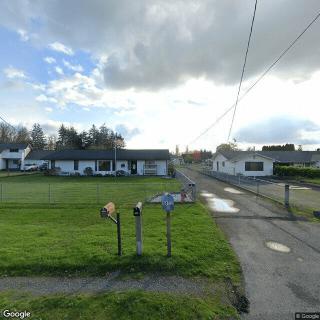
Hummingbird Homecare
$3,000 / month13.0 miles away -
About the same
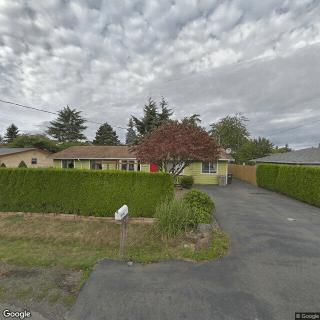
Home Care in Kent Inc.
$3,000 to $3,500 / month20.5 miles away -
from +$500 / mo

Twin Lakes Haven Adult Family Home
$3,500 to $8,000 / month12.7 miles away -
from -$500 / mo
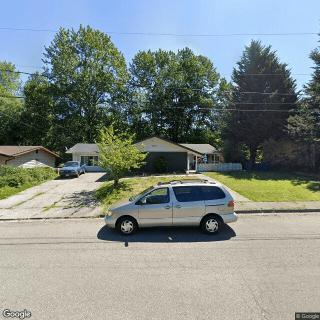
Freedom Care
$2,500 to $3,000 / month23.9 miles away -
from +$500 / mo
Ahadi Care Adult Family Home
$3,500 to $4,000 / month9.1 miles away
Overall Review of Caring Hands AFH LLC
Pros
 It is the best AFH experience for loved ones, offering patient and loving care.
- It is a truly golden place for the golden years.
- It is a nice, clean home with high-standard care.
- It is beautiful, calm and homely, where one can find inner peace.
- The caregivers are truly golden.
- It is a very clean family home, warm and welcoming, where residents don’t want to leave; it reflects how a home should be—peaceful.
Review
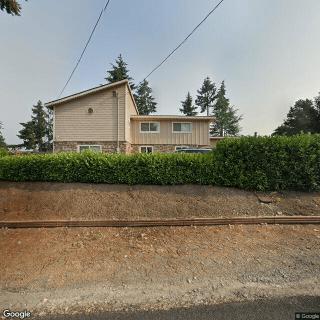
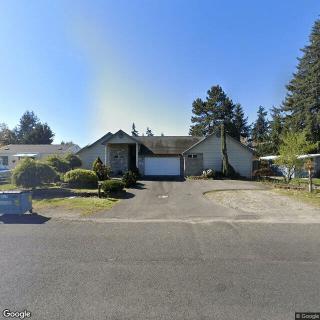
Caring Hands AFH LLC in Tacoma is best suited for seniors who crave a truly home-like, low-stimulation environment where personalized, patient care feels almost familial. The strongest signals from the reviews describe a setting that is clean, beautiful, calm, and intimate, a place where residents are treated with consistent warmth and genuine regard. It’s a home rather than a facility, and that distinction shows in phrases like “warm and welcoming,” “inner peace,” and a day-to-day rhythm that feels peaceful rather than clinical. For families prioritizing companionship, dignity, and a sense of belonging, this community offers a compelling fit that reduces the stress often associated with transitions into care.
Those considering alternatives should note that this model may not satisfy every need. For residents requiring robust, hospital-level medical oversight, 24/7 nursing, or highly structured programming with a broad array of on-site therapies, a larger assisted living community or a specialized memory care setting could be more appropriate. The small, home-based structure naturally emphasizes personal attention and a calm pace, which is excellent for many, but it can limit the breadth of medical resources and the breadth of activities found in bigger campuses. Families should be clear about whether their loved one’s care needs align with a smaller, intimate home rather than a more expansive, resource-rich environment.
The core advantages, patient, loving care and a clean, high-standard living space, do substantial work in offsetting the lack of scale. The reviewers repeatedly highlight caregivers who treat residents with care and tenderness, and they emphasize a setting that feels peaceful and “golden,” reinforcing the sense of safety and comfort. In practice, this translates to consistent staffing, attentive daily routines, and a living space that supports dignity and autonomy. The homelike atmosphere also reduces relocation anxiety for both residents and families, making it easier to maintain routines, meals, and social connections in a familiar, comforting context.
That home-centric approach also multiplies benefits in daily life. A smaller footprint often means easier access to caregivers, more intimate staff-resident relationships, and quicker adjustments to changing needs. For families, it can mean more meaningful involvement in care planning, meal preferences, and activity choices, since staff members are attuned to individual histories and preferences. The downside, if it is one, centers on the potential limitations around specialized services or continuous medical supervision; however, for many seniors who value serenity, privacy, and consistent warmth, these trade-offs are clearly outweighed by the advantages of a dignified, homelike lifestyle.
From a decision-making standpoint, best-fit criteria emerge clearly. Begin with a trial or multiple visits to observe how staff interact with residents and how residents respond to the environment. Inquire about daily routines, meals, sleeping schedules, mobility support, and medication administration, and ask how family members participate in planning and updates. Look for transparency around pricing, what is included in the care plan, and how transitions are managed if needs evolve. Consider whether the resident’s personality and preferences align with a setting that emphasizes peace, routine, and close-knit caregiver relationships rather than breadth of programming or on-site clinical services.
In sum, Caring Hands AFH LLC stands out for seniors who value a tranquil, dignified home atmosphere, where the care relationships feel intimate and consistently attentive. It is an especially strong match for those who prize inner peace, clean surroundings, and a welcoming, family-like vibe over a more clinical or large-scale environment. Families whose loved ones require extensive medical services, or who seek a bustling calendar of activities and on-site specialists, should weigh alternatives that provide greater medical breadth. For a senior ready to embrace a calm, respectful, and warmly personalized setting in Tacoma, this community offers a clear, confident path to a comfortable chapter of life.
 Board and Care Home
 Memory Care
 Private
 Seattle-Tacoma International (22 miles away)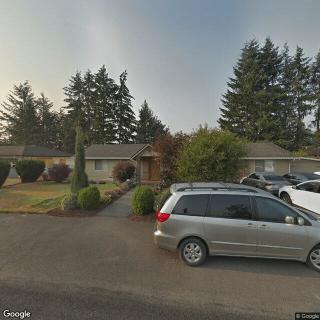

 Understanding Dementia Behaviors: Practical Insights and Strategies for Caregivers
 When Dementia Sparks Anger and Aggression: Understanding the Connection and Ways to Cope
 Dementia Behaviors: In-Depth Understanding and Effective Coping Strategies