
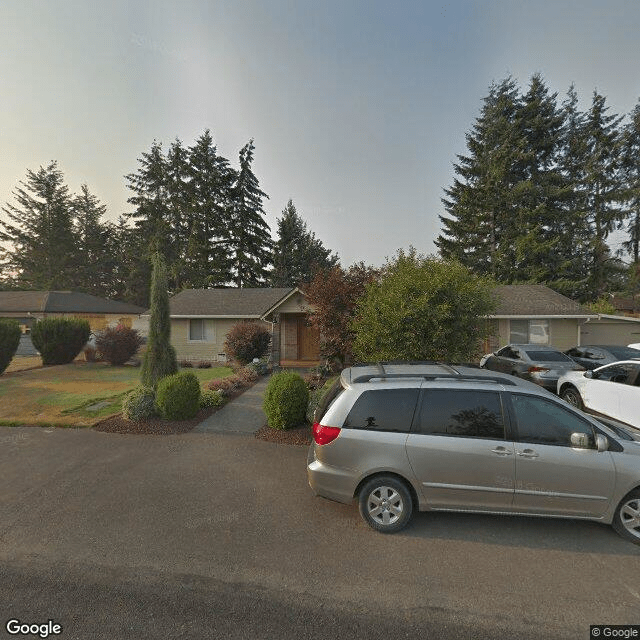
1210 129th St. S, Tacoma, WA 98444
To contact a resident: (253) 439-8213
For more information about senior living options: (866) 208-4318
Bethany AFH Costs & Pricing
At Bethany Adult Family Home (AFH), the monthly costs for accommodations reflect a premium compared to both Pierce County and the broader state of Washington. For instance, the semi-private rooms are priced at $6,000, significantly higher than the county average of $4,264 and the state average of $4,267. Similarly, both studio and one-bedroom options are set at $6,500, juxtaposed against lower averages of $4,039 (county) and $4,126 (state) for studios, while one-bedrooms generally average $4,456 in Pierce County and $4,632 statewide. Even private rooms at Bethany AFH maintain this trend at $6,500 compared to county averages of $4,623 and state figures around $4,772. Ultimately, these costs suggest that residents may be investing in superior amenities or personalized care services that set Bethany apart from its local competitors.
| Floor plans | Bethany AFH | Pierce County | Washington |
|---|---|---|---|
| Semi-Private | $6,000 | $4,264 | $4,272 |
| Studio | $6,500 | $4,039 | $4,128 |
| 1 Bedroom | $6,500 | $4,456 | $4,634 |
| Private | $6,500 | $4,623 | $4,774 |
Memory care communities with a similar price nearby
-
from -$500 / mo

Twin Lake Adult Family Home
$5,500 to $6,500 / month11.9 miles away -
from +$500 / mo
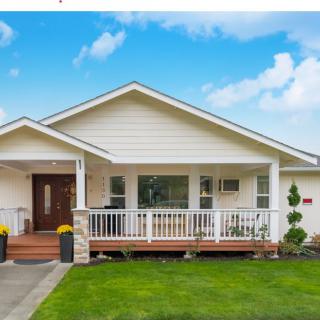
Silver Creek Adult Family Home
$6,500 to $7,000 / month7.2 miles away -
About the same

Harbor View Adult Family Home
$6,000 to $6,500 / month10.9 miles away -
from +$500 / mo
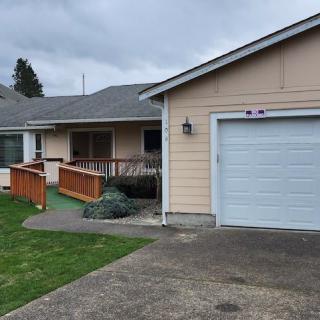
Homebridge Adult Family Home
$6,500 to $8,000 / month1.9 miles away -
from -$1000 / mo
Peace and Pleasant Care Adult Family Home II
$5,000 to $6,000 / month19.6 miles away
Overall Review of Bethany AFH
Pros
 The home is exceptional.
- It is obvious that their clients love being there.
- The reviewer will be sharing this with their mom.
Review
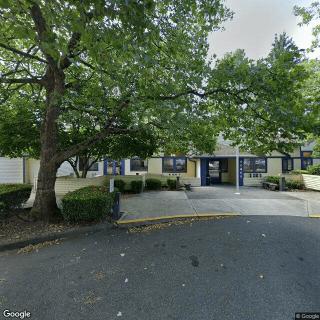
Bethany AFH in Tacoma is best suited for seniors who thrive in a small, home-like setting where staff cultivate close, everyday connections and residents enjoy a warm, family-style atmosphere. This community is especially appropriate for individuals who prioritize personalized attention, predictable routines, and a feeling of safety and belonging over large-scale amenities. Families seeking a personable environment where care feels intimate and staff members are consistently visible will find Bethany AFH aligns well with those values.
From the available impressions, the environment stands out as exceptional and clearly loved by its residents. The strongest signal is emotional: a homey, respectful vibe that translates into residents appearing content and engaged. For families, that translates into reassurance that a loved one will be treated with warmth and recognized as a person first, not simply as a resident. The narratives emphasize tangible affection, meaningful daily interactions, and a sense that the community “feels right,” which is hard to achieve in larger, more clinical settings.
Explicitly, some families may want to consider alternatives. Those whose loved ones require heavy-duty medical oversight around the clock, extensive memory-care protocols, or a broad spectrum of on-site therapies may be better served elsewhere. A larger campus with embedded rehab services, a wider calendar of structured activities, or specialized dementia programming could reduce the need to shuttle between providers. Additionally, families with high acuity needs or a preference for robust social programming and on-site healthcare resources may find more comprehensive options more predictable for long-term planning.
The key pros, an intimate, home-like ambiance, evident resident satisfaction, and easy access to caregivers, offset several potential drawbacks inherent in smaller homes. The warmth and responsiveness associated with a tight-knit staff can compensate for fewer formal programs or amenities when the priority is meaningful daily life and relationship-driven care. In this light, Bethany AFH delivers a compelling value: emotionally fulfilling days, familiar routines, and a sense of belonging that can ease transitions for both seniors and their families.
Nevertheless, one practical lens remains essential. Families should seek specifics on what care levels are actually available on-site, how staffing coverage is structured, and what medical or rehabilitative supports can be provided without transfers off-premises. Visiting at different times, meeting frontline caregivers, and reviewing a sample activity slate can reveal whether the promised warmth translates into consistent, reliable care across weekends and evenings. Clarifying meals, assistance with activities of daily living, and how emergencies are handled will shape whether the pros meet the day-to-day needs.
Bottom line: Bethany AFH offers a compelling choice for families prioritizing a small, homelike setting with evident resident happiness and strong caregiver relationships. It is a sound fit for seniors who value personal attention, stability, and a community where people know one another. For those requiring extensive on-site medical services, aggressive dementia programming, or a dense activity calendar, alternatives, such as larger assisted living communities or specialized memory-care environments, deserve consideration. With clear expectations about staffing, services, and care continuity, Bethany AFH can be the right home where comfort, connection, and daily quality of life are the primary commitments.
 Board and Care Home
 Memory Care
 Activities off-site
 Beautician on-site
 Devotional services on-site
 Indoor common areas
 Outdoor common areas
 Private
 Private bathrooms
 Respite or short term stays offered
 Wheelchair accessible showers
 Seattle-Tacoma International (22 miles away)
 Ambulatory care
 Diabetic care
 High acuity care
 Incontinence care
 Medication management
 Kosher
 Christian services

 Understanding Dementia Through Its Seven Stages: A Comprehensive Look at Progression and Expectations
 A Holistic Dementia Care Guide: Effective Strategies for Memory Support
 Memory Care Pathways: A Holistic Guide to Dementia Support