


4820 South Oakes Street, Tacoma, WA 98409
To contact a resident: (253) 476-1432
For more information about senior living options: (866) 208-4318
Best of Oakes Adult Family Home Costs & Pricing
Best of Oakes Adult Family Home offers competitive pricing for its various living arrangements compared to the average costs in Pierce County and across Washington State. For a semi-private room, residents can expect a monthly fee of $4,500, which is slightly above the county's average of $4,264 and very close to the state average of $4,267. Private rooms are available at $5,000 per month, positioning them higher than both the county rate of $4,623 and the state average of $4,772. The studio option at Best of Oakes is priced at $5,500 - significantly more than the county's average of $4,039 and the state's figure of $4,126. Lastly, for those seeking a one-bedroom accommodation, the cost is set at $7,000 per month, which considerably exceeds both the county ($4,456) and state ($4,632) averages. This pricing structure reflects Best of Oakes' commitment to providing quality care and amenities that justify its higher rates in comparison to local standards.
| Floor plans | Best of Oakes Adult Family Home | Pierce County | Washington |
|---|---|---|---|
| Semi-Private | $4,500 | $4,264 | $4,272 |
| Private | $5,000 | $4,623 | $4,774 |
| Studio | $5,500 | $4,039 | $4,128 |
| 1 Bedroom | $7,000 | $4,456 | $4,634 |
Memory care communities with a similar price nearby
-
from -$500 / mo

Riverton Home Care
$4,000 to $5,000 / month20.1 miles away -
from -$500 / mo

Canterwoods Estate AFH
$4,000 to $5,500 / month22.1 miles away -
from -$500 / mo
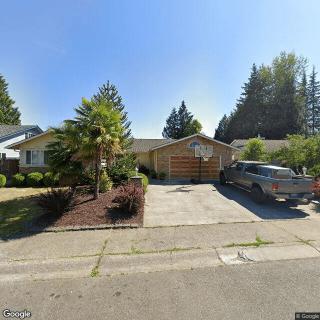
Gentle Care Home
$4,000 to $5,500 / month23.0 miles away -
from +$500 / mo

Peace and Pleasant Care Adult Family Home II
$5,000 to $6,000 / month15.9 miles away -
from -$195 / mo

Penrose Harbor at Heron's Key
$4,305 to $7,332 / month10.2 miles away
Overall Review of Best of Oakes Adult Family Home
Pros
 The staff were very friendly.
- The home was cheery, delightful, and clean.
- The dinner smelled good.
- The staff were very kind.
Cons
 So sad they are full at this time.
- They would not be a good fit for my mom.
Review
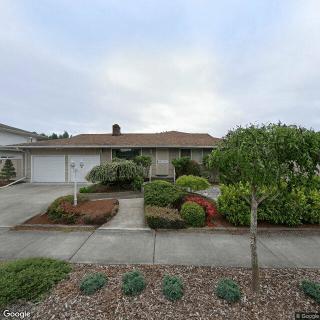
Best of Oakes Adult Family Home in Tacoma is best suited for seniors who thrive in a small, home-like setting where personal attention and a warm, neighborly atmosphere are prioritized. This community suits residents who value cleanliness, cheerful day-to-day energy, and staff who feel more like trusted helpers than distant caregivers. It is ideal for individuals who don’t require heavy clinical oversight or hospital-level services but appreciate reliable assistance with daily activities, comfortable meals, and a sense of belonging in a tight-knit household. Families seeking a calm, intimate alternative to larger campuses will find this setting appealing, especially when a personal touch and everyday warmth are the priority.
That said, there are practical considerations that constrain who should move forward here. The most significant hurdle is occupancy, the house is currently full, which translates to a wait-and-see approach rather than immediate placement. For seniors needing rapid admission, this is a meaningful obstacle and may push families toward options with open beds. More intensive medical needs, complex memory support, or round-the-clock skilled nursing typically require settings designed for higher acuity; in those cases, larger assisted living communities or specialized facilities are likely better matches. Prospects should anticipate evaluating alternative choices if speed and level of care are nonnegotiable.
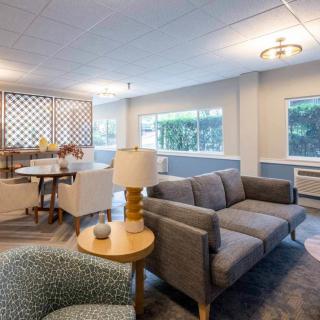
On the upside, the clear, repeated positives create a compelling case for many families. Reviewers consistently highlight friendly, approachable staff and a home that feels cheery and welcoming. Cleanliness stands out as a visible reassurance, and mealtime experiences are described as promising, with aromas that suggest thoughtful, home-cooked offerings. These factors translate into daily comfort, reduced anxiety for both resident and family, and a sense of safety born from consistent, personable attention. For seniors who value a lived-in feel and predictable routines, the atmosphere itself becomes a meaningful form of care.
The main drawbacks are modest but real. The occupancy barrier compounds the reality that placement may require patience and flexible timing. One reviewer noted a potential mismatch between the home’s approach and their mom’s particular needs or preferences, underscoring the importance of fit in a small setting where staff can tailor interactions but cannot always overhaul routines. Families should weigh whether the warmth and cleanliness can compensate for any misalignment in personal care style, activity level, or the pace of daily living. In short, compatibility with individual care expectations matters more here than in a larger, more impersonal environment.
When the positives outweigh the negatives, the benefits become tangible safeguards: a small, friendly team delivering consistent attention, a meticulously cared-for living space, and meals that feel thoughtfully prepared. Those advantages can compensate for the lack of immediate availability by offering a level of intimate accountability and flexibility that larger facilities often struggle to replicate. Families planning ahead will find value in the chance to join a waitlist with the confidence that when a bed opens, care tends to begin in a setting that fosters connection rather than isolation. The human touch matters immensely in the day-to-day experience of aging at home.
The bottom-line guidance is practical and clear. Best of Oakes Adult Family Home serves well for families seeking a warm, intimate, well-kept environment and who can tolerate or plan around potential wait times. It is particularly well-suited for residents who prize social contact, light but steady supervision, and a home-like rhythm more than clinical intensity. For those requiring immediate placement or robust, high-acuity support, or for families who prioritize rapid access to services, exploring alternatives, whether larger assisted living communities or facilities with dedicated memory care, is advisable. A thoughtful tour and direct questions about bed availability, care planning, and how personal routines are accommodated will determine if this small-house option aligns with the senior’s needs and the family’s timeline.
 Board and Care Home
 Memory Care
 Activities off-site
 Bath tubs
 Beautician on-site
 Devotional services off-site
 Indoor common areas
 Outdoor common areas
 Private
 Private bathrooms
 Respite or short term stays offered
 Wheelchair accessible showers
 Seattle-Tacoma International (18 miles away)
 Ambulatory care
 Diabetic care
 High acuity care
 Incontinence care
 Medication management
 Kosher


 Guiding Your Journey: Understanding Power of Attorney for Elderly Parents
 22 Remarkable Caregiver Support Groups Available Online and In-Person
 Understanding Medicaid Coverage for Assisted Living: A Comprehensive Guide