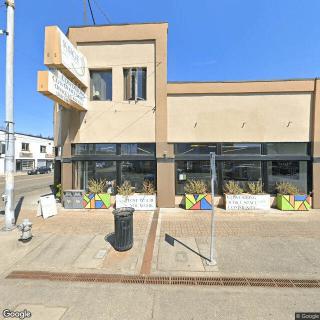
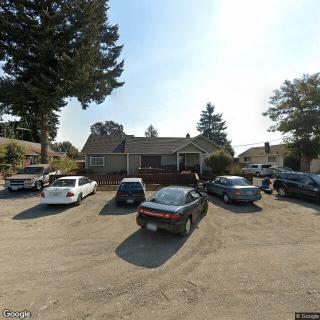
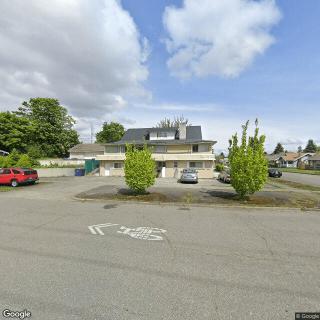
Heartwood Extended Health Care in Tacoma, WA
Save
Information last verified:
PO Box 42279, Tacoma, WA 98442
For more information about senior living options: (844) 490-3973
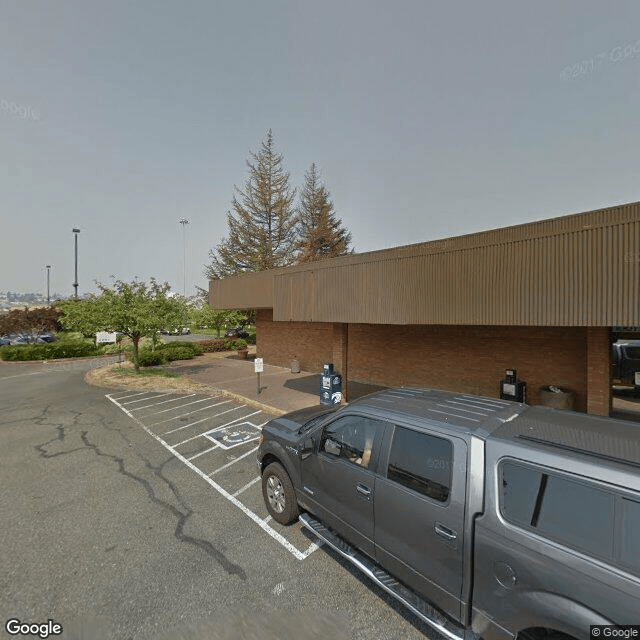
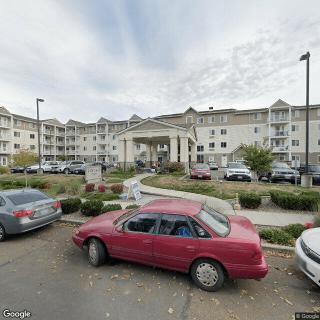
Heartwood Extended Health Care in Tacoma is best suited for families seeking a rehab-forward environment with a lively social scene and a clearly engaged clinical team. The community appears to shine when the goal is rehabilitation followed by a well-supported transition back home, backed by a robust therapy program and a staff culture that residents and families describe as warm, welcoming, and hands-on. For those who prize easy visiting and a sense of “being in a family atmosphere,” Heartwood can feel comfortable and reassuring. The strongest case is for short- or intermediate-stay residents who want meaningful physical and occupational therapy, daily activities, and a director-level presence that appears to take an active interest in care plans. In short, this is a practical fit for families prioritizing responsive rehab services, social engagement, and approachable staff in a facility that still aims to feel homelike.
But there are clear reasons to consider alternatives. Prospective residents with high needs for safety, impeccable infection control, consistent high-touch nursing care, or transparent, reliable administrative communication may want to widen the field. Multiple reviewers flag concerns about chronic understaffing, delayed responses to call bells, and gaps in medication management. Several accounts describe experiences where daily care routines, showering, turning with cushions, catheter care, or even timely pain relief, were inconsistent or poorly documented. For memory care or long-term custodial needs, the repeated mentions of variability in care standards and communication gaps raise the risk profile, suggesting that other communities with stronger track records for continuous staffing and rigorous oversight may be more reliable options. Potential residents who require rigorous supervision, predictable care, and a consistently calm, clean environment may find Heartwood’s inconsistencies challenging.
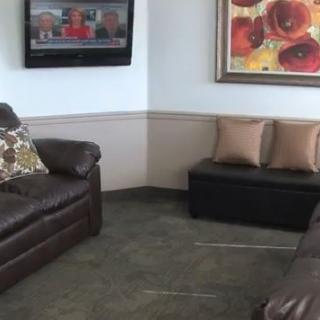
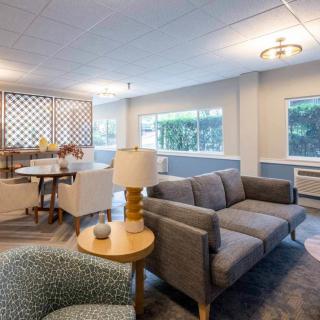
On the positive side, Heartwood offers therapy-focused strengths that many families value. Reviews repeatedly highlight friendly, caring staff and a management presence that is engaged in residents’ day-to-day care. The facility is described as clean, with a layout that supports social interaction and accessible services, including wound care, physical and occupational therapy, and a structured activities program. For residents who respond well to companionship, arts activities, and a social milieu, these elements can meaningfully improve mood and motivation during recovery. The rehab staff, when these services function smoothly, can deliver substantive gains, and several families report positive outcomes from therapy and the personal attention of nurses and aides who connect well with residents. The perception of a supportive, neighborly atmosphere matters to families seeking reassurance that their loved one is known and valued.
However, the negatives are persistent and cannot be dismissed. A substantial portion of reviews describe serious safety and quality concerns: reports of bedsores, inadequate hygiene, inconsistent medication administration, and slow responses to urgent needs. Recollections of short-staffing, high turnover, and frontline fatigue frame care as episodic rather than consistently reliable, which is a disorienting risk for residents dependent on timely assistance. Communication gaps, whether about appointments, care plans, or daily schedules, appear repeatedly, leaving families feeling out of the loop. Complaints about physical plant issues, such as nonfunctional or poorly maintained facilities, limited climate control, and odors in common areas, contribute to a sense of an environment that can undermine comfort and dignity. When these problems surface in multiple reviews, they create a credible caution about long, complex stays or memory-care trajectories.
These pros and cons interact in meaningful ways. For rehab-focused residents, the quality of therapy and the presence of involved nursing leadership can offset many day-to-day irritants, at least in the short term; however, the weight of widespread safety and communication concerns suggests that outcomes may hinge on the specific shift, unit, or caregiver pairing. In other words, Heartwood can deliver strong rehabilitative progress and a friendly, hopeful atmosphere, but that potential is undermined by systemic issues that sometimes surface in critical moments, missed medications, delayed assistance, or ambiguous documentation. Families should recognize that while many residents thrive and express gratitude for compassionate staff, a track record of adverse events and inconsistent care processes cannot be dismissed as isolated incidents. The gulf between ideal experiences and reported struggles matters for anyone weighing a long-term commitment.
For families actively evaluating Heartwood, the path to a sound decision rests on targeted, practical steps. Schedule visitations with an eye toward interactions with nursing leadership and frontline staff during busy and off-peak times to observe response times and tone. Request to see medication administration records, daily care logs, and incident reports; insist on a clear, written care plan tied to measurable goals. Probe the admissions process, especially for rehab, to confirm expected therapy frequency, transportation arrangements for appointments, and coordination with discharge planning. Verify climate control, maintenance condition, and sanitation practices in patients’ rooms and common areas. Speak with current residents and families about communication patterns with the director of nursing and the administrator, and seek direct answers about any past safety concerns and how they were addressed. In the end, Heartwood should be considered a viable option only if an evaluation confirms that rehab potential, staff accessibility, and a genuinely warm resident experience will consistently outpace the facility’s documented gaps in safety, communication, and operational reliability. If any of these core assurances feel uncertain, exploring alternatives with stronger, steadier clinical oversight is the prudent path.
Heartwood Extended Health Care is a premier assisted living community located in the vibrant city of Tacoma, Washington. Situated in close proximity to various amenities and services, residents of Heartwood can enjoy easy access to a plethora of cafes, parks, pharmacies, physicians, restaurants, places of worship, theaters, and hospitals.
The community prides itself on providing exceptional care and support to its residents. With a dedicated team of professionals and staff members who are committed to the well-being and comfort of every individual, Heartwood offers a warm and welcoming environment where seniors can thrive.
For those who enjoy socializing or simply savoring a cup of coffee with friends, there are six cafes conveniently located nearby. Residents can indulge in delicious snacks or spend quality time bonding over their favorite beverages.
Nature enthusiasts will delight in the proximity of four parks surrounding the community. These serene outdoor spaces offer opportunities for peaceful walks, relaxation amidst lush greenery, or engaging in recreational activities surrounded by nature's beauty.
Having 22 pharmacies nearby ensures that residents have convenient access to medications and healthcare supplies whenever needed. Additionally, the presence of 32 physicians guarantees that comprehensive medical care is readily available.
Food lovers will find themselves spoilt for choice with 28 restaurants situated nearby. Whether craving international cuisine or seeking local flavors, residents can satisfy their taste buds while exploring an array of culinary delights.
For those seeking spiritual connection or community engagement, three places of worship provide solace and opportunities for reflection within close reach. Residents can nurture their spiritual needs while fostering meaningful relationships within their chosen faith communities.
Culture enthusiasts will appreciate the two theaters situated nearby. From live performances to movie screenings, residents can immerse themselves in entertainment options that cater to diverse interests.
Lastly, having three hospitals near Heartwood Extended Health Care ensures peace of mind for both residents and their families. In case of any medical emergencies or specialized care requirements arise, prompt medical attention is easily accessible.
With its outstanding location and abundance of nearby amenities, Heartwood Extended Health Care offers a fulfilling and enriching lifestyle for seniors in Tacoma, Washington.
This part of Tacoma, Washington, offers a variety of amenities and services that cater to senior living. With a range of restaurants nearby such as McDonald's, Wendy's, and BJ's Restaurant & Brewhouse, seniors can enjoy convenient dining options. Additionally, there are cafes like Starbucks and Panera Bread for those looking to relax and socialize over coffee or a light meal. Access to physicians and pharmacies within a short distance ensures easy medical care and medication management. The presence of parks like Sheridan Park and Kandle Park provides opportunities for outdoor recreation and relaxation. Nearby hospitals such as MultiCare Regional Cancer Center - Tacoma offer reliable healthcare services while theaters like Grand Cinema offer entertainment options. Places of worship like Christ Episcopal Church and Bethlehem Baptist Church cater to spiritual needs. Overall, this neighborhood in Tacoma presents a well-rounded environment suitable for senior living with its diverse offerings and proximity to essential services.
Heartwood Extended Health Care is located at PO Box 42279, Tacoma, WA 98442 in , Washington
Exploring the World of Home Health Nurses: Qualifications, Roles, and Hiring Tips

Home health nursing is an expanding field where licensed professionals provide specialized medical care in patients' homes, addressing the needs of an aging population through personalized services like assessments and medication management. Effective collaboration with healthcare teams, cultural sensitivity, and quality assurance measures are essential for fostering trust and ensuring positive patient outcomes.
Navigating Medicare Coverage for In-Home Care Services

Medicare covers in-home health care services, which are medical and provided by licensed professionals under a physician's supervision, whereas non-medical personal assistance is generally not covered unless part of a broader skilled care plan. Eligibility for benefits depends on being homebound and needing intermittent skilled services from a Medicare-certified agency, with specific coverage limitations and additional resources available for navigating options.
In-Home Care Costs in 2025: A Detailed State-by-State Exploration
In-home care is increasingly sought after by older adults for maintaining independence, with average private home care rates in 2025 varying by state and service type, reflecting geographical and local labor market influences. As demand rises, families are considering funding options like Medicaid waivers and long-term care insurance to manage costs effectively while ensuring quality care.