
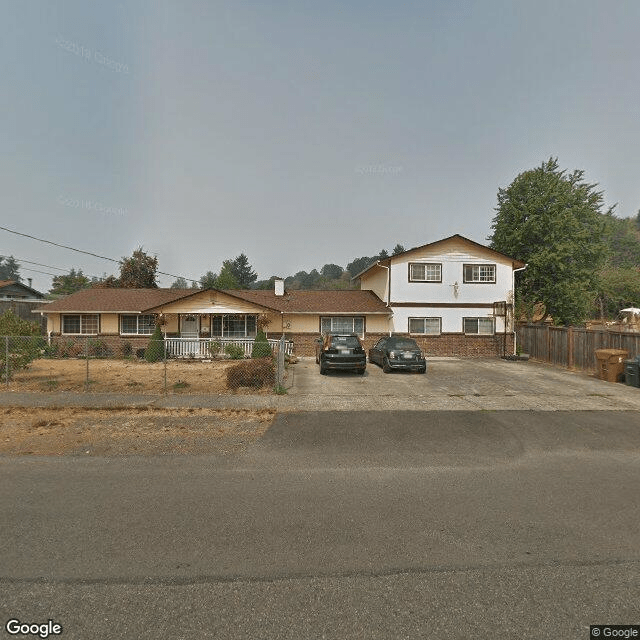
2401 S 62nd St, Tacoma, WA 98409
To contact a resident: (253) 473-2498
For more information about senior living options: (866) 208-4318
Sacred Heart AFH Costs & Pricing
Sacred Heart AFH offers a competitive monthly rate of $3,000 for private rooms, which is significantly lower than the average costs in Pierce County and the broader Washington state. To put this in perspective, the average cost for similar accommodations in Pierce County is approximately $4,623, while across Washington state it rises to about $4,772. This pricing not only highlights Sacred Heart AFH's commitment to providing quality care at a more affordable price point but also makes it an attractive option for families seeking reliable assisted living solutions without compromising on service or comfort.
| Floor plans | Sacred Heart AFH | Pierce County | Washington |
|---|---|---|---|
| Private | $3,000 | $4,623 | $4,774 |
Senior living communities with a similar price nearby
-
About the same
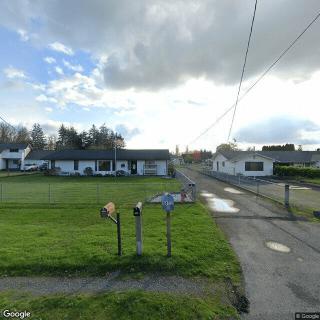
Hummingbird Homecare
$3,000 / month11.5 miles away -
About the same
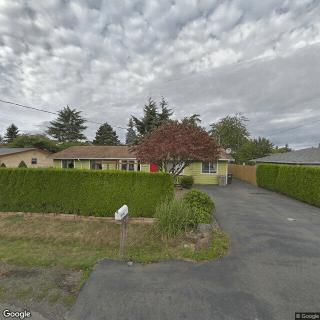
Home Care in Kent Inc.
$3,000 to $3,500 / month17.7 miles away -
from +$500 / mo

Twin Lakes Haven Adult Family Home
$3,500 to $8,000 / month9.4 miles away -
from -$500 / mo
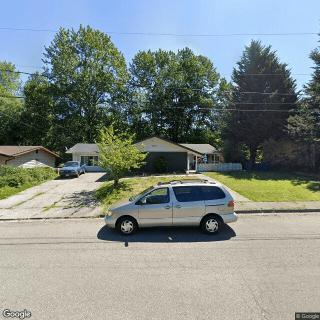
Freedom Care
$2,500 to $3,000 / month20.8 miles away -
from +$500 / mo
Valley Home Care
$3,500 / month20.8 miles away
Overall Review of Sacred Heart AFH
Pros
 The environment is well kept and welcoming inside and out.
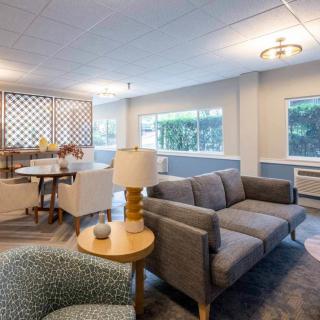
- The house is extremely clean, with no hidden smells, and feels open.
- The space is uncluttered and has plenty of room to move around in.
- Meals are prepared by the manager or caregivers with a wide range of styles, including Filipino, spaghetti, and hot dogs.
- The room includes a brand new lift chair in addition to the bed, with a decent closet and options to rearrange or use personal furniture.
- The house feels serene and comfortable.
- The manager spends time getting to know the mother, making visitors feel very comfortable.
- The location is on a fairly quiet street with a nearby park, offering pleasant outings for Mom and opportunities for grandkids to play.
Cons
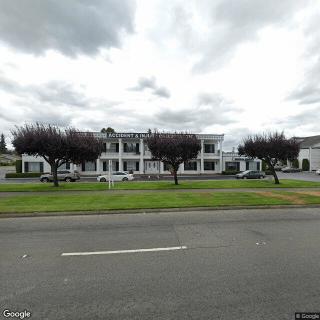
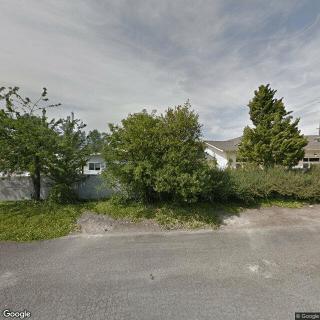
 The outside of the house was average and in need of fixing up.
- The room was small.
- The lack of transportation was the only drawback.
Review
Sacred Heart AFH in Tacoma is best suited for seniors who want a small, home-like setting with highly attentive, hands-on care and a personal, chef-driven approach to meals. This private, owner-led environment delivers warmth, accessibility, and a serene, uncluttered space that accommodates residents who do not need expansive private quarters or a heavy schedule of structured activities. The quiet neighborhood and proximity to a park provide gentle opportunities for outdoor time, while the manager’s personal touch helps ensure that care plans feel customized and responsive. Families seeking a warm, intimate residential option will find this setup especially reassuring.
Yet Sacred Heart AFH may not fit every situation. For families relying on reliable transportation to medical appointments, outings, or social events, alternatives that offer scheduled or on-site transport will be preferable. The room is small, limiting long-term flexibility for couples or those who want more storage and personal space, even though furniture can be rearranged or shared. The exterior appearance is average and could disappoint families expecting a more polished campus vibe. In short, this home excels at intimate care, but falls short for those needing robust mobility support or larger living spaces.
The positives are concrete and meaningful. The home is exceptionally clean, without hidden smells, and remains uncluttered and easy to navigate, an important factor for safety and comfort. Meals are prepared by the owner or caregivers and cover a wide range of styles, including Filipino-inspired dishes alongside familiar options like spaghetti and hot dogs, signaling a flexible, resident-centered kitchen. The room, while compact, can be customized with personal furniture, and includes a new lift chair in addition to the bed to support independence. The manager’s time spent with families during visits builds trust and signals a hands-on, relationship-driven approach to care.
On the downside, transportation stands out as the main constraint. The lack of reliable transit means outings, doctor visits, and routine errands require planning and often external support, potentially limiting spontaneous activity. The outside, while not a deal-breaker, does not meet the first-impression expectations some families hold for a facility, even as the interior signals higher caregiving quality. The intimate room size can feel restrictive over time, especially for residents who value more personal space or the option to host family members in-room. These factors are real considerations that shape whether this setting can sustain long-term comfort and independence.
Despite the drawbacks, the balance tilts toward a strong, practical fit for the right resident. The cleanliness, serenity, and homey atmosphere reduce stress and create a predictable daily rhythm, while the ability to configure the room with preferred furnishings and the inclusion of mobility aids like a lift chair address practical needs for comfort and independence. The diverse meal program demonstrates responsiveness to cultural preferences and nutrition, easing daily responsibilities for families and residents alike. For those prioritizing intimate attention, direct staff engagement, and a cozy, controllable living space over campus-scale amenities, Sacred Heart AFH delivers a compelling value proposition.
Bottom line: Sacred Heart AFH serves as a compelling option for families prioritizing warmth, personal attention, clean surroundings, and flexible, caregiver-led meals in a compact, home-like setting. It is less suitable for those who require constant transport, larger private quarters, or more formal on-site programming. If those constraints are acceptable, a careful visit is warranted to confirm transportation arrangements and to observe how the manager’s hands-on approach translates into daily routines and care consistency. For others, exploring nearby options with stronger transit support and larger living spaces will help ensure long-term fit and peace of mind for everyone involved.
 Board and Care Home
 Activities off-site
 Bath tubs
 Devotional services off-site
 Indoor common areas
 Private
 Seattle-Tacoma International (19 miles away)
 Diabetic care
 High acuity care
 Incontinence care
 Medication management
 Kosher
 Christian services

 Seniors and Modern Transportation: Exploring Uber, Lyft, and Other Ride-Hailing Options
 Comprehensive Guide to Qualifying for Home Health Care Services
 Powerful Realities of Elder Abuse and the Most Effective Ways to Report It