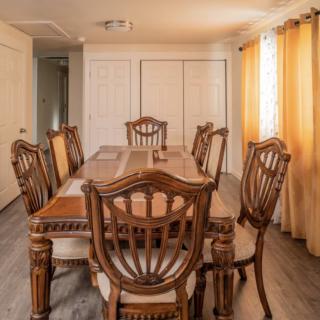
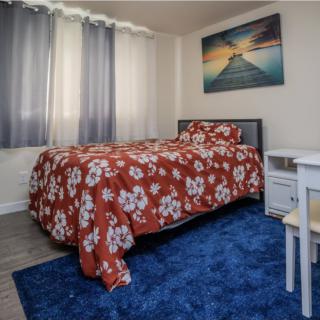
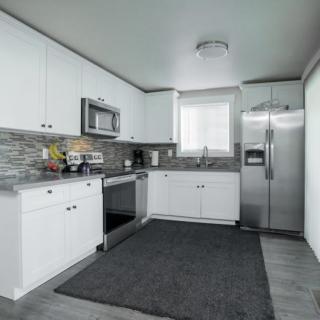
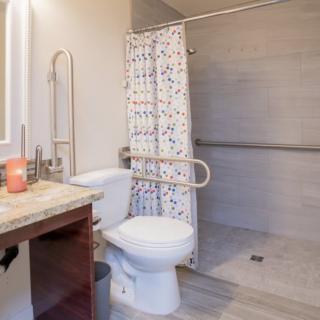
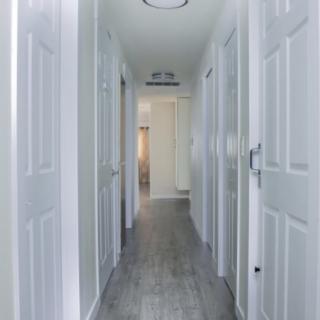


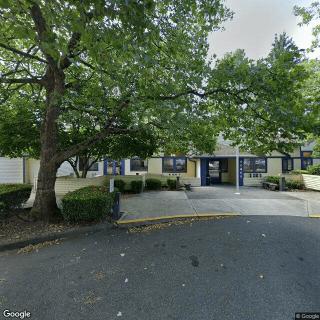
7241 S Monroe St, Tacoma, WA 98409
To contact a resident: (425) 902-3290
For more information about senior living options: (866) 208-4318
Safe Haven MCA Adult Family Home Costs & Pricing
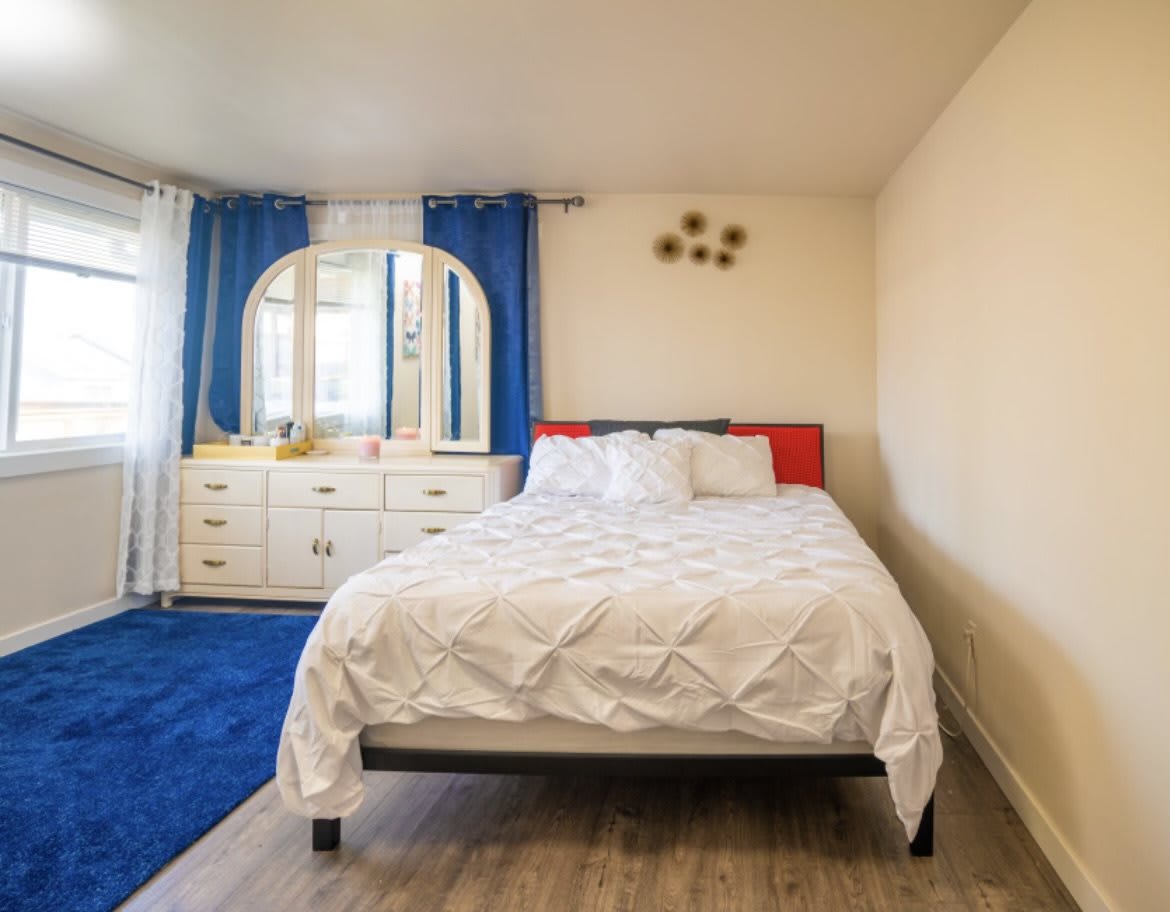
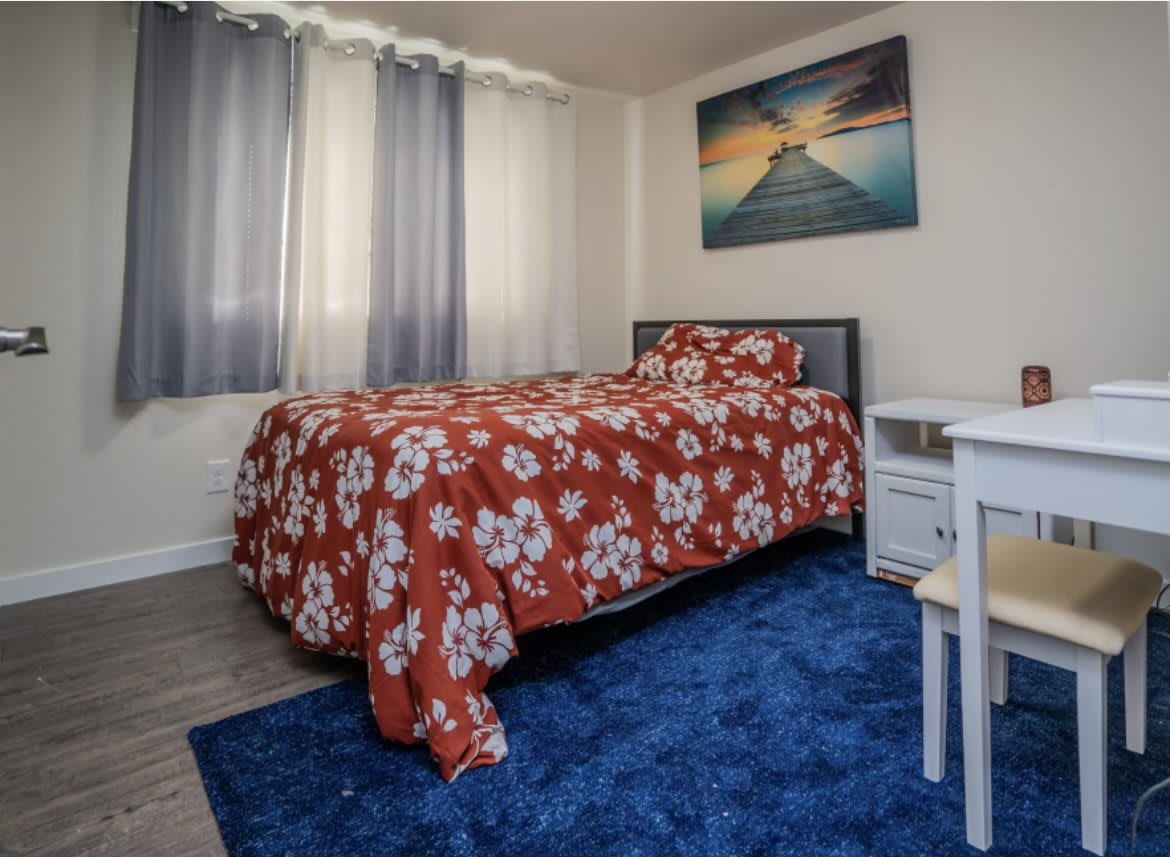
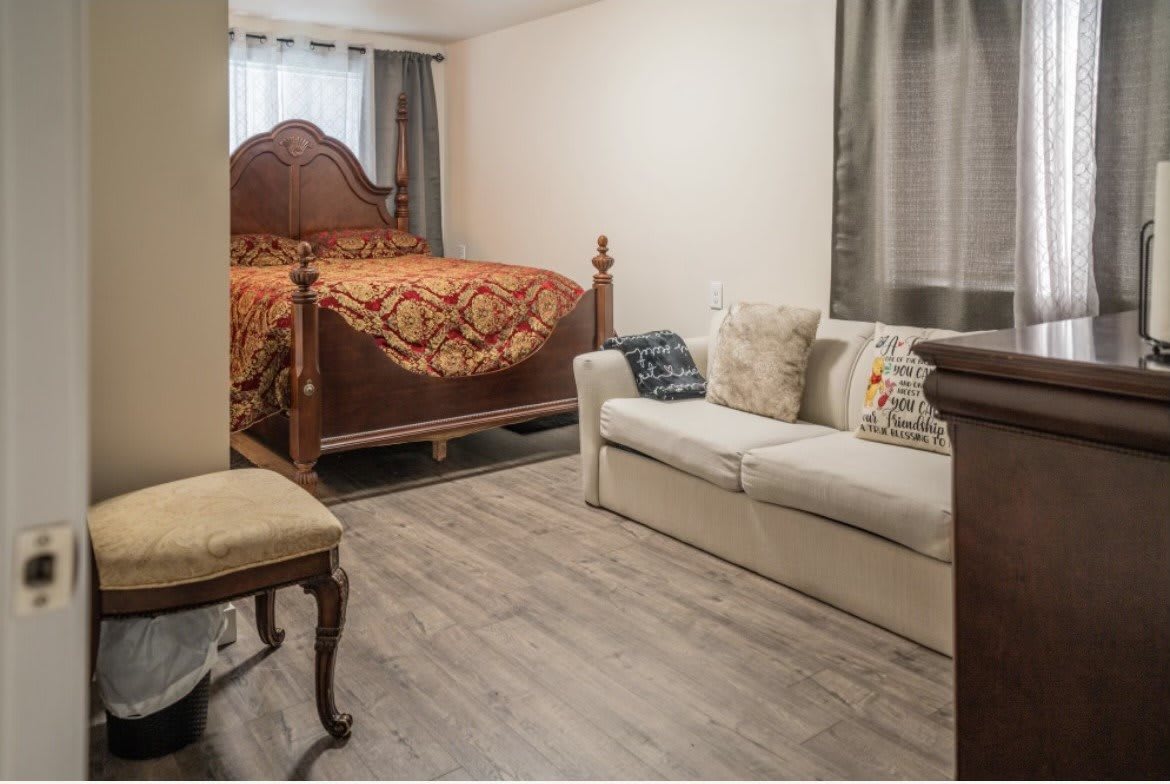
Safe Haven MCA Adult Family Home offers competitive pricing in comparison to the surrounding options in Pierce County and the broader state of Washington. For semi-private rooms, residents can expect a monthly cost of $4,000, which is notably lower than the county average of $4,264 and the state average of $4,267. When it comes to private accommodations and one-bedroom units, both are priced at $5,500 - significantly above the average county rate of $4,623 for private rooms and $4,456 for one-bedroom spaces. However, this rate still presents a compelling value considering the quality of care and environment that Safe Haven strives to provide. Overall, while their private room options are higher than regional averages, Safe Haven MCA Adult Family Home remains an appealing choice for those seeking personalized adult family home care within a supportive community setting.
| Floor plans | Safe Haven MCA Adult Family Home | Pierce County | Washington |
|---|---|---|---|
| Semi-Private | $4,000 | $4,264 | $4,272 |
| Private | $5,500 | $4,623 | $4,774 |
| 1 Bedroom | $5,500 | $4,456 | $4,634 |
Memory care communities with a similar price nearby
-
About the same

Riverton Home Care
$4,000 to $5,000 / month21.8 miles away -
About the same

Canterwoods Estate AFH
$4,000 to $5,500 / month20.4 miles away -
About the same
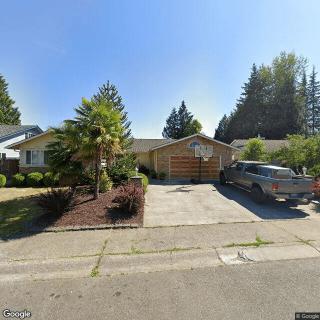
Gentle Care Home
$4,000 to $5,500 / month24.7 miles away -
from -$500 / mo

Twin Lakes Haven Adult Family Home
$3,500 to $8,000 / month10.6 miles away -
from -$500 / mo
Ahadi Care Adult Family Home
$3,500 to $4,000 / month11.1 miles away
Overall Review of Safe Haven MCA Adult Family Home
Pros
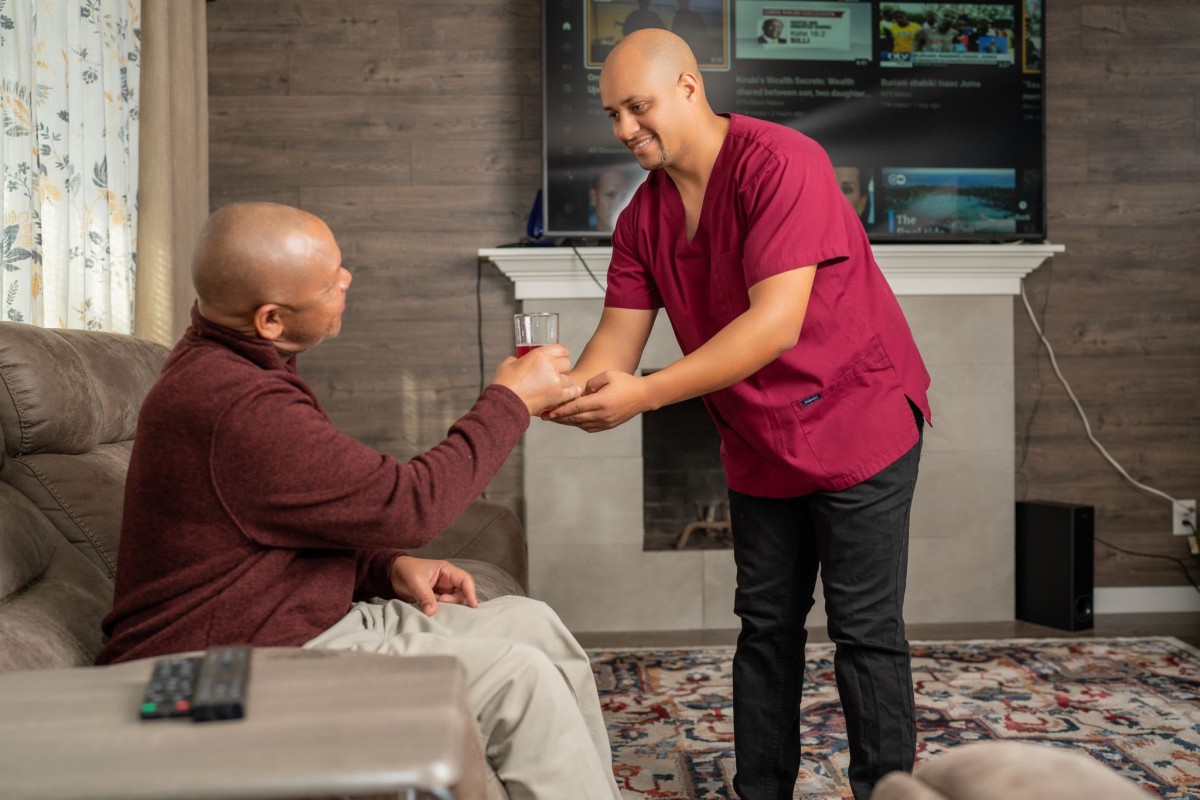
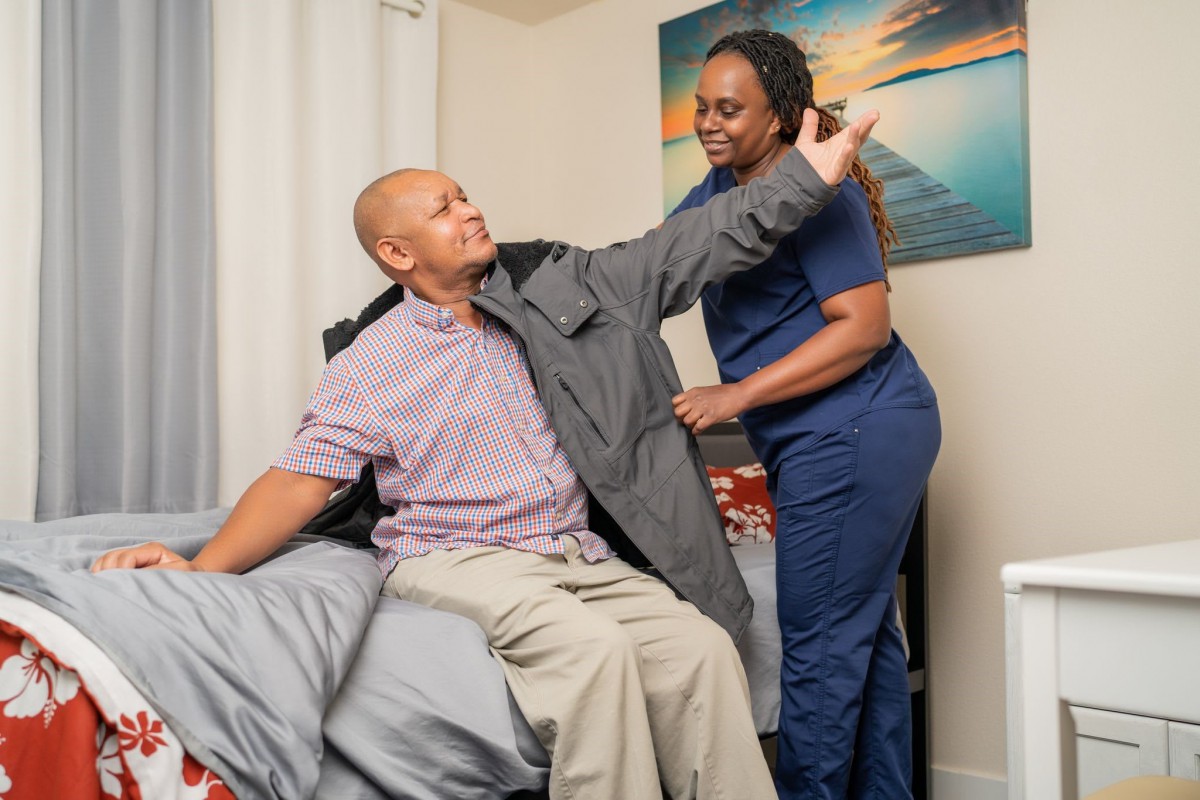
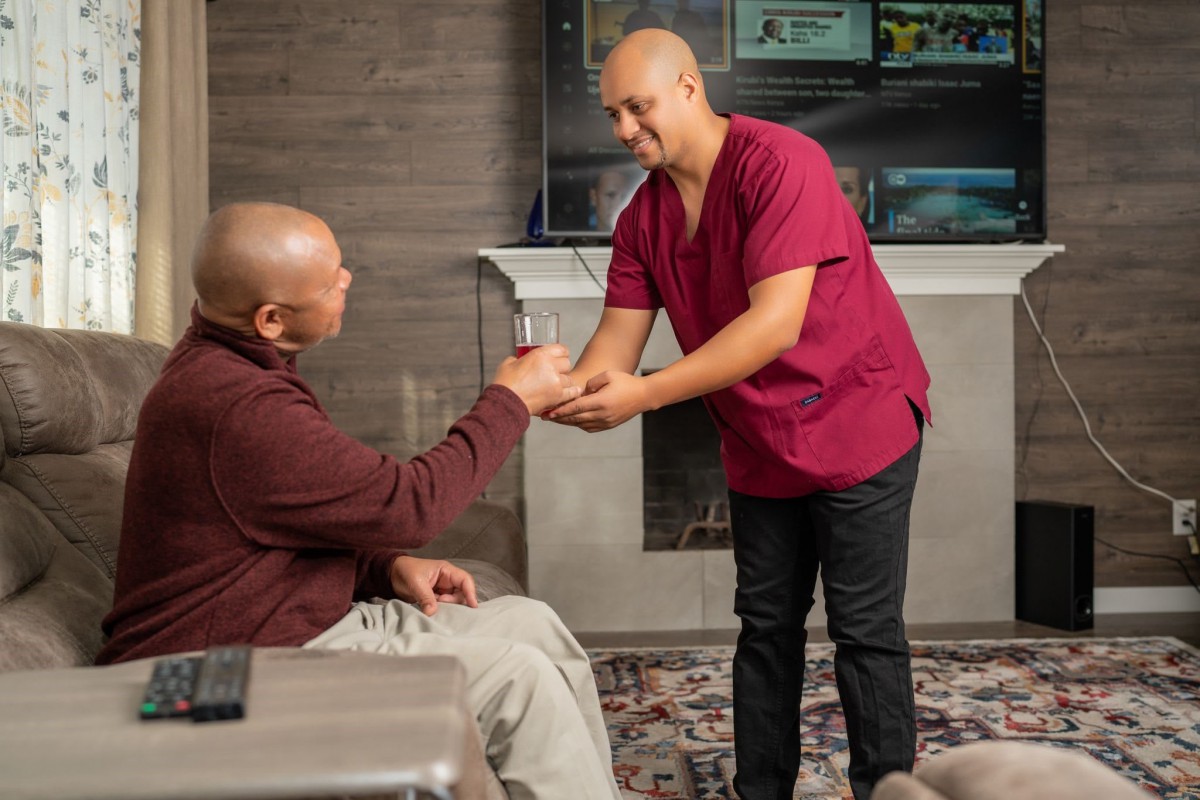
 The staff is kind, professional, and truly treats residents like family.
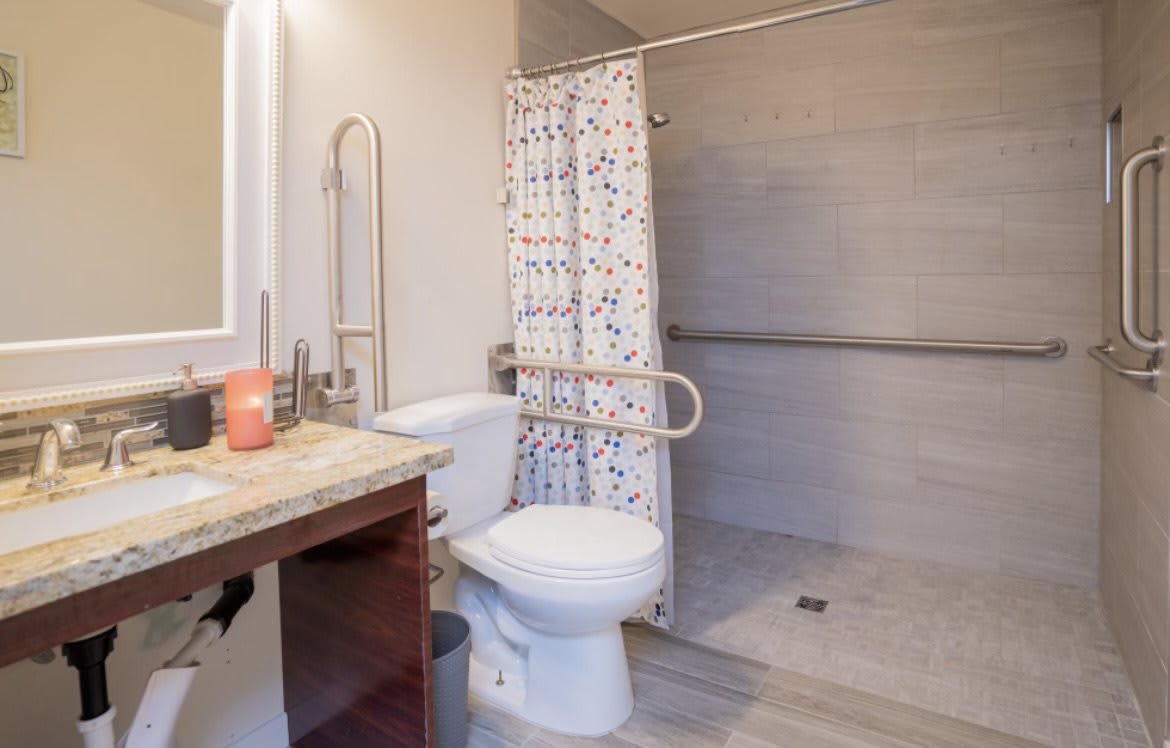
- The house is very clean and the service is wonderful.
- The home is highly recommended.
Review
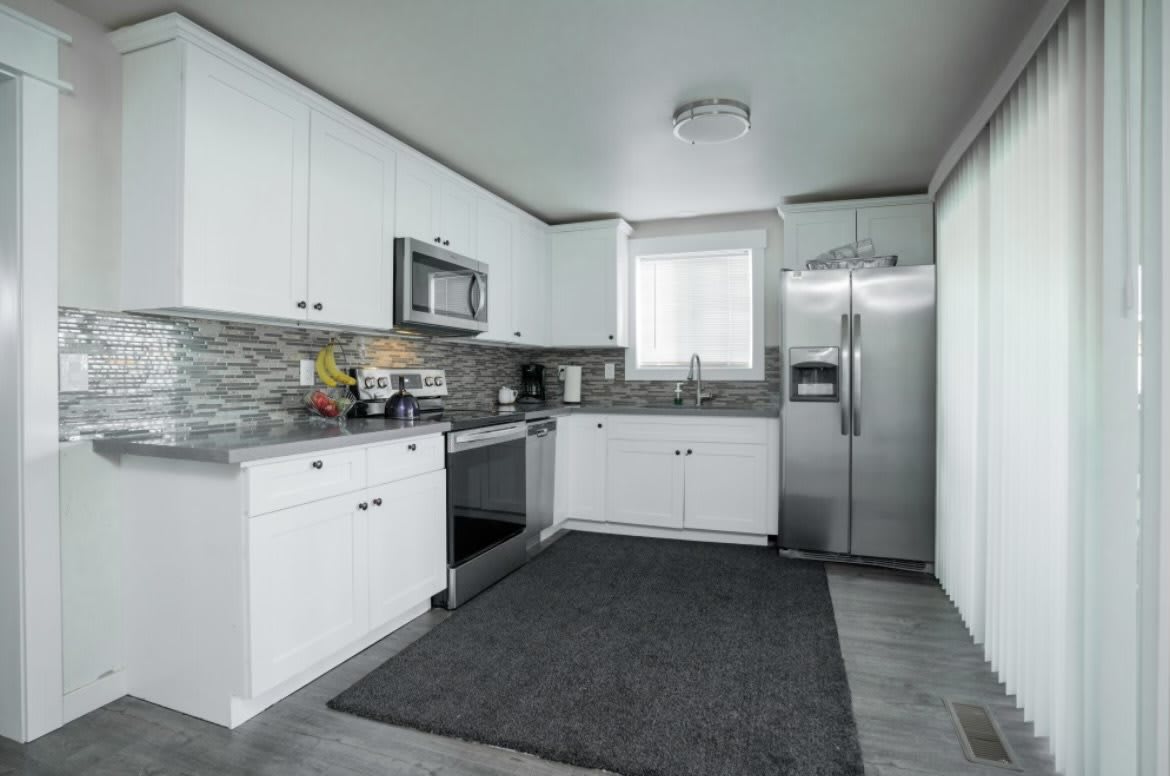
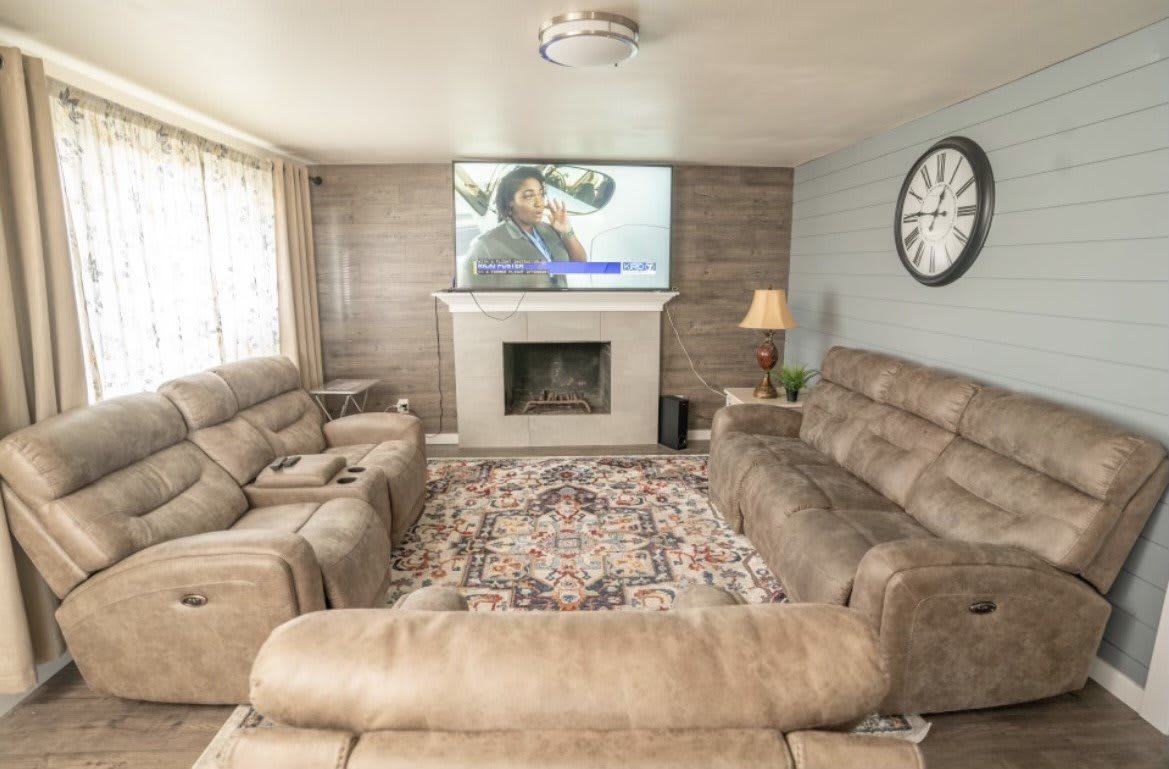
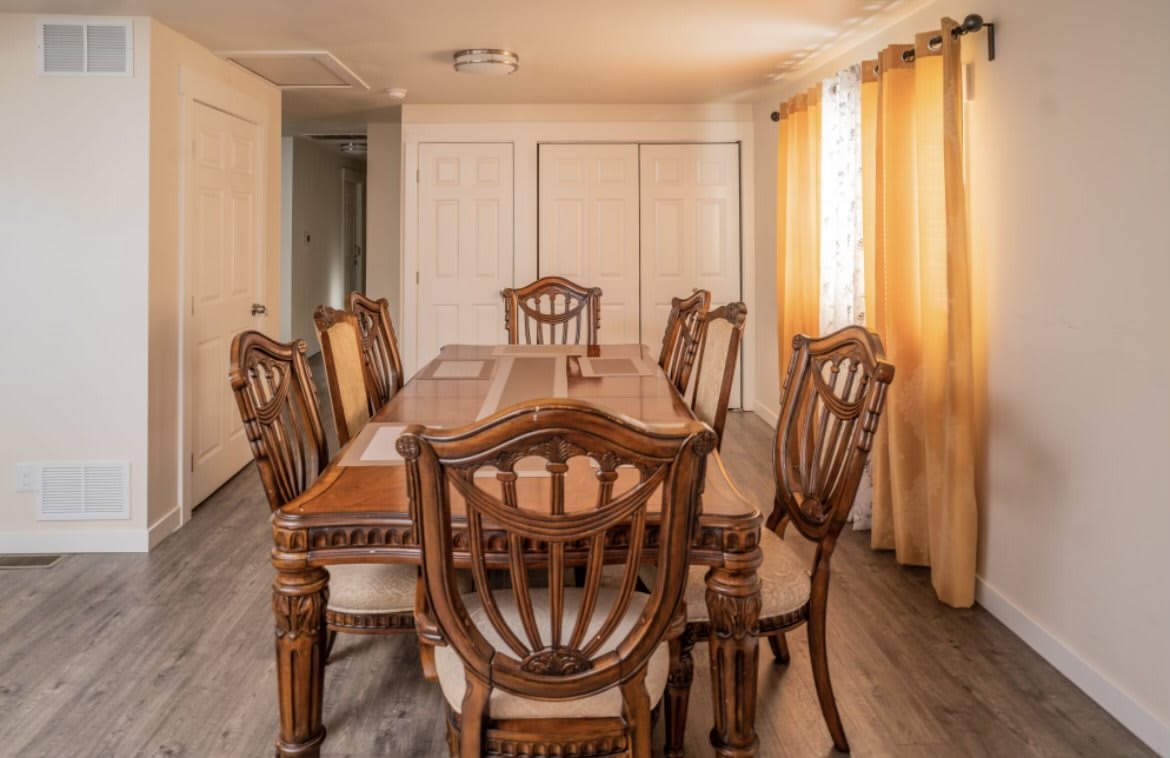
Safe Haven MCA Adult Family Home in Tacoma is best suited for seniors who want an intimate, home-like care setting where staff as a rule treats residents with genuine warmth and professional steadiness. The small-house atmosphere means aides and caregivers can learn the daily rhythms, preferences, and needs of each resident, translating into consistently kind, hands-on care. Cleanliness and orderfulness reinforce a sense of safety and predictability in daily routines. For families prioritizing trustworthy, familiar faces who know their loved one by name and who value a household vibe over a hotel-like atmosphere, this community delivers with convincing reliability.
Alternative options matter for residents needing more structured medical oversight or expansive social programming. If the care plan requires regular skilled-nurse visits, complex wound care, precise medication management with physician oversight, or dementia-specific protocols, a larger assisted-living campus or a dedicated memory-care unit may offer the depth of staffing and programming that a small family home cannot guarantee. Likewise, families seeking a broader activity calendar, more outings, or greater privacy options might find other settings better aligned with expectations. Recognizing these boundaries helps families decide with confidence.
On the upside, the core strengths are tangible and enduring: staff kindness that feels genuine, professional conduct from caregivers, and a culture that treats residents like family. This is not a vague compliment but a true daily experience, seen in responsive assistance, respectful interactions, and the willingness to tailor routines to individual needs. The house itself reinforces the climate, clean, orderly, well-maintained, so residents aren’t navigating health risks amid clutter or neglect. Service quality extends beyond routine tasks, with caregivers coordinating closely with families and external providers, ensuring medications, meals, and safety checks align with each resident’s plan.
Yet the intimate format carries trade-offs. The small footprint can limit the breadth of programming and the availability of on-site medical resources compared with larger facilities. There may be fewer peers for social activities, and staff assignments can shift with turnover or vacations. However, the very strengths, consistent, attentive care and a warm, home-like routine, often compensate. When immediate, personalized attention matters and a caregiver remembers personal history and preferences, this model delivers far more than a generic, impersonal setting could.
Families evaluating this option should press for specifics during a tour: what care levels are included in the base rate, whether there is 24/7 awake staff, how medications are administered, and how meals are planned to accommodate dietary needs. Ask about activity calendars, visiting policies, and how privacy is handled in shared spaces. Observe interactions between staff and residents, listening for tone, responsiveness, and the pace of responses. Confirm how emergencies are escalated and how communication with family members is maintained. In short, ensure the care philosophy aligns with the resident’s daily needs and the family’s expectations for ongoing updates.
Overall, Safe Haven MCA Adult Family Home presents a compelling option for families seeking a trusted, high-touch, clean, home environment. The strongest pro, staff who treat residents like family alongside pristine housekeeping, creates a foundation that makes daily living feel secure, dignified, and genuinely comfortable. For residents who thrive on loyalty, personal attention, and a true sense of belonging within a tight-knit community, this home-forward model often outperforms larger, impersonal campuses. Those needing intensive medical services, specialized dementia care, or expansive social programming should look elsewhere, but for families prioritizing intimate care, warmth, and consistent, respectful engagement, Safe Haven MCA stands as a practical, prudent choice.
 Board and Care Home
 Memory Care
 Private
 Seattle-Tacoma International (20 miles away)

 Engaging Memory Care Activities That Enhance Quality of Life
 When to Transition from Assisted Living to Memory Care: Key Indicators, Steps, and Finding the Right Community
 Understanding the Distinctions: Assisted Living and Memory Care Explained