
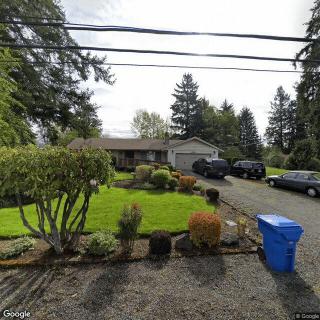
2510 Berry Ln E, Fife, WA 98424
To contact a resident: (253) 252-9845
For more information about senior living options: (866) 208-4318
Hope House Adult Family Home Costs & Pricing
At Hope House Adult Family Home, the monthly cost for both private rooms and one-bedroom accommodations is set at $6,000. This pricing stands in contrast to the average costs observed within Pierce County, where similar private rooms and one-bedroom units typically range around $4,623 and $4,456 respectively. When compared to state averages for Washington, which are approximately $4,772 for private accommodations and $4,632 for one-bedroom options, it's clear that Hope House positions itself at a premium level within the market. This elevated pricing may reflect additional services or amenities offered by Hope House that contribute to a higher quality of care and living experience for residents.
| Floor plans | Hope House Adult Family Home | Pierce County | Washington |
|---|---|---|---|
| Private | $6,000 | $4,623 | $4,774 |
| 1 Bedroom | $6,000 | $4,456 | $4,634 |
Memory care communities with a similar price nearby
-
from -$500 / mo

Twin Lake Adult Family Home
$5,500 to $6,500 / month4.6 miles away -
About the same
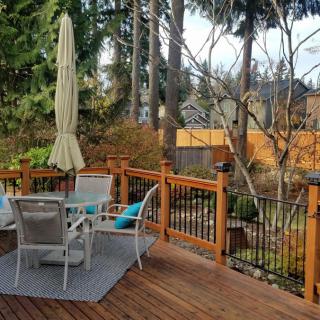
Blue Horizon Adult Family Home
$6,000 to $7,000 / month19.0 miles away -
from +$500 / mo
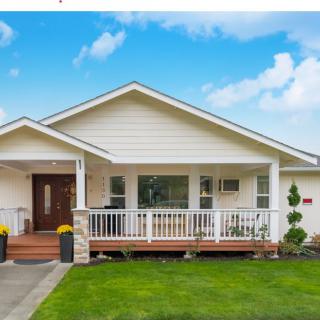
Silver Creek Adult Family Home
$6,500 to $7,000 / month4.7 miles away -
About the same

Harbor View Adult Family Home
$6,000 to $6,500 / month4.1 miles away -
from +$500 / mo
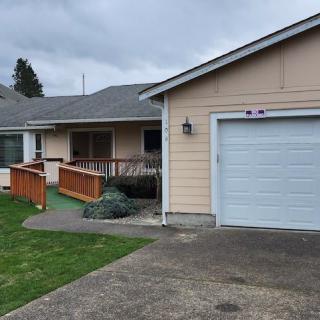
Homebridge Adult Family Home
$6,500 to $8,000 / month7.3 miles away
Overall Review of Hope House Adult Family Home
Pros
 Nadezhda and Sasha are appreciated for taking care of their aunt for several years.
- They are dedicated, supportive, kind, patient, and caring.
- The house is consistently clean and smells fresh.
- There is always homemade food that respects residents' dietary preferences and needs.
- Residents are kept clean and well groomed, with attentive skin care.
- The owners run the business with amazing dedication and care.
- The couple treats residents with compassion and sweetness.
- They prepare delicious home-cooked meals daily.
- The property includes a beautiful backyard where residents can relax.
- The mom is happy and well cared for in House of Hope.
Review
Hope House Adult Family Home in Fife is best suited for families seeking a small, home-like senior living option where daily life feels personal, unhurried, and intimately supported. The care model rests with Nadezhda and Sasha, the owners, whose years of hands-on involvement have earned strong trust from families. Residents benefit from a calm, attentive atmosphere, a sense of continuity, and a genuine feeling that someone is watching over their well‑being with patience and kindness. For elders who value cleanliness, consistent routines, home-cooked meals tailored to dietary needs, and the comfort of being cared for by a caring, hands-on couple, this AFH presents a compelling fit.
Those weighing options should consider alternatives if the situation demands heavier clinical oversight or a more formalized program. A larger, traditional assisted living community with on-site nursing staff, broader medical coordination, and more extensive activity schedules may suit residents with significant medical needs or memory-care requirements. Families prioritizing highly structured social programming, robust transportation services, or comprehensive on-site specialists might find a bigger operation better aligned with those expectations. In short, this setting is less about institutional scale and more about intimate, dependable caregiving.
The strongest positives here, character and daily reality, largely offset the absence of a large clinical footprint. The owners’ dedication translates into consistent, compassionate attention that families repeatedly describe as transformative for their loved ones. Cleanliness and a fresh atmosphere are not afterthoughts but foundational elements; the house routinely feels orderly and inviting. Meals stand out as a genuine daily strength, with homemade cooking that respects individual dietary preferences, ensuring residents look forward to eating and maintain proper nutrition. Skincare and attentiveness to personal dignity further reinforce the sense that residents are valued beyond mere routine care.
Families consistently point to the tangible warmth of the environment: a couple who are described as sweet, patient, and deeply caring; residents who feel safe and well cared for; and a small, welcoming space where a resident can settle in, relax, and even enjoy a backyard retreat. The anecdotal results are clear: long-term stays have proved stability and continuity, with loved ones expressing reassurance that their relative is in good hands and genuinely happy. The combination of home-cooked meals, individual dietary accommodation, and a home atmosphere creates a positive, confidence-building loop that supports trust and emotional well-being.
From a practical standpoint, prospective residents should verify alignment on several dimensions before committing. Inquire about daily routines, how meals are planned and adjusted, and the mechanisms for addressing dietary restrictions or allergies. Ask about skincare routines and how personal hygiene needs are managed, as these appear to be a deliberate emphasis at this home. Discuss preferences for privacy, family involvement, and the level of autonomy available to the resident within a small, intimate setting. If medical complexities or anticipated need for frequent nursing interventions are likely, seek explicit clarity on what on-site services exist and how coordination with external medical providers is handled.
Ultimately, the decision comes down to weighing intimate, family-run care against the desire for clinical breadth. Hope House excels for families who prize a warm, clean, home-infused environment, consistent caregiving, and meals that reflect real homemade quality. It is a strong recommendation for elders who feel at ease in a small care setting where caregivers’ empathy translates into daily security and happiness. For families with higher medical needs or a preference for the breadth of services offered by larger operators, exploring alternatives that emphasize on-site nursing, formal care coordination, and expansive activity programming is prudent. In such cases, a careful, future-facing plan is essential to ensure the chosen setting can adapt alongside evolving care requirements.
 Board and Care Home
 Memory Care
 Seattle-Tacoma International (15 miles away)



 Vibrant Senior Living: A Comprehensive Guide for Active Older Adults
 Assisted Living and Memory Care: Understanding Their Core Differences
 Choosing the Right Senior Care: A Detailed Exploration of Assisted Living and Nursing Homes