
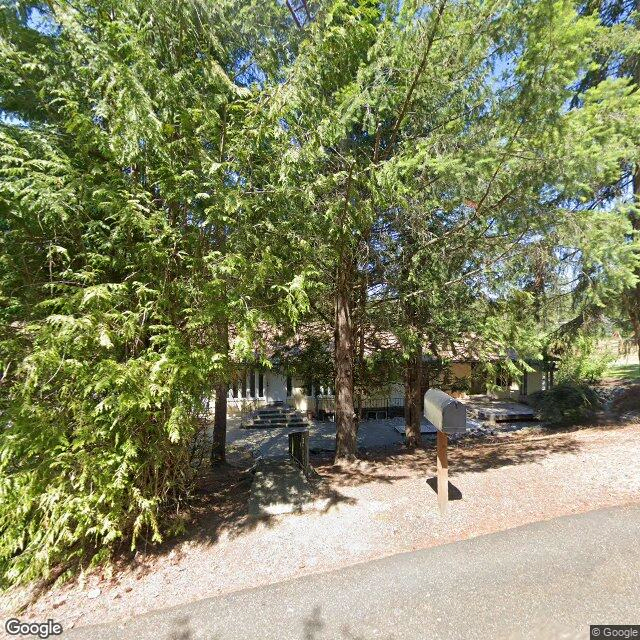
9823 29th Street Court East, Edgewood, WA 98371
To contact a resident: (253) 838-1608
For more information about senior living options: (866) 208-4318
Edgewood Country Retreat Costs & Pricing
Edgewood Country Retreat offers a consistent monthly rate of $5,000 across all room types, including private, semi-private, studio, and one-bedroom accommodations. When compared to the average costs in Pierce County and throughout Washington State, it becomes evident that Edgewood's pricing is relatively higher. For instance, the county averages range from approximately $4,039 to $4,772 depending on room type, indicating a premium of around $228 to $961 above local competitors. This positioning suggests that while Edgewood may command a higher price point, it likely reflects enhanced amenities or services that could justify the investment for potential residents seeking quality care in an inviting environment.
| Floor plans | Edgewood Country Retreat | Pierce County | Washington |
|---|---|---|---|
| 1 Bedroom | $5,000 | $4,456 | $4,634 |
| Private | $5,000 | $4,623 | $4,774 |
| Semi-Private | $5,000 | $4,264 | $4,272 |
| Studio | $5,000 | $4,039 | $4,128 |
Memory care communities with a similar price nearby
-
from +$500 / mo

Twin Lake Adult Family Home
$5,500 to $6,500 / month6.2 miles away -
About the same
Peace and Pleasant Care Adult Family Home II
$5,000 to $6,000 / month11.3 miles away -
from -$695 / mo
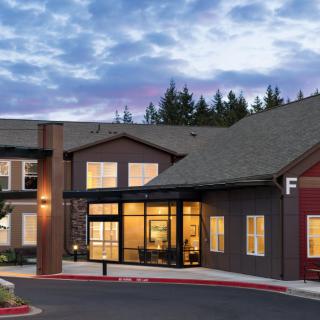
Penrose Harbor at Heron's Key
$4,305 to $7,332 / month15.6 miles away -
from -$500 / mo
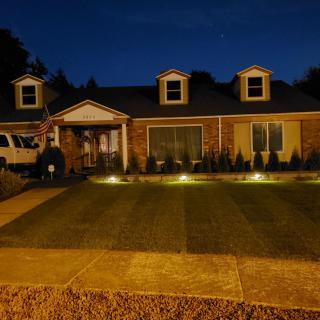
A Serenity AFH
$4,500 to $6,000 / month6.8 miles away -
from +$500 / mo

3 Tree Vista Adult Family Home, LLC
$5,500 / month16.2 miles away
Overall Review of Edgewood Country Retreat
Pros
 The staff took such good care of her.
- The facility welcomed family members anytime and built close connections with residents and their families.
- The staff were patient with her, even when she asked the same questions repeatedly.
- They helped ease her anxieties after the stroke and loss of mobility.
- They cared for her until she passed, relieving the family of a huge amount of stress.
- The team was excellent, caring, and sweet, with a small, family feel and a very clean environment.
Cons
 Two earlier facilities were unsatisfactory, and she was removed from both.
Review
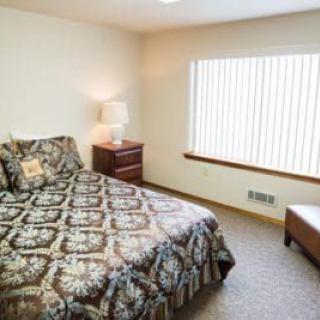
Edgewood Country Retreat is best suited for families seeking an intimate, high‑touch care setting for a loved one who has endured a major health event or requires steady daily assistance, delivered within a warm, home‑like environment. The community shines when care teams can form real, ongoing relationships with residents and when families feel welcome to visit at any time. Reviews repeatedly describe staff who are patient with repeated questions, attentive to post‑stroke anxieties, and capable of preserving comfort as mobility changes. The model yields meaningful continuity, with residents often staying for years, and families reporting substantial relief in knowing their loved one is cared for with genuine kindness and treated as part of a caring, family‑like circle.
Those who prioritize a bustling activity calendar, broader medical programming, or advanced memory‑care options may want to consider alternatives. Edgewood Country Retreat’s small, close‑knit atmosphere can feel quieter and less equipped for a wide spectrum of services, rapid access to skilled nursing, or intensive therapies. For families seeking a larger campus, more formalized programming, or a broader resident base to foster social variety, other communities may better match expectations. The trade‑off is a more intimate, predictable daily life at Edgewood versus the breadth of amenities found in bigger settings.
Where Edgewood’s strengths matter most, the advantages clearly offset the potential downsides. The care quality stands out as excellent, underpinned by very friendly staff and a genuine sense that residents are treated like family. The ability to welcome visits freely, the staff’s willingness to remember residents’ histories, and the thoughtful attention given to post‑stroke anxieties build a foundation of trust that reassures families during difficult transitions. Cleanliness and a small, home‑like atmosphere further reinforce daily life, making routines feel manageable and emotionally safe for residents and their loved ones alike. In practice, these elements translate into stable routines, fewer relocations, and longer tenures, critical factors for someone navigating mobility challenges and recovery.
Another notable strength is long‑term stability. Residents tend to remain for extended periods, which cultivates a consistent social fabric and minimizes upheaval. Families consistently report that caregivers treat residents as family, which accelerates bonding and eases the emotional burden on relatives during ongoing caregiving. This combination of personal attention, dependable caretaking, and a welcoming environment supports emotional well‑being, reduces caregiver stress, and helps families sleep at night knowing that a loved one is surrounded by people who know their story and advocate for them day in and day out.
While explicit drawbacks aren’t spelled out in every review, prudent readers should consider the practical trade‑offs of a smaller setting. A limited resident base can mean fewer opportunities for social variety, a slower pace, and potentially fewer on‑site specialized services than larger communities. For families seeking aggressive rehabilitation programs, a wide activity schedule, or a broad suite of on‑site ancillary care, Edgewood may require planning for transfers or external arrangements. Prospective residents must weigh whether the comfort of a tight, nurturing, and familiar community aligns with desired levels of programming, social engagement, and medical versatility.
Overall, Edgewood Country Retreat stands out as a solid, practical choice for families needing steady, compassionate, long‑term support after a major health event. It excels at turning care into a humane, family‑like experience, with staff who remember residents’ histories, ease anxieties, and maintain a clean, welcoming setting. For those prioritizing independence, a busy programming calendar, or a larger campus with broader services, it’s prudent to explore alternatives. When a reliable, personalized home atmosphere and consistent, attentive care are the top priorities, Edgewood Country Retreat delivers with credibility and heart.
 Board and Care Home
 Memory Care
 Activities off-site
 Bath tubs
 Devotional services off-site
 Indoor common areas
 Outdoor common areas
 Private
 Respite or short term stays offered
 Wheelchair accessible showers
 Seattle-Tacoma International (15 miles away)
 Diabetic care
 High acuity care
 Incontinence care
 Medication management
 Meals provided
 A Holistic Dementia Care Guide: Effective Strategies for Memory Support
 Memory Care Pathways: A Holistic Guide to Dementia Support
 Comprehending Evening Confusion in Dementia: Causes, Manifestations, and Support