










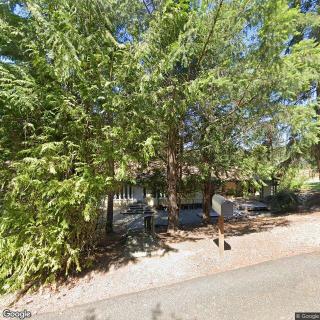
607 28Th Avenue, Milton, WA 98354
For more information about senior living options: (866) 208-4318
Overall Review of Mill Ridge Village
Pros
 The staff was courteous and helpful.
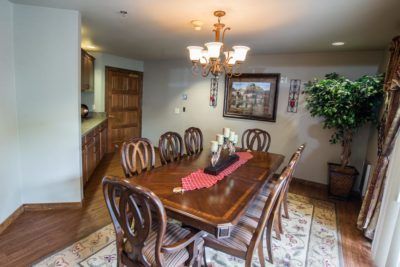
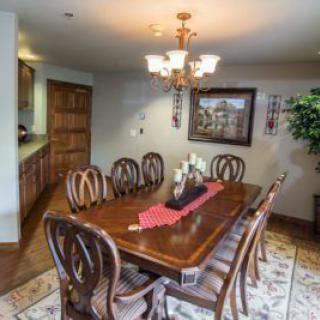
- The dining area was pleasant.
- The food was well prepared and looked appealing.
- They have a bus that could take you on field trips, and they do a lot of in-house stuff too.
- Mill Ridge Village is a nice facility.
- The staff was also very nice.
- They were very enthusiastic and everybody we saw was very cordial.
- The setting was quite nice.
- They have a shuttle that takes residents to doctors’ appointments, grocery stores, and shopping once a week.
- Excellent facility, caring and understanding atmosphere.
Cons
 They didn’t feel comfortable about Mill Ridge Village.
 - Mill Ridge is owned by a corporation and is all about profits.
- They abruptly and rudely kicked the reviewer’s mom out of her home.
- They refused to take her back after hospitalization.
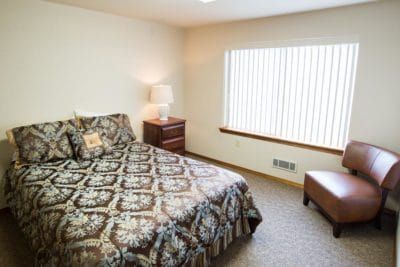
- The rooms are outdated and ugly.
- The total charges tripled over three years.
- It is expensive and not affordable for the average person.
- They labeled her violent.
- Staff repeatedly woke her at night, leaving her bed soaked.
Review
Mill Ridge Village in Milton is best suited for seniors who want a lively, community-oriented assisted living experience with a home-like feel, solid staff support, and easy access to shopping and appointments. This is a setting where daily life is organized around social activities, transportation for errands and outings, and a dining program that residents generally praise. It works especially well for those who can manage with light to moderate assistance and who value dependable staff attention and a calendar of in-house and off-site activities. Families should recognize that this is not a niche memory-care residence or a ultra-low-cost option; it is a full-service community that leans toward active participation and routine structure.
Those weighing alternatives should consider Mill Ridge if there is a real likelihood of needing substantial ongoing medical supervision, intensive memory care, or highly personalized, flexible scheduling. Several reviews note dramatic shifts in care needs over time, with costs rising sharply as needs increase, and a few accounts describe abrupt discharges when health declined. For loved ones with dementia requiring more specialized supervision, or for those seeking a setting with less emphasis on a rigid corporate schedule, an Adult Family Home or a specialized memory-care community may deliver more individualized pacing and lower cost, albeit with a different scale of services and amenities.
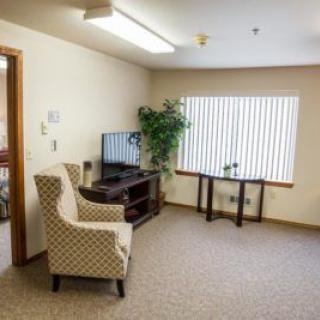
On the plus side, the strongest advantages consistently highlighted are the staff’s attentiveness and courtesy, the cleanliness, and the sense of community. The team is described as caring, responsive, and capable of supporting residents through a variety of activities, from in-house programs to organized field trips. The dining program is generally well regarded, with meals described as appealing and well prepared, and the facility’s layout, bright common areas, a central courtyard, and ample storage, contributes to a welcoming, home-like atmosphere. Transportation is reliable, with a shuttle for medical appointments and shopping runs, plus nearby conveniences that reduce daily logistical stress for families and residents alike.
Yet the facility carries notable drawbacks that balance those strengths. A recurring theme is the cost model: it is described as expensive and increasingly so over time, with some families feeling the pricing structure is tightly linked to corporate profit more than individualized resident care. Several reviews recount rigid, facility-wide schedules that can override a resident’s own preferences, including basic routines like bathing or dressing, which in turn sparked concerns about dignity and autonomy. In some cases, a health decline prompted a difficult discharge decision, leaving families devastated and scrambling for a comparable alternative, an outcome that hints at potential instability for residents whose needs are not perfectly aligned with the program’s cadence.
Those tensions matter because they shape the calculation of whether the pros truly offset the cons. For a resident who remains relatively independent, enjoys social programming, and appreciates seamless access to shopping and medical appointments, Mill Ridge’s strengths, cleanliness, engaged staff, transportation, and a robust activity calendar, often justify the cost and the schedule. However, for those whose needs evolve toward greater daily assistance, or for families who fear a sudden change in status or an abrupt transfer out, the risks grow. The combination of high price, a profit-driven narrative in some accounts, and a management style perceived as inflexible can erode trust and long-term fit.
Practical guidance for families evaluating Mill Ridge should focus on alignment of care plan and budget. Before moving a loved one in, request a detailed, resident-specific care plan that clearly links services to daily routines, and confirm what is included in the base rate versus what incurs extra charges. Probe how rigid the daily schedule is for essential activities and how much resident input is allowed. Inquire about recent staffing levels, turnover, and the process for changes in care needs, including the implications if health declines. Finally, talk to several current families about discharge experiences and timing, and compare with nearby Adult Family Homes or smaller, family-style communities to ensure the chosen path matches the anticipated trajectory of care and financial commitment. Mill Ridge Village can be a strong fit when expectations are aligned with its programming, location, and pricing, yet it requires careful vetting for those whose care needs or budget demand a more flexible, cost-stable, or dementia-focused environment.
 55 resident community capacity
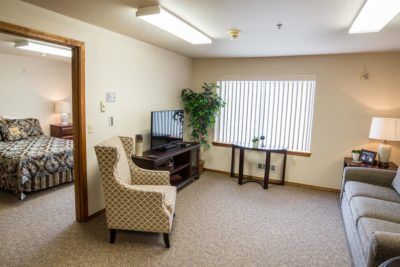
 1-bedroom apartments
 Assisted Living
 Air-conditioning
 Beauty salon
 Cable or satellite TV
 Computer center
 Dining room
 Fitness room
 Fully furnished
 Gaming room
 Garden
 Housekeeping services
 Kitchenette
 Move-in coordination
 Outdoor space
 Private bathrooms
 Restaurant-style dining
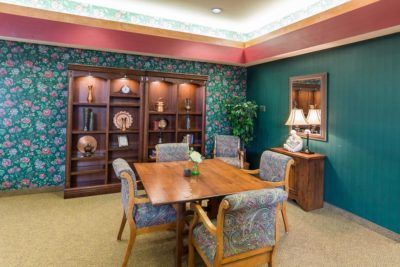
 Small library
 Telephone
 Wellness center
 Wi-Fi/high-speed internet available
 Seattle-Tacoma International (14 miles away)
 Community operated transportation
 12-16 hour nursing
 24-hour call system
 Activities of daily living assistance
 Assistance with bathing
 Assistance with dressing
 Assistance with transfers
 Diabetes diet
 Medication management
 Mental wellness program
 Special dietary restrictions
 Concierge services
 Planned day trips





 A Detailed Exploration of Assisted Living Medicaid Waivers Across the United States
 Comprehensive Residential Support and Assisted Living Solutions for Individuals with Disabilities
 Comprehensive Supportive Living Arrangements for Adults with Disabilities