
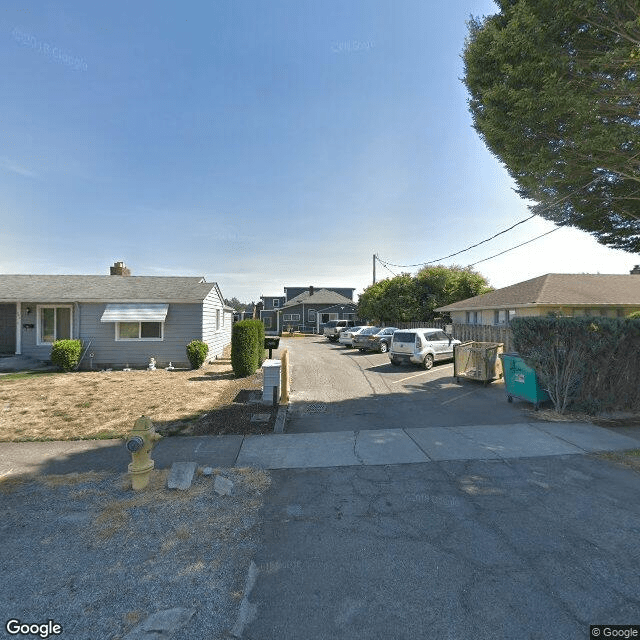
723 2nd St NW, Puyallup, WA 98371
To contact a resident: (253) 845-5398
For more information about senior living options: (866) 208-4318
Overall Review of Valley Community Inn
Pros
 The tour is appreciated, and it inspires hope to make friends and continue learning.
- Valley Community Inn provides a loving, state- and medically compliant environment that is clean and comfortable.
- Every resident and staff member is treated with dignity, respect, and kindness.
- The facility works closely with local physicians, mental health professionals, social workers, hospitals, and the Department of Social and Health Services.
- The community welcomes the support of local businesses and the kindness of neighbors within the Puyallup Valley.
Review
Valley Community Inn in Puyallup is best suited for seniors who want a warm, home-like setting where individualized attention and strong ties to local healthcare partners come first. This community works well for residents who need help with daily activities, medication management, and safety oversight but who do not require the intensity of a hospital or large campus. The intimate, 50-resident environment supports meaningful relationships with staff and neighbors, enabling a level of personalized care and daily reassurance that large facilities often struggle to deliver.
Those who should consider alternatives are families facing higher medical acuity or specialized needs. Residents requiring robust in-house clinical resources, complex wound care, frequent nursing interventions, or highly structured memory-care programming may find a larger or more medically equipped campus more suitable. Families seeking extensive on-site therapy services, transportation options, or a broad calendar of formal activities may also prefer a bigger operation with more extensive amenities. A 1-star review, while not the norm, signals that some residents or families may encounter gaps that bigger centers address more comprehensively.
The key pros here, clean, comfortable surroundings, a clearly loving and respectful atmosphere, and vigilant collaboration with local medical professionals, work together to offset the inherent limits of a smaller, home-based setting. Residents receive attentiveness that often translates into quicker responses and more tailored daily routines. The emphasis on dignity and kindness shapes interactions in a way that stabilizes morale and fosters trust, which is crucial for ongoing care. Importantly, the facility’s tight integration with physicians, mental health professionals, social workers, hospitals, and the Department of Social and Health Services helps maintain medical oversight and guardianship of residents’ wellbeing, a compensating strength when on-site resources are more modest.
The operational model centers on a residential, home-like atmosphere rather than a sprawling campus. This can mean calmer days, fewer crowds, and more personalized meals and routines. The staff’s proximity to both residents and the broader care network supports continuity of care, particularly during transitions to hospitals or specialists. The community-friendly stance, welcoming local businesses and neighbors, adds practical social and logistical support, which often translates into richer social opportunities and easier access to community services. Yet the same small-scale structure can limit robust programming, specialized therapies, or rapid access to advanced clinical procedures, so the net takeaway hinges on balancing personal attention against the envelope of care capabilities.
For decision-making, prospective residents should scrutinize staffing patterns, the availability of on-site nursing or med-tech coverage, and the specifics of the care plan. Inquiries about activity calendars, transportation for appointments, and access to physical or occupational therapy shed light on day-to-day life beyond the clean, comfortable setting. Memory-care needs, if any, should be explored explicitly to determine whether the environment supports cognitive supports, safety monitoring, and appropriate engagement. While the community’s philosophy shines in daily interactions and local integration, families must confirm that the level of clinical oversight aligns with the resident’s current and anticipated needs.
Bottom line: Valley Community Inn offers a compelling option for families prioritizing warmth, personalized attention, and strong community ties within a smaller, home-based model. It excels where intimate care and steady professional collaboration matter most, delivering dignified living and a clean, comfortable milieu. However, for residents with high medical complexity or a demand for expansive on-site services, alternatives should be seriously considered. This community serves best as a thoughtful, well-supported fit for those who prize a homelike vibe coupled with robust external medical connections, rather than a one-stop solution for every advanced care requirement.
 Independent Living
 Seattle-Tacoma International (17 miles away)



 Weight Training for Seniors: Building Strength and Vitality
 Understanding the Sandwich Generation: Stress and Responsibilities for Multigenerational Caregivers
 8 Essential Assistive Devices for Older Adults