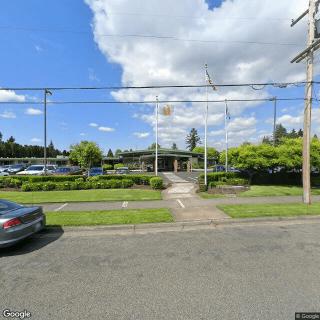
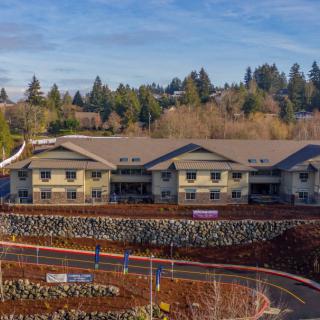
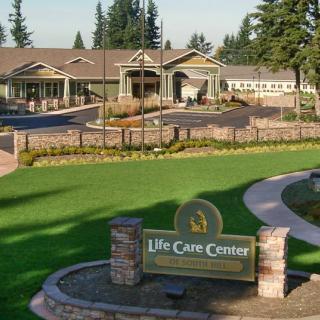
Bradley Park in Puyallup

Save
Bradley Park in Puyallup

Bradley Park in Puyallup

Information last verified:

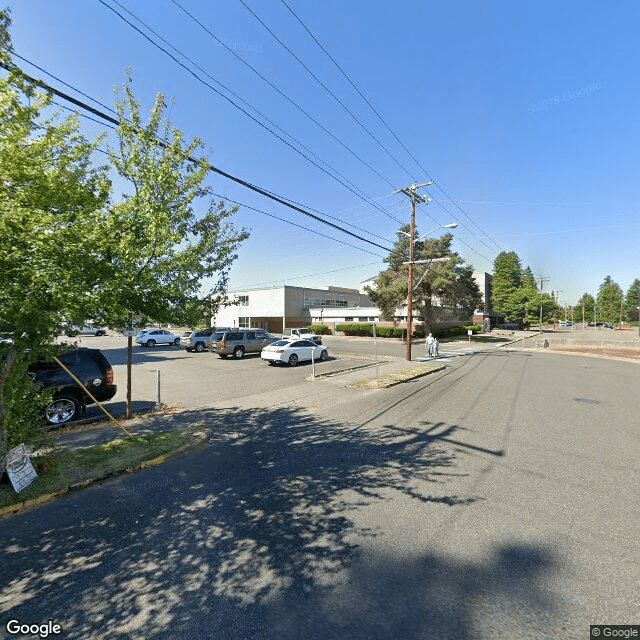
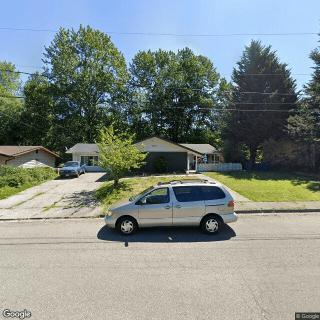
555 Main St, Puyallup, WA 98374

For more information about senior living options: (844) 490-3973

4.6 from 110 reviews
5 stars
77
4 stars
24
3 stars
8
2 stars
0
1 stars
1

Seniors.FYI Elite Community Awards

Top 5% Senior Living Community in 2026

Add this award to your website

Bradley Park in Puyallup Costs & Pricing

Bradley Park in Puyallup offers a competitive pricing structure for its residential accommodations when compared to the broader market in Pierce County and the state of Washington. For a one-bedroom unit, residents can expect to pay $2,434 monthly, which is significantly lower than both the county average of $4,456 and the state average of $4,632. Similarly, two-bedroom units at Bradley Park are priced at $3,460, again presenting a more affordable option relative to Pierce County's average of $4,129 and Washington's state average of $4,301. Even studio apartments at Bradley Park are attractively priced at $3,720 compared to the county's and state's averages of $4,039 and $4,126 respectively. Overall, these cost advantages position Bradley Park as an appealing choice for those seeking quality living arrangements in a desirable location without exceeding their budget.

Floor plansBradley Park in PuyallupPierce CountyWashington
1 Bedroom$2,434$4,456$4,634
2 Bedrooms$3,460$4,129$4,301
Studio$3,720$4,039$4,128

Overall Review of Bradley Park in Puyallup

Pros

  • pro The lake and walking path are beautiful, making Bradley Lake Park a really pretty spot.
  • pro The park is great for all ages, including dogs, and has a welcoming community feel.
  • pro The paved path is great for strollers.
  • pro The park is clean, well-maintained, and well-groomed.
  • pro The view of the lake and the wildlife-filled trail offer a wonderful outdoor experience.
  • pro There is a nice playground for children and convenient bathrooms.
  • pro The park offers a variety of activities, such as walking, running, fishing, and family-friendly events.
  • pro It has ample parking and a pleasant, peaceful atmosphere for visitors.
  • pro The park is a good place for family outings and enjoying nature.

Cons

  • pro There is quite a bit of goose poop in some areas, so visitors have to watch their step.
  • pro Goose feces cover a lot of the grassy areas, making the park feel gross and limiting where kids can play.
  • pro Restrooms close early, inconveniencing elderly people and children trying to use them.
  • pro The playground isn’t ideal for toddlers because older kids push younger ones down the slides.
  • pro The bathrooms are basic and not very comfortable.
  • pro Fishing lines are sometimes left hanging around, posing a risk to wildlife.

Review

Bradley Park in Puyallup is best suited for active seniors and families who want easy, low-stress access to outdoors, shade, and a scenic lake setting without leaving town. It works well for daily strolls, light exercise, and casual outings where the emphasis is on fresh air, wildlife watching, and a comfortable, walkable loop around the water. The paved paths make it approachable for wheelchairs and strollers, and the park’s broad, open spaces support a relaxed pace for those who prefer not to be boxed in by indoor walls all day. For residents who want a simple, self-directed outdoor option as part of a broader healthy lifestyle, Bradley Park stands out as a reliable go-to.

That said, certain realities warrant careful consideration. Those seeking a park experience with long, pristine grass spaces free of wildlife activity may want to look elsewhere. The same paths that comfort walkers can be less appealing for families with toddlers who want to run freely in the grass, given the frequent goose and duck presence and the associated droppings. The facility does not offer a fully supervised environment; it’s a public space where wildlife, crowds, and limited restroom hours can influence convenience and safety. For individuals who require predictable, indoor programming or extensive on-site supervision, alternatives with structured activities or in-facility outdoor programming may be preferable.

The strongest positives of Bradley Park offset its drawbacks in several meaningful ways. The lakefront trail is consistently praised for its beauty and accessibility, delivering a rejuvenating atmosphere that sustains regular outdoor activity. Shade along portions of the route and benches at intervals create a forgiving environment for longer ambulation without undue fatigue. The park’s amenities extend beyond the trail: a well‑utilized playground, roomy picnic shelters, and ample parking during off-peak times make it suitable for family days and informal gatherings. The presence of geocaches, ongoing events, and kid-friendly features like story walks add playful, low-pressure activities that can enrich an outdoor routine for residents who enjoy a gentle, social outing.

Nevertheless, the principal cons cannot be dismissed. Goose and duck feces are a recurring theme in reviews, often evident across the grassy areas around the lake and in high-traffic times. This is not a minor inconvenience for anyone bringing children or pets into the space, and it can influence where a resident feels comfortable walking or playing. Bathroom access presents another practical constraint: some reports highlight bathrooms closing early, with hours that end well before dusk, which complicates evening outings or late-day visits. Parking, while generally available, can become crowded during events, leading to frustration for caregivers managing mobility needs or a resident who prefers shorter, more predictable trips. Lastly, a few anecdotes touch on playground safety and restroom maintenance concerns, underscoring that a park visit requires situational awareness and a flexible plan.

These realities do not negate Bradley Park’s advantages, but they do shape a disciplined, expectations-aligned approach to using it in a senior-living decision plan. For families weighing assisted living options, the park serves as a valuable supplemental asset rather than a replacement for on-site programming. Its outdoors-first appeal complements communities that emphasize routine outdoor time, sunlight exposure, and light, self-guided activity. The trade-offs, goose feces, occasional restroom hour limits, and busier periods, are manageable for active, mobile residents who appreciate nature, provided planning emphasizes safety and pacing. In short, the park is most effective when treated as a flexible extension of daily living, not a fixed component of care.

For those evaluating Bradley Park as part of a broader senior-living strategy, a practical path is clear. Schedule daytime visits on weekdays when parking is more accessible and crowds are lighter, and choose routes that keep walking on the paved path to minimize encounters with grassy, wildlife-populated zones. Bring necessary precautions for elders and pets: supportive footwear, hands-free devices for balance, and a plan for rest and hydration along the way. Consider pairing the park outing with a nearby indoor activity, library programs, community centers, or partner facilities, that provide a predictable environment and additional supervision. If the resident thrives on outdoor time, this park should be viewed as a must-include element of the plan; if the aim is a highly controlled, indoor-supported routine, alternatives with more structured programming will better suit the needs.

In the end, Bradley Park offers a compelling mix of natural beauty, accessibility, and flexible, family-friendly use that strongly supports an active lifestyle for seniors and visitors alike. It shines as a practical, affordable outdoor resource that can complement an assisted living plan through regular, accessible nature time, social interaction, and low-effort exercise. Yet it is not a substitute for a community designed around 24/7 supervision, consistent amenities, and controlled environments. The best-fit decision hinges on mobility, tolerance for wildlife presence, willingness to manage occasional restroom scheduling quirks, and a preference for outdoor time as a central or supplementary element of daily living. For active, outdoor-oriented residents, Bradley Park is a valuable ally; for those needing tighter structure and indoor focus, it should be paired with alternatives that deliver that level of continuity and care.

Features

Types of Care

  • Assisted Living Assisted LivingAssisted living facilities provide crucial support and care for seniors who may need help with daily tasks such as medication management, bathing, and meal preparation. These communities offer a safe and comfortable environment where seniors can maintain their independence while receiving the assistance they need to thrive in their golden years.
  • Independent Living Independent LivingIndependent living communities are important for seniors because they offer a safe and supportive environment where older adults can live independently while still having access to amenities and services that enhance their quality of life. These communities provide social opportunities, recreational activities, and assistance with daily tasks, promoting overall well-being and allowing seniors to maintain their independence for as long as possible.
  • Memory Care Memory CareMemory care is crucial for seniors as it provides specialized support and services for individuals with dementia or Alzheimer's disease. These programs offer a safe and secure environment where residents receive personalized care, cognitive stimulation, and help with daily activities. Memory care helps seniors maintain their independence, quality of life, and dignity while also providing peace of mind for their families.

Pets

  • Cats allowed Cats allowed"Pet friendly" senior living communities are important for seniors because pets provide companionship, reduce feelings of loneliness and depression, promote physical activity and mental stimulation, and offer a sense of purpose and responsibility. Pets can improve overall well-being and quality of life for seniors in many ways.
  • Dogs allowed Dogs allowed"Pet friendly" senior living communities are important for seniors because pets provide companionship, reduce feelings of loneliness and depression, promote physical activity and mental stimulation, and offer a sense of purpose and responsibility. Pets can improve overall well-being and quality of life for seniors in many ways.

Amenities

  • Activities off-site Activities off-siteEngaging in off-site activities is crucial for seniors to maintain social connections, stay active, and stimulate their minds. It promotes overall well-being and helps combat feelings of isolation and loneliness.
  • Activities on-site Activities on-siteActivities on-site are important for seniors because they provide opportunities for socialization, mental stimulation, physical activity, and overall well-being. Engaging in activities can help seniors stay active, maintain their independence, and improve their quality of life.
  • Air-conditioning Air-conditioningAir conditioning is important for seniors as they are more vulnerable to heat-related illnesses and may have underlying health conditions that make it difficult for them to regulate their body temperature. It helps to keep them comfortable, safe, and healthy in hot weather.
  • Bath tubs Bath tubsBath tubs are important for seniors because they provide a safe and relaxing way to bathe, helping to prevent slips and falls while promoting independence and overall well-being.
  • Beautician on-site Beautician on-siteHaving a beautician on-site at a senior living community is important for seniors as it allows them to easily access grooming and personal care services, boosting their self-esteem and overall well-being. It also provides convenience and helps seniors maintain their sense of independence and personal style.
  • Devotional services off-site Devotional services off-siteDevotional services off-site are important for seniors as they provide spiritual nourishment, social engagement, and a sense of community outside of the senior living facility. This can enhance overall well-being and help combat feelings of isolation and loneliness often experienced by older adults.
  • Full kitchen Full kitchenHaving a full kitchen in a senior living facility is important for seniors because it allows them to maintain their independence and prepare their own meals. This promotes healthy eating habits, saves money on dining out, and provides a sense of familiarity and comfort for residents.
  • Ground floor units Ground floor unitsGround floor units are important for seniors because they provide easy accessibility, reduced risk of falls and injuries, and convenience for those with mobility issues. Seniors can avoid climbing stairs or using elevators, making daily tasks and activities more manageable and enjoyable.
  • Handicap accessible Handicap accessible"Handicap accessible" amenities are crucial for seniors to ensure they can easily navigate and access facilities, services, and activities without barriers or limitations due to physical impairments. This promotes independence, safety, and inclusivity for seniors in senior living communities.
  • Indoor common areas Indoor common areasIndoor common areas are crucial for seniors as they provide a space for socialization, recreation, and community engagement, promoting overall well-being and reducing feelings of isolation and loneliness.
  • Kitchenette KitchenetteKitchenettes are important for seniors living in senior living communities because they provide the convenience and independence of being able to prepare simple meals and snacks in the comfort of their own living space. This can help promote a sense of autonomy and well-being for seniors, allowing them to maintain some level of control over their dietary choices and daily routines.
  • Outdoor common areas Outdoor common areasOutdoor common areas are important for seniors as they provide a space for socialization, physical activity, and relaxation. Being outside in nature can improve mood and overall well-being, while also encouraging movement and engagement with others. These spaces can help combat feelings of isolation and promote a sense of community among residents.
  • Respite or short term stays offered Respite or short term stays offeredRespite or short term stays provide seniors with a temporary solution when their regular caregiver is unavailable, offering them the opportunity to receive additional care and support during times of need, while also giving caregivers a chance to rest and recharge.
  • Wheelchair accessible showers Wheelchair accessible showersWheelchair accessible showers are crucial for seniors as they provide a safe and independent bathing option for those with mobility challenges. These showers help prevent falls and allow seniors to maintain their dignity and autonomy while ensuring they can bathe comfortably.

Transportation

  • Seattle-Tacoma International (18 miles away) Seattle-Tacoma International (18 miles away)

Care Services

  • Ambulatory care Ambulatory care"Ambulatory care services provide essential medical support and treatment to seniors without requiring hospitalization, allowing them to maintain their independence and quality of life while managing chronic conditions or receiving routine medical care."
  • Diabetic care Diabetic careDiabetic care is crucial for seniors as they are more susceptible to developing diabetes due to aging and other health conditions. Proper management of diabetes can help prevent complications such as heart disease, vision loss, and nerve damage, improving the overall quality of life for seniors in senior living communities.
  • Medication management Medication managementMedication management is crucial for seniors to ensure they are taking the right medications at the correct dosages and times. This helps prevent adverse drug interactions, reduces the risk of medication errors, and promotes overall health and well-being. Proactive management also allows for adjustments as needed based on changing health conditions or new prescriptions.

Dining

  • Anytime dining Anytime diningAnytime dining is important for seniors because it allows them the flexibility to eat when they are hungry, rather than being restricted to set meal times. This can be especially beneficial for those with medical conditions or medications that affect their appetite, as well as those who may have difficulty adhering to a strict dining schedule. Overall, anytime dining promotes independence and overall well-being for seniors in senior living communities.
  • Gluten-free Gluten-freeGluten-free options are important for seniors as they are more prone to digestive issues and dietary sensitivities. Offering gluten-free meal choices in senior living communities can help improve their overall health and well-being.
  • Guest meals Guest mealsGuest meals are important for seniors living in senior living communities because they provide an opportunity for socialization and companionship. Sharing a meal with friends, family, or new acquaintances can help combat feelings of loneliness and isolation, promote a sense of community, and enhance overall well-being. Additionally, guest meals allow seniors to enjoy delicious food in a comfortable setting without the hassle of cooking or cleaning up, making dining a pleasurable and stress-free experience.
  • International cuisine International cuisineInternational cuisine is important for seniors because it offers a variety of flavors, ingredients, and cultural experiences that can help keep their meals interesting and enjoyable. Trying new dishes can also stimulate the senses and provide different nutrients that contribute to overall health and well-being. Additionally, exploring international cuisine can bring back fond memories of travels or childhood experiences, making mealtime more nostalgic and fulfilling for seniors.
  • Low / no sodium Low / no sodiumLow/no sodium options are important for seniors because excessive sodium intake can lead to high blood pressure, heart disease, and other health issues commonly experienced by older adults. By choosing low/no sodium foods, seniors can better manage their health and reduce their risk of developing these conditions.
  • Meals provided Meals provided"Meals provided" are crucial for seniors in assisted living communities as it ensures they have access to nutritious, balanced meals without the stress of meal planning and preparation. This can help promote overall health and well-being for seniors who may have limited mobility or cognitive abilities.
  • No Sugar No SugarNo sugar diets are important for seniors because they can help prevent or manage chronic conditions such as diabetes, heart disease, and obesity. Sugar can also contribute to cognitive decline and inflammation in the body, so reducing sugar intake can lead to overall improved health and well-being in older adults.
  • Organic OrganicOrganic foods are important for seniors because they contain fewer chemicals and pesticides, which can be harmful to aging bodies. Additionally, organic foods often have higher nutrient levels, making them a healthier choice for maintaining overall well-being in older adults.
  • Professional chef Professional chefProfessional chefs are important for seniors living in senior living communities because they provide nutritious and delicious meals that cater to their dietary needs and preferences. A professional chef can ensure that seniors are receiving balanced, flavorful meals that support their overall health and well-being.
  • Restaurant style dining Restaurant style diningRestaurant style dining is important for seniors as it offers them a social and enjoyable dining experience, promotes healthy eating habits, and provides personalized menu options to cater to their dietary needs and preferences. This type of dining setting can enhance their overall quality of life and create a sense of community within the senior living facility.
  • Special dining programs Special dining programsSpecial dining programs are important for seniors because they provide nutritious meals tailored to their dietary needs and preferences. These programs also offer socialization opportunities, promote overall health and well-being, and can help prevent malnutrition.

Activities

  • Art classes Art classesArt classes are important for seniors because they provide a creative outlet, improve cognitive function, reduce stress and anxiety, promote socialization, and enhance overall well-being and quality of life.
  • Bible study group Bible study groupBible study groups provide seniors with a sense of community, spiritual growth, and support during their later years. It helps them stay connected to their faith, find comfort in difficult times, and build meaningful relationships with others.
  • Cooking classes Cooking classesCooking classes are important for seniors as they provide opportunities for social interaction, enhance cognitive skills, promote healthy eating habits, and boost confidence in the kitchen.
  • Day trips and outings Day trips and outingsDay trips and outings are important for seniors as they provide opportunities for socialization, mental stimulation, physical activity, and a break from daily routines. These experiences can enhance overall well-being and quality of life for older adults living in senior communities.
  • Devotional activities offsite Devotional activities offsiteDevotional activities offsite are important for seniors because they provide social engagement, spiritual growth, and a sense of community outside of their living environment. This can improve overall well-being, mental health, and combat feelings of isolation or loneliness.
  • Educational speakers / life long learning Educational speakers / life long learningEducational speakers and lifelong learning opportunities are crucial for seniors as they provide mental stimulation, promote social engagement, and contribute to overall well-being. Continuous learning helps seniors stay mentally sharp, build new skills, and maintain a sense of purpose and fulfillment in their lives. It also allows them to stay connected to the world around them and fosters a sense of community within senior living facilities.
  • Happy hour Happy hourHappy hour is important for seniors as it provides a social activity that promotes camaraderie and reduces feelings of loneliness or isolation. It also offers an opportunity for older adults to relax, unwind, and enjoy some drinks or snacks in a fun and welcoming atmosphere.
  • Live dance or theater performances Live dance or theater performancesLive dance or theater performances are important for seniors because they provide opportunities for socialization, mental stimulation, and emotional engagement. These performances can help combat feelings of isolation and loneliness, while also offering a sense of connection to the arts and culture. Additionally, watching live performances can bring joy and create lasting memories for seniors in their later years.
  • Live musical performances Live musical performancesLive musical performances can provide seniors with a sense of joy, nostalgia, and connection. Music has the power to evoke emotions and memories, improve mood and cognitive function, and foster social interaction among seniors. It can also serve as a form of therapy and stress relief for older adults, making it an important activity to include in senior living communities.
  • Stretching classes Stretching classesStretching classes are important for seniors because they help improve flexibility, reduce the risk of injury, and promote overall health and well-being. Regular stretching can also help alleviate joint pain and stiffness, enhance balance and coordination, and increase range of motion.
  • Tai Chi Tai ChiTai Chi is important for seniors because it promotes balance, strength, flexibility, and mental relaxation. It can help prevent falls, improve mobility, and reduce stress and anxiety, making it an excellent form of exercise for older adults to maintain their overall health and well-being.
  • Yoga / chair yoga Yoga / chair yogaYoga and chair yoga are important for seniors as they promote flexibility, balance, strength, and overall wellbeing. These practices can help improve mobility, reduce stress, and enhance mental clarity, ultimately leading to a higher quality of life in their senior years.

Description

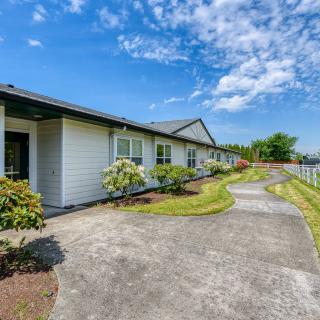
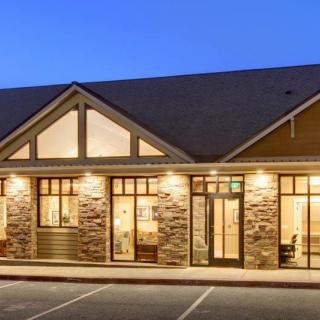
Bradley Park in Puyallup, WA is a vibrant and welcoming assisted living community that offers a range of care services and amenities to cater to the unique needs of its residents. Located in the beautiful city of Puyallup, this community provides both Independent Living and Memory Care options.

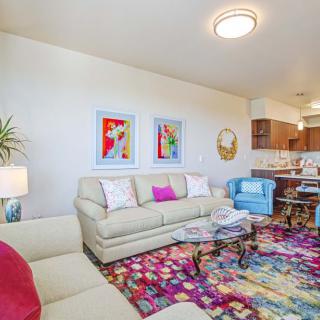
Residents of Bradley Park can enjoy a variety of amenities designed to enhance their daily lives. Activities are available on-site to keep residents engaged and entertained, while outdoor common areas offer opportunities for relaxation and socialization. The community also features air-conditioned units, indoor common areas, and ground floor units for ease of access. For those in need of specific assistance, there are wheelchair accessible showers and handicap accessible facilities.

Care services provided at Bradley Park include diabetic care and medication management. The dedicated staff ensures that residents receive personalized care with attention to their health needs.

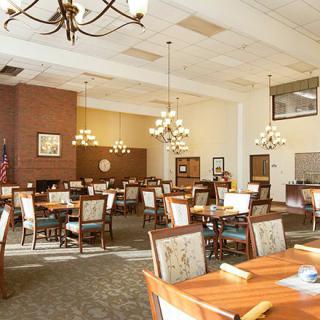
Dining at Bradley Park is an enjoyable experience with a wide range of options available. Meals provided are prepared by a professional chef, offering delicious restaurant-style dining experiences every day. The community provides various dietary options including gluten-free meals, low/no sodium choices, organic ingredients, no sugar options, as well as international cuisine. Special dining programs are also offered to meet individual preferences.

Engaging in stimulating activities is an important aspect of life at Bradley Park. Residents have the opportunity to participate in a diverse range of activities such as cooking classes, educational speakers/life-long learning sessions, day trips and outings, devotional activities offsite, happy hours, live dance or theater performances, live musical performances, stretching classes, tai chi sessions and yoga or chair yoga classes – ensuring that there is something enjoyable for everyone.

Furthermore, Bradley Park benefits from its convenient location near various amenities such as cafes, parks, pharmacies,and restaurants. Additionally, transportation services make it easy for residents to access nearby facilities or explore the surrounding area. With hospitals and physicians nearby,residents can rest assured knowing that medical care is readily available.

Bradley Park in Puyallup, WA is a warm and welcoming assisted living community that offers an array of amenities, care services, and engaging activities to ensure a comfortable and fulfilling lifestyle for its residents.

Nearby Places of Interest

This area of Puyallup, Washington offers a convenient and diverse selection of amenities for senior living. There are various dining options nearby, ranging from fast food chains like McDonald's to Greek cuisine at Giorgio's Greek Cafe. Pharmacies such as Safeway Pharmacy and Fred Meyer Pharmacy are easily accessible for medication needs. In case of medical emergencies, Multicare Health System and Multicare Medical Center are located within close proximity. Additionally, there are several parks in the area for outdoor activities and relaxation, including Bradley Lake Park and Sunset Park. For spiritual needs, Bethlehem Baptist Church and Iglesia Ni Cristo provide places of worship. With public transportation available at Sumner Station just 2.7 miles away, this neighborhood offers convenience and accessibility for seniors looking to settle in Puyallup.

Restaurants

  • Giorgio's Greek Cafe (0.4 miles)
  • Crockett's Public House (0.4 miles)
  • McDonald's (0.4 miles)
  • KFC (0.4 miles)
  • Jack In The Box (0.5 miles)
  • Burger King (0.7 miles)
  • Taco Time NW (1 miles)

Pharmacies

  • Safeway Pharmacy (0.5 miles)
  • Fred Meyer Pharmacy (0.7 miles)
  • Rite Aid (1.2 miles)
  • Beall's Compounding Pharmacy (2.2 miles)
  • Walmart Pharmacy (2.2 miles)
  • Mary Jeans Greens (2.5 miles)
  • Walgreens (2.9 miles)

Hospitals

  • Multicare Health System (0.5 miles)
  • Multicare Medical Center (1.2 miles)

Physicians

  • Puyallup Nuclear Medicine (0.9 miles)
  • Pediatrician Specialty Practices (1.1 miles)
  • South Sound Neurosurgery (1.1 miles)
  • NeoSpine Pain & Spine Specialist's (1.1 miles)
  • Northwest Medical Specialties (1.2 miles)
  • Richard C Ostenson Cancer Center (1.2 miles)
  • Tacoma Radiation Oncology Center, P.S. (1.2 miles)

Parks

  • Bradley Lake Park (2.2 miles)
  • Sunset Park (5.6 miles)
  • Lakeland Hills Park (6.2 miles)
  • Sunrise Park (6.3 miles)
  • Allan Yorke City Park (6.3 miles)

Cafes

  • Panera Bread (2.4 miles)
  • Dutch Bros Coffee (2.6 miles)
  • Rivers Edge Cafe (2.6 miles)
  • Dutch Bros Coffee (4.4 miles)
  • Starbucks (4.7 miles)
  • Starbucks (5.1 miles)

Transportation

  • Sumner Station (2.7 miles)

Places of Worship

  • Bethlehem Baptist Church (5.3 miles)
  • Iglesia Ni Cristo (6.3 miles)

Frequently Asked Questions

How much does it cost to live at Bradley Park in Puyallup in Puyallup, WA?
Where is Bradley Park in Puyallup?
Does Bradley Park in Puyallup provide care for residents with dementia or Alzheimer's disease?
Does Bradley Park in Puyallup allow residents to have pets?

Nearby Communities

  • The Rivers at Puyallup

    The Rivers at Puyallup

    Puyallup, WA

    4.1 from 102 reviews
    $1,750 to $3,895 / month

    pro Caring staff with engaging activities and a clean memory care area.

  • The Artful Lodger

    The Artful Lodger

    Puyallup, WA

    4.6 from 110 reviews
    $3,000 to $3,600 / month

    pro Clean facility with attentive staff, good meals, and pleasant outdoor spaces.

  • Puyallup Valley Enhanced Residential Care

    Puyallup Valley Enhanced Residential Care

    Puyallup, WA

    1 from 1 review
     

    pro Comprehensive care with 24/7 supervision, medication management, and a wide range of on-site amenities and social activities.

  • Puyallup Adult Family Home

    Puyallup Adult Family Home

    Puyallup, WA

    4.2 from 5 reviews
    $3,500 to $4,000 / month

    pro Responsive owner and clear communication

  • Valley Community Inn

    Valley Community Inn

    Puyallup, WA

    4.2 from 5 reviews
     

    pro Caring, respectful staff and a warm, collaborative environment with strong community ties.

  • Young at Heart Adult Family Home

    Young at Heart Adult Family Home

    Puyallup, WA

    4.7 from 3 reviews
    $5,000 / month

  • Life Care Center of Puyallup

    Life Care Center of Puyallup

    Puyallup, WA

    4.4 from 119 reviews
     

    pro Attentive, proactive staff with good communication and a clean, engaging environment.

  • Fieldstone Memory Care Puyallup

    Fieldstone Memory Care Puyallup

    Puyallup, WA

    4.6 from 76 reviews
    $5,500 to $6,850 / month

    pro Clean, welcoming facility with caring staff, engaging activities, and reliable family communication.

  • Life Care Center Of South Hill

    Life Care Center Of South Hill

    Puyallup, WA

    4.7 from 110 reviews
     

    pro Comprehensive on-site amenities and 24/7 care features.

Related Resources

  • how to talk to someone with dementiaHow to Communicate with a Loved One Living with Dementia: 10 Supportive Strategies
    The article outlines effective communication strategies for interacting with loved ones with dementia, highlighting the need for empathy, patience, and understanding while emphasizing supportive approaches like using simple language, minimizing distractions, and focusing on feelings over facts to maintain dignity and foster connection. It also suggests seeking professional guidance when needed as communication challenges evolve.

  • va nursing homeComprehensive Guide to VA Nursing Homes: A Crucial Long-Term Care Resource for Veterans
    VA nursing homes, or Community Living Centers (CLCs), offer tailored long-term care for veterans, featuring medical attention and rehabilitation in a supportive environment. The guide covers facility types, eligibility criteria, financial assistance options, quality of care standards, and alternatives to full-time nursing home placement.

  • in home dementia care costsEstimating the Expenses of At-Home Dementia Care: A Detailed Exploration

    At-home dementia care expenses vary widely based on care levels, location, and caregiver expertise, with monthly costs for home health aides exceeding $4,500 and specialized care potentially surpassing $100,000 annually. While families favor in-home care for its comfort and personalized attention, they must consider financial planning and the challenges of caregiver fatigue.