
1304 W. Main St alt #: 253-445-0343, Puyallup, WA 98371
To contact a resident: (253) 770-8167
For more information about senior living options: (866) 208-4318
Young at Heart Adult Family Home Costs & Pricing
At Young at Heart Adult Family Home, the monthly cost for a private room is set at $5,000. This figure positions the facility slightly above the average rates found in Pierce County, which stand at approximately $4,623, and the broader state of Washington, where the average reaches around $4,772. While Young at Heart's pricing reflects a premium compared to these benchmarks, it may be indicative of the personalized care and unique amenities offered within the home that cater to residents' needs. Such investments often contribute to an enhanced quality of life and comfort that families seek when selecting adult family homes.
| Floor plans | Young at Heart Adult Family Home | Pierce County | Washington |
|---|---|---|---|
| Private | $5,000 | $4,623 | $4,774 |
Senior living communities with a similar price nearby
-
from +$500 / mo

Twin Lake Adult Family Home
$5,500 to $6,500 / month8.3 miles away -
About the same
Peace and Pleasant Care Adult Family Home II
$5,000 to $6,000 / month14.1 miles away -
from -$695 / mo
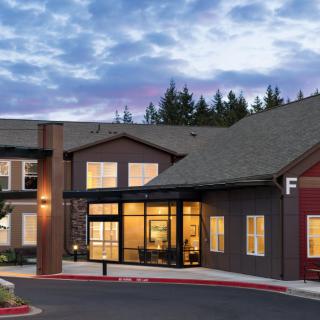
Penrose Harbor at Heron's Key
$4,305 to $7,332 / month16.6 miles away -
from -$500 / mo
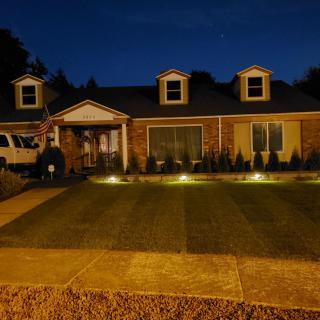
A Serenity AFH
$4,500 to $6,000 / month9.2 miles away -
from +$500 / mo

3 Tree Vista Adult Family Home, LLC
$5,500 / month18.8 miles away
Overall Review of Young at Heart Adult Family Home
Pros
 It is a great place to live.
- It is clean and organized.
- There is great care and service.
- The management is great.
- The staff are hardworking and friendly.
- The location is great and not far from shopping centers.
- The city is beautiful and the neighborhood is great.
- The tour guides were friendly and informative.
Review
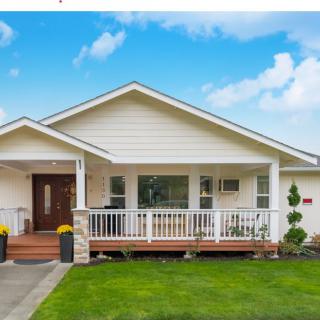
Young at Heart Adult Family Home in Puyallup is best suited for seniors who want a warm, home-like setting where personal attention from a small staff team is the default, not the exception. The reviews emphasize a clean, organized environment and a culture of care that feels more intimate than a large campus. The property’s location is a clear plus: not far from shopping centers, nestled in a beautiful city and neighborhood, which helps residents maintain independence while still staying connected to everyday conveniences. This is a place where residents can settle into a predictable daily rhythm with frontline staff who know them by name and respond promptly to routine needs.
Those considering alternatives should recognize this is a smaller, family-style arrangement rather than a large-scale, hospital-like facility. For seniors requiring intensive medical oversight, complex wound care, 24/7 skilled nursing, or specialized memory care, a bigger community with dedicated medical resources will likely be a better fit. Prospective families weighing options should also consider environments that offer a broader slate of structured programming, diverse on-site activities, and transportation options tailored to residents with greater mobility or cognitive challenges. If the priority is the depth and breadth of medical or cognitive support, a larger assisted living or a memory-care specialization may be more appropriate.
The strongest positives here revolve around care quality and the everyday lived experience. Cleanliness and organization are repeatedly highlighted, backing up a sense of safety and comfort in the space. The care and service are described as excellent, and management is portrayed as effective and responsive. A hardworking, friendly staff reinforces trust that daily routines, meals, medication reminders, support with activities of daily living, are handled reliably. The combination of attentive staff and a small, manageable environment provides a level of consistency that families often seek when they are trying to minimize the stress of ongoing caregiving and daily decision-making.
Another compelling pro is the staff’s evident commitment. The reviews consistently note the staff as diligent and approachable, with tours that left a positive impression because the team was friendly and informative. This speaks to transparency and a culture where questions are welcomed and residents’ preferences are likely to be honored. The proximity to shopping and the broader community adds a practical advantage: residents can maintain independence and dignity through easy access to errands, social activities, and neighborhood amenities, all within a safe, familiar setting.
From a decision-making standpoint, this community makes sense for families who prioritize a home-style atmosphere, dependable daily care, and a convenient locale. Families evaluating Young at Heart should verify staffing ratios for daytime and evening coverage, confirm how personalized care plans are developed and reviewed, and ask how meals, housekeeping, and transportation are arranged in practice. It’s prudent to explore how memory-related needs would be handled, what safety features are in place, and what happens if medical or emergency needs arise during off-hours. If these factors align with a resident’s current and near-future requirements, the choice stands out.
In the end, Young at Heart Adult Family Home should be a strong candidate for seniors who prize a small, personally attentive community with clean, well-maintained surroundings and a location that keeps errands within easy reach. For families seeking a high-touch, affordable, neighborhood-oriented option in Puyallup, it delivers on its promises with a level of consistency that reduces the guesswork often associated with senior living. If medical acuity increases or if a resident requires specialized memory care, alternatives with broader medical infrastructures should be pursued; otherwise, this community offers a prudent, confident path for those who value continuity, accessibility, and a supportive, neighborly feel.
 Board and Care Home
 Cats allowed
 Activities on-site
 Beautician on-site
 Devotional services on-site
 Indoor common areas
 Outdoor common areas
 Private
 Private bathrooms
 Wheelchair accessible showers
 Seattle-Tacoma International (18 miles away)
 Diabetic care
 High acuity care
 Incontinence care
 Medication management
 Kosher


 Comprehensive Guide to Blood Pressure Charts for Older Adults: Understanding Normal and High Readings by Age
 Financing Long-Term Nursing Home Care Through Social Security: A Thorough Exploration
 Essential Knowledge on Pneumonia in Older Adults