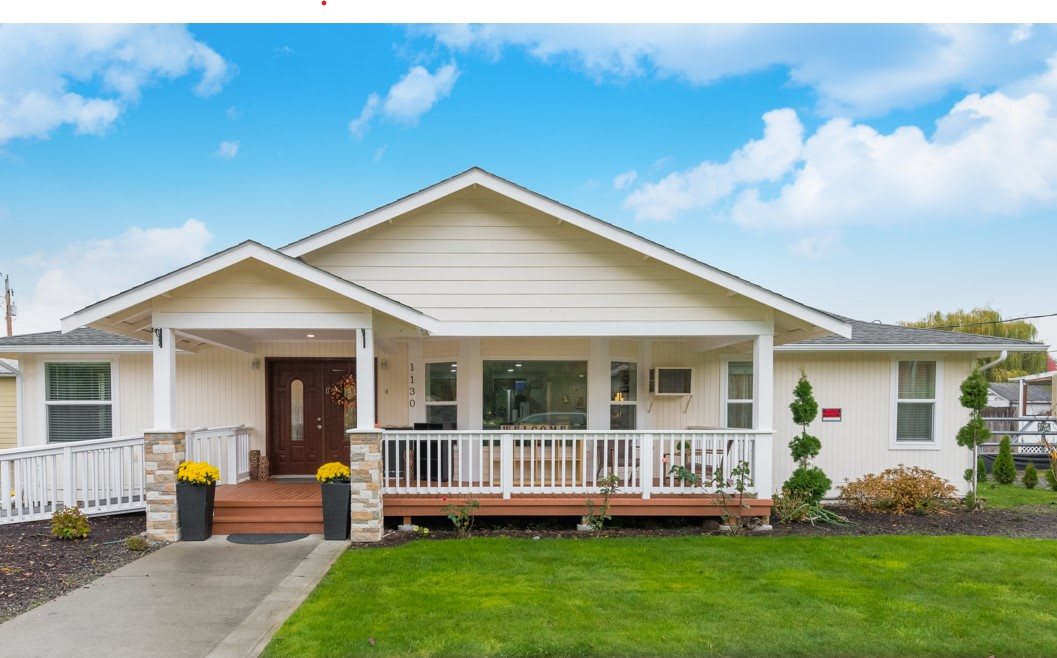
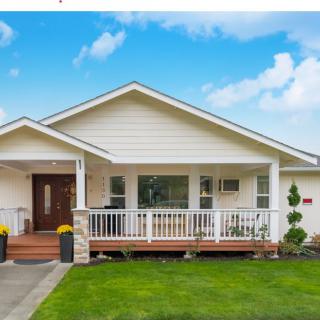
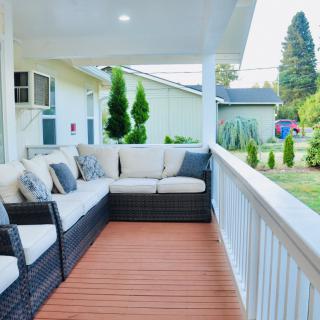
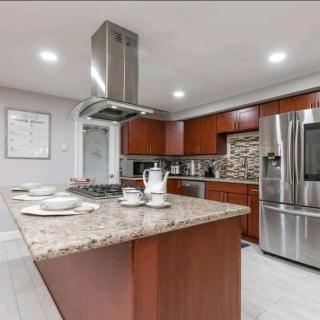
1130 11th St SW, Puyallup, WA 98371
To contact a resident: (253) 315-9184
For more information about senior living options: (866) 208-4318
Silver Creek Adult Family Home Costs & Pricing
Silver Creek Adult Family Home presents a pricing structure that is notably higher than both the county and state averages for similar living arrangements. For semi-private rooms, residents at Silver Creek can expect to pay $6,500 per month, significantly above Pierce County's average of $4,264 and Washington state's average of $4,267. The costs are similar when considering private room options; at Silver Creek, the monthly charge is $7,000 versus Pierce County's $4,623 and Washington state's $4,772. Studio apartments mirror this trend as well, with Silver Creek's rate standing at $7,000 compared to county and state averages of approximately $4,039 and $4,126 respectively. This difference in pricing may reflect the unique amenities and personalized care services offered by Silver Creek Adult Family Home.
| Floor plans | Silver Creek Adult Family Home | Pierce County | Washington |
|---|---|---|---|
| Semi-Private | $6,500 | $4,264 | $4,272 |
| Private | $7,000 | $4,623 | $4,774 |
| Studio | $7,000 | $4,039 | $4,128 |
Memory care communities with a similar price nearby
-
from -$1000 / mo

Twin Lake Adult Family Home
$5,500 to $6,500 / month9.0 miles away -
from -$500 / mo
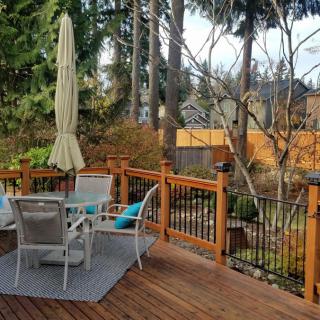
Blue Horizon Adult Family Home
$6,000 to $7,000 / month19.8 miles away -
from -$500 / mo

Harbor View Adult Family Home
$6,000 to $6,500 / month8.7 miles away -
About the same
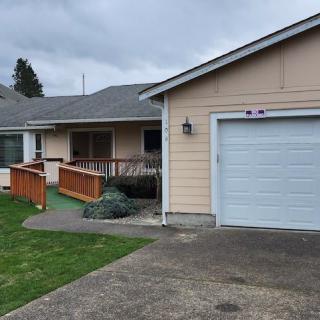
Homebridge Adult Family Home
$6,500 to $8,000 / month5.6 miles away -
from -$500 / mo
Goshenland D Adult Family Home
$6,000 / month19.8 miles away
Overall Review of Silver Creek Adult Family Home
Pros
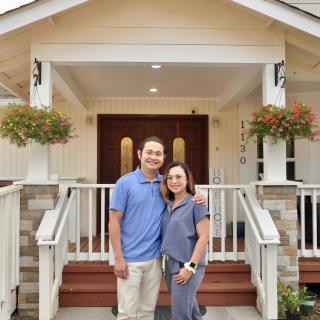
 Annie, Romeo, and their staff exceed expectations with loving, attentive care.
- They make every resident feel welcome and loved.
- They celebrate holidays and special events by inviting families, creating a true family home.
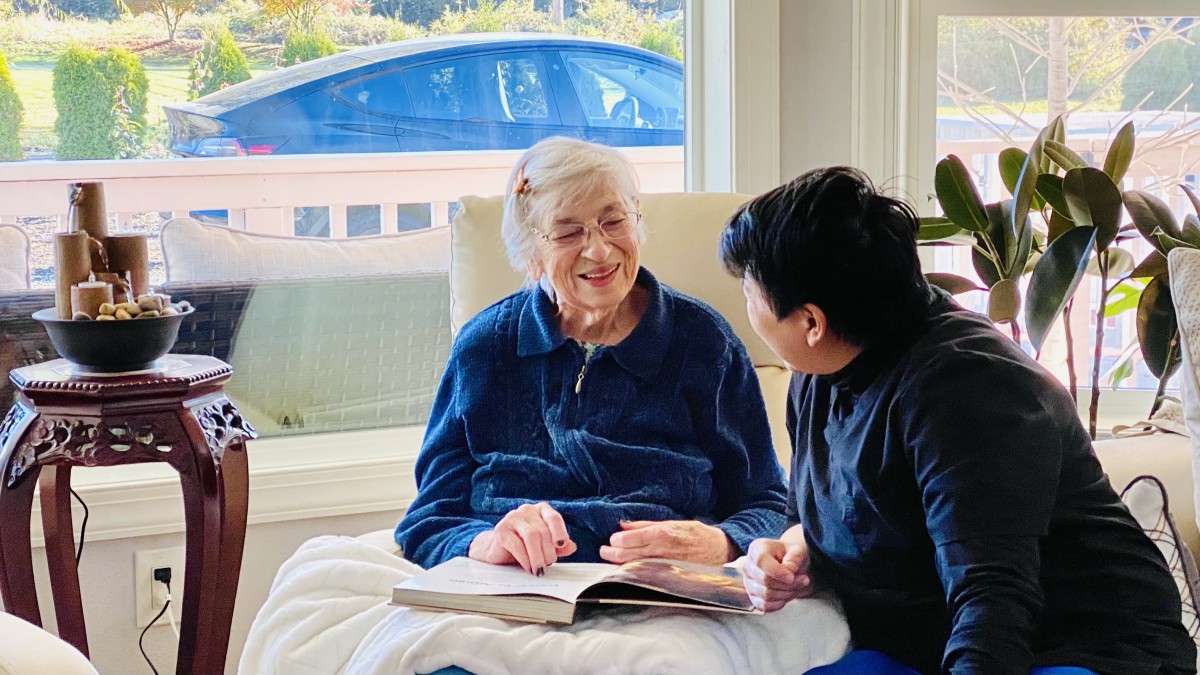
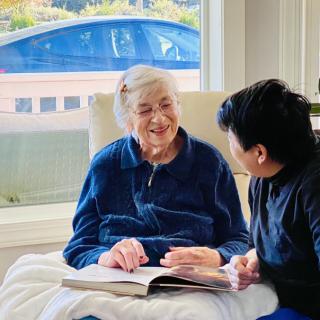
- The caregivers are compassionate and engage residents daily in meaningful activities.
- The owners and caregivers go above and beyond for each resident, with meticulous attention to dignity and personal needs.
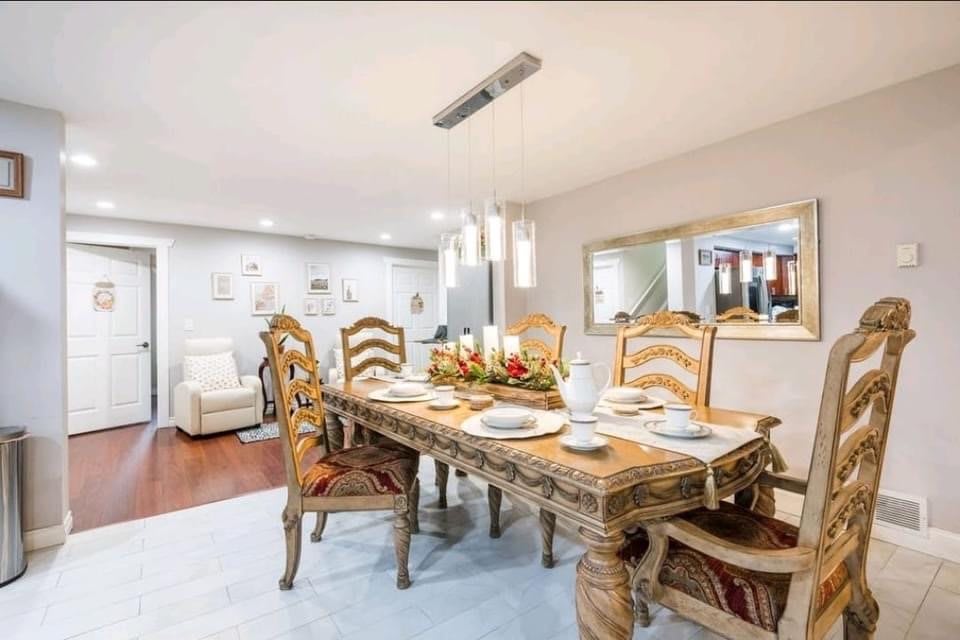
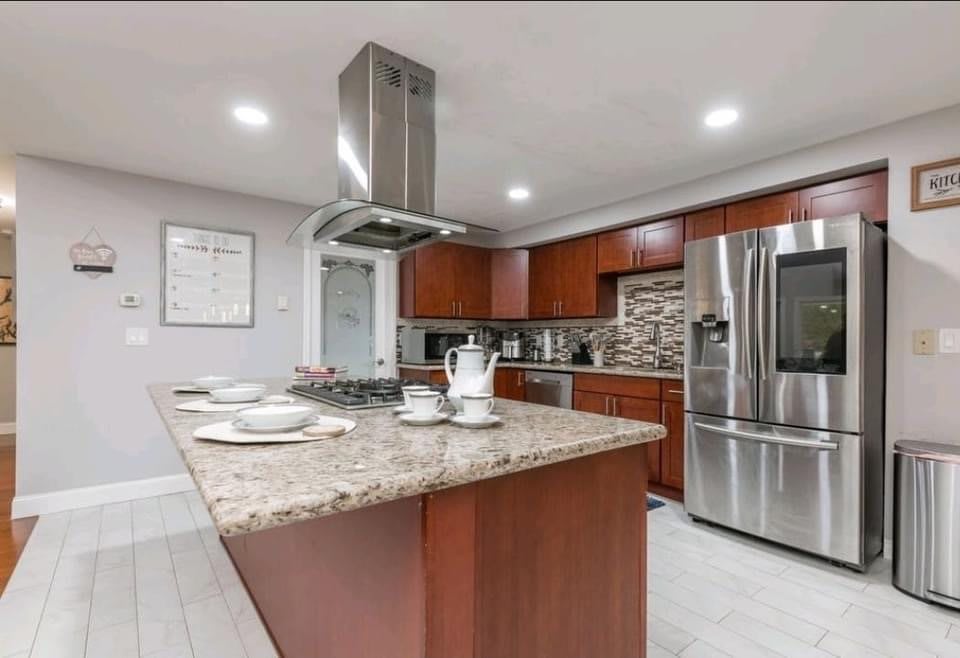
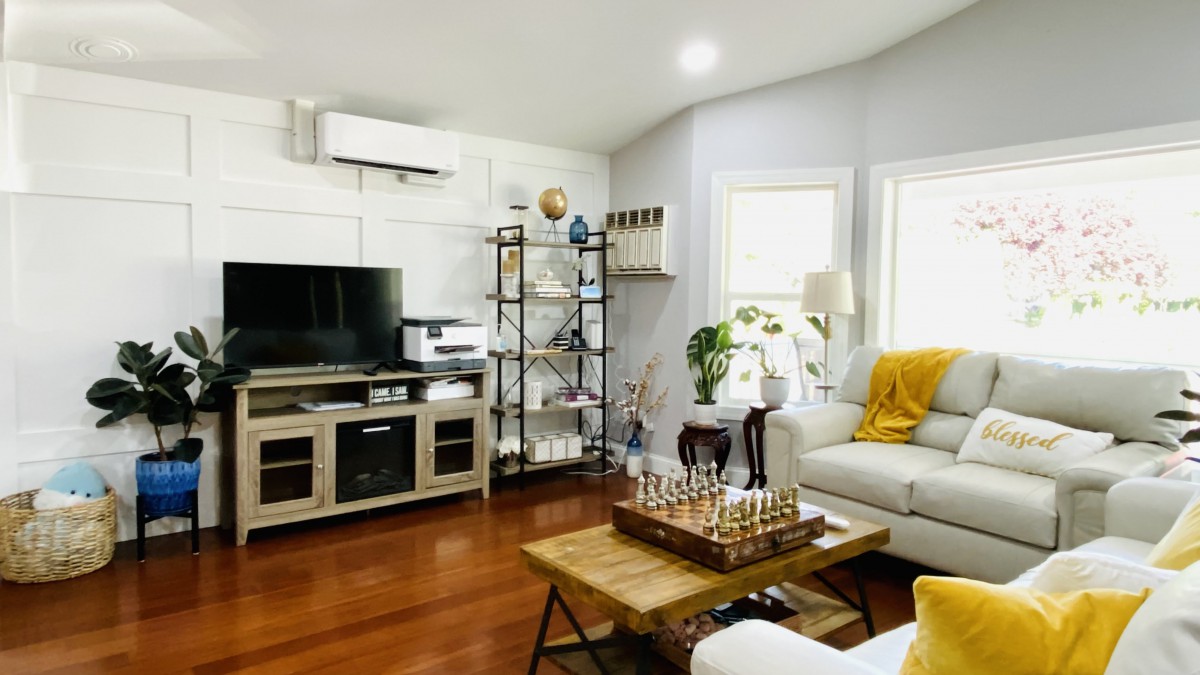
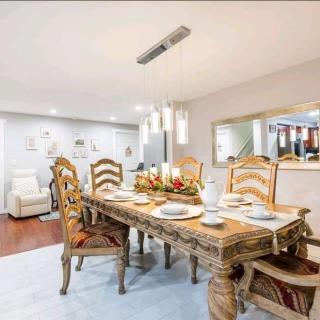
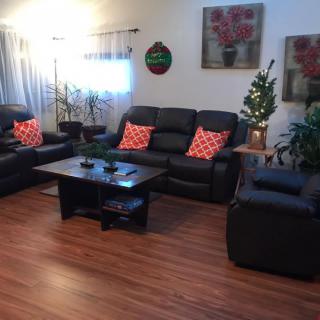
- The home is warm, clean, well organized, and comfortable, offering great food and a festive ambiance.
- Families feel blessed to have found Silver Creek AFH for their loved ones.
Review
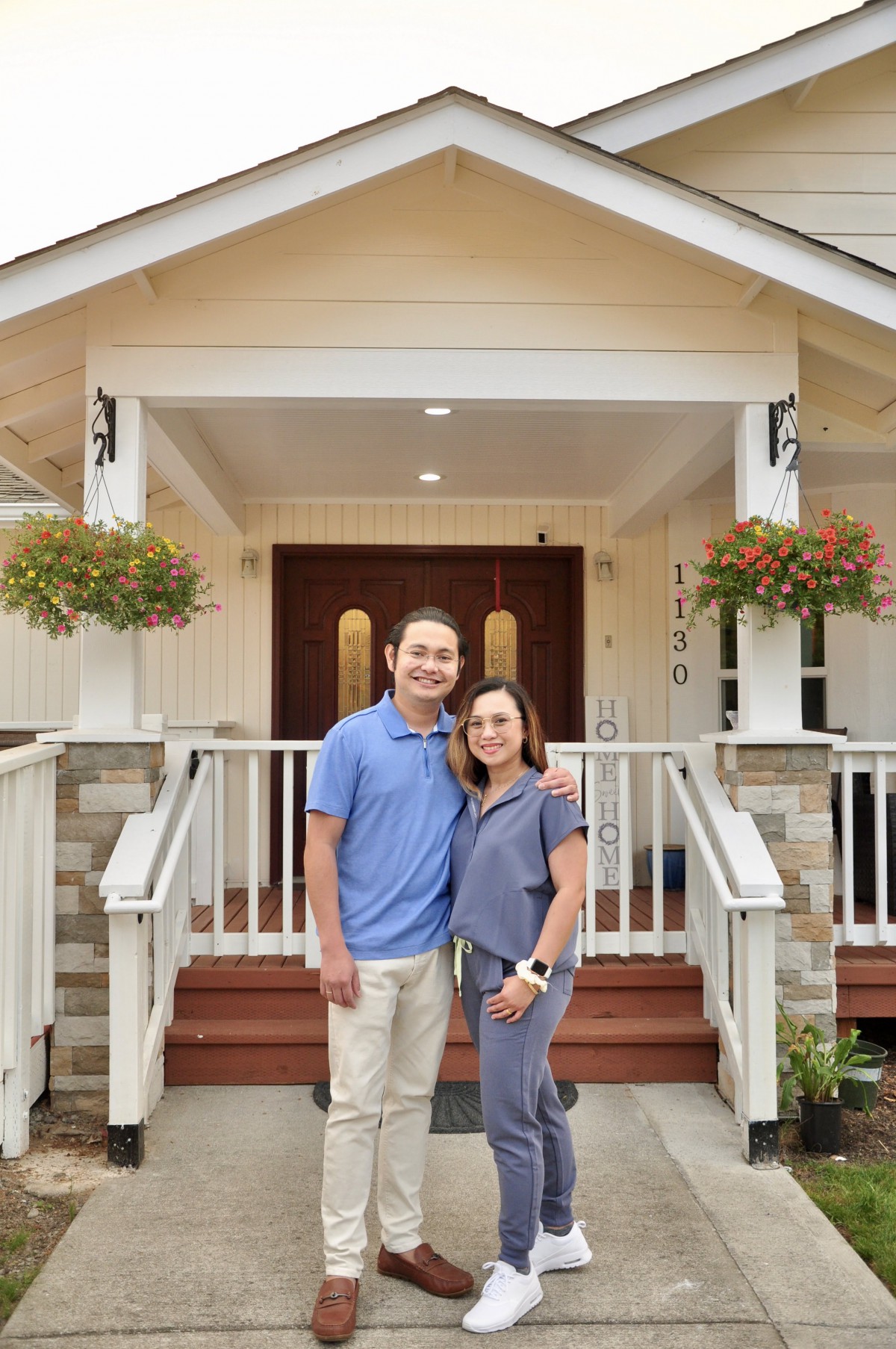
Silver Creek Adult Family Home in Puyallup is best suited for families seeking a warm, home-like setting where care feels intensely personal and consistently attentive. The community operates as a small, family-style AFH guided by Annie and Romeo, with staff who know residents by name and welcome families into a living room atmosphere that feels more like a home than a facility. When dignity, daily routines, and meaningful relationships matter, this is the spot. It suits seniors who thrive on familiar rituals, regular companionship, and leadership that stays close to the floor, where care is tailored, visible, and intimate.
Those weighing alternatives should consider residents whose needs extend beyond what a six-resident home can reliably provide. If medical complexity requires constant clinical oversight, or if dementia-specific programming and robust memory-care supports are essential, a larger assisted living or dedicated memory-care campus is likely a more suitable match. For families prioritizing extensive on-site rehabilitation, broad transportation services, or a wide calendar of structured activities, the scale and resources of bigger communities may deliver more consistent access. In short, when clinical depth and breadth of services become the priority, exploring other options is prudent.
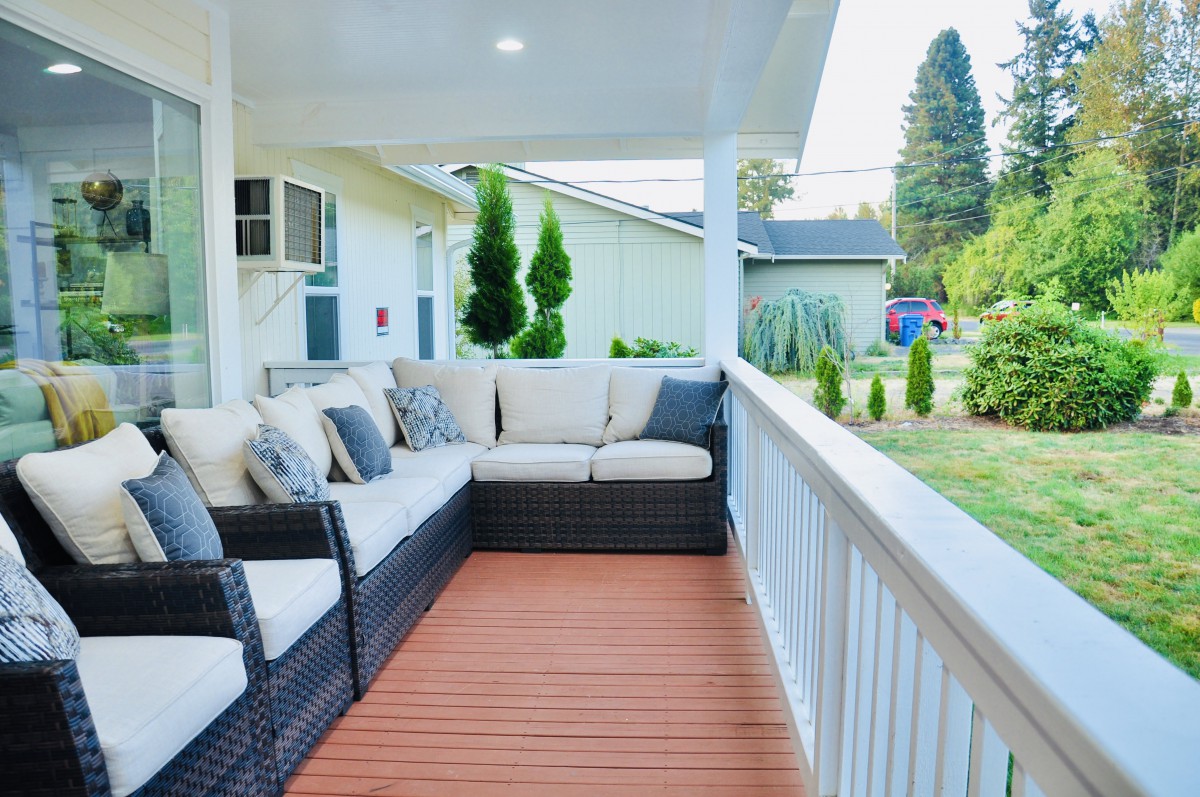
The standout strengths are unmistakable: a hands-on ownership team, a clean and well-organized home, and a culture of genuine care. Annie and Romeo are frequently described as kind and knowledgeable, with owners who are present and actively involved in daily caregiving alongside their staff. The environment is conducive to outdoor time in a rose garden, simple, engaging activities, and holiday celebrations that invite families to participate. This blend of personal attention, homey comfort, and visible leadership creates a trust and reliability that larger facilities often struggle to reproduce.
These strengths offset the main trade-off inherent to a small AFH, the limited scale of services. The intimate setup means fewer on-site medical resources and fewer specialized programs, which can be a constraint for residents with significant clinical needs. Yet the flip side is compelling: nimble care plans, easy communication with owners, and a rhythm of life where staff know preferences and histories without layers of bureaucracy. For families prioritizing immediacy, consistent warmth, and the feeling that care is customized rather than boxed, the advantages outweigh the drawbacks.
Reviewers consistently emphasize outcomes beyond routine safety and daily care. Residents appear engaged and well cared-for, with affectionate attention to grooming, skin care, and proper nutrition. Meals are described as good options, and the home atmosphere remains festive and inviting, especially during holidays. The overarching message is that residents are treated with dignity and respect, and that the owners’ hands-on involvement reinforces a sense of trust and continuity loved by families. This is not merely a place to live; it is a community that feels like a supportive, extended family.
For families making a decision, the practical takeaway is clear. If the priority is a warm, family-forward environment where residents are known individually and care is deeply personalized, Silver Creek AFH stands out as a leading choice in Puyallup. If clinical intensity, dementia-specific programming, or expansive activity and transport options are non-negotiable, it is wise to explore larger, more resourced communities. The best choice rests on matching medical needs and daily lifestyle expectations with what each option can reliably deliver, and in that calculus, Silver Creek AFH offers a compelling, human-centered alternative that excels in care, connection, and daily quality of life.
 Board and Care Home
 Memory Care
 Private
 Seattle-Tacoma International (19 miles away)
 Exploring the Power of Reminiscence Therapy for Individuals With Dementia
 An In-Depth Look at Reminiscence Therapy in Dementia Care
 Dementia-Related Hallucinations: Causes, Experiences, and Practical Approaches