
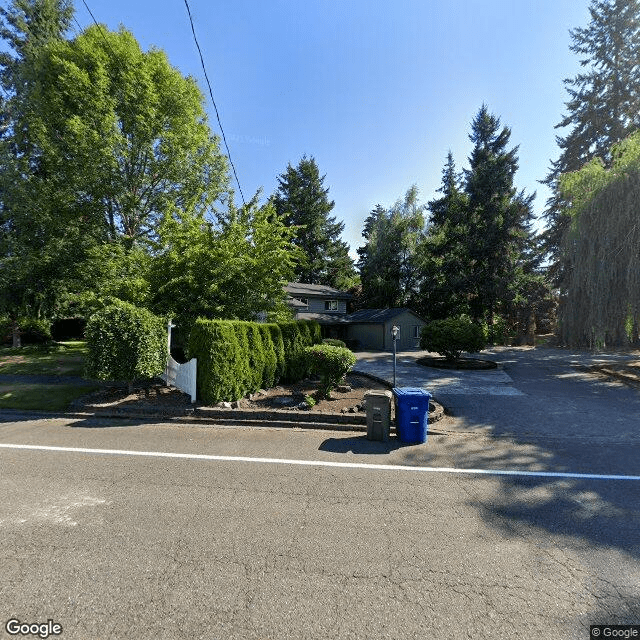
1921 Tacoma Rd, Puyallup, WA 98371
To contact a resident: (253) 845-3344
For more information about senior living options: (866) 208-4318
Campbell's Adult Family Home Costs & Pricing
Campbell's Adult Family Home offers competitive pricing for its accommodation options when compared to the averages in Pierce County and the broader state of Washington. For a semi-private room, residents are charged $4,000 per month, which is notably lower than the county average of $4,264 and the state average of $4,267. Private rooms at Campbell's are available for $4,500, again undercutting both local and state averages of $4,623 and $4,772 respectively. The home also provides a one-bedroom option for $5,000, which is slightly higher than Pierce County's average of $4,456 but remains favorable compared to Washington state's average of $4,632. Lastly, the studio apartments are priced at $5,500 - still lower than both the county ($4,039) and state ($4,126) averages. Overall, Campbell's Adult Family Home stands out as an affordable choice without compromising on quality care.
| Floor plans | Campbell's Adult Family Home | Pierce County | Washington |
|---|---|---|---|
| Semi-Private | $4,000 | $4,264 | $4,272 |
| Private | $4,500 | $4,623 | $4,774 |
| 1 Bedroom | $5,000 | $4,456 | $4,634 |
| Studio | $5,500 | $4,039 | $4,128 |
Memory care communities with a similar price nearby
-
About the same

Riverton Home Care
$4,000 to $5,000 / month19.6 miles away -
About the same
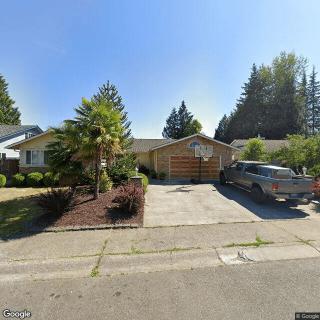
Gentle Care Home
$4,000 to $5,500 / month19.9 miles away -
from -$500 / mo

Twin Lakes Haven Adult Family Home
$3,500 to $8,000 / month8.8 miles away -
from -$500 / mo
Ahadi Care Adult Family Home
$3,500 to $4,000 / month4.4 miles away -
from +$305 / mo

Penrose Harbor at Heron's Key
$4,305 to $7,332 / month16.1 miles away
Overall Review of Campbell's Adult Family Home
Pros
 The location is great.
- The staff are caring.
- The residents are all very happy with the services they receive.
- They do an amazing job supporting the people they serve.
- The facility has a nice location and a manicured lawn.
Cons
 The house could use a paint job.
- The appointment to tour was canceled because the facility had just filled the vacancy.
Review
Campbell’s Adult Family Home in Puyallup is best suited for families seeking a small, home-like setting where caregivers can deliver highly personalized attention in a walkable, nearby neighborhood. The community’s strengths lie in a prime location and a staff culture that residents and families consistently describe as caring and responsive. The property sits in a well-kept, residential area with a manicured lawn and a pleasant curb appeal that adds to peace of mind for visitors who value ease of access and a familiar, low-stress atmosphere. For seniors who prioritize close daily interactions with caregivers and neighbors over expansive programming, this setting can feel like a natural, supportive extension of home.
The standout positives, repeatedly echoed in the reviews, center on the staff’s care and the overall sense of well-being among residents. Families report that staff are attentive, compassionate, and proactive in supporting the people they serve, with several notes of appreciation for the level of personal attention provided. When praise centers on “caring staff” and residents being “very happy,” it signals a culture where daily routines, safety, and comfort are prioritized. The sentiment that the home does “an amazing job supporting the people they serve” reinforces the impression of steady, hands-on care that many families value when evaluating a small community. The combination of thoughtful staff and a serene physical setting can translate into meaningful, day-to-day quality of life for residents.
However, the small size and the realities of operating an intimate home do introduce constraints that merit careful consideration. The reviews acknowledge a limited capacity, which can manifest as scheduling quirks, one prospective family canceled a tour after learning a vacancy had already filled, and a perception that admissions can move quickly, without long holds. That same reality, limited vacancies coupled with rapid turnover, means planning ahead is essential, and families should prepare for potential changes in tour or admission timing. A house with potential upkeep needs also appears in the feedback: one reviewer noted the exterior could use a fresh paint job, a reminder that even well-run homes in this category may show signs of aging or require periodic updates. These practical considerations matter because they touch on predictability, long-term maintenance, and the overall aesthetic that contributes to comfort and pride of place.
The benefits in care quality and location do offset these drawbacks for many families, but the balance won’t suit everyone. For residents who thrive on a bustling calendar of activities, robust rehabilitation services, or complex medical oversight, the intimate scale of Campbell’s may feel restrictive. A small home typically has fewer program options and clinicians on site than larger facilities, which can be a limiting factor for those with evolving needs or specific care plans. Yet for those who prize continuity of care, consistent point-of-contact caregivers, and a sense of community, the advantages can outweigh the limitations. The key is alignment between care expectations and what a family can realistically secure in a small, location-centric setting.
To determine fit, families should compare Campbell’s with alternatives that offer broader capacity or more intensive medical support. If a longer wait for admission is concerning, or if family members anticipate requiring memory care, skilled nursing, or frequent rehab, exploring other communities may be prudent. The decision should hinge on the degree of medical oversight needed, the desired breadth of activities, and the importance of guaranteed or prompt admission. Campbell’s excels where personal attention, home-like ambiance, and proximity matter most; it falters for those who demand more extensive infrastructure or guaranteed availability.
In the final assessment, Campbell’s Adult Family Home is a strong option for families prioritizing a small, neighborly environment with consistently praised caregiving and a serene setting in Puyallup. Its best-case value comes from the combination of attentive staff, resident satisfaction, and a convenient, attractive location. The caveats, limited capacity, potential upkeep notes, and the absence of expansive program scale, should be weighed against those strengths. Prospective buyers should plan a focused visit, ask for a current resident mix and daily routine breakdown, and verify admission timing and exact care capabilities. If those elements align with need and budget, the community can deliver a connected, dignified, home-forward living experience; if they do not, alternatives with larger scale and more extensive medical services will likely serve better.
 Board and Care Home
 Memory Care
 Activities off-site
 Bath tubs
 Beautician on-site
 Devotional services off-site
 Indoor common areas
 Outdoor common areas
 Private
 Seattle-Tacoma International (18 miles away)
 Ambulatory care
 Diabetic care
 High acuity care
 Incontinence care
 Medication management
 Meals provided





 Engaging Memory Care Activities That Enhance Quality of Life
 When to Transition from Assisted Living to Memory Care: Key Indicators, Steps, and Finding the Right Community
 Understanding the Distinctions: Assisted Living and Memory Care Explained