
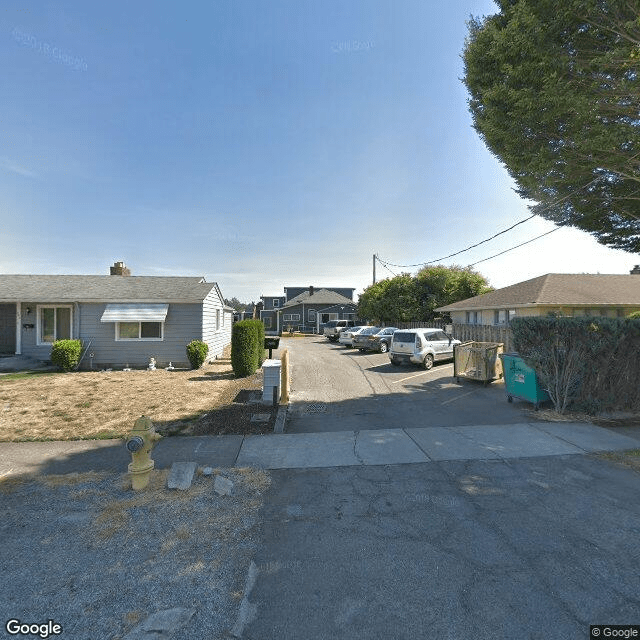
723 2nd St Nw, Puyallup, WA 98371
To contact a resident: (253) 604-4883
For more information about senior living options: (866) 208-4318
Puyallup Adult Family Home Costs & Pricing
Puyallup Adult Family Home offers competitive pricing for its services, particularly when compared to both Pierce County and the broader Washington state averages. For a semi-private room, residents can expect to pay $3,500 per month, significantly lower than the county average of $4,264 and the state average of $4,267. Similarly, for those considering a private room option, Puyallup's rate of $4,000 is more economical than the county's average of $4,623 and the state's average of $4,772. This cost-effectiveness positions Puyallup Adult Family Home as an attractive choice for families seeking quality care without the financial strain often associated with similar facilities.
| Floor plans | Puyallup Adult Family Home | Pierce County | Washington |
|---|---|---|---|
| Semi-Private | $3,500 | $4,264 | $4,272 |
| Private | $4,000 | $4,623 | $4,774 |
Senior living communities with a similar price nearby
-
from +$500 / mo
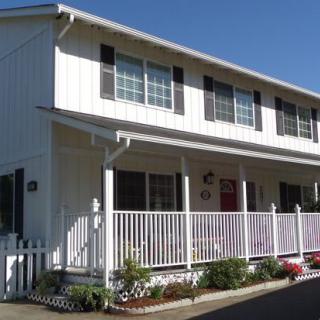
Meadow Crest Senior Home
$4,000 to $6,000 / month22.0 miles away -
from -$500 / mo

Hummingbird Homecare
$3,000 / month5.1 miles away -
from +$500 / mo

Riverton Home Care
$4,000 to $5,000 / month19.3 miles away -
from -$500 / mo
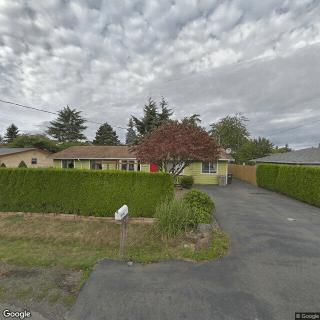
Home Care in Kent Inc.
$3,000 to $3,500 / month13.8 miles away -
from +$500 / mo
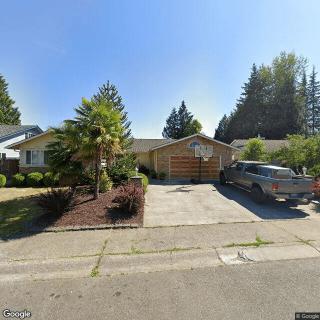
Gentle Care Home
$4,000 to $5,500 / month19.1 miles away
Overall Review of Puyallup Adult Family Home
Pros
 The owner is wonderful.
- She gets right back to people who reach out.
Review
Puyallup Adult Family Home is best suited for seniors who want an intimate, owner-led setting in which daily life is shaped by direct involvement from the proprietor and where communication with administration remains fast, personal, and straightforward. The small, home-like nature of this arrangement tends to reward residents who value continuity, knowing the caregiver by name, predictable routines, and responsiveness when questions or issues arise. For families prioritizing a warm, low-friction handoff between hospital, doctor, and home care, this community delivers a compelling match in the Puyallup area.
At the same time, this option may not be the right fit for everyone. Families needing consistent, formal medical oversight, 24/7 on-site nursing, or specialized programming (such as memory care or highly structured activity schedules) should explore alternatives. Larger assisted living facilities or memory-care communities often offer broader staff coverage, more regimented care plans, and a wider menu of on-site services. If the priority is robust clinical support, extensive therapeutic programming, or a transparent policy framework with predictable staffing levels, those needs are likely better met elsewhere.
Pros are clearly anchored in the owner’s character and the daily experience that comes with a small, closely managed setting. The two strong, top-rated reflections emphasize that the owner is wonderful and responds quickly to inquiries. That level of accessibility translates into smoother scheduling, faster problem resolution, and a sense of trust that families can lean on during transitions or health shifts. In practice, this kind of direct accountability minimizes friction, families aren’t left chasing administrators or waiting for email replies when a concern arises. For residents who thrive on personal attention and a sense of being known, these are meaningful advantages.
Yet, the data available is sparse beyond those positive notes, and a 3.7 rating from three reviews, along with a single one-star rating, counsels caution. The limited volume means there is insufficient public detail about staffing ratios, daily routines, meal quality, safety features, or how care plans are implemented day to day. Without that context, families must probe aggressively during visits to confirm whether the level of care aligns with the resident’s needs and expectations. The small footprint that yields intimacy can also imply limited backup coverage, fewer on-site amenities, and a reliance on a single proprietor to supervise all aspects of care, which introduces a potential vulnerability if health needs become more complex.
Those pros offset the cons to the extent that a prospective resident or family places high value on responsiveness, personalized touch, and transparent, direct communication. For someone who has a stable, uncomplicated care plan and simply wants a trusted point of contact who can adapt routines day-to-day, the owner-led model can outperform larger operators in terms of continuity and ease of coordination with family members. However, when medical complexity rises, or when expectations include formalized oversight, structured activity calendars, and clearly documented policies, the current profile may fall short. In short, the setting shines where intimate, adaptable care is paramount; it struggles where scale and formal program breadth are the priority.
Practical next steps are clear. Schedule a visit with a specific focus on meeting the owner in person and evaluating how care is actually delivered. Request a tour of living spaces, ask to see the current care plan process, and inquire about staff qualifications, shift coverage, medication management, and emergency procedures. Bring concrete questions about meal programs, activity options, transportation, and costs beyond base rent, including any add-on services. Push for references from current residents or families, and verify licensing status and any recent inspection notes. Compare this community against a couple of other local options to judge whether the intimate, owner-driven approach or a more structured, larger setting better aligns with the senior’s health needs, lifestyle preferences, and family logistics.
For families that prize swift communication, a steadfast, hands-on owner, and a small-scale, homelike environment, Puyallup Adult Family Home presents a credible, compelling choice. It earns its place for those who want a high-touch experience and are confident in managing the potential limitations that come with a small operation. If the resident’s needs are more complex or require formalized nursing oversight, or if a broader program and social schedule are non-negotiable, the prudent move is to compare this option with other nearby communities that offer more extensive medical support and richer programmatic offerings. The best decision will align the resident’s health realities with the setting’s strengths, while clearly illuminating any gaps that demand a different match.
 Board and Care Home
 Activities off-site
 Bath tubs
 Devotional services off-site
 Indoor common areas
 Outdoor common areas
 Private
 Private bathrooms
 Respite or short term stays offered
 Wheelchair accessible showers
 Seattle-Tacoma International (17 miles away)
 Diabetic care
 High acuity care
 Incontinence care
 Medication management
 Kosher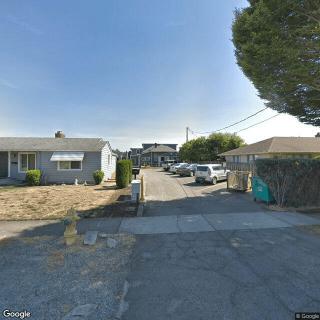





 Effective Strategies for Keeping Seniors' Minds Active: A Deep Dive into Brain Games and Apps
 In-Depth Look at the VA Aid and Attendance Program
 Nurturing Our Loved Ones: A Daughter's Journey in Caring for Her Mother