
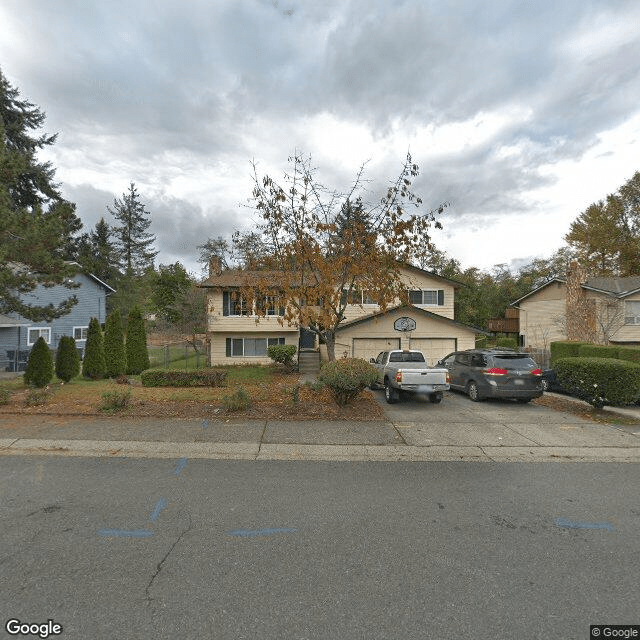
4802 SW 325th Place, Federal Way, WA 98023
To contact a resident: (253) 740-8123
For more information about senior living options: (866) 208-4318
Meridian AFH II Costs & Pricing
Meridian AFH II offers competitive pricing for its residential care services, particularly when compared to the average costs in Pierce County and the broader Washington state. For a semi-private room, residents can expect to pay $3,000 per month, which is significantly lower than the county average of $4,264 and the state average of $4,267. Similarly, both one-bedroom and private accommodations at Meridian are priced at $3,500 per month - again more affordable than Pierce County's averages of $4,456 for a one-bedroom and $4,623 for a private room. This cost advantage positions Meridian AFH II as an appealing choice for families seeking quality care without the hefty price tag often associated with similar facilities.
| Floor plans | Meridian AFH II | Pierce County | Washington |
|---|---|---|---|
| Semi-Private | $3,000 | $4,264 | $4,272 |
| 1 Bedroom | $3,500 | $4,456 | $4,634 |
| Private | $3,500 | $4,623 | $4,774 |
Memory care communities with a similar price nearby
-
About the same
Hummingbird Homecare
$3,000 / month7.9 miles away -
About the same
Home Care in Kent Inc.
$3,000 to $3,500 / month10.2 miles away -
from +$500 / mo

Twin Lakes Haven Adult Family Home
$3,500 to $8,000 / month1.5 miles away -
from -$500 / mo
Freedom Care
$2,500 to $3,000 / month12.8 miles away -
from +$500 / mo
Ahadi Care Adult Family Home
$3,500 to $4,000 / month13.1 miles away
Overall Review of Meridian AFH II
Pros
 Helena provides wonderful care for her clients; she is caring, empathetic, and gentle.
- Helena adheres to all Department of Health regulations and runs an incredible AFH.
- A seasoned RN with over 10 years in home care regards this as one of the good ones.
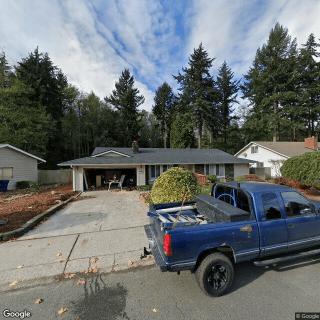
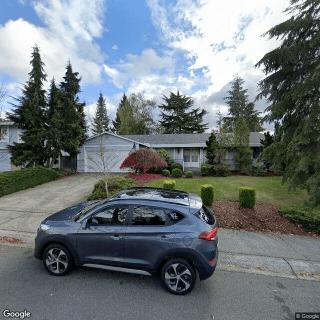
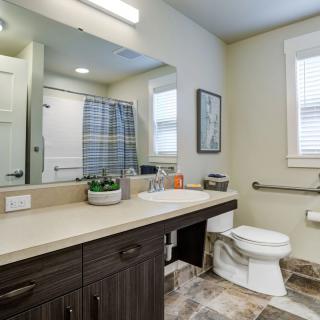
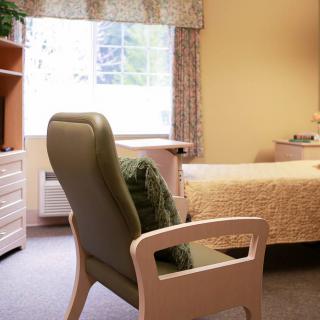
- Hilina’s home has a layout that balances privacy and social interaction; it is modern, warm, inviting, and clean.
- Hilina is attentive and respectfully caring, with a positive outlook and a good sense of humor.
- The space is lovely, the staff are friendly, and the home is beautiful with caring caregivers.
- The provider is amazing and loves what she does; for her, caregiving is more than a job—it feels like family.
Review
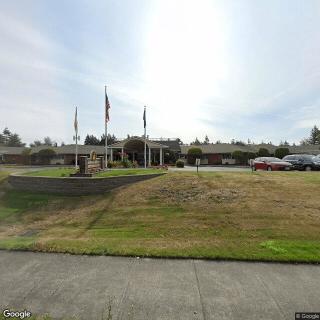
Meridian AFH II in Federal Way, WA is best suited for seniors who want a warm, intimate, home-like setting where care is personal, consistent, and delivered with genuine kindness. It shines for families that value privacy alongside opportunities for daily social interaction, all within a small, owner-operated environment rather than a sprawling campus. The caregivers are anchored by a strong, family-first ethos, and the staff’s steady, attentive approach provides reassurance that daily routines, meals, and safety are handled with care. In short, this AFH is particularly well-matched to residents who thrive on close relationships with a dedicated caregiver and who prefer a calm, familiar home atmosphere over institutional bustle.
Those who may want to consider alternatives include residents with complex medical needs requiring 24/7 skilled nursing or on-site therapy teams; people who crave a wide array of structured activities and expansive social programs found in larger communities; or families needing a facility with more formalized, campus-wide services and easy access to multiple specialists. The AFH model can feel intimate, even magical, but it also implies limited on-site resources compared with bigger assisted living settings. If care plan complexity or rapid escalation of medical needs is likely, other options may offer more straightforward access to a broader range of clinical support.
Where Meridian AFH II earns its strength is in the human core of caregiving. The prevailing tone from reviewers is not just competence but genuine warmth, caregivers who listen, respond with empathy, and maintain a respectful, positive demeanor. This personal touch is complemented by a space that balances privacy and social contact through a thoughtful layout, enabling residents to have quiet time when needed and still participate in shared activities. The combination of a clean, modern-feeling home environment with a warm, inviting atmosphere reduces the isolation that can come with care, making daily life smoother and more predictable for families and residents alike. It is this synergy of character and setting that often offsets the limitations inherent in small-caregiver models.
Professional observers echo the praise in ways that carry practical weight. An experienced RN who has worked in home care for years regards Meridian AFH II as one of the good ones, underscoring a standard of care that aligns with medical expectations. An occupational therapist stresses Hilina’s attentiveness and consistent caregiving approach, noting that she has long been a trusted caregiver for family members beyond formal clients. The provider’s philosophy that caregiving is a vocation, not merely employment, translates into reliable routines, careful monitoring, and a sense of continuity that relatives can lean on during transitions and emergencies. The care culture here is not abstract; it shows up in daily interactions, meals, and the subtle rhythms of the home.
Practical considerations flow naturally from this strength. The small-home format means staff numbers and resources can fluctuate with caregiver availability, and questions about on-site medical equipment or the ability to handle advanced therapies should be addressed in advance. Visitation and family involvement are encouraged, which helps maintain consistency with the resident’s history and preferences. The positive reviews also imply strong regulatory compliance and clean care standards, which over time translates into fewer unexpected issues and smoother coordination with outside providers. For families, clarity on pricing, what is included, and how emergencies are escalated becomes a practical part of the decision.
Overall, Meridian AFH II stands out as a compelling choice for seniors who prioritize an intimate home-like feel, a caregiver team that treats residents as family, and a quietly high level of attentiveness backed by professional respect. It is especially recommended for those who value privacy, warmth, and a steady daily rhythm over the amenities of a larger campus. If the priority is expansive activity calendars, diverse on-site services, or advanced medical oversight, exploring larger assisted living options would be prudent. A thoughtful visit, questions about day-to-day routines, meals, and the plan for medical needs, and a clear discussion of pricing will make the decision concrete. For the right match, Meridian AFH II can deliver the dependable, human-centered care that families remember long after transitions.
 Board and Care Home
 Memory Care
 Cats allowed
 Dogs allowed
 Activities off-site
 Devotional services off-site
 Indoor common areas
 Outdoor common areas
 Private
 Respite or short term stays offered
 Wheelchair accessible showers
 Seattle-Tacoma International (10 miles away)
 Diabetic care
 High acuity care
 Incontinence care
 Medication management
 Kosher
 5 Early Indicators of Dementia and What You Can Do
 8 Important Indicators That Memory Care May Be Necessary
 Delving into the Inner World of Dementia: Insights into Thoughts and Awareness