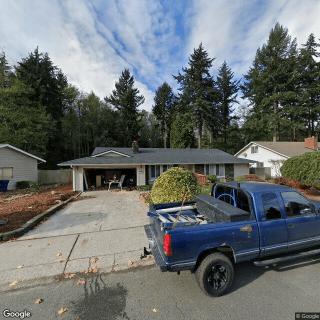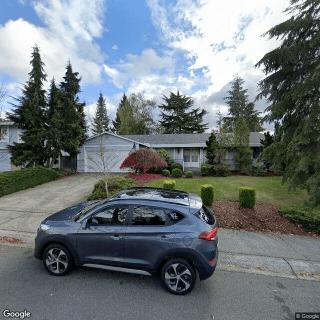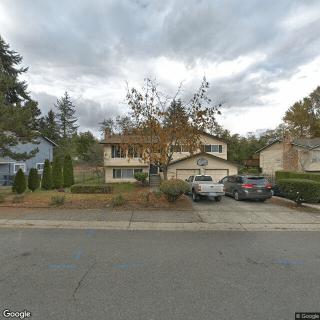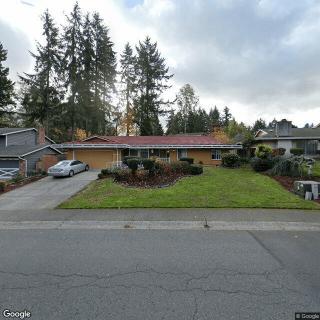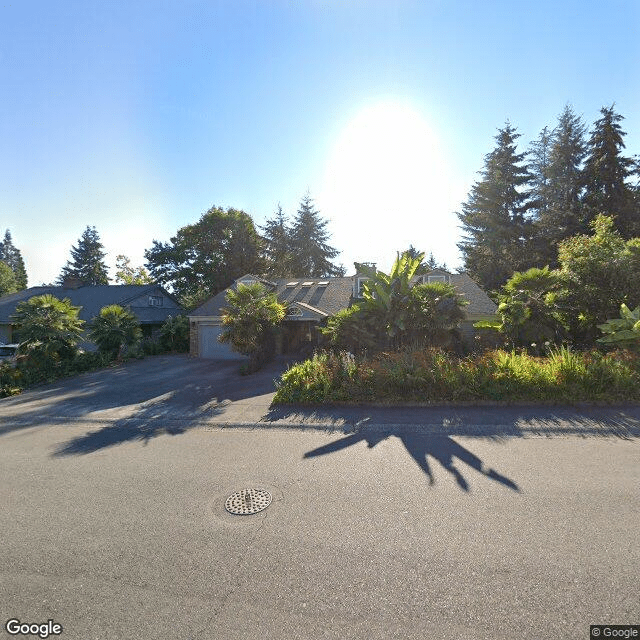
Dahlia's AFH in Federal Way, WA

Save
Dahlia's AFH

Dahlia's AFH in Federal Way, WA

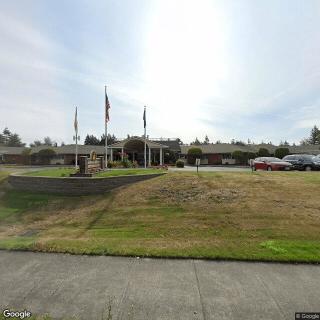
32013 41 Ave SW, Federal Way, WA 98023

For more information about senior living options: (844) 490-3973

5 from 4 reviews
5 stars
4
4 stars
0
3 stars
0
2 stars
0
1 stars
0

Board and Care Home Memory Care

Dahlia's AFH Costs & Pricing

Dahlia's Adult Family Home (AFH) offers competitive monthly rates that reflect both the quality of care and the local market conditions. For a semi-private room, residents can expect to pay $4,000, which is notably lower than the average costs in Pierce County and throughout Washington state, where prices are approximately $4,264 and $4,267 respectively. Similarly, private rooms at Dahlia's AFH are priced at $4,500, aligning closely with county rates but still offering significant value compared to the statewide average of $4,772. Additionally, the cost for a one-bedroom unit is also set at $4,500, which is slightly above the county average of $4,456 yet favors affordability compared to the state's average of $4,632. Overall, Dahlia's AFH provides an attractive option for those seeking quality adult family home services while maintaining reasonable pricing within its regional context.

Floor plansDahlia's AFHPierce CountyWashington
Semi-Private$4,000$4,264$4,272
Private$4,500$4,623$4,774
1 Bedroom$4,500$4,456$4,634

Overall Review of Dahlia's AFH

Pros

  • pro The staff are kind and attentive.
  • pro The home is wonderful and highly recommended.
  • pro The home is extremely clean.
  • pro Care is personable and individualized.
  • pro Medical and wellness services visit the home, making appointments convenient.
  • pro The food is excellent.
  • pro The two dogs are an added plus.
  • pro Overall, the home and its care are highly satisfactory.

Cons

  • pro Activities currently are minimal and interaction between residents is slight.

Review

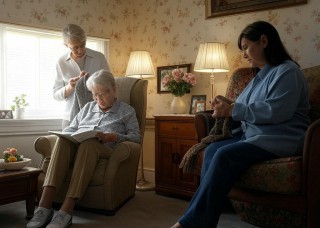
Dahlia's AFH in Federal Way, Washington is best suited for families seeking a highly personalized, in-home style assisted living where seniors receive attentive, consistent care without moving into a large, impersonal facility. The setup is especially advantageous for residents with dementia at varying stages who benefit from a calm, home-like environment and steady supervision. The care model emphasizes hands-on staff who know each resident, coordinate medical services on-site, and tailor routines to individual needs. The arrangement appeals to families that prize convenience - doctors, podiatrists, physical therapy, and even a beautician come to the home - while maintaining a warm, intimate atmosphere. The presence of two friendly dogs adds a comforting, homelike touch that many families find reassuring and stabilizing for daily life.

Those whose priorities include robust, structured social programming and frequent group activities should consider alternatives. If ongoing, scheduled resident interaction is a core requirement, Dahlia's AFH's smaller, quieter footprint can feel limiting. Families needing reliable transportation to appointments or a busy on-site activity calendar may prefer larger communities with established programming. For residents who require a higher staff-to-resident ratio or nonstop formal supervision with immediate crisis response, a bigger facility with dedicated dementia-focused programming could offer more reassurance. In short, this option excels on personalized care and convenience but may fall short on high-energy social engagement and breadth of programming.

On the upside, the strongest advantages are cleanliness and highly personalized care delivered by caregivers who know each resident well. The in-home approach eliminates transportation hurdles and enables medical professionals to visit without uprooting daily routines, producing continuity of care and less disruption for fragile health. Food quality stands out, contributing to daily satisfaction and mood stabilization. The homey setting and the two resident dogs contribute to emotional comfort and a sense of normalcy, reducing anxiety for residents navigating dementia. Taken together, the core benefits - cleanliness, individualized attention, integrated services, and a warm, familiar environment - offer substantial value that can outweigh a more limited activity schedule for many families.

The primary drawback is the paucity of activities and the limited interaction among residents, a situation tied to the diverse dementia stages and mobility levels of the population. That gap can translate into slower social stimulation and fewer opportunities for structured group engagement, which matters for families seeking ongoing cognitive and social benefits. The calm, low-stimulation environment suits some residents far better than a bustling, program-heavy community, but it may feel isolating to others over time. The critical question is whether one-on-one engagement and a predictable routine can compensate for fewer group experiences as needs evolve.

Prospective families should require a clear care plan that outlines medical coordination, frequency of in-home therapies, and dementia-management strategies. Investigate meal planning and dietary accommodations, since nutrition directly influences well-being and mood. Confirm staffing patterns, including awake coverage, caregiver qualifications, and dementia-specific training. Inquire about the pet policy, guest visitation, and how families stay informed and involved in daily routines. A formal tour and, if possible, a short trial period will reveal how staff interact with residents, how well the pace matches a loved one's needs, and whether the overall atmosphere aligns with long-term care goals.

Dahlia's AFH is a strong recommendation for families prioritizing highly personalized, clean, in-home care with seamless access to medical services and a warm, small-community feel for dementia care. It is an excellent match for residents who thrive on individualized attention and a stable routine, rather than a high-energy social calendar. Alternatives should be on the table for families prioritizing frequent social programming, reliable transportation-assisted activities, or higher-intensity supervision. With clear expectations and an actual in-person evaluation, the decision will reveal whether this home aligns with the loved one's temperament, progression of care needs, and long-term goals.

Features

Types of Care

  • Board and Care Home Board and Care HomeBoard and care homes provide a smaller, more intimate setting for seniors who require assistance with daily tasks but do not need the level of care offered by a nursing home. They offer personalized care, meals, and social activities in a homelike environment, ensuring that seniors receive individualized attention and support in their golden years.
  • Memory Care Memory CareMemory care is crucial for seniors as it provides specialized support and services for individuals with dementia or Alzheimer's disease. These programs offer a safe and secure environment where residents receive personalized care, cognitive stimulation, and help with daily activities. Memory care helps seniors maintain their independence, quality of life, and dignity while also providing peace of mind for their families.

Amenities

  • Activities on-site Activities on-siteActivities on-site are important for seniors because they provide opportunities for socialization, mental stimulation, physical activity, and overall well-being. Engaging in activities can help seniors stay active, maintain their independence, and improve their quality of life.
  • Beautician on-site Beautician on-siteHaving a beautician on-site at a senior living community is important for seniors as it allows them to easily access grooming and personal care services, boosting their self-esteem and overall well-being. It also provides convenience and helps seniors maintain their sense of independence and personal style.
  • Indoor common areas Indoor common areasIndoor common areas are crucial for seniors as they provide a space for socialization, recreation, and community engagement, promoting overall well-being and reducing feelings of isolation and loneliness.
  • Outdoor common areas Outdoor common areasOutdoor common areas are important for seniors as they provide a space for socialization, physical activity, and relaxation. Being outside in nature can improve mood and overall well-being, while also encouraging movement and engagement with others. These spaces can help combat feelings of isolation and promote a sense of community among residents.
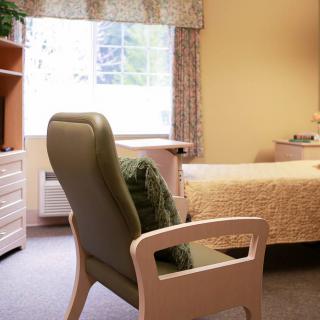
  • Private PrivatePrivacy is important for seniors as it allows them to maintain their independence, dignity, and sense of control over their own lives. It also gives them the space and freedom to relax, reflect, and engage in activities that bring them joy and fulfillment. Creating private spaces within senior living facilities is crucial for promoting overall well-being and quality of life.
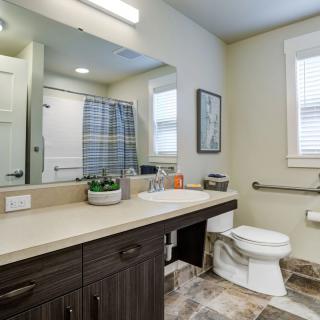
  • Private bathrooms Private bathroomsPrivate bathrooms are important for seniors in senior living communities because they provide independence, dignity, and comfort. Having a private bathroom allows seniors to maintain their personal hygiene routines without the need for assistance, promoting a sense of autonomy and privacy. Additionally, private bathrooms help prevent the spread of infections and provide a safe and clean environment for seniors to navigate safely.
  • Respite or short term stays offered Respite or short term stays offeredRespite or short term stays provide seniors with a temporary solution when their regular caregiver is unavailable, offering them the opportunity to receive additional care and support during times of need, while also giving caregivers a chance to rest and recharge.
  • Wheelchair accessible showers Wheelchair accessible showersWheelchair accessible showers are crucial for seniors as they provide a safe and independent bathing option for those with mobility challenges. These showers help prevent falls and allow seniors to maintain their dignity and autonomy while ensuring they can bathe comfortably.

Transportation

  • Seattle-Tacoma International (10 miles away) Seattle-Tacoma International (10 miles away)

Care Services

  • Diabetic care Diabetic careDiabetic care is crucial for seniors as they are more susceptible to developing diabetes due to aging and other health conditions. Proper management of diabetes can help prevent complications such as heart disease, vision loss, and nerve damage, improving the overall quality of life for seniors in senior living communities.
  • High acuity care High acuity careHigh acuity care is important for seniors because it provides specialized medical attention and support for individuals with complex medical needs. This level of care ensures that seniors receive the appropriate treatment and assistance to maintain their health and quality of life as they age.
  • Incontinence care Incontinence careIncontinence care is essential for seniors to maintain their dignity, hygiene, and overall quality of life. By addressing incontinence issues promptly and effectively, seniors can enjoy a sense of independence and comfort in their daily activities.
  • Medication management Medication managementMedication management is crucial for seniors to ensure they are taking the right medications at the correct dosages and times. This helps prevent adverse drug interactions, reduces the risk of medication errors, and promotes overall health and well-being. Proactive management also allows for adjustments as needed based on changing health conditions or new prescriptions.

Dining

  • Kosher KosherKosher options are important for seniors because they adhere to dietary laws that are significant to many Jewish individuals, providing them with peace of mind and an opportunity to maintain their cultural traditions and beliefs while living in a senior living community.
  • Meals provided Meals provided"Meals provided" are crucial for seniors in assisted living communities as it ensures they have access to nutritious, balanced meals without the stress of meal planning and preparation. This can help promote overall health and well-being for seniors who may have limited mobility or cognitive abilities.
  • Vegetarian VegetarianA vegetarian diet is important for seniors because it can help lower the risk of chronic diseases, maintain a healthy weight, and provide essential nutrients needed for aging bodies. Additionally, plant-based diets are often easier on digestive systems and can contribute to overall well-being in older adults.

Activities

  • Activities on-site Activities on-siteActivities on-site are important for seniors because they provide opportunities for socialization, mental stimulation, physical activity, and overall well-being. Engaging in activities can help seniors stay active, maintain their independence, and improve their quality of life.

Description

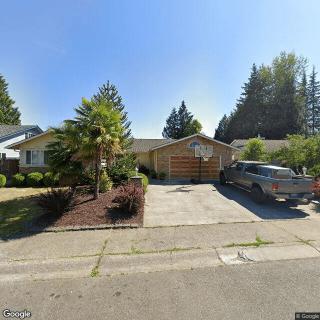
Welcome to Dahlia's Adult Family Home (AFH) in Federal Way, WA, a compassionate and nurturing community dedicated to providing exceptional memory care for residents in a warm and inviting environment. At Dahlia's, we understand the unique needs of individuals with memory challenges, and our experienced team is committed to delivering high acuity care tailored to each resident's specific requirements.

Our thoughtfully designed facility features both indoor and outdoor common areas where residents can socialize, engage in activities, or simply enjoy the tranquility of their surroundings. With private accommodations complete with en-suite bathrooms, residents can experience comfort and independence in their living spaces. We also offer wheelchair-accessible showers to ensure accessibility for all.

Residents at Dahlia's benefit from a range of amenities designed to enhance their quality of life. Our on-site beautician provides personal grooming services, while our dining options include nutritious meals with vegetarian choices available to cater to diverse dietary preferences. Additionally, we offer respite or short-term stays for those who may need temporary support.

Located conveniently near several cafes, parks, pharmacies, physicians' offices, restaurants, places of worship, theaters, and hospitals, Dahlia’s AFH allows residents and their families easy access to essential services and leisure activities within the vibrant Federal Way community.

With specialized care services that include incontinence management and medication supervision, our dedicated staff is here to ensure that every resident receives the personalized attention they deserve. Discover a place where compassion meets professionalism, welcome home to Dahlia's!

Nearby Places of Interest

This area of Federal Way, Washington offers a variety of amenities and services that may be appealing to seniors looking for a convenient and active lifestyle. With several places of worship nearby, individuals can easily access spiritual support and community engagement. The abundance of parks provides opportunities for leisurely walks and outdoor activities. Additionally, there are multiple pharmacies and healthcare facilities in close proximity, including St. Francis Hospital, ensuring easy access to medical care. A selection of cafes and restaurants offer dining options for socializing or enjoying a meal out. For entertainment, there are theaters within a short drive for cultural experiences. Overall, this area provides a mix of essential services and recreational opportunities that may make it an attractive choice for senior living in Federal Way.

Places of Worship

  • St Theresa's Church (0.7 miles)
  • Christ Episcopal Church (5 miles)
  • Bethlehem Baptist Church (7.1 miles)

Parks

  • Dash Point State Park (1 miles)
  • French Lake Off-Leash Dog Park (2.3 miles)
  • Steel Lake Park (4 miles)
  • Saltwater State Park (5.1 miles)
  • Dune Peninsula at Point Defiance Park (5.8 miles)
  • Sheridan Park (6.2 miles)
  • Point Defiance Park (6.4 miles)

Pharmacies

  • Walgreens (1.3 miles)
  • Rite Aid (1.5 miles)
  • CVS Pharmacy (1.5 miles)
  • Rite Aid (3.3 miles)
  • Angel Pharmacy (3.3 miles)
  • Walgreens (4.4 miles)
  • Hilltop Pharmacy (5.4 miles)

Physicians

  • Lateef J Harper MD | Kaiser Permanente (2.5 miles)
  • Wyman Carl MD (2.7 miles)
  • Digestive Health Specialists (2.8 miles)
  • Pediatrics NW (3.2 miles)
  • Federal Way Dental (3.7 miles)
  • Kevin P. Kolostyak, MD (4.9 miles)
  • Joelene J. Werden, DO (4.9 miles)

Cafes

  • Starbucks (2.8 miles)
  • Starbucks (3.7 miles)
  • Starbucks (5.1 miles)
  • Dutch Bros Coffee (5.1 miles)
  • Starbucks (5.4 miles)
  • Alfred's Cafe (5.5 miles)
  • Starbucks (6.8 miles)

Hospitals

  • St. Francis Hospital (3.1 miles)
  • St Francis Sleep Disorders Clinic (3.1 miles)
  • St Francis Hospital (3.4 miles)
  • Federal Way Community Dialysis (3.5 miles)
  • Group Health Cooperative (4.9 miles)
  • MultiCare Regional Cancer Center - Tacoma (5 miles)
  • MultiCare (6.8 miles)

Restaurants

  • Chick-Fil-A (3.4 miles)
  • Traditional Korean Beef Soup (3.4 miles)
  • Wendy's (3.7 miles)
  • Del Taco (3.7 miles)
  • Jack In The Box (3.8 miles)
  • McDonald's (3.8 miles)
  • The Matador (4.7 miles)

Theaters

  • Grand Cinema (4.8 miles)
  • Regal Auburn (6.9 miles)

Transportation

  • U-Haul Moving & Storage (7.8 miles)

Frequently Asked Questions

How much does it cost to live at Dahlia's AFH in Federal Way, WA?
Where is Dahlia's AFH?
Does Dahlia's AFH provide care for residents with dementia or Alzheimer's disease?

Nearby Communities

  • Angels o America

    Angels o America

    Federal Way, WA


    pro Excellent access to a wide range of nearby amenities.

  • Angel House Adult Family Home

    Angel House Adult Family Home

    Federal Way, WA

     
    $3,800 to $3,900 / month

    pro Affordable memory care with private room options compared to local averages.

  • Good Haven AFH I

    Good Haven AFH I

    Federal Way, WA

     
    $3,500 / month

    pro Private rooms at $3,500/mo; affordable for the area with many nearby amenities.

  • Just Like Home AFH

    Just Like Home AFH

    Federal Way, WA

     
    $5,000 to $5,250 / month

    pro Specialized memory care with personalized high-acuity support, private accommodations, and on-site amenities (beautician, activities, dining options).

  • Meridian AFH II

    Meridian AFH II

    Federal Way, WA

     
    $3,000 to $3,500 / month

    pro Specialized memory care with high-acuity support.

  • Morning Glory Adult Family Home

    Morning Glory Adult Family Home

    Federal Way, WA

     
    $13,000 / month

    pro Private bathrooms with high-acuity care in a well-connected Federal Way location.

  • Mirror Lake Village Senior Living Community

    Mirror Lake Village Senior Living Community

    Federal Way, WA

    3.7 from 22 reviews
    $3,450 to $3,750 / month

    pro Caring, capable staff in a clean, well-maintained, conveniently located community.

  • Hallmark Manor

    Hallmark Manor

    Federal Way, WA

    4.6 from 113 reviews
     

    pro Professional staff and engaging social programs.

  • Garden Terrace Healthcare Center Of Federal Way

    Garden Terrace Healthcare Center Of Federal Way

    Federal Way, WA

    4.6 from 105 reviews
     

    pro Caring, attentive staff in a clean, well-maintained facility with engaging memory-care activities.

Related Resources

  • in home dementia care costsEstimating the Expenses of At-Home Dementia Care: A Detailed Exploration
    At-home dementia care expenses vary widely based on care levels, location, and caregiver expertise, with monthly costs for home health aides exceeding $4,500 and specialized care potentially surpassing $100,000 annually. While families favor in-home care for its comfort and personalized attention, they must consider financial planning and the challenges of caregiver fatigue.

  • end stage dementiaComprehensive Insights on the Late Stages of Dementia: What to Expect and How to Provide Care

    The article discusses the late stages of dementia, detailing the progression from mild to severe impairment and highlighting key characteristics such as profound cognitive decline and dependency in daily activities. It emphasizes care strategies focused on comfort and dignity, the importance of advance directives, and the emotional support needed for family caregivers facing this challenging journey.

  • list of drugs linked to dementiaMedications Associated with Dementia Risk: A Comprehensive Overview

    The article examines the link between certain medications and increased dementia risk, particularly in older adults, emphasizing that long-term or high-dose use of anticholinergics, benzodiazepines, and other drug classes can exacerbate cognitive impairment. It calls for careful medication evaluation and shared decision-making to mitigate these risks while managing treatment efficacy.