

3237 SW 325 St, Federal Way, WA 98023
To contact a resident: (253) 344-1742
For more information about senior living options: (866) 208-4318
Morning Glory Adult Family Home Costs & Pricing
At Morning Glory Adult Family Home, the monthly cost for a private room is significantly higher than both the county and state averages, set at $13,000. In contrast, the average monthly costs in Pierce County and across Washington State stand at approximately $4,623 and $4,772 respectively. This disparity highlights the premium nature of services offered at Morning Glory, which may include personalized care options and exceptional living conditions tailored to enhance residents' quality of life. Such pricing underscores a commitment to providing a higher level of individualized support that goes beyond standard offerings typically found in the region.
| Floor plans | Morning Glory Adult Family Home | Pierce County | Washington |
|---|---|---|---|
| Private | $13,000 | $4,623 | $4,774 |
Overall Review of Morning Glory Adult Family Home
Pros
 The staff and owner take good care of residents.
- They are flexible in meeting clients' needs.
- Sara, the owner, is knowledgeable and strives to do well for all of her residents.
Review
Morning Glory Adult Family Home in Federal Way is best suited for families seeking deeply personalized, flexible care for adults with developmental needs in a small, home-like setting. The arrangement appears to work well for residents whose care demands can be met through hands-on daily support rather than through a dense medical apparatus. A sister with developmental disabilities receives attentive caregiving from both the staff and the owner, with responsiveness to individual needs. In this environment, the caregiver network can pivot to accommodate dietary preferences, activity interests, and behavioral supports in real time, a quality that matters greatly when consistency and close relationships drive quality of life.
Those weighing options should understand Morning Glory may not be the right fit for families prioritizing extensive medical systems or campus-scale programming. The setting is not described as a large facility with broad hospital-like services, so for families seeking highly clinical oversight, continuous nursing presence, or a wide array of formal programs, alternatives should be explored. This is not presented as a flaw so much as a natural fit assessment: the small-house model works best when care is tailored and flexible, while larger operations deliver different kinds of medical infrastructure and schedule rigidity.
The strongest, most reliable advantages lie in the people at the center of care. The staff and owner are praised for flexibility and a clear willingness to accommodate residents’ evolving needs, and Sara, the owner, is described as knowledgeable and genuinely trying to do well for all residents. Those positives translate into practical outcomes: care plans that reflect real-time changes, meals and activities aligned with preferences, and rapid problem-solving when questions arise. For families navigating transitions, this level of attentiveness reduces anxiety about whether a loved one is seen as a person with individual rhythms rather than a routine.
In practice, these strengths can offset the typical constraints of a small, family-operated setting. The intimate scale often yields clearer communication and faster responsiveness than larger communities, which is particularly valuable when a resident’s schedule or care plan shifts. The owner’s active involvement serves as a stabilizing force, providing a dependable point of accountability and ensuring that staff decisions stay aligned with each resident’s best interests. Such dynamics can create a dependable, trustworthy caregiving environment where small misalignments are quickly addressed.
Prospective families should still verify a few operational realities to feel confident in long-term compatibility. Clarify the day-to-day rhythm around medications, safety routines, and who administers daily care tasks; confirm how emergencies are handled and what back-up plans exist when staff aren’t on site; and request details on how care plans are documented and updated. Although the current feedback emphasizes adaptability and personal attention, confirming current staffing patterns, caregiver-to-resident ratios, and ongoing training will help ensure the observed strengths remain consistent over time.
Overall, Morning Glory stands out for families who value trust, personalization, and hands-on governance in a small, family-like setting. It represents a particularly compelling option for adults with developmental needs who benefit from responsive, flexible caregiving and a caring network that treats residents as individuals. Those seeking a high level of formal medical oversight, large-scale social programming, or expansive medical resources may want to compare alternatives to find the right balance of clinical support and everyday warmth. For families ready to lean into a model built on close relationships and practical expertise, Morning Glory offers a clear path to comfortable, attentive daily living.
 Board and Care Home
 Private
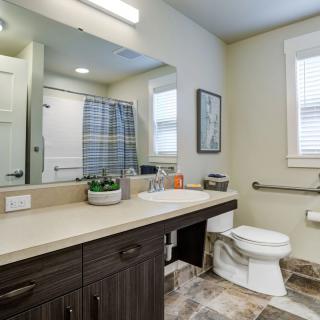
 Private bathrooms
 Seattle-Tacoma International (10 miles away)
 Diabetic care
 High acuity care
 Christian services







 Compassionate Conversations: How to Comfort Someone Who Is Grieving
 Home Health Care Aides: Understanding Their Role and Supporting Your Family
 Urinary Tract Infections in Older Adults: Comprehensive Insights on Symptoms, Treatment, and Prevention