
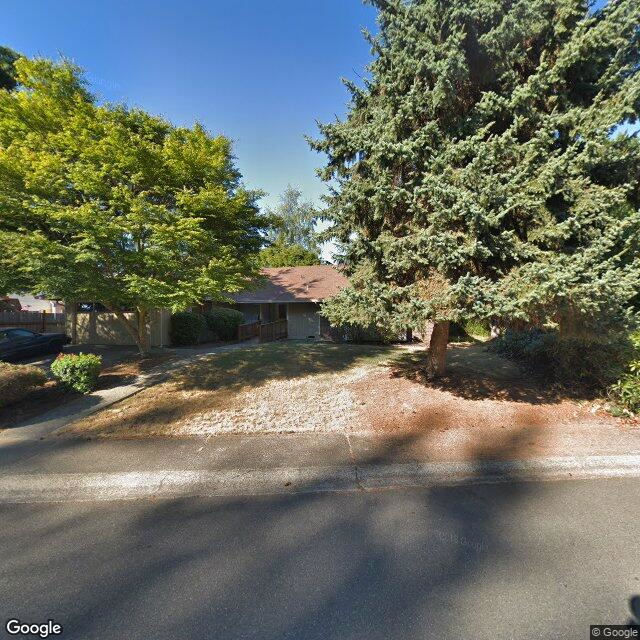
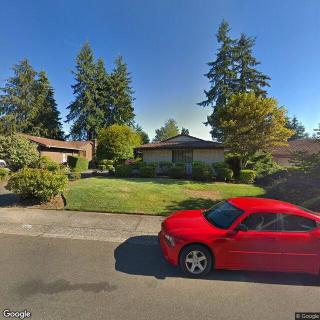
32318 29th Ave. SW 253-952-7602 home, Federal Way, WA 98023
To contact a resident: (253) 815-1026
For more information about senior living options: (866) 208-4318
Marine View AFH Costs & Pricing
Marine View AFH offers competitive pricing for its accommodation options, with both semi-private and one-bedroom rooms priced at $3,000 per month. This cost is significantly lower than the average expenses in Pierce County, where similar semi-private rooms run around $4,264 and one-bedroom accommodations reach approximately $4,456. When compared to the broader Washington state averages of about $4,267 for semi-private and $4,632 for one-bedroom units, Marine View AFH presents a noteworthy value proposition. This affordability combined with quality care makes it an appealing choice for those seeking supportive living arrangements without compromising on financial stability.
| Floor plans | Marine View AFH | Pierce County | Washington |
|---|---|---|---|
| Semi-Private | $3,000 | $4,264 | $4,272 |
| 1 Bedroom | $3,000 | $4,456 | $4,634 |
Memory care communities with a similar price nearby
-
About the same
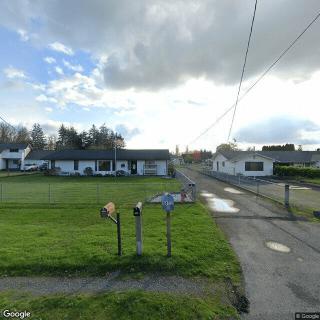
Hummingbird Homecare
$3,000 / month7.0 miles away -
About the same
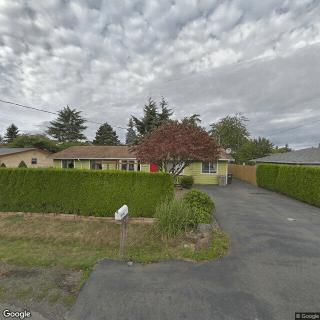
Home Care in Kent Inc.
$3,000 to $3,500 / month9.2 miles away -
from +$500 / mo

Twin Lakes Haven Adult Family Home
$3,500 to $8,000 / month0.5 miles away -
from -$500 / mo
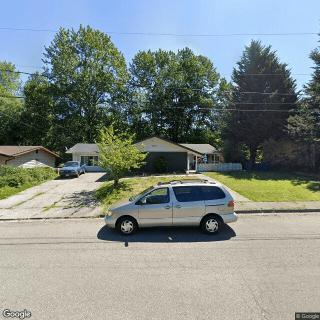
Freedom Care
$2,500 to $3,000 / month12.0 miles away -
from +$500 / mo
Ahadi Care Adult Family Home
$3,500 to $4,000 / month12.7 miles away
Overall Review of Marine View AFH
Pros
 The staff take excellent care of residents, giving families peace of mind.
- The caregivers treat residents like family, with warm welcomes that feel like home.
- Families feel safe and reassured due to the facility’s emphasis on safety and clear rules.
- Ayda is described as wonderful, kind, caring, and compassionate.
- Families highly recommend the facility and feel blessed to have their loved ones there.
Review
Marine View AFH in Federal Way is best for families seeking a truly intimate, home-like setting for a loved one with dementia who benefits from highly attentive, hands-on care and a strong safety orientation. The strongest takeaway from the reviews is that residents are treated like family by caregivers who greet visitors with warmth and place safety and daily routines at the center of care. The home environment feels personal rather than institutional, with a palpable sense that staff know each resident well and prioritize predictable, comforting rhythms. For families pursuing real peace of mind, knowing that a elder loved one is both cherished and protected, Marine View AFH delivers with remarkable clarity.
This setting is not for everyone. Those needing extensive on-site medical oversight or a broad menu of advanced therapies may want alternatives. Larger assisted-living communities or dedicated memory-care facilities with registered nurses on site, formal clinical programming, and more expansive activity schedules can better accommodate complex medical needs or residents who require frequent specialized interventions. A memory-care wing or a facility geared toward higher acuity might be a better match when medical complexity or a desire for a wider range of structured programs becomes the priority.
The key advantages are highly tangible. Families repeatedly highlight the personalized attention and the sense that caregivers genuinely care for residents as if they were their own. The interactions feel movingly authentic, with staff investing time in daily well-being, safety, and emotional comfort. A family atmosphere translates into fewer worries about safety and security, as routines are consistent and rules and regulations are actively enforced to protect residents. The result is a strong, trust-filled dynamic where visitors observe genuine affection, easy accessibility, and a straightforward path to raising any concerns and seeing swift responsiveness.
Those same strengths illuminate why certain trade-offs do not derail the overall value. The intimate, home-based model inherently limits scale and formal programming, but that limitation becomes a strength when safety and personal attention are paramount. The disciplined, safety-forward culture minimizes the risk of wandering, medication missteps, or rule-breaking scenarios, which is precisely what many families crave in dementia care. While activities may be less expansive than in larger communities, the depth of connection and the clarity of daily routines provide a steadier, more predictable environment that often offsets any desire for more breadth in programming.
Prospective families should verify practical details during a visit to ensure alignment with resident needs. Inquire about caregiver-to-resident ratios, how care plans are created and updated, and how changes in dementia progression are handled. Ask about how daily routines are structured, how visits are accommodated, and what happens during medical emergencies or when professional therapies are required. The strong sense conveyed in the reviews, that Ayda, David, and the rest of the team deliver compassionate, reliable care, should be weighed against the resident’s appetite for broader activity options or more intensive medical oversight.
In summary, Marine View AFH stands out for dementia care when the priority is a warm, family-style atmosphere combined with uncompromising safety and deeply personal engagement. It is an excellent match for families seeking reassurance that their loved one is loved, observed closely, and kept within a predictable, well-regulated routine. For residents with high medical needs or a demand for extensive, facility-wide programming, alternatives with larger staffs and more formal clinical infrastructure should be considered. The decision hinges on whether a homey, affection-forward setting with vigilant safety meets the resident’s needs more fully than a bigger, more clinical environment would.
 Board and Care Home
 Memory Care
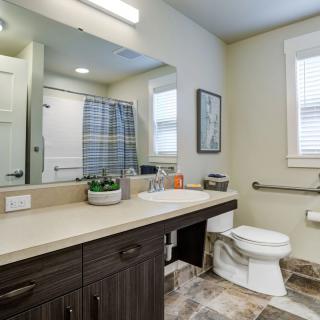
 Private bathrooms
 Seattle-Tacoma International (10 miles away)
 High acuity care
 Incontinence care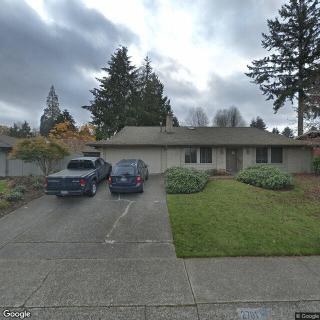
 A Thorough Discussion of Medications Potentially Linked to Dementia Risk
 Why Do Dementia Patients Sleep So Much? Understanding Oversleeping, Stages, and Care Approaches
 8 Key Indicators That Suggest It May Be Time to Transition from Assisted Living to Skilled Nursing Care