For more information about senior living options: (866) 208-4318
5 from 1 review
Medina Adult Family Home Costs & Pricing
Medina Adult Family Home offers competitive pricing for its accommodations, particularly when compared to the broader rates in King County and the state of Washington. For a semi-private room, residents can expect to pay $3,200 per month, significantly lower than the county's average of $4,430 and the state's average of $4,267. Similarly, both private rooms and one-bedroom units are priced at $3,500 each - again more affordable than King County's averages of $5,034 and $5,127, respectively. This pricing structure not only reflects Medina's commitment to providing quality care but also positions it as an economically attractive option for families seeking adult family home services in a region where costs can often be prohibitive.
Floor plans
Medina Adult Family Home
King County
Washington
Semi-Private
$3,200
$4,430
$4,272
Private
$3,500
$5,034
$4,774
1 Bedroom
$3,500
$5,127
$4,634
Memory care communities with a similar price nearby
Medina Adult Family Home in Federal Way, WA, is a premier assisted living community that specializes in memory care. Our dedicated staff provides personalized care and support for individuals with memory impairment, ensuring their safety and well-being at all times.
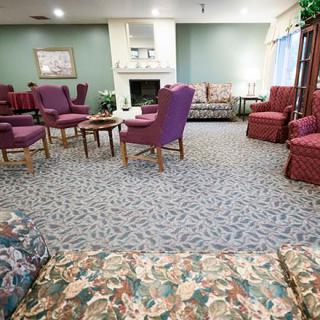
Our community offers a range of amenities designed to enhance the quality of life for our residents. We provide a variety of activities on-site to promote engagement and socialization among residents. Additionally, our indoor and outdoor common areas offer tranquil spaces where residents can relax or enjoy the fresh air.
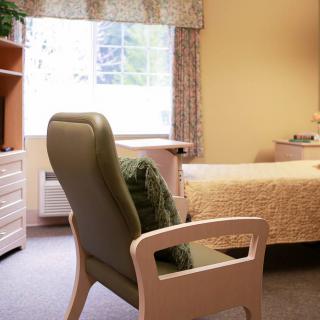
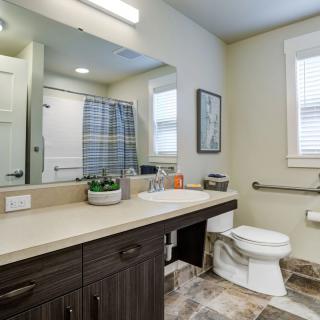
The comfort and convenience of our residents are paramount. Each resident has access to private accommodations, ensuring they have their own personal space. Our fully wheelchair-accessible showers and bath tubs cater to individuals with mobility needs, while also maintaining their privacy.
At Medina Adult Family Home, we understand that respite or short-term stays may be needed from time to time. That's why we offer these options to give caregivers an opportunity to rest or attend to other responsibilities while knowing their loved ones are receiving top-quality care.
Our highly trained staff is equipped to provide high acuity care for individuals with complex medical needs. Incontinence care services are also available, ensuring the hygiene and dignity of our residents are maintained at all times.
We believe that staying active and engaged is essential for overall well-being. Along with activities provided on-site, our community benefits from being close to various amenities. This includes cafes, parks, pharmacies, restaurants, places of worship, theaters, physicians' offices, and hospitals – all accessible within close proximity.
At Medina Adult Family Home in Federal Way, WA, we strive to create a warm and nurturing environment where residents feel comfortable and supported. With our comprehensive care services and convenient location near various amenities, families can have peace of mind knowing their loved ones are receiving exceptional care in a vibrant community setting.
Nearby Places of Interest
This area of Federal Way, Washington offers a variety of amenities and services that may appeal to those considering senior living. The proximity to parks like Steel Lake Park and Saltwater State Park provides opportunities for outdoor recreation and relaxation. There are also several restaurants within a few miles, offering convenient dining options. Access to healthcare is readily available with nearby physicians, pharmacies, and hospitals such as St Francis Hospital. For social outings, cafes like Starbucks and theaters such as Regal Auburn are just a short drive away. Additionally, places of worship like St Theresa's Church and Holy Spirit Parish cater to spiritual needs. Overall, this area provides a mix of conveniences and recreational opportunities that may be appealing to seniors looking for a vibrant community to call home.
Parks
Steel Lake Park (0.1 miles)
French Lake Off-Leash Dog Park (1.8 miles)
Saltwater State Park (3.8 miles)
Dash Point State Park (5.1 miles)
Lea Hill Park (5.7 miles)
Johnson Pit #30, Earthworks Park (5.9 miles)
Green View Park (5.9 miles)
Restaurants
McDonald's (0.6 miles)
Traditional Korean Beef Soup (0.7 miles)
Chick-Fil-A (1 miles)
Wendy's (2.3 miles)
Del Taco (2.3 miles)
Jack In The Box (2.4 miles)
McDonald's (3 miles)
Physicians
Federal Way Dental (0.6 miles)
Lateef J Harper MD | Kaiser Permanente (1.7 miles)
Medina Adult Family Home offers competitive pricing for its accommodations, particularly when compared to the broader rates in King County and the state of Washington. For a semi-private room, residents can expect to pay $3,200 per month, significantly lower than the county's average of $4,430 and the state's average of $4,267. Similarly, both private rooms and one-bedroom units are priced at $3,500 each - again more affordable than King County's averages of $5,034 and $5,127, respectively. This pricing structure not only reflects Medina's commitment to providing quality care but also positions it as an economically attractive option for families seeking adult family home services in a region where costs can often be prohibitive.
Incontinence care is a crucial feature in memory care services, as it addresses one of the common challenges faced by individuals with dementia or Alzheimer's disease. This specialized support not only ensures the physical comfort and dignity of residents but also contributes to their emotional well-being by reducing anxiety and frustration associated with incontinence issues. Caregivers are trained to respond promptly and compassionately, which fosters a sense of security for residents who may feel vulnerable due to cognitive decline. By maintaining proper hygiene and facilitating regular toileting schedules, the home helps prevent skin irritations and infections, ultimately enhancing overall health outcomes. This attentive approach to personal care allows residents to focus on engaging in daily activities and social interactions, promoting a more fulfilling quality of life.
Memory care activities are essential for improving the quality of life of seniors with cognitive impairments, as they stimulate cognitive function, promote well-being, and encourage social interaction through tailored strategies. These activities combine structured exercises with spontaneous tasks, sensory engagement, physical workouts, creative pursuits, and intergenerational interactions to enhance emotional connection and a sense of purpose.
Transitioning from assisted living to memory care is driven by an individual's cognitive decline and specific needs, requiring careful evaluation of indicators like increased confusion and wandering. The process involves consulting medical professionals, researching suitable communities, considering financial and legal aspects, and ensuring effective communication for personalized care plans.
The article differentiates between assisted living and memory care, explaining that assisted living supports seniors with daily activities while promoting independence, whereas memory care provides specialized services for individuals with dementia, focusing on secure environments and cognitive support. It also addresses staff training, safety considerations, costs, family involvement, and transition strategies for families navigating these care options.
Get PricingAsk A QuestionSchedule A TourContact Senior Advisor
By clicking submit, you agree to our Partner's Terms of Use. You
also consent to receive calls and texts, which may be autodialed, from our Partner. Your consent is not a condition to
using our Partner's service. Please visit our Partner's Privacy Policy for information about their privacy practices.

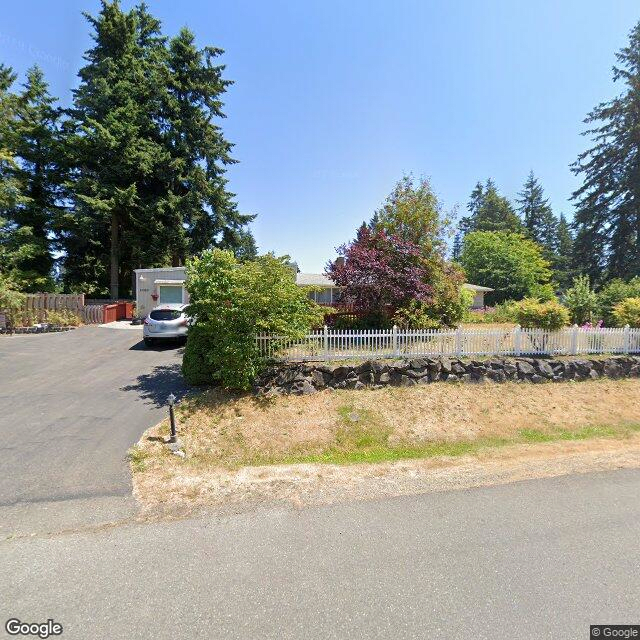
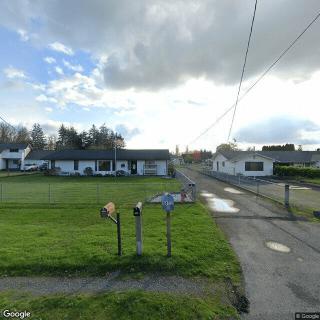
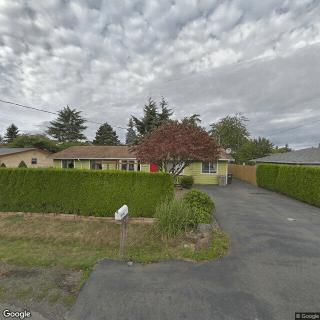

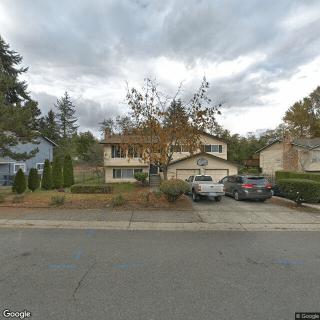
 Board and Care Home
 Memory Care
 Activities off-site
 Bath tubs
 Indoor common areas
 Outdoor common areas
 Private
 Respite or short term stays offered
 Wheelchair accessible showers
 Seattle-Tacoma International (9 miles away)
 Diabetic care
 High acuity care
 Incontinence care
 Meals provided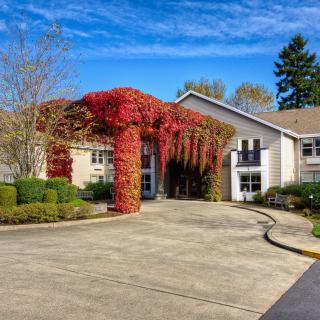
 Friendly, attentive staff; engaging activities; clean, inviting atmosphere.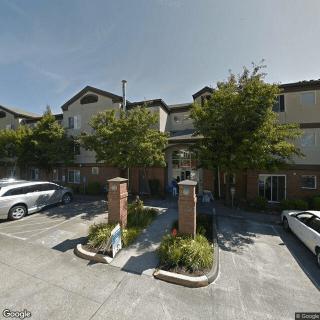
 Engaging Memory Care Activities That Enhance Quality of Life
 When to Transition from Assisted Living to Memory Care: Key Indicators, Steps, and Finding the Right Community
 Understanding the Distinctions: Assisted Living and Memory Care Explained