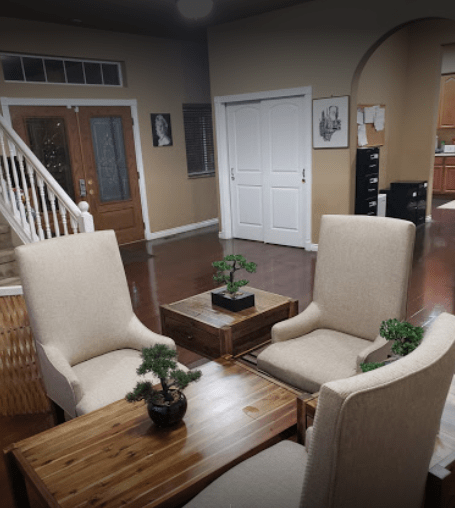
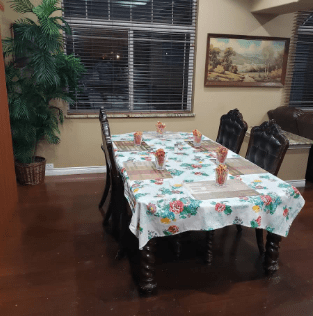
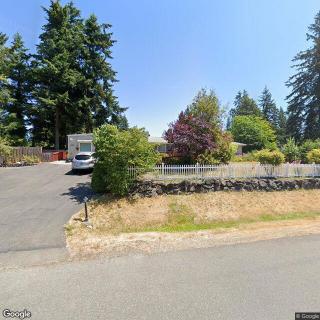
2010 312th St S, Federal Way, WA 98003
To contact a resident: (206) 429-3658
For more information about senior living options: (866) 208-4318
Luxury Living Costs & Pricing
Luxury living in King County, Washington, comes with a price tag that reflects both the opulence and the vibrant lifestyle associated with the area. For those seeking a private room in this upscale category, residents can expect to spend around $5,000 per month. This cost is closely aligned with the average for King County at $5,034 but presents a more appealing option compared to the broader state average of $4,772. The investment in luxury living not only encompasses high-quality accommodations but also access to premier amenities and services that elevate the overall experience, making it a worthwhile consideration for those who value comfort and sophistication in their living arrangements.
| Floor plans | Luxury Living | King County | Washington |
|---|---|---|---|
| Private | $5,000 | $5,034 | $4,774 |
Senior living communities with a similar price nearby
-
from +$500 / mo

Twin Lake Adult Family Home
$5,500 to $6,500 / month3.3 miles away -
About the same
Peace and Pleasant Care Adult Family Home II
$5,000 to $6,000 / month5.3 miles away -
from -$695 / mo

Penrose Harbor at Heron's Key
$4,305 to $7,332 / month13.4 miles away -
from -$500 / mo
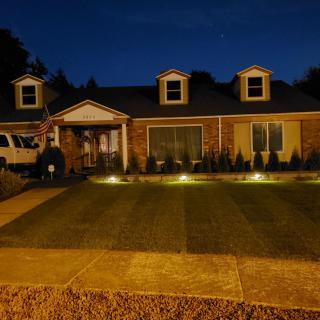
A Serenity AFH
$4,500 to $6,000 / month5.8 miles away -
from +$500 / mo

3 Tree Vista Adult Family Home, LLC
$5,500 / month9.9 miles away
Overall Review of Luxury Living
Pros
 The care has been good.
- The proximity to Steel Lake and Town Square Parks is great for walking and rolling.
- They strongly recommend LLAFH after more than six years.
- They applaud the nurses for protecting their clients.
- The care provided is excellent.
- It is a very nice community.
- The staff is friendly, caring, and helpful.
Cons
 Trish's group visit could have put all the residents at risk.
- Trish's group visit did not comply with patients' rights.
Review
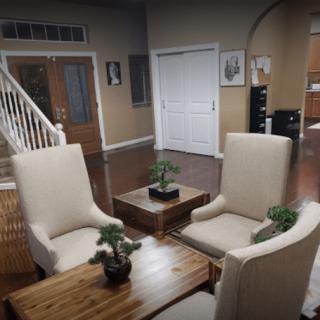
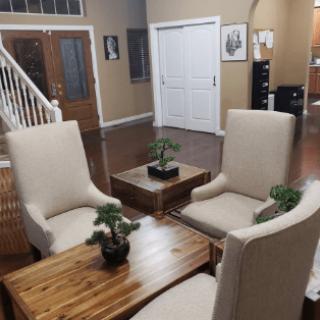
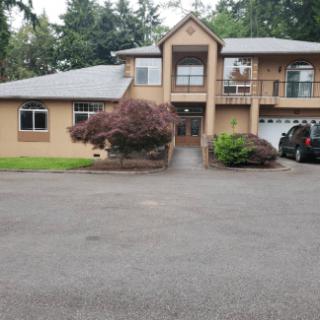
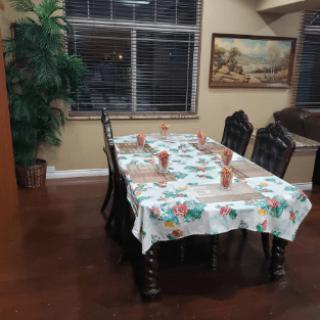
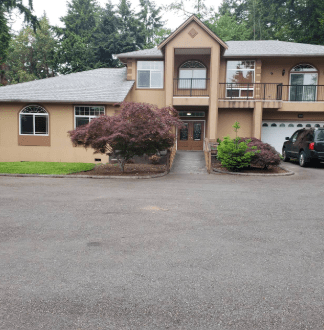
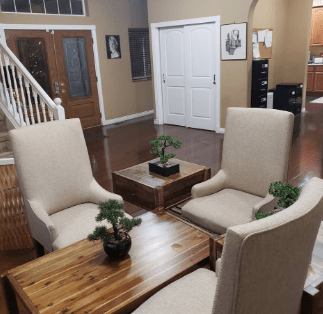
Luxury Living in Federal Way is best suited for families seeking a small, home-like assisted living environment with steady clinical oversight and a warm, neighborly vibe. The community is led by an owner who is a registered nurse, a factor that translates into visible clinical involvement and accountability not always found in larger campuses. Long-tenured residents, one spouse has trusted the home since 2015, point to stability, consistent daily care, and a culture of attentiveness. The geographic upside also matters: proximity to Steel Lake, Town Square Parks, and the Commons makes easy, regular outdoor activity part of everyday life. For couples or single seniors who prize gentle, walk-friendly routines and predictable day-to-day life, this setting checks essential boxes.
By contrast, families with high expectations around residents’ rights, privacy, and formal governance may want to screen alternatives. A recurring thread in the feedback centers on a group visit that raised safety and rights questions, suggesting a policy area worth scrutinizing. While the incident appears tied to a single visitor and one review, it signals that visitation policies and rights enforcement deserve direct clarification. For residents needing a more structured, campus-like environment, or those requiring advanced memory-support programs with 24/7 clinical oversight, other options with larger memory-care units may be more appropriate. The facility’s intimate scale is a clear strength, but it can also constrain breadth of services for certain needs.
On the upside, the core strengths are persuasive. Hands-on leadership from an RN-owner translates into responsive care decisions and a palpable commitment to quality. Positive resident stories highlight attentive staff, a clean, welcoming environment, and a robust slate of activities. Daily care routines appear reliable, with staff who are friendly, patient, and willing to engage in meaningful moments, such as an owner or caregiver stepping in to assist a resident with eating when needed. The location enhances quality of life by enabling easy outdoor activity, contributing to a sense of independence and social engagement. Taken together, these advantages can offset operational frictions when the goal is steady, person-centered care in a small, community-focused setting.
The one-star feedback warrants careful attention. It points to governance friction that, if left unaddressed, can erode trust and continuity of care. Prospective families should verify that residents’ rights are clearly documented, visitation policies are fair and consistently applied, and care plans are transparently developed and updated. The absence of a broader pattern in the reviews does not erase risk; it concentrates the need for due diligence. In practice, the best fit will be a family willing to engage with administrators, request written policies, and observe how rights and privacy are enforced in day-to-day operations. A candid tour and direct dialogue with staff will reveal whether the community’s promises align with actual practice.
As an alternative, larger communities or dementia-focused campuses may offer greater breadth: more formal memory-care tracks, broader programming, and clearly codified rights and visitation frameworks. Luxury Living’s intimate setup, RN-backed care, and park-adjacent location provide a distinct value proposition for residents who thrive on personalized attention, consistent caregiver relationships, and a homelike atmosphere. For families prioritizing scale, institutional robustness, and expansive memory-care services, comparison options with a stronger emphasis on governance and specialized programming is sensible. The decision hinges on whether small-scale warmth and direct clinical leadership or broader institutional resources better align with a loved one’s current and anticipated needs.
Prudent next steps are clear. Schedule a direct tour and meet the owner-operator team, request a copy of the residents’ rights policy, and review sample care plans and activity calendars. Inquire about staff-to-resident ratios, nurse availability, and how care plans adapt as needs evolve. Speak with current residents or families to gauge consistency of routines and the quality of communication. Confirm licensing status, any state inspections, and, critically, visitation policies and how rights are enforced in practice. If the answers align with expectations for intimate, hands-on care, clear governance, and an active, outdoor-friendly lifestyle, Luxury Living stands out as a practical, strong choice, especially for seniors who prize continuity, a home-like setting, and direct clinical leadership.
 Board and Care Home
 Activities off-site
 Devotional services off-site
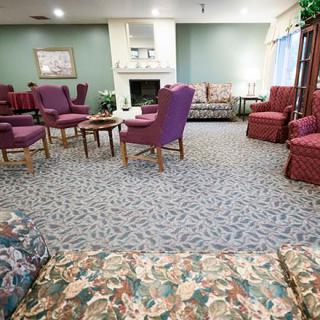
 Indoor common areas
 Outdoor common areas
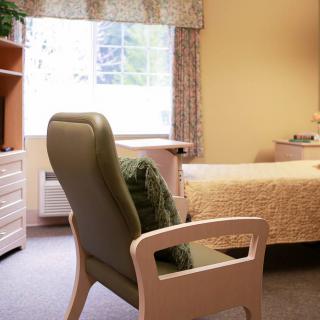
 Private
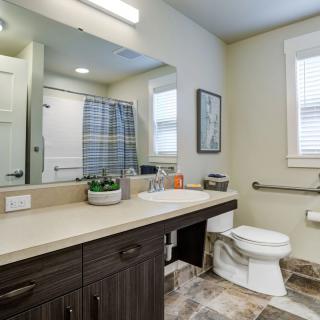
 Private bathrooms
 Respite or short term stays offered
 Wheelchair accessible showers
 Seattle-Tacoma International (9 miles away)
 Ambulatory care
 Diabetic care
 High acuity care
 Incontinence care
 Medication management
 Kosher


 A Detailed Examination of Nursing Home Costs Across the U.S.
 Exploring Nonmedical Home Care: Understanding Services, Costs, and Financial Approaches
 Engaging Brain Games and Innovative Apps to Keep Senior Minds Active