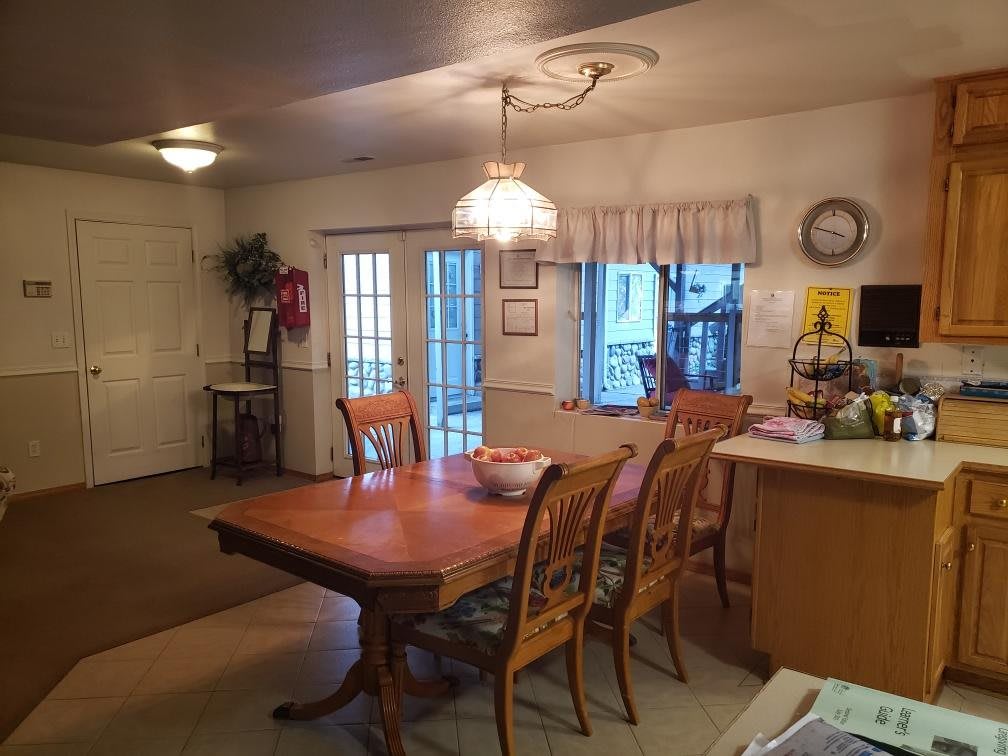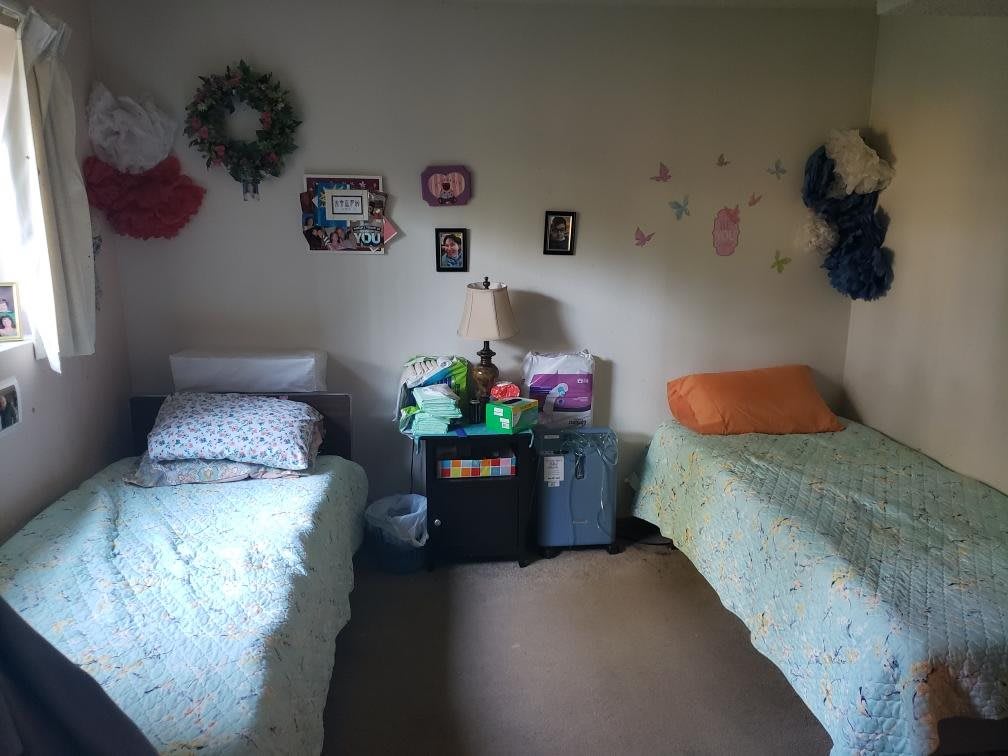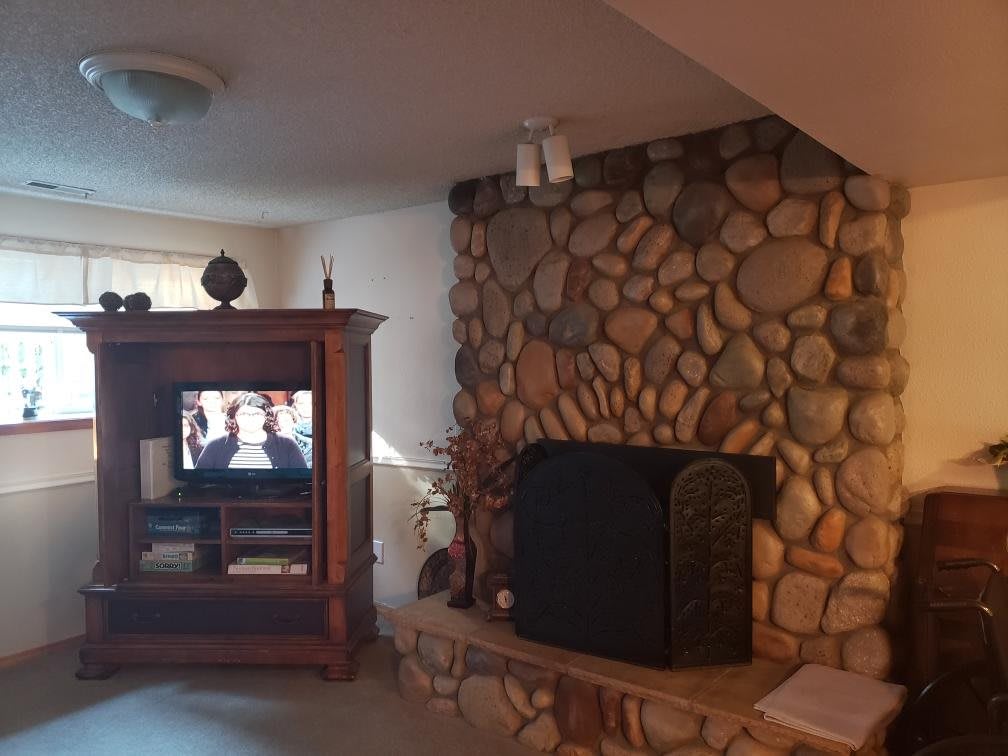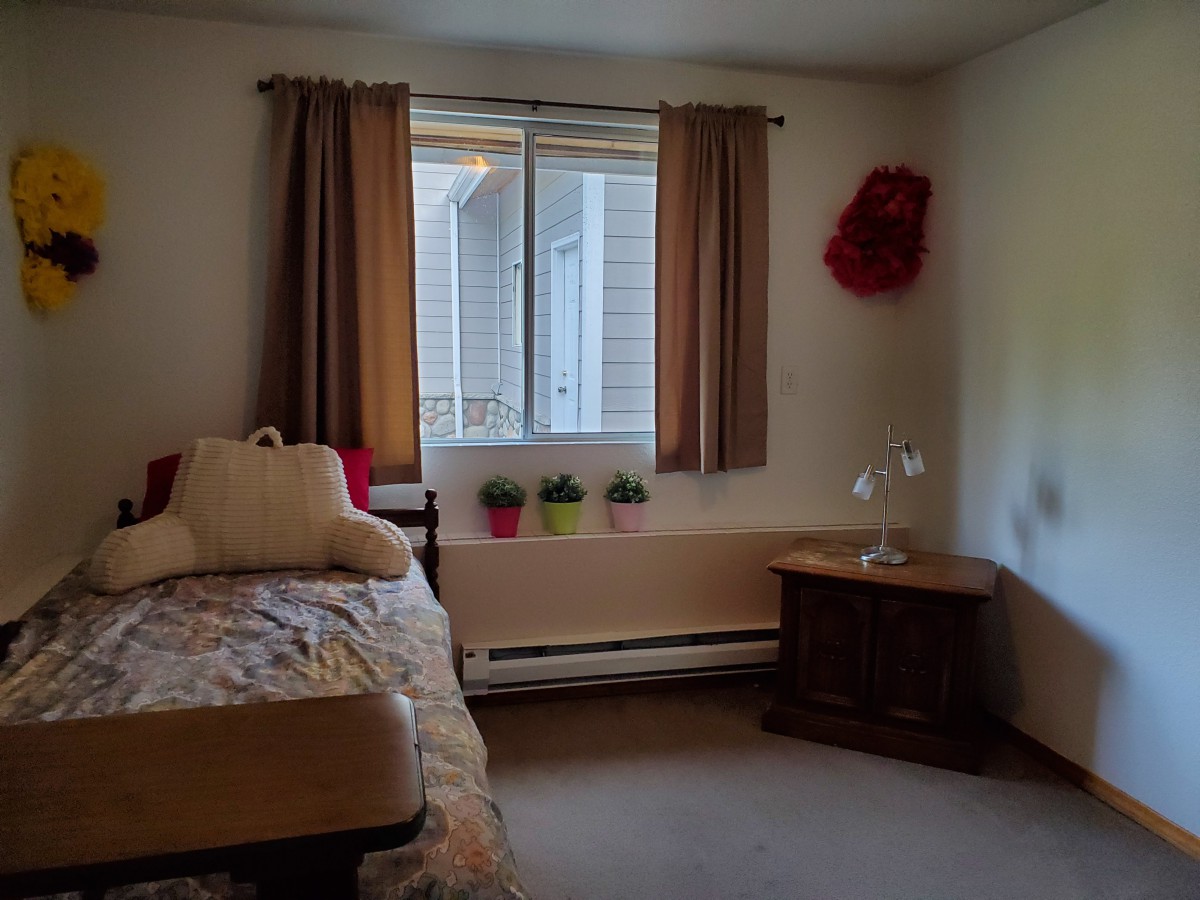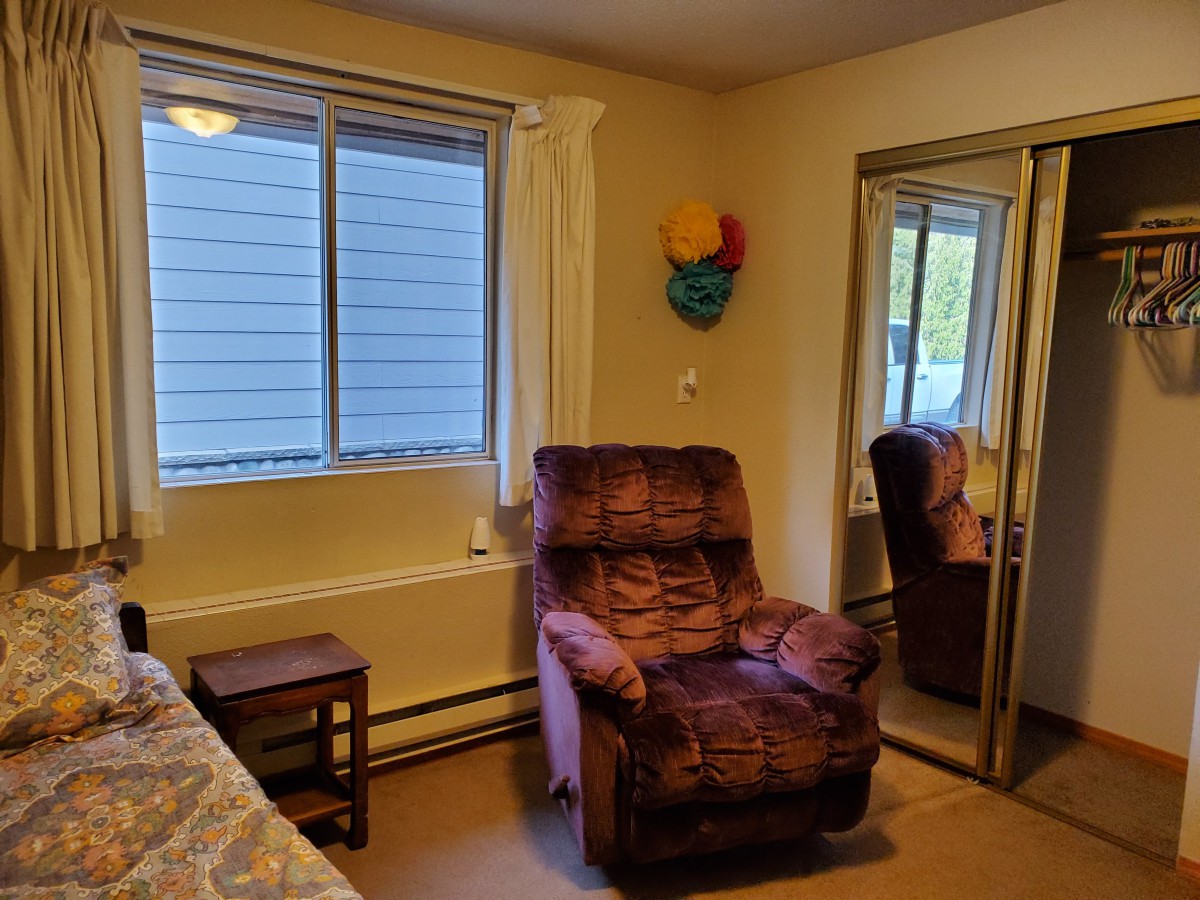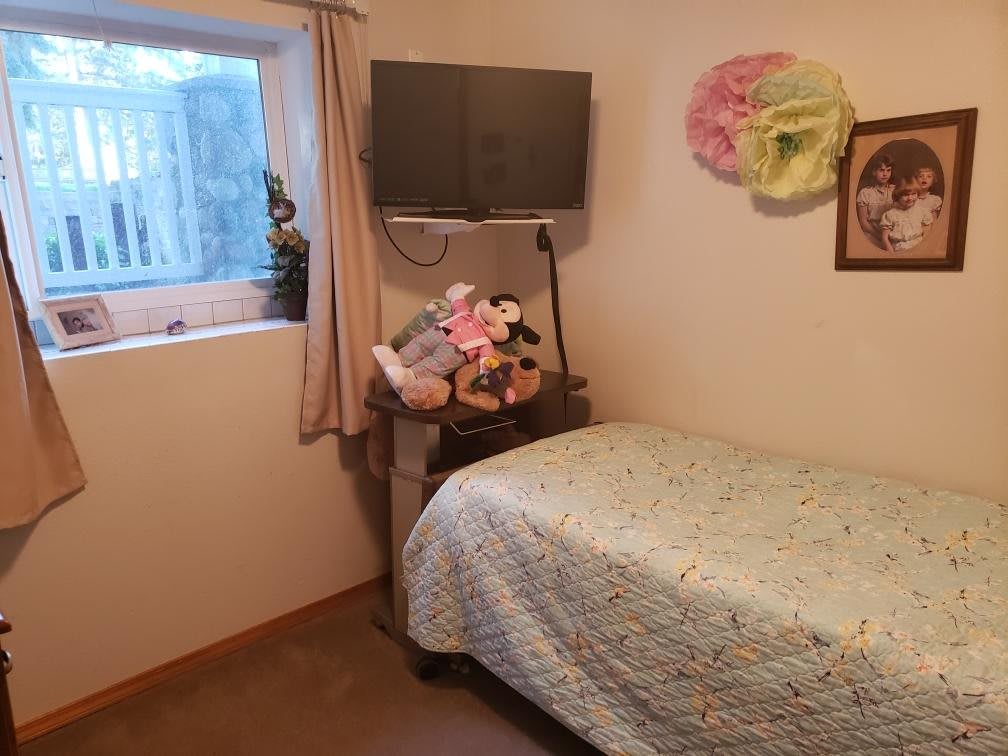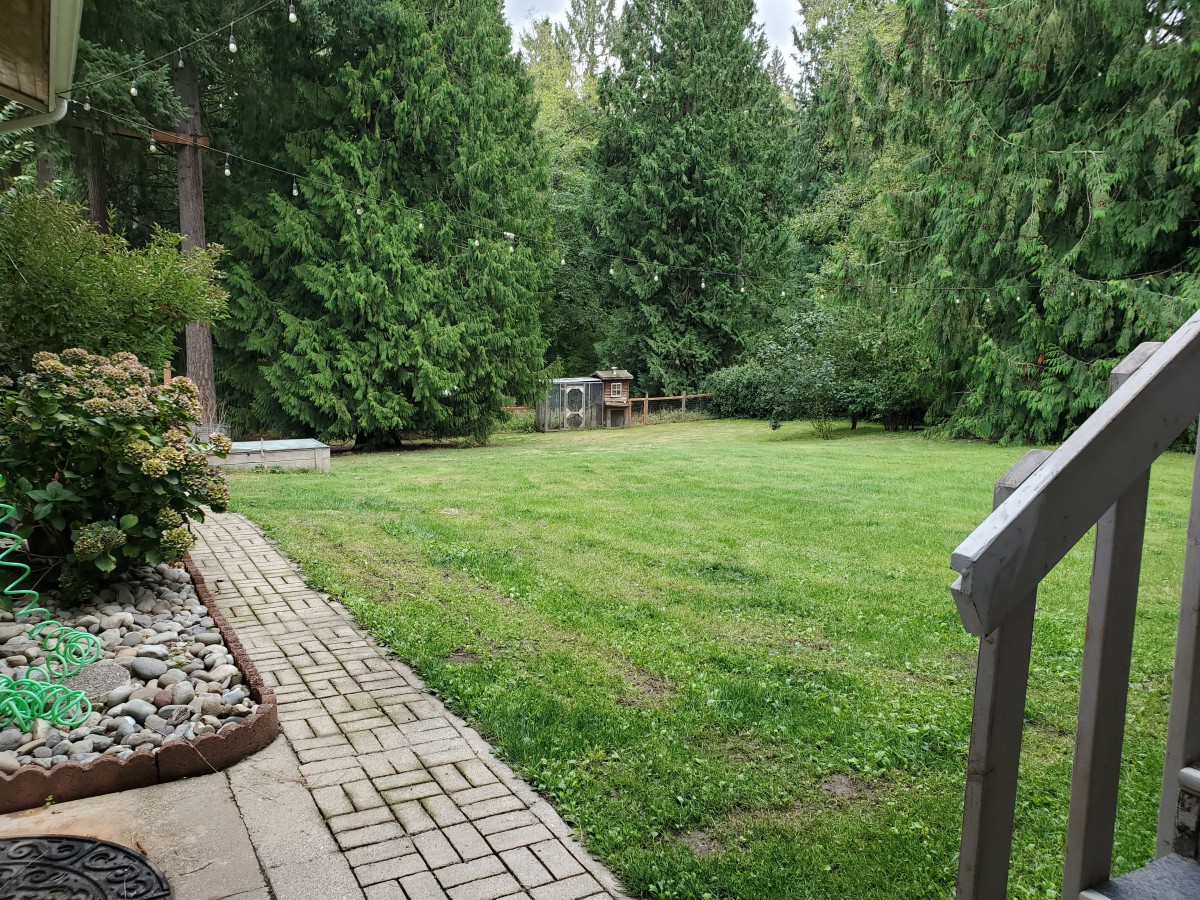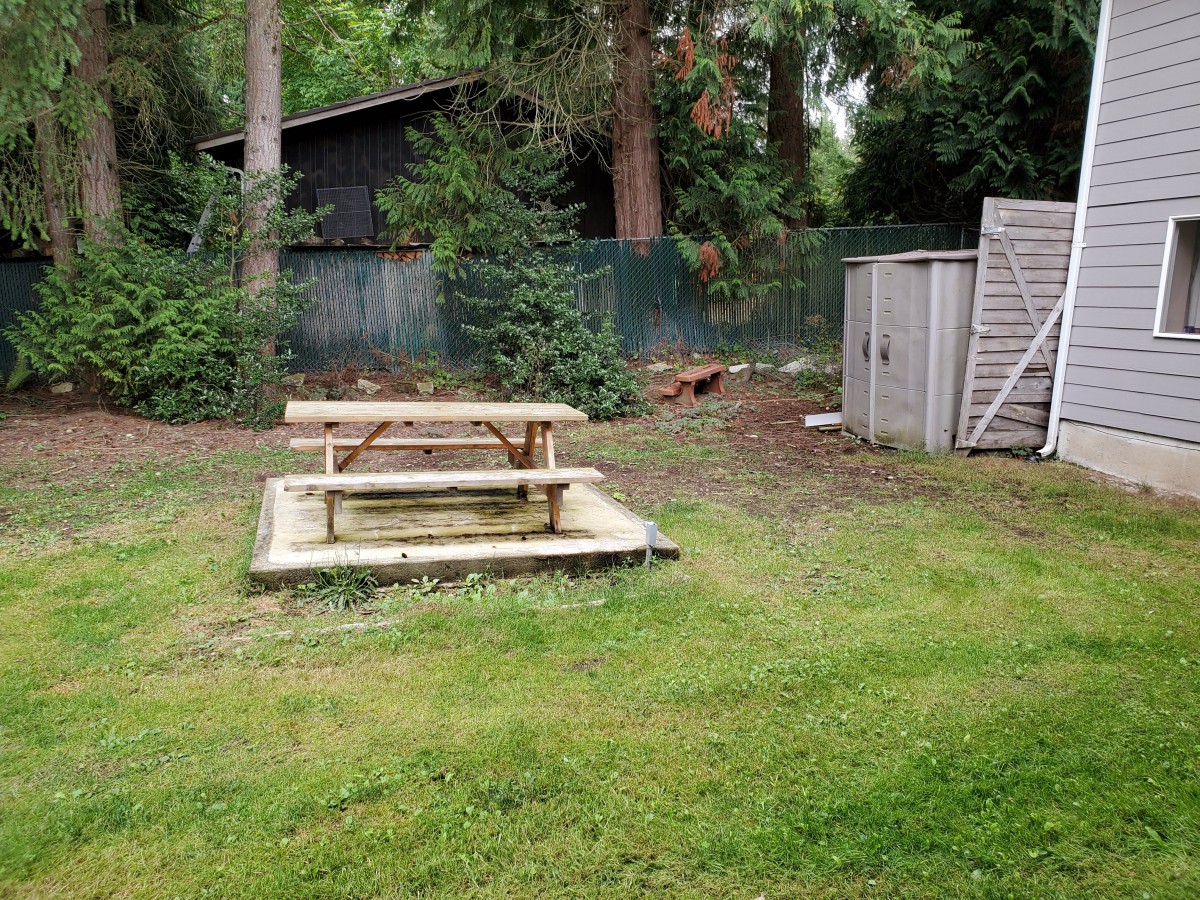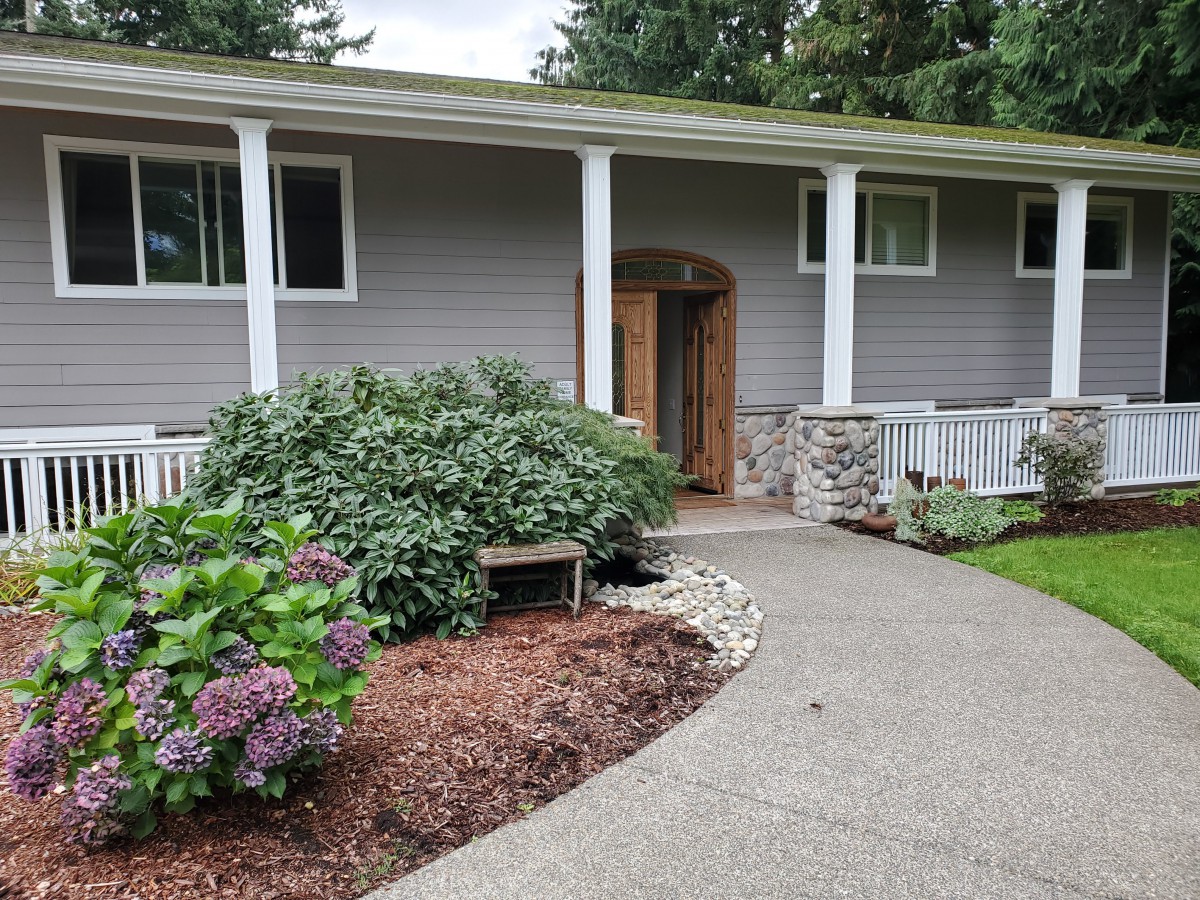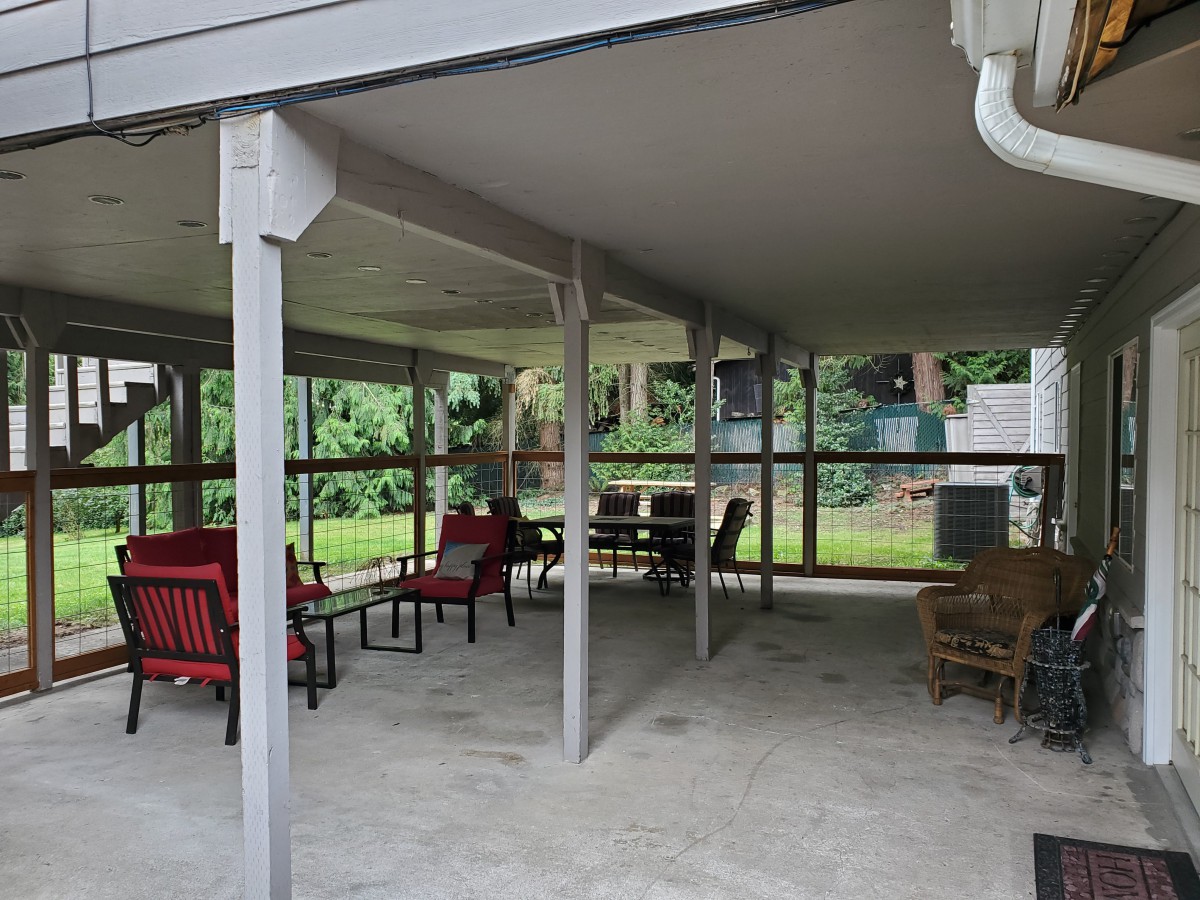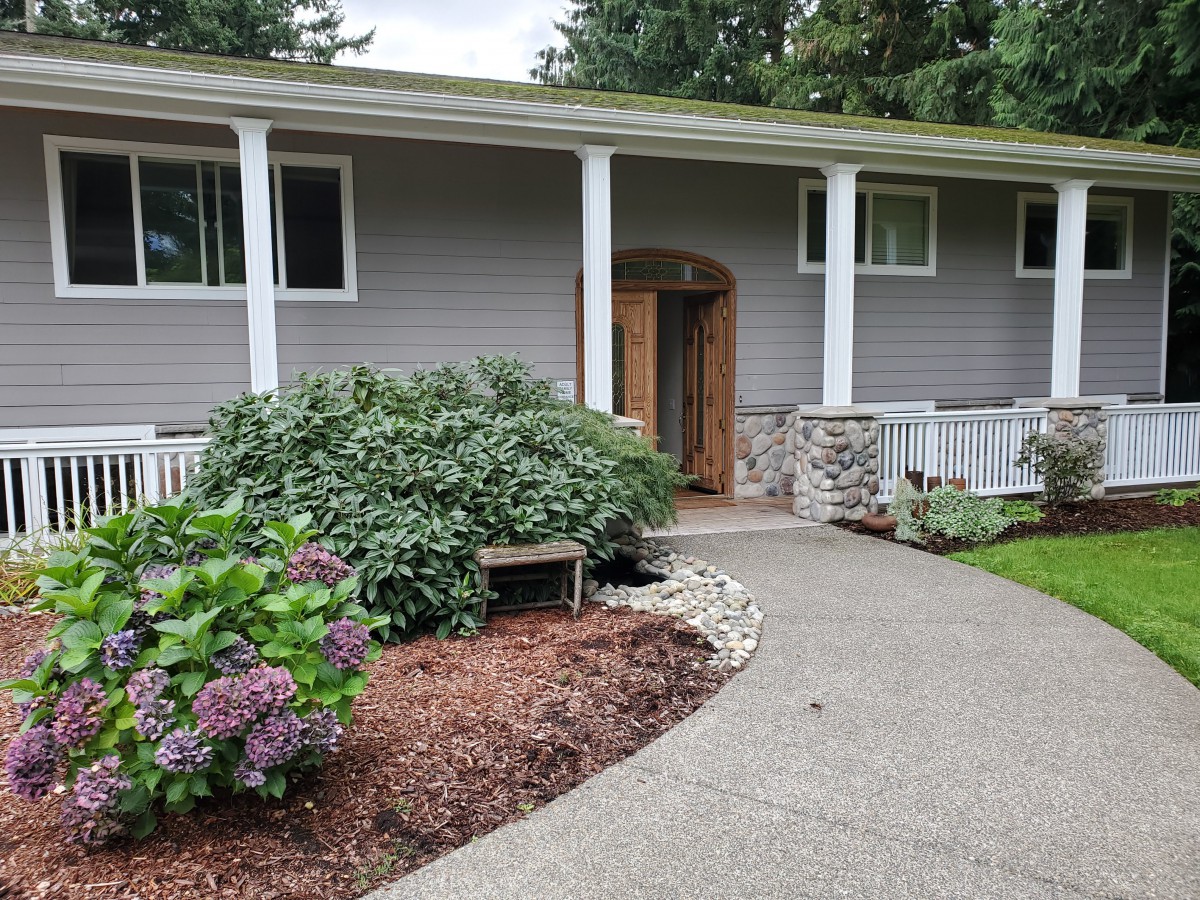


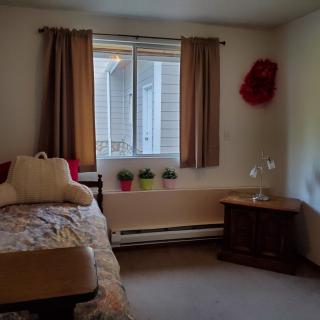
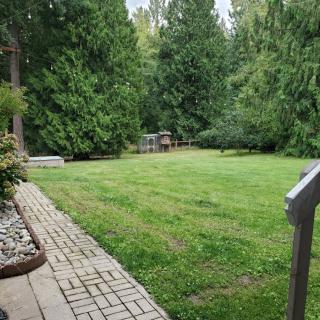
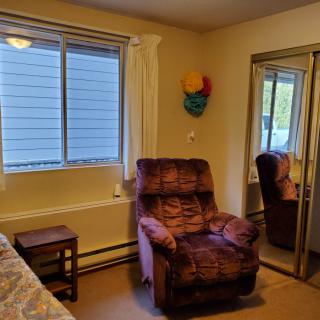
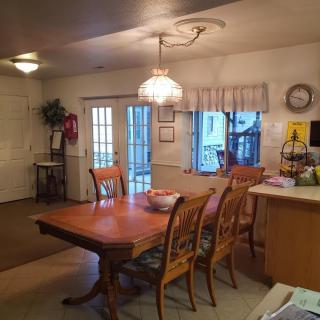


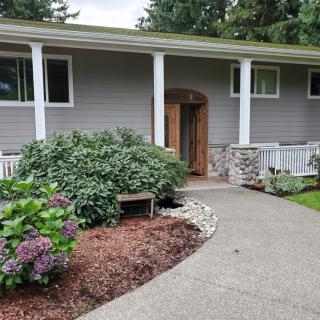
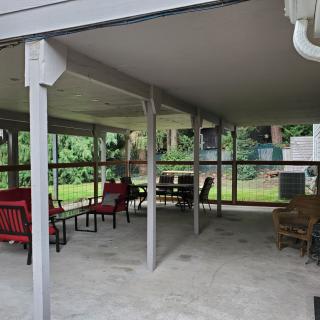
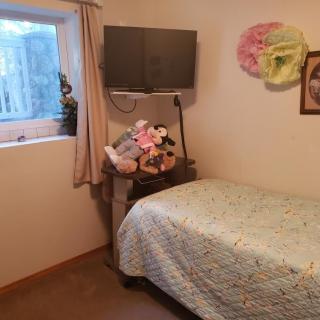
37526 51st Ave S, Auburn, WA 98001
To contact a resident: (253) 833-7876
For more information about senior living options: (866) 208-4318
LightHouse Adult Care Services LLC Costs & Pricing
LightHouse Adult Care Services LLC offers a range of accommodations designed to meet the diverse needs of its residents, with pricing that reflects its commitment to quality care. For a semi-private room, the monthly cost is $5,000, which is notably higher than both King County's average of $4,430 and the state average of $4,267. Similarly, the price for a one-bedroom unit at LightHouse stands at $7,000, exceeding local and statewide benchmarks of $5,127 and $4,632 respectively. Private rooms also carry a monthly fee of $7,000 - again above King County's rate of $5,034 and Washington's average of $4,772. While these costs may be higher than those in surrounding areas, they reflect the specialized services and supportive environment that LightHouse Adult Care Services LLC provides to its residents.
| Floor plans | LightHouse Adult Care Services LLC | King County | Washington |
|---|---|---|---|
| Semi-Private | $5,000 | $4,430 | $4,272 |
| 1 Bedroom | $7,000 | $5,127 | $4,634 |
| Private | $7,000 | $5,034 | $4,774 |
Memory care communities with a similar price nearby
-
from +$500 / mo

Twin Lake Adult Family Home
$5,500 to $6,500 / month5.2 miles away -
About the same
Peace and Pleasant Care Adult Family Home II
$5,000 to $6,000 / month5.9 miles away -
from -$695 / mo

Penrose Harbor at Heron's Key
$4,305 to $7,332 / month15.7 miles away -
from -$500 / mo
A Serenity AFH
$4,500 to $6,000 / month3.4 miles away -
from +$500 / mo

3 Tree Vista Adult Family Home, LLC
$5,500 / month11.7 miles away
Overall Review of LightHouse Adult Care Services LLC
Pros
 The company exemplifies customer service excellence.
- The staff are amazing people delivering exceptional service.
- They are among the most caring and loving individuals customers have ever met.
- They truly have customers' best interests at heart.
Review
LightHouse Adult Care Services LLC in Auburn, WA is best suited for families and residents who prize warmth, personal attention, and a genuinely caring staff. The dedicated tone and service orientation implied by the reviews signal a culture where residents are treated with dignity and kindness, and where day-to-day interactions with caregivers feel personal and attentive. This community appears to excel at creating a welcoming atmosphere where residents are seen as people first, not tasks to be managed. For families weighing care now versus later, this emphasis on humane, responsive service is a practical, stabilizing factor that can significantly reduce the emotional burden of caregiving.
Those considering alternatives should keep in mind that the reviews provide a strong spotlight on interpersonal quality rather than on clinical breadth. If the decision hinges on robust medical oversight, specialized memory care, or highly structured clinical programming, it is prudent to compare options with clearly documented medical staffing levels, on-site nursing, and memory-support environments. Similarly, households prioritizing predictable costs, transparent pricing tiers, or a broader array of regulated therapeutic services may find value in exploring communities that publish detailed care plans and performance metrics. In short, LightHouse’s standout strength is relational care; for residents with complex medical needs or tightly defined clinical expectations, alternatives with explicit medical credentials deserve consideration.
The principal pros, exceptional customer service, sincere caring, and a staff cohort perceived as acting in residents’ best interests, translate into tangible, decision-relevant benefits. In practice, this means fewer barriers to open communication, quicker response times, and a caregiving team that anticipates needs rather than waiting to be asked. For families faced with daily caregiving decisions, such an environment reduces anxiety about neglect or miscommunication and supports smoother transitions from home to community living. Where other facilities might feel impersonal or procedure-driven, LightHouse appears to deliver the reassurance that comes from staff who genuinely want the resident to thrive.
Additionally, the endorsements from healthcare professionals carry practical weight for families evaluating safety and reliability. A professional endorsement, paired with phrases like “Most caring and loving people” and “they have your best interests at heart”, helps construct confidence that the environment prioritizes dignity and compassionate interaction over task-focused efficiency alone. This trust signal matters when choosing a care setting, particularly for residents who value a warm, familial vibe and for families who want clear lines of accountability and dependable interpersonal warmth. It is a compelling offset to the lack of publicly stated clinical metrics that some families use as a baseline in their selection process.
Given the positive emphasis in the reviews, families should still approach visits with a practical checklist to verify fit. Confirm staff-to-resident ratios, ask to speak with frontline caregivers about typical daily routines, and request example care plans to understand how medical or daily living needs are actually managed. Inquire about meal service, activities, transportation, and how transitions between activities are handled to preserve autonomy while ensuring safety. Request references from current or recent residents’ families to gauge consistency of the described warmth across shifts and weekends. Finally, obtain a clear, itemized sense of cost, what’s included, and any optional add-ons, so the decision rests on transparent, controllable expectations.
In sum, LightHouse Adult Care Services LLC appears to be a strong choice for households prioritizing compassionate, relationship-centered care delivered by staff who are perceived as genuinely devoted to residents’ well-being. The obvious trade-off for this choice is the relative lack of published clinical specifics in the available feedback. For families whose top criteria are heartfelt engagement and trust in caregivers, the pros likely outweigh the cons, delivering peace of mind and a living environment where residents feel valued. For those needing rigorous medical oversight, specialized memory care, or highly detailed financial disclosures, it pays to compare with other options that foreground those elements, ensuring the final decision aligns with both care needs and practical realities.
 Board and Care Home
 Memory Care
 Activities off-site
 Air-conditioning
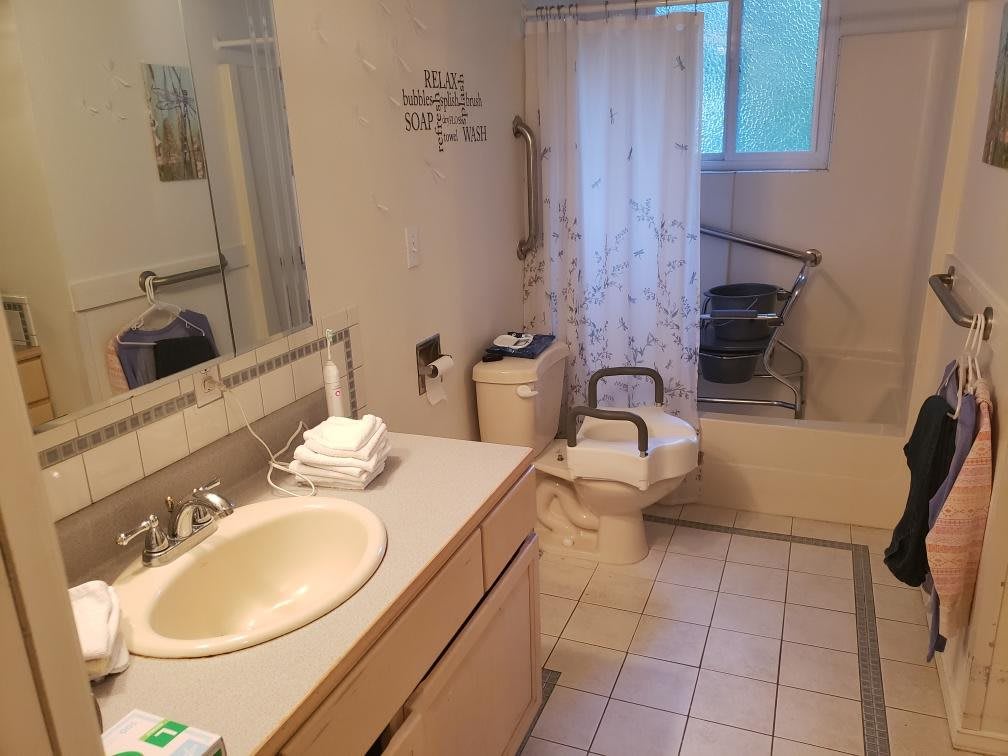
 Bath tubs
 Beautician on-site
 Cable or satellite TV
 Devotional services off-site
 Full kitchen
 Ground floor units
 Indoor common areas
 Outdoor common areas
 Private
 Private bathrooms
 Respite or short term stays offered
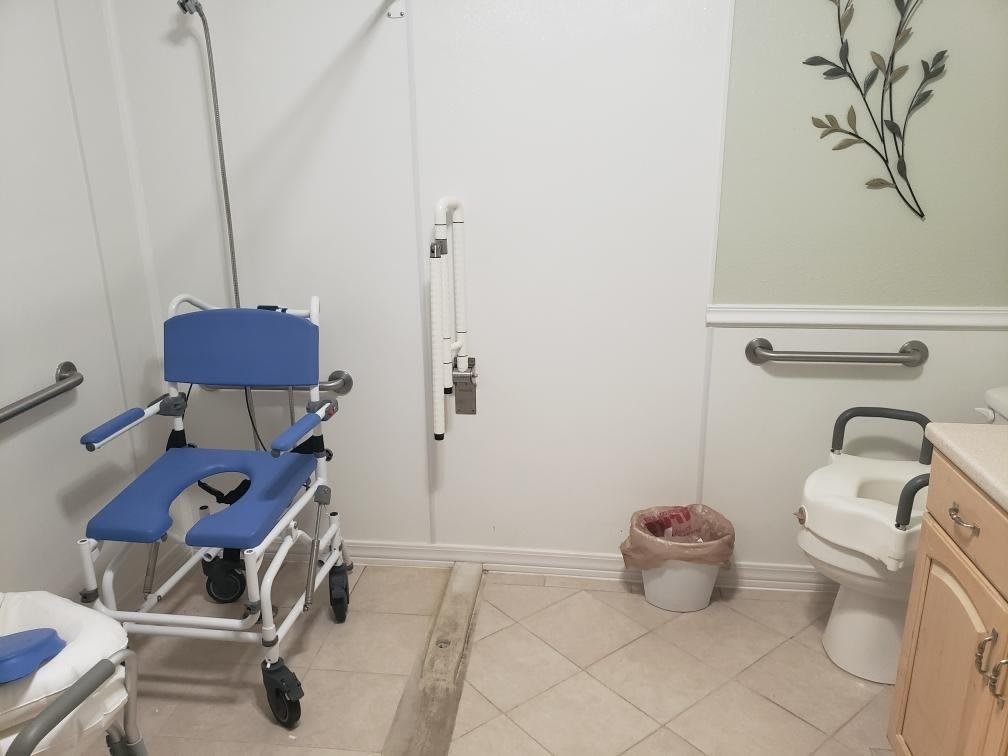
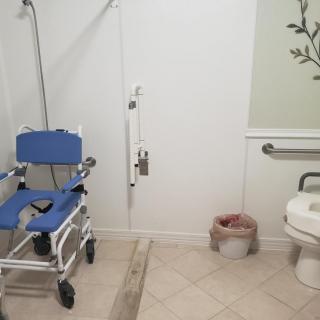
 Wheelchair accessible showers
 Wi-Fi/high-speed internet available
 Seattle-Tacoma International (10 miles away)
 Diabetic care
 High acuity care
 Incontinence care
 Guest meals
 Art classes
 Catholic services
 Cooking classes
 Educational speakers / life long learning
 Gardening club
 Karaoke
 Stretching classes
 Trivia games




 A Thorough Discussion of Medications Potentially Linked to Dementia Risk
 Why Do Dementia Patients Sleep So Much? Understanding Oversleeping, Stages, and Care Approaches
 8 Key Indicators That Suggest It May Be Time to Transition from Assisted Living to Skilled Nursing Care