
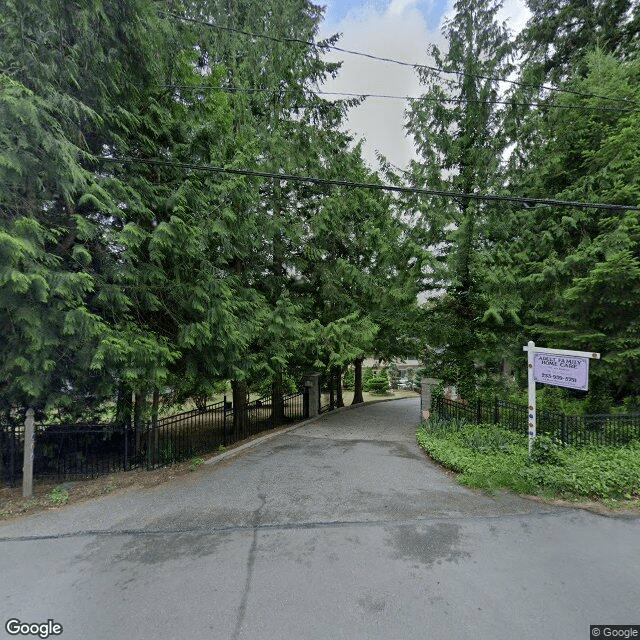
31625 51st. Ave. S, Auburn, WA 98001
To contact a resident: (253) 939-5751
For more information about senior living options: (866) 208-4318
The Good Samaritan AFH Costs & Pricing
The Good Samaritan Adult Family Home offers a range of accommodations, with pricing that reflects both the quality of care provided and the local market dynamics. For a private room, residents can expect to pay between $5,000 and $5,500 per month, which is slightly above the King County average of $5,034 and notably higher than the state average of $4,772. Additionally, for those seeking a one-bedroom option, the rate is set at $6,000 per month - again exceeding both county and state averages ($5,127 in King County and $4,632 statewide). These prices not only signify the home's commitment to a supportive living environment but also indicate its positioning as a premium choice in an increasingly competitive landscape for assisted living services.
| Floor plans | The Good Samaritan AFH | King County | Washington |
|---|---|---|---|
| Private | $5,000 to $5,500 | $5,034 | $4,774 |
| 1 Bedroom | $6,000 | $5,127 | $4,634 |
Memory care communities with a similar price nearby
-
from +$500 / mo

Twin Lake Adult Family Home
$5,500 to $6,500 / month4.8 miles away -
About the same
Peace and Pleasant Care Adult Family Home II
$5,000 to $6,000 / month5.2 miles away -
from -$695 / mo
Penrose Harbor at Heron's Key
$4,305 to $7,332 / month15.1 miles away -
from -$500 / mo
A Serenity AFH
$4,500 to $6,000 / month4.1 miles away -
from +$500 / mo

3 Tree Vista Adult Family Home, LLC
$5,500 / month10.8 miles away
Overall Review of The Good Samaritan AFH
Pros
 The facility feels like home to residents and their families, offering a welcoming, clean, and safe environment.
- The owner’s extensive medical knowledge and compassionate care are highly valued by those who rely on the facility.
- The staff provide friendly, professional, and personalized care that residents appreciate.
- Families notice their loved ones smile and feel happy in this setting.
- The management is praised for outstanding care, with the RN serving as a valuable resource for individualized attention.
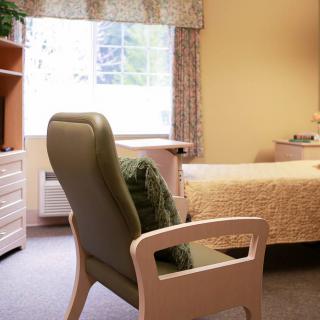
- The home offers comfortable private bedrooms in a secure, home-like environment with cameras and motion sensors.
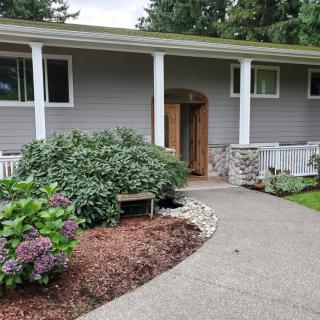
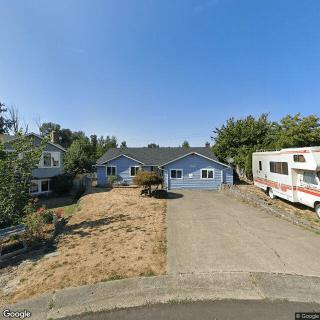
- The facility is described as clean, spacious, and accommodating for visitors, with ample front parking.
Cons
 They couldn't accept her due to her behavior issues.
- It was bad business at a time of emotional stress for the family.
- The review described the situation as disappointing.
Review
The Good Samaritan AFH in Auburn, Washington is best suited for families seeking a warm, home-like, intimate setting where an aging loved one can receive personal, attentive assistance with a nurse-led touch. The reviews converge on a core profile: private bedrooms, clean and safe spaces, and a caregiver team that blends professional skill with genuine warmth. The owner’s medical background translates into thoughtful, practical care decisions, and staff members, nurses and CNAs, deliver consistently patient, individualized service. For long-term care and especially during end-of-life transitions, the atmosphere feels like a small, supportive household rather than a clinical facility, which is precisely the sort of comfort many families prioritize when quality of life matters most.
Those who should consider alternatives are residents with complex behavioral or psychiatric needs that demand a highly specialized memory-care program, aggressive behavior management, or a facility with a larger, more diverse clinical team on-site. One review notes a misalignment between expectations and enrollment for a client with dementia-related outbursts, underscoring the risk of discovering eligibility only after the transition has begun. Families seeking a clearly defined intake policy and a contractual guarantee about what is possible should scrutinize enrollment language carefully. In short, if the required care exceeds a home-like level of supervision, other communities may provide more consistent guarantees and broader supports.
On the plus side, the facility’s strengths align well with its mission of residential, home-centered care. Private rooms and a caregiving team led by a nurse, supported by skilled CNAs, translate into highly personalized attention. The ownership and staff are repeatedly praised for compassionate, attentive care, particularly during end-of-life moments when comfort and dignity become paramount. The environment supports hospitality-like touches, accessible dining, spaces for family visits, and a calm, secure vibe, that help families feel a sense of normalcy. While no operation is perfect, these advantages robustly offset the occasional limitations inherent in a small, intimate setting.
Care delivery centers on individualized plans and close supervision. Clients have their own bedrooms, with a nursing professional overseeing daily care, aided by competent CNAs. The facility’s security features, cameras and motion sensors, provide an added layer of peace without creating a fortress-like atmosphere. The physical footprint feels welcoming, with ample front-of-house parking and a layout that facilitates family involvement. The staff dynamic is notably person-centered; anecdotes highlight staff members like Lina who balance patience with firmness in challenging moments, illustrating how this team can sustain quality care for a resident who has lived independently for many years.
From a decision-maker’s perspective, there are clear steps to take. Engage with the owner and the on-site RN to assess communication style and responsiveness. Request a concrete care plan outline, a sample contract, and explicit language about what conditions the home can and cannot manage. The recent management changes are described positively by families, with ongoing improvements in care delivery. The bottom line is that this AFH excels when resident needs fit its intimate, nurse-led model and when expectations are codified in writing. Thorough due diligence, care plans, staffing clarity, and a transparent enrollment process, will reveal whether the fit is right.
The Good Samaritan AFH is a strong, practical option for families prioritizing a home-like atmosphere, individualized attention, and clinically informed, compassionate caregiving for aging loved ones who thrive in a small residential setting. It compensates for modest size with a deeply personal approach, a secure, clean environment, and a capable nursing presence that supports both long-term care and end-of-life comfort. The principal caveat concerns intake transparency for residents with behavioral challenges; in those scenarios, consider alternatives with explicit enrollment criteria to minimize transition risk. For families ready to engage directly with the owner and care team, a focused visit that centers on care plans, staffing, and contract clarity will illuminate whether this AFH aligns with the loved one's goals.
 Board and Care Home
 Memory Care
 Activities off-site
 Beautician on-site
 Devotional services off-site
 Indoor common areas
 Outdoor common areas
 Private
 Wheelchair accessible showers
 Seattle-Tacoma International (9 miles away)
 Ambulatory care
 Diabetic care
 High acuity care
 Incontinence care
 Medication management
 Gluten-free
 Birthday parties
 Christian services

 Delirium and Dementia: Unraveling the Key Differences
 Are Dementia and Alzheimer's Disease Lethal? A Comprehensive Exploration
 Exploring the Power of Reminiscence Therapy for Individuals With Dementia