
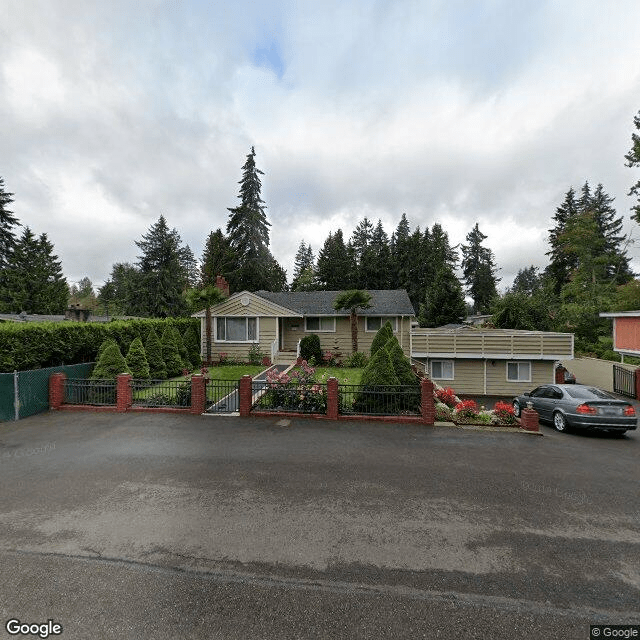
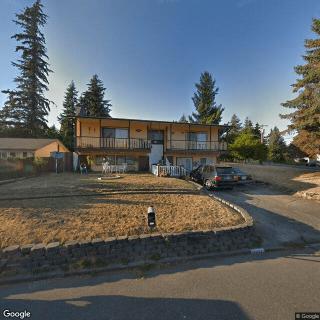
31021 42nd Ave S, Auburn, WA 98001
To contact a resident: (253) 941-0922
For more information about senior living options: (866) 208-4318
Helping Hands LMR Costs & Pricing
Helping Hands LMR offers competitive pricing for its services, with both private rooms and one-bedroom accommodations set at $3,500 per month. When compared to the broader market, Helping Hands LMR significantly undercuts the average costs in King County and across Washington state. In King County, the average cost for a private room is approximately $5,034, while a one-bedroom unit averages around $5,127. Similarly, the statewide average for a private room stands at about $4,772 and $4,632 for a one-bedroom. This pricing strategy not only demonstrates Helping Hands LMR's commitment to affordability but also positions it as an attractive option for individuals seeking quality care without compromising their financial stability.
| Floor plans | Helping Hands LMR | King County | Washington |
|---|---|---|---|
| Private | $3,500 | $5,034 | $4,774 |
| 1 Bedroom | $3,500 | $5,127 | $4,634 |
Memory care communities with a similar price nearby
-
from -$500 / mo
Hummingbird Homecare
$3,000 / month4.7 miles away -
from +$500 / mo

Riverton Home Care
$4,000 to $5,000 / month10.6 miles away -
from -$500 / mo
Home Care in Kent Inc.
$3,000 to $3,500 / month5.6 miles away -
from +$500 / mo
Gentle Care Home
$4,000 to $5,500 / month11.3 miles away -
About the same

Twin Lakes Haven Adult Family Home
$3,500 to $8,000 / month3.9 miles away
Overall Review of Helping Hands LMR
Pros
 The facility is highly recommended and considered the best in its class.
- It has a beautiful yard where vegetables are grown.
- Home-cooked meals are delicious.
- Residents can pet small dogs and enjoy watching them play.
- The staff provides personalized, friendly care and attends to all residents’ needs.
Review
Helping Hands LMR in Auburn, WA is best suited for families seeking a compact, home-like assisted living experience where the daily rhythm centers on warmth, personal attention, and comfortable living. The community shines as a residential, intimate setting rather than a clinical campus. Families describe a place that feels lived-in in a positive sense: a well-tended yard used for vegetable gardening, home-cooked meals that feel like home, and residents who can enjoy the companionship of small dogs. The core strength is that every resident’s routines and preferences are taken seriously, with staff promptly addressing needs in a genuinely caring, personalized manner.
However, those whose loved ones require higher levels of medical supervision, constant clinical oversight, or specialized memory care should weigh alternatives. The reviews highlight warmth and individualized attention but do not describe a broad on-site medical program, therapy suites, or secure dementia environments. A larger community with more extensive medical staffing, transport options, and a wider array of programs could better serve residents with complex health needs or a preference for a busier social calendar.
On the pro side, the advantages are tangible and direct. The personalized, friendly care is palpable, with staff seemingly attuned to individual preferences and daily routines. Home-cooked meals contribute to nutritional well-being and emotional comfort, reinforcing a sense of belonging. The yard and garden invite light activity and connection to outdoor living, while the presence of small dogs adds companionship that can uplift mood and counter isolation. This blend of intimate attention, comfortable meals, and a welcoming, garden-centered environment often offsets the absence of a large-scale activity apparatus.
The trade-off in size is notable. The intimate scale that fosters closeness can also limit formal activities, access to on-site specialists, and excursion opportunities typical of bigger facilities. For families seeking a robust social calendar, diversified therapies, or immediate access to advanced clinical services, Helping Hands LMR may feel lean. The reviews don’t reveal dissatisfaction; they underscore a deeply caring environment that prioritizes daily comfort over institutional breadth. Prospective residents should inquire about staffing ratios, what a typical day looks like, and how care plans are executed in practice, especially when health needs escalate.
Alternatives are worth considering for residents with higher acuity or those desiring more structured programming and campus amenities. Larger Auburn-area communities often feature richer activity calendars, transportation to appointments, and dedicated memory-care wings. For families who prize the intimate, “home away from home” feel, Helping Hands LMR stands out as a compelling option, so long as the resident’s health needs align with what a smaller, highly attentive setting can reliably manage.
Bottom line: Helping Hands LMR is a strong fit for families prioritizing individualized care, a homelike atmosphere, and sensory comforts like a garden, home-cooked meals, and pet companionship. It offsets potential gaps in formal programming with genuine attentiveness and a soothing daily rhythm. Before deciding, request a thorough tour, review a sample care plan in practice, confirm evening and weekend staffing coverage, and discuss how health needs would be addressed if circumstances intensify. With those checks, this Auburn community presents itself as a practical, trusted option for the right resident.
 Board and Care Home
 Memory Care
 Activities on-site
 Beautician on-site
 Indoor common areas
 Outdoor common areas
 Private
 Wheelchair accessible showers
 Seattle-Tacoma International (9 miles away)
 Ambulatory care
 Diabetic care
 High acuity care
 Incontinence care
 Medication management
 Kosher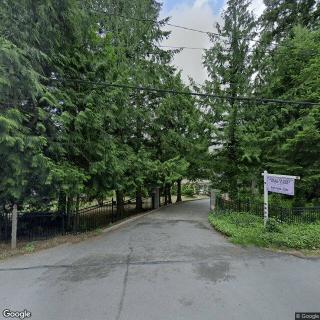

 A Holistic Dementia Care Guide: Effective Strategies for Memory Support
 Memory Care Pathways: A Holistic Guide to Dementia Support
 Comprehending Evening Confusion in Dementia: Causes, Manifestations, and Support