

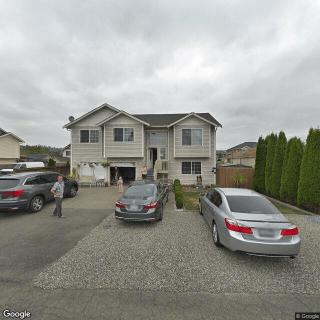
34318 43rd Ave. S, Auburn, WA 98001
To contact a resident: (206) 718-2661
For more information about senior living options: (866) 208-4318
Adult Quality Care - Auburn Costs & Pricing
At Adult Quality Care in Auburn, the monthly costs for accommodation are notably competitive when compared to broader averages in King County and across the state of Washington. The facility offers semi-private rooms at $1,500 per month, which is significantly lower than the county average of $4,430 and the state average of $4,267. For those seeking more privacy, private rooms are available at $3,000 per month - again a cost-effective option relative to King County's average of $5,034 and Washington's state figure of $4,772. This pricing structure underscores Adult Quality Care's commitment to providing quality care and comfortable living arrangements at a fraction of the cost typically associated with similar facilities in the region.
| Floor plans | Adult Quality Care - Auburn | King County | Washington |
|---|---|---|---|
| Semi-Private | $1,500 | $4,430 | $4,272 |
| Private | $3,000 | $5,034 | $4,774 |
Memory care communities with a similar price nearby
-
from +$200 / mo
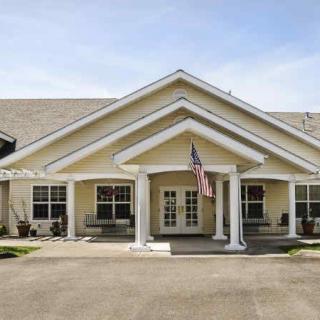
Cascade Place Assisted Living and Memory Care
$1,700 to $2,600 / month16.3 miles away -
About the same
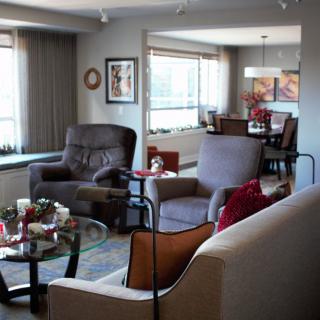
Horizon House
$1,514 to $7,200 / month22.0 miles away -
from +$250 / mo
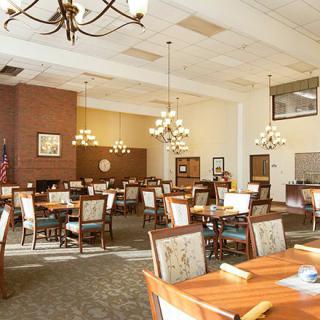
The Rivers at Puyallup
$1,750 to $3,895 / month6.9 miles away -
from +$200 / mo
Peoples Retirement Community
$1,700 to $3,300 / month9.0 miles away -
from +$150 / mo
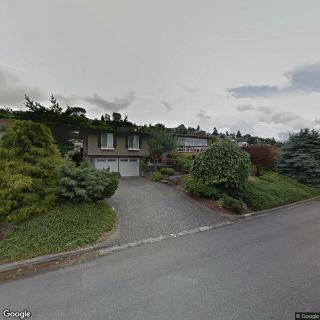
Somerset View Adult Family Home
$1,650 / month19.6 miles away
Overall Review of Adult Quality Care - Auburn
Pros
 The place is wonderful.
- The care provided is amazing and resident well-being is the top priority.
- They are very professional in handling residents, and the facility stays clean with no odor.
- Residents are treated with dignity and respect.
- Medications are organized and residents are helped to get up and moving.
- The environment is warm, welcoming, and supportive of comfort and rehabilitation.
- The team is kind, patient, and deeply caring.
- The care is praised as wonderful, and the team is highly recommended.
Cons
 They watched her quickly decline and did nothing to intervene.
Review
Adult Quality Care - Auburn is best suited for families seeking a warm, small-home atmosphere where dignity and personalized attention are the standard, not the exception. The community thrives on a hands-on approach: caregivers focus on daily comfort, mobility prompts, and precise medication management, all delivered in a clean, odor-free environment. The food is repeatedly praised as excellent, and the settings consistently feel welcoming and homelike. This is not a generic facility tour; it is a tightly run operation where staff engagement and resident comfort are the core daily objectives, making it an especially strong option for seniors who value intimate, relationship-driven care.
Those who should consider alternatives are families facing advanced medical complexity or dementia needs that require intensive, hospital-style oversight or a formal, campus-scale program. If 24/7 access to a wide roster of specialized clinicians, heavy-duty skilled nursing, or highly structured memory-care programming is non-negotiable, a larger community with more extensive clinical resources may be a better fit. For residents who want a broader range of on-site activities and amenities or a setting with a more clinical footprint, it’s prudent to explore other options to ensure alignment with long-term care goals.
The key strengths consistently offset potential gaps by delivering exceptionally attentive, compassionate care. The staff’s professionalism and genuine kindness translate into dependable daily routines, strong dignity in care, and careful attention to medications and mobility. The ability to get residents up and moving, coupled with thoughtful rehabilitation-minded support, helps prevent decline and supports independence where possible. Cleanliness and odor control reinforce a sense of safety and pride in the environment, while the emphasis on good meals enhances overall well-being and mood. In short, the positives create a stable, reassuring foundation that minimizes the impact of any limitations inherent to a smaller, family-style setting.
A dedicated, recognizable team underpins the experience here. Names such as Jee, Lean, Gilbert, and Rose appear repeatedly as the driving force behind consistent care, kindness, and patient attention. This leadership and staff cohesion foster trust with both residents and families, ensuring care plans are followed with fidelity and adjusted with sensitivity as needs shift. The tight-knit team approach translates into reliable responsiveness, a critical factor for families weighing daily comfort, timely medication administration, and the sense that a loved one is not just housed, but truly cared for.
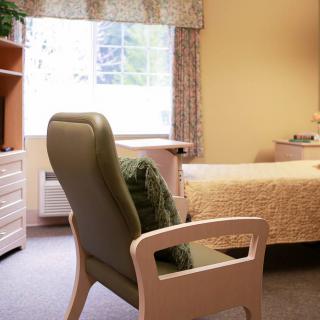
Another important dimension is the family-friendly, home-like atmosphere. Reviews repeatedly highlight a warm, welcoming environment where residents feel seen and valued. The contrast with other adult family homes is notable, with families describing a clear positive difference in how current residents are treated and engaged. This environment often translates to calmer days for residents and lighter stress for families during transitions. While not a clinical pipeline for every condition, the setting consistently supports recovery-oriented goals, comfort, and emotional well-being through dedicated, personable care.
For families considering this community, the practical takeaway is clear: it offers a compelling blend of dignity-driven care, personal attention, and a home-like ambience that can make a difficult transition much easier. The strongest fit is a senior who thrives on consistent, affectionate caregiving, reliable medication management, and a rehabilitation-minded daily rhythm, in a clean, welcoming space. If those priorities align with the senior’s needs and family expectations, this Auburn option stands out as a practical, experienced choice. If medical intensity or dementia-specific programming is the priority, exploring alternatives with a deeper clinical footprint is warranted. The next step is a candid visit, ask about daily schedules, staffing, and how rehab goals are pursued, and compare it against other options to confirm the best long-term home for the loved one.
 Board and Care Home
 Memory Care
 Private
 Seattle-Tacoma International (11 miles away)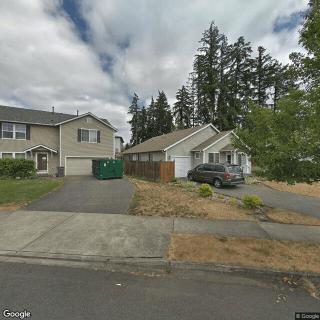




 Estimating the Expenses of At-Home Dementia Care: A Detailed Exploration
 Comprehensive Insights on the Late Stages of Dementia: What to Expect and How to Provide Care
 Medications Associated with Dementia Risk: A Comprehensive Overview