
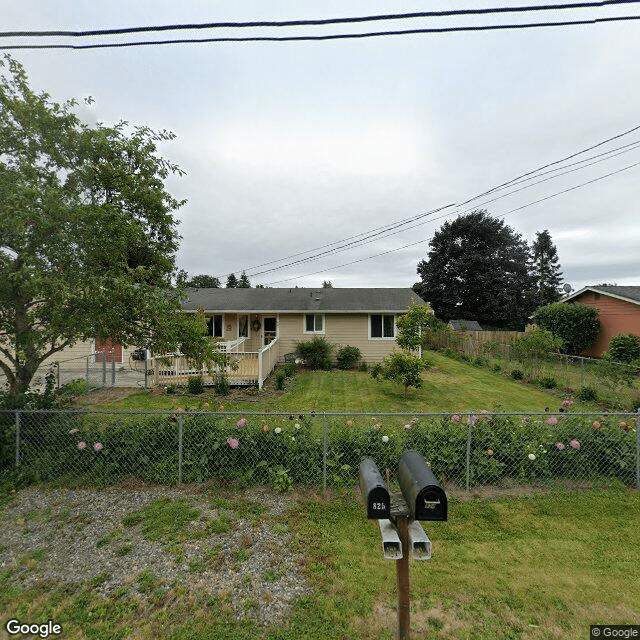
824 Celery Avenue, Algona, WA 98001
To contact a resident: (253) 833-2538
For more information about senior living options: (866) 208-4318
Algona Adult Family Home Costs & Pricing
Algona Adult Family Home offers competitive pricing for its services, with monthly costs that are generally lower than those of both King County and the broader state of Washington. For a semi-private room, residents can expect to pay $4,000, which is notably more affordable than the county's average of $4,430 and slightly below the state average of $4,267. When it comes to private rooms, Algona maintains a similar trend with a monthly fee of $4,500 - this is less than King County's average rate of $5,034 and comparable to Washington's overall rate of $4,772. Overall, Algona Adult Family Home provides a cost-effective solution for adult family care without compromising quality or comfort.
| Floor plans | Algona Adult Family Home | King County | Washington |
|---|---|---|---|
| Semi-Private | $4,000 | $4,430 | $4,272 |
| Private | $4,500 | $5,034 | $4,774 |
Senior living communities with a similar price nearby
-
About the same
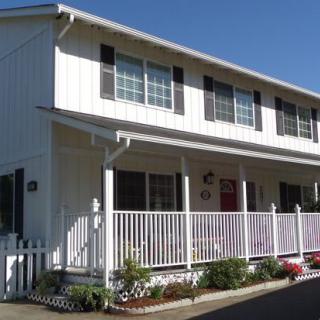
Meadow Crest Senior Home
$4,000 to $6,000 / month15.4 miles away -
About the same

Riverton Home Care
$4,000 to $5,000 / month13.0 miles away -
About the same
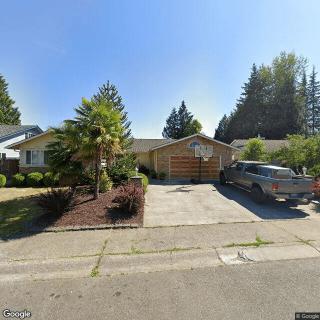
Gentle Care Home
$4,000 to $5,500 / month12.5 miles away -
from -$500 / mo

Twin Lakes Haven Adult Family Home
$3,500 to $8,000 / month5.6 miles away -
from -$500 / mo
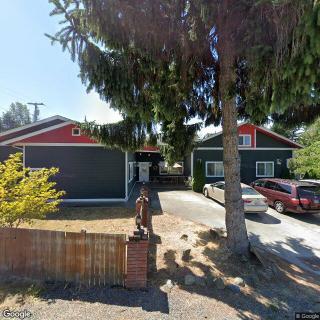
Valley Home Care
$3,500 / month11.0 miles away
Overall Review of Algona Adult Family Home
Pros
 They truly care about the seniors living in their home.
- The place is great to bring a loved one.
- The family has cared for a dad for the last three years.
- Daisy and Steve are amazing caregivers.
- They are angels taking care of the dad when the family cannot.
Review
Algona Adult Family Home is best suited for families seeking an exceptionally intimate, home-like environment where a devoted, hands-on family team delivers highly personalized care for an older adult who thrives with one-on-one attention and continuity of care. This community shines for residents who need daily living support, companionship, and a steady, predictable routine, rather than a facility with a large staff and a sprawling activities calendar. The setting prioritizes meaningful relationships, consistent caregivers, and a sense of being welcomed into a warm, small-scale home rather than into an institution.
Those who should consider alternatives are residents with elevated medical needs requiring on-site nursing or frequent clinical interventions, or families pursuing memory-care services tailored to advanced dementia with specialized staff training and dedicated programming. A larger assisted living or specialized memory-care community may offer more intensive medical oversight and a broader slate of structured programs. Cost transparency and a broader range of on-site services are other factors that might push families toward bigger facilities, depending on the level of care required.
The strongest advantages here come from the human-focused care delivered by a family-run team. Reviews consistently highlight that “these people really care about the seniors,” and that the care team is both capable and compassionate. The praise for Daisy and Steve, described as amazing and as “better angels” for a dad when family cannot be present, speaks to unwavering reliability, deep trust, and a reassuring sense of continuity. In a setting where residents become part of the family, this level of attentiveness can translate into better daily well-being, fewer misunderstandings about preferences, and smoother transitions between activities or routines. The very small, intimate scale can also mean easier communication with caregivers and a quicker response to changing needs.
These pros, exceptional personal attention, long-tenured caregivers, and a welcoming, home-like atmosphere, tend to offset the potential drawbacks associated with smaller homes. The tight-knit environment often yields calmer days for residents, with fewer alarms and more predictable interactions, which many families prize when weighing quality of life against more clinical amenities. The proven commitment of the family staff provides reassurance that a resident’s preferences, habits, and routines will be honored over time, reducing the stress of piecemeal care and last-minute changes.
Nevertheless, it is prudent to acknowledge the practical trade-offs. A small, family-run home typically cannot replicate the breadth of professional resources found in larger communities, such as on-site physicians, a full-time registered nurse, or a broad assortment of specialized programs. For residents who require extensive medical management, frequent skilled interventions, or dementia-focused programming, the level of clinical infrastructure could feel limiting. Families should amass a clear picture of what is included in care plans, how medications are managed, and how emergencies are handled, to ensure the setting aligns with current and anticipated needs.
In the final assessment, Algona Adult Family Home stands out for families who want trust, warmth, and continuity packaged into a compact, inviting setting. It excels when the priority is a candid, emotionally attuned environment where caregivers become trusted partners in daily life. For decision-making, prospective families should arrange a visit to meet Daisy and Steve, observe interactions with residents, and probe specifics about daily routines, level of medical oversight, activity options, meal planning, and pricing structure. If a resident’s needs align with a small, attentive home atmosphere, this community delivers practical, demonstrable value that translates into real peace of mind for families.
 Board and Care Home
 Activities on-site
 Bath tubs
 Beautician on-site
 Indoor common areas
 Outdoor common areas
 Private
 Private bathrooms
 Wheelchair accessible showers
 Seattle-Tacoma International (11 miles away)
 Diabetic care
 High acuity care
 Incontinence care
 Medication management
 Kosher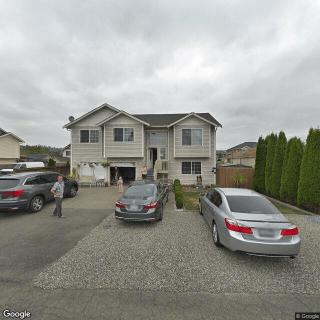





 Recognizing the Journey: Understanding and Navigating Anticipatory Grief
 Encouraging Participation in Adult Day Care: A Guide to Supporting a Hesitant Parent
 Comprehensive Exploration of Living Wills and Other Advance Directives