For more information about senior living options: (866) 208-4318
3.2 from 62 reviews
5 stars
29
4 stars
2
3 stars
3
2 stars
6
1 stars
22
Overall Review of Advanced Post Acute
common22 reviews mention this
Caring staff stand out
Residents and families repeatedly describe a caring, helpful staff.
A common theme across reviews is the way staff show up for residents—being kind, attentive, and supportive to both residents and families. Several mentions specifically call out nurses and CNAs as dependable and personable, and multiple reviews describe staff going out of their way during stressful situations. Reviews also reference helpful coordination around medications and daily needs, along with professionals who support rehabilitation and independence.
caveat13 reviews mention this
Communication can break down
Phone access and call responsiveness are recurring points of frustration.
Some reviews complain about unanswered phones, limited phone access in rooms, and voicemail that residents or families say they cannot reach. Others describe delays in getting help, including ignored call buttons, lack of urgency from staff, and understaffing at certain times. A few reviews also raise concerns about safety when emergencies are suspected, including claims that calls were not handled the way families expected.
caveat8 reviews mention this
Cleanliness is uneven
Multiple reviews describe dirty conditions and poor upkeep.
Several reviews say the building or resident areas were dirty or unkept, with one comment describing odors tied to the facility environment. There are also complaints about hygiene and care details, including residents left in soiled bedding or diapers for extended periods. A few reviews connect cleanliness concerns with broader safety worries like rooms that felt not ready for use and equipment or conditions that needed attention.
caveat6 reviews mention this
Food quality splits opinions
Dining reviews range from excellent to disappointing.
Some residents and families praise the meals, describing them as excellent with good variety and regular snacks and beverages. Others report the food is terrible, awful, or not to their liking, with comments about meals being flavorless, greasy, or generally not good. The mix of feedback suggests dining experience can vary from person to person or across time.
common8 reviews mention this
Activities and therapy support recovery
Reviews frequently mention activities that support daily engagement and recovery.
Many reviews describe a busy routine that includes scheduled activities, exercise classes, outings, and resident-centered programming. Therapy is also a recurring positive theme, with reviews crediting physical, occupational, and speech therapy teams (and therapy staff more generally) with helping residents regain mobility or independence. Several mentions tie this structured engagement to better day-to-day experiences for residents, including enjoyment and more time outside the facility.
How we summarize
Counts show how many written reviews mention each theme; a review can touch several themes, and only frequently mentioned themes are displayed.
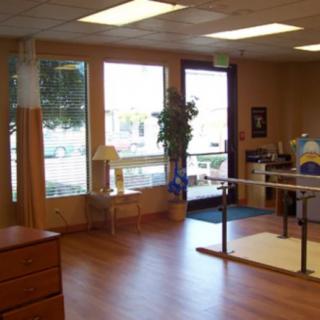
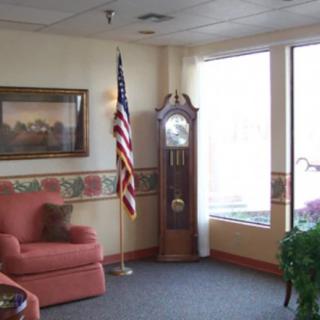
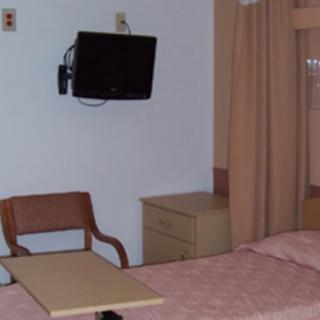
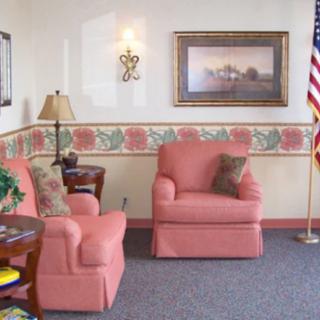
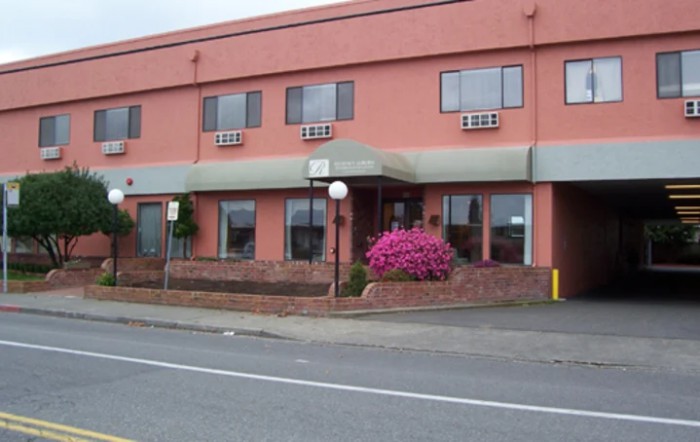
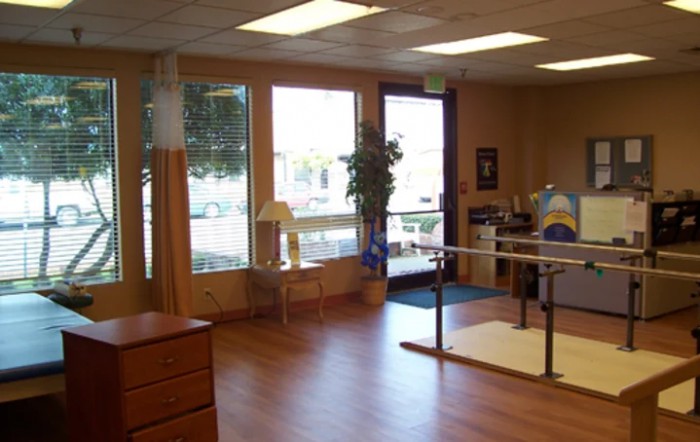
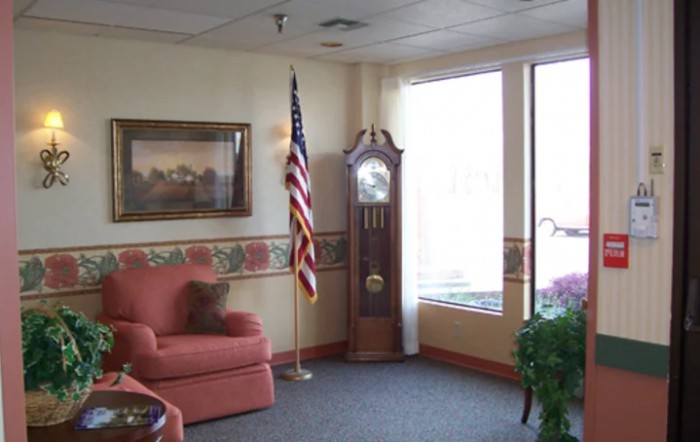
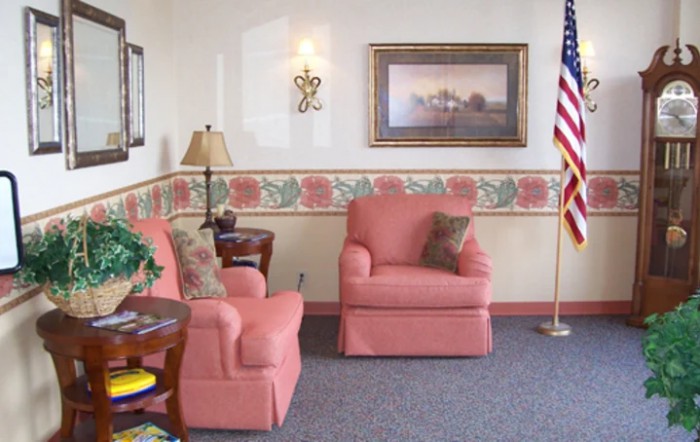
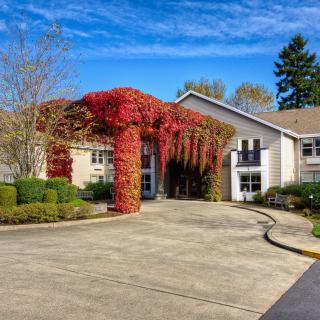
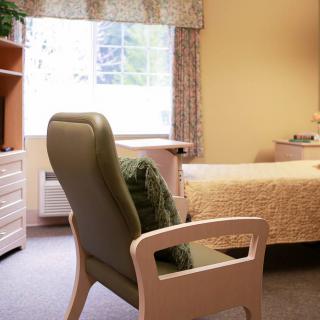
Advanced Post Acute on seniors.fyi includes 5 photos including images showing interior, living room, flag, building, architecture, physical therapy, exercise equipment, windows, and more.
Nearby Communities
Chartley House
Auburn, WA
3 from 2 reviews
Comprehensive assisted living with 24/7 supervision and engaging activities.
Chartley House South- Psyche House
Auburn, WA
3 from 2 reviews
Specialized diabetic care in a peaceful setting.
Auburn AFH
Auburn, WA
4.8 from 5 reviews
$3,500 to $4,500 / month
Affordable memory care with private/semi-private rooms and comprehensive on-site services.
Canterbury House
Auburn, WA
3 from 81 reviews
Friendly staff and a clean, well-kept facility.
Green Sapphire
Auburn, WA
$2,500 to $3,500 / month
Competitive memory care pricing below King County averages
Merrill Gardens at Auburn
Auburn, WA
4.5 from 80 reviews
$3,050 to $4,995 / month
Welcoming, well-maintained facility with friendly staff, engaging activities, and clear family communication.
Home health care has become essential for supporting independence among the aging population, offering diverse services such as skilled nursing and rehabilitation in familiar environments, while also incorporating technology for personalized care. Despite its benefits, including improved recovery rates and emotional well-being, challenges like safety, staff availability, and insurance navigation must be managed for effective implementation.
Home health care offers a range of clinical services provided in a patient's home, including nursing and therapy, tailored to individual needs, particularly for aging seniors with chronic conditions. This approach enhances patient independence, promotes better disease management, and utilizes technology for real-time monitoring while fostering collaboration among healthcare providers and family members.
Seniors benefit from ride-hailing services like Uber and Lyft, which provide convenient and accessible transportation options that promote independence and social engagement, while addressing mobility challenges. These platforms have adapted to meet senior needs with user-friendly features and safety measures, although costs can be a concern; community programs may help subsidize rides for older adults.
Get PricingAsk A QuestionSchedule A TourContact Senior Advisor
By clicking submit, you agree to our Partner's Terms of Use. You
also consent to receive calls and texts, which may be autodialed, from our Partner. Your consent is not a condition to
using our Partner's service. Please visit our Partner's Privacy Policy for information about their privacy practices.

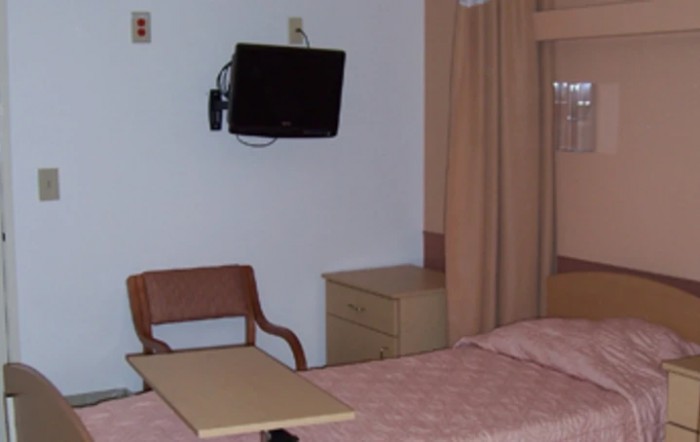
 86 resident community capacity
 Skilled Nursing Facility
 Air-conditioning
 Beauty salon
 Cable or satellite TV
 Computer center
 Dining room
 Fitness room
 Fully furnished
 Gaming room
 Garden
 Housekeeping services
 Kitchenette
 Move-in coordination
 Outdoor space
 Private bathrooms
 Restaurant-style dining
 Small library
 Telephone
 Wellness center
 Wi-Fi/high-speed internet available
 Seattle-Tacoma International (11 miles away)
 Community operated transportation
 12-16 hour nursing
 24-hour call system
 Activities of daily living assistance
 Assistance with bathing
 Assistance with dressing
 Assistance with transfers
 Diabetes diet
 Medication management
 Mental wellness program
 Special dietary restrictions
 Concierge services
 Planned day trips
 Comprehensive assisted living with 24/7 supervision and engaging activities.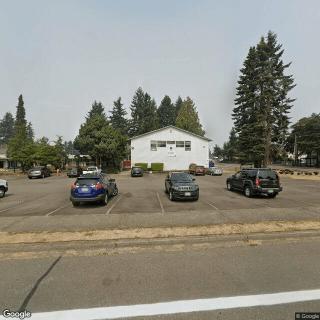



 Understanding Home Health Care: A Comprehensive Guide
 Home Health Care Demystified: A Comprehensive Guide for Families and Caregivers
 Seniors and Modern Transportation: Exploring Uber, Lyft, and Other Ride-Hailing Options