Canterbury House in Auburn, WA

Save

  • Interior

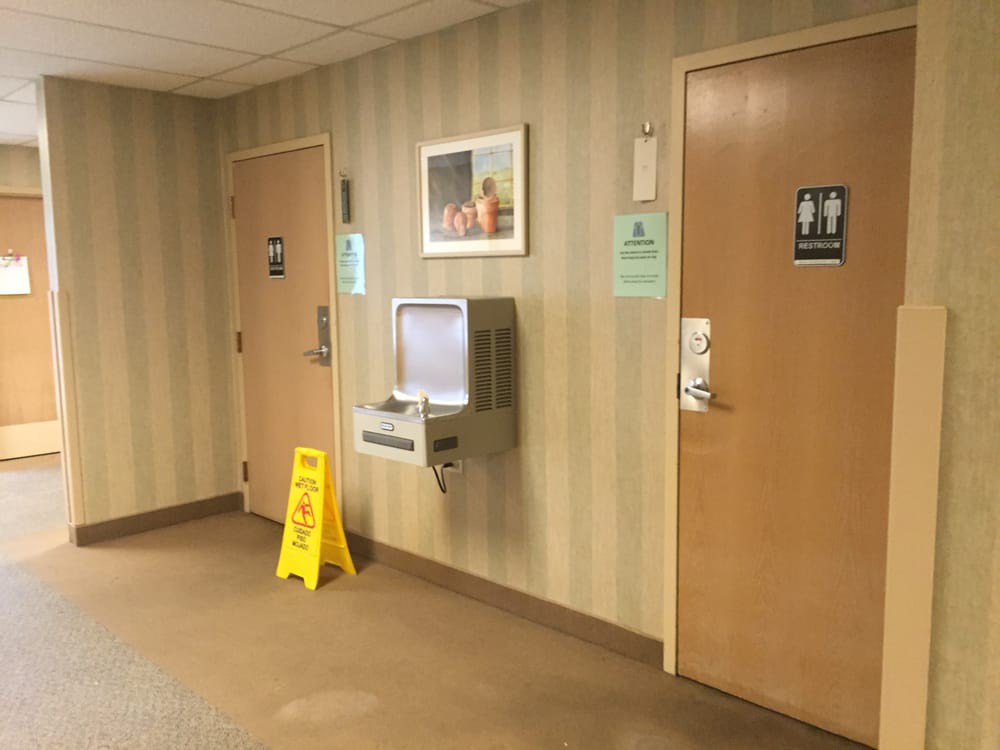
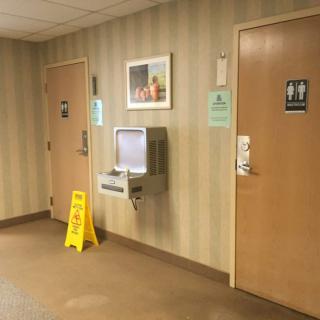
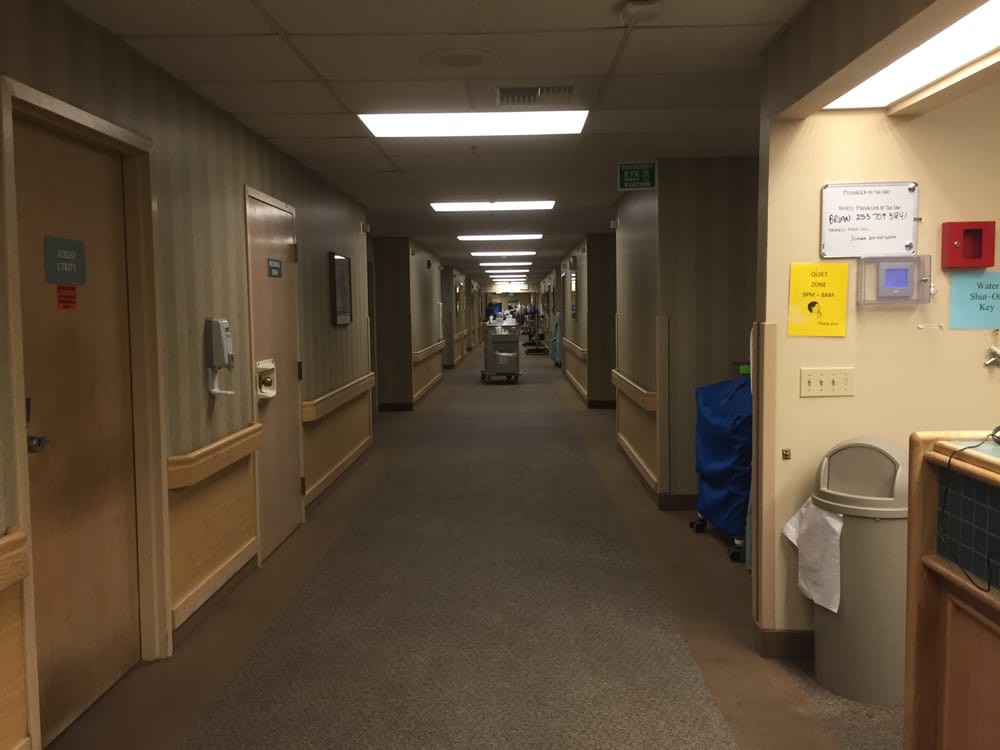
    A hallway featuring restroom doors and a water fountain, with a caution sign on the floor.
  • Decor

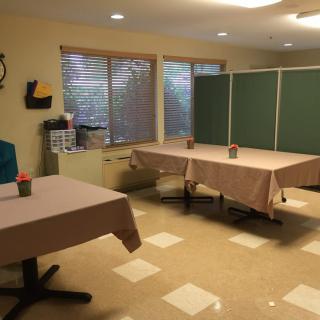
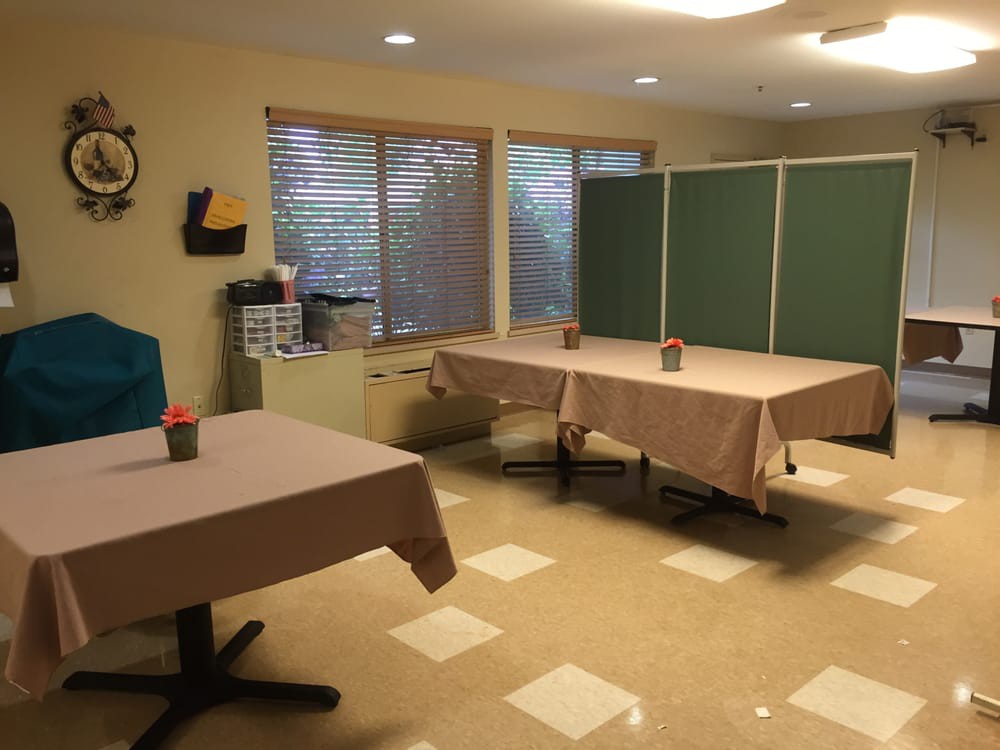
    A room with tables and chairs set up, featuring windows and wall decorations.
  • Building

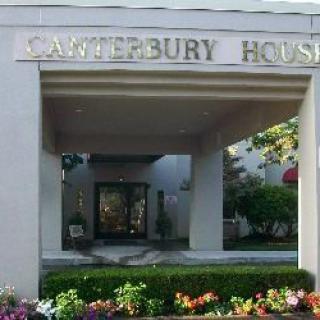
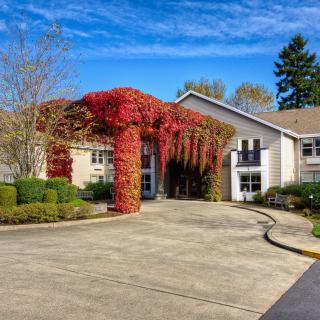
    Entrance of Canterbury House with visible signage and surrounding landscaping.
  • Architecture

    Entrance of Canterbury House featuring a covered driveway.
  • Bedroom

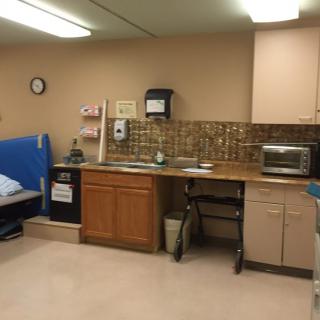
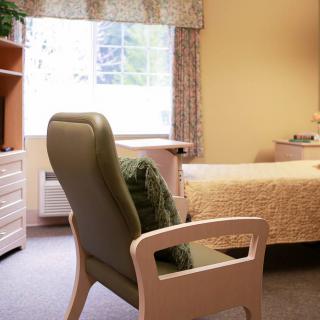
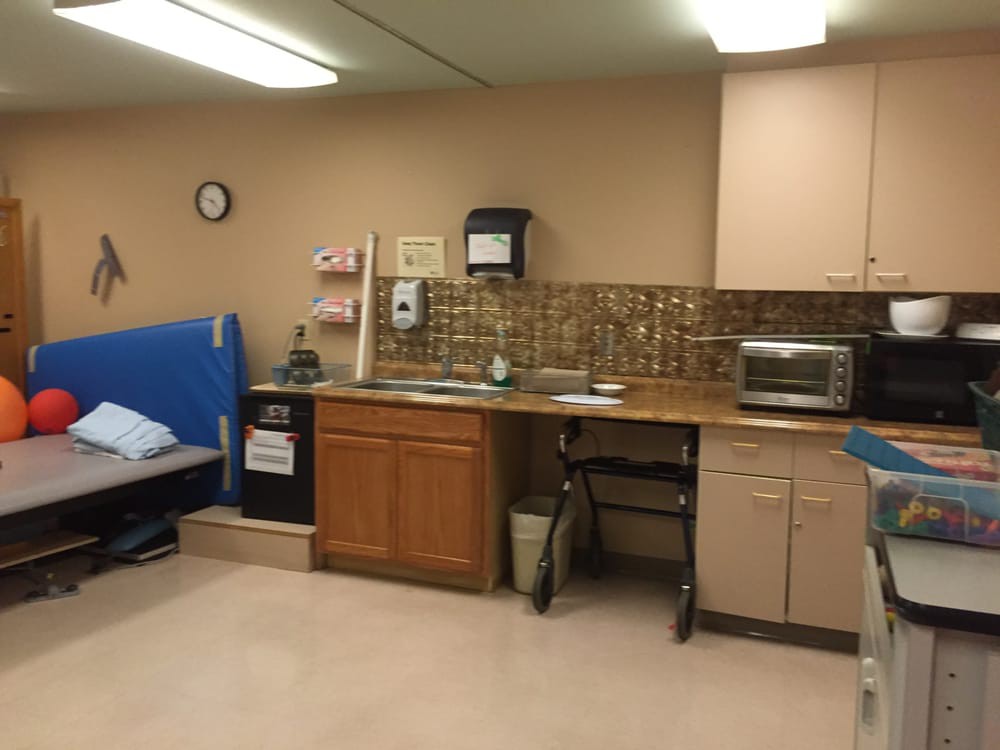
    A hospital or clinic room with a bed, sink, and microwave.
  • Windows

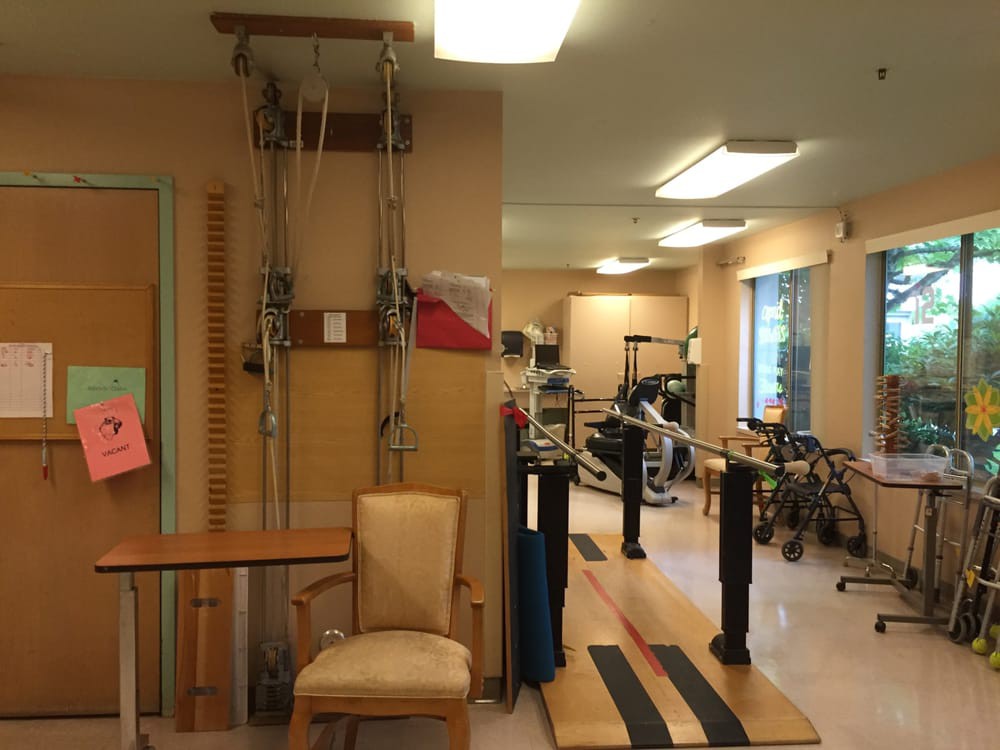
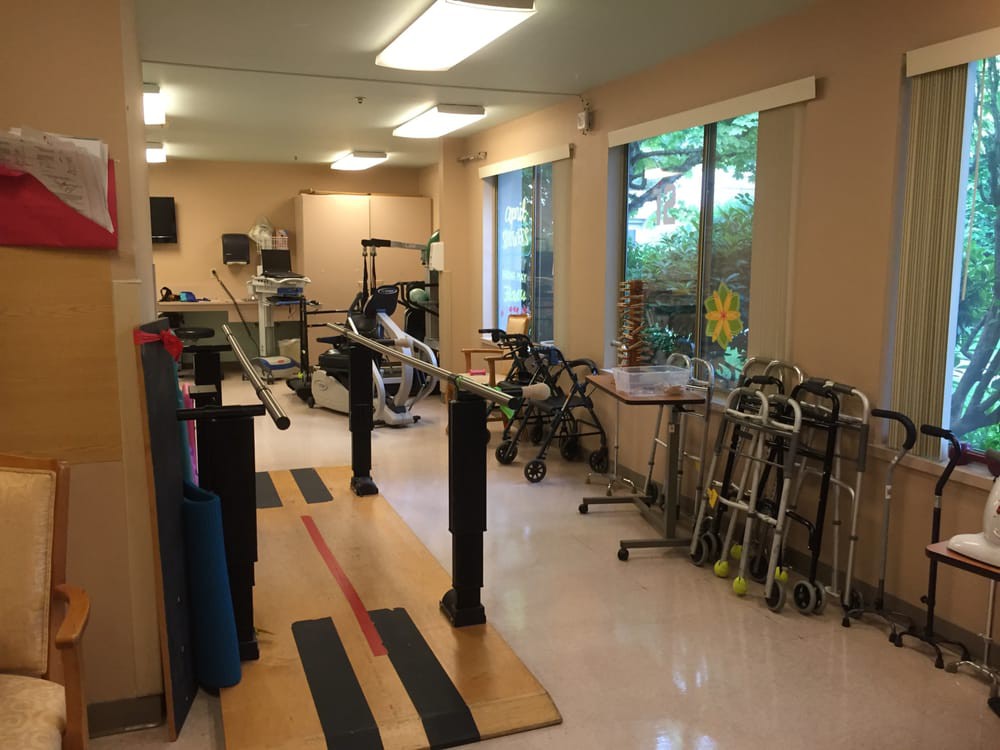
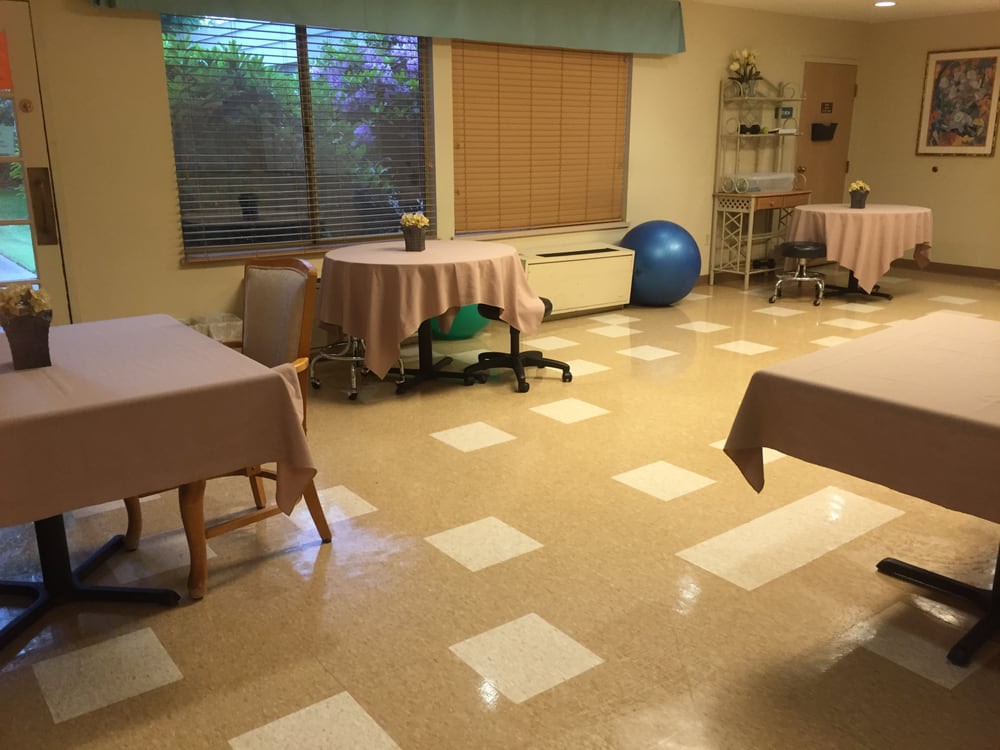
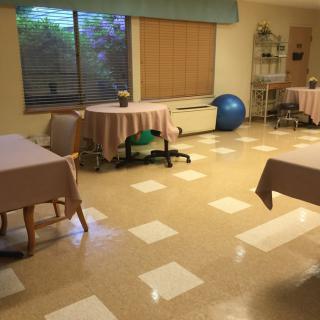
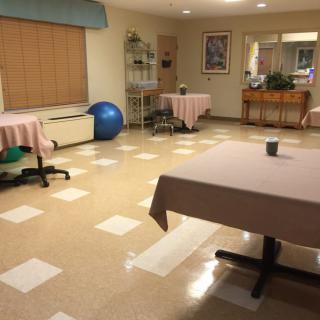
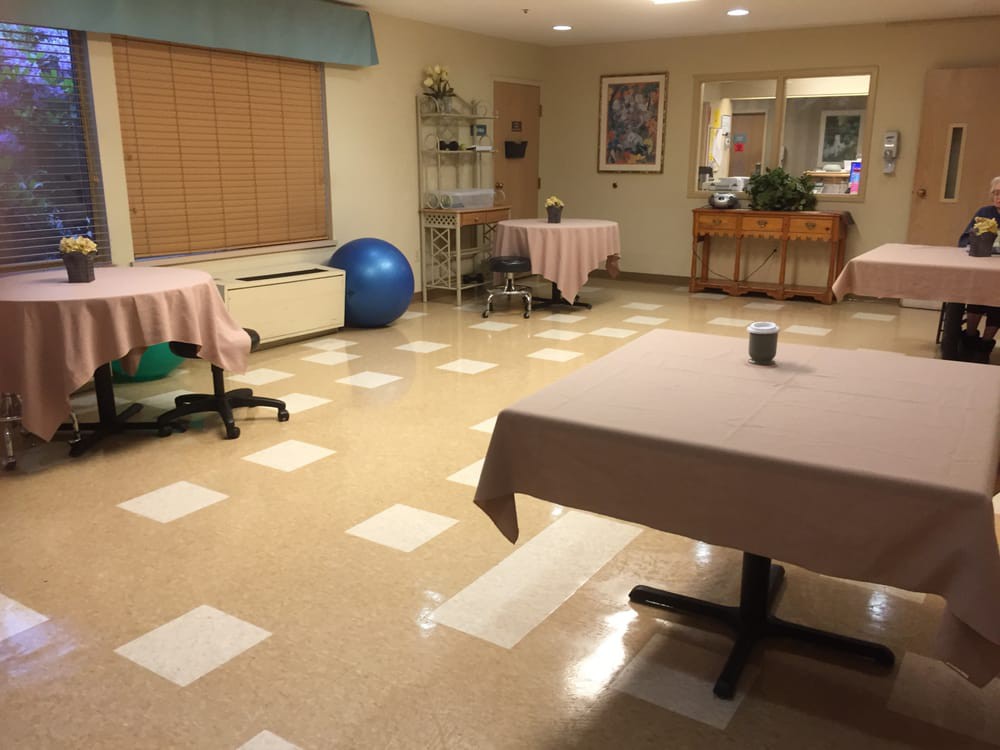
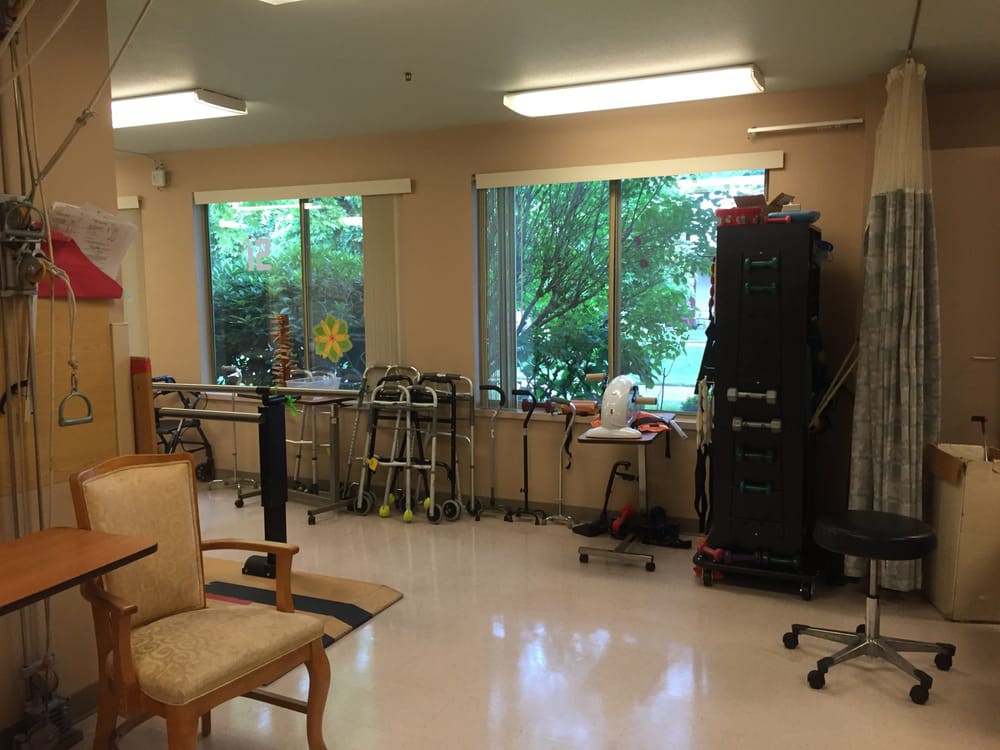
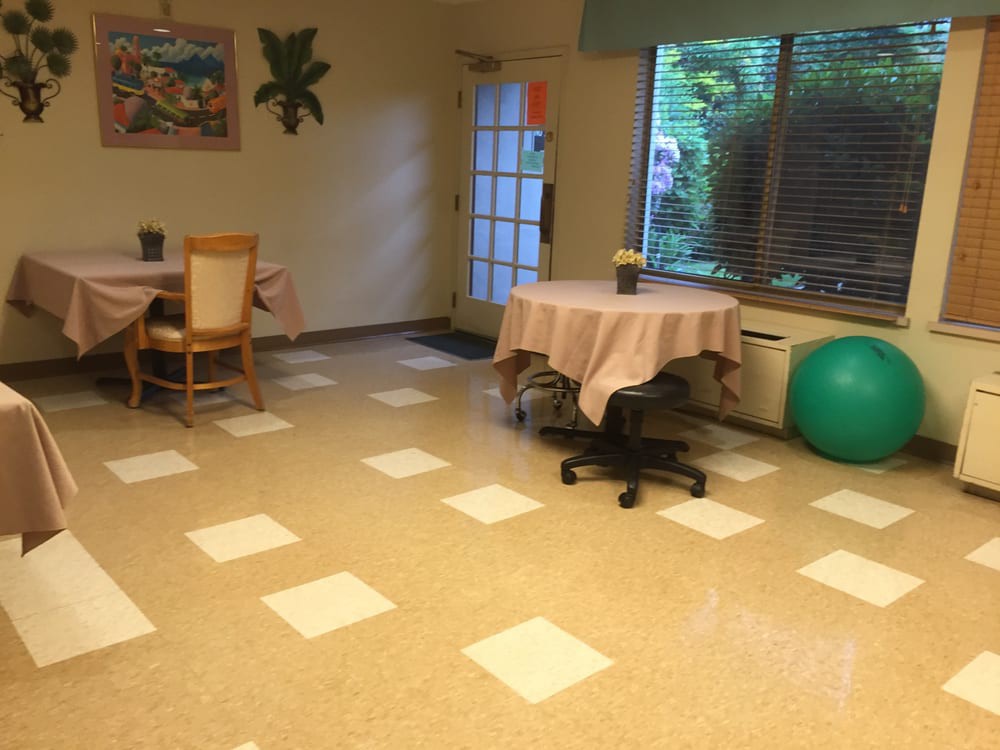
    A room with tables and chairs, featuring a window with blinds and an exercise ball in the corner.
  • Dining

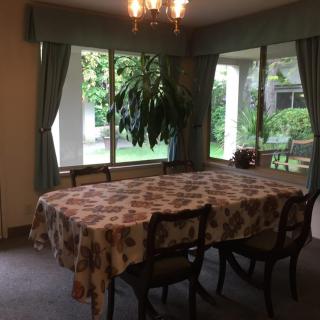
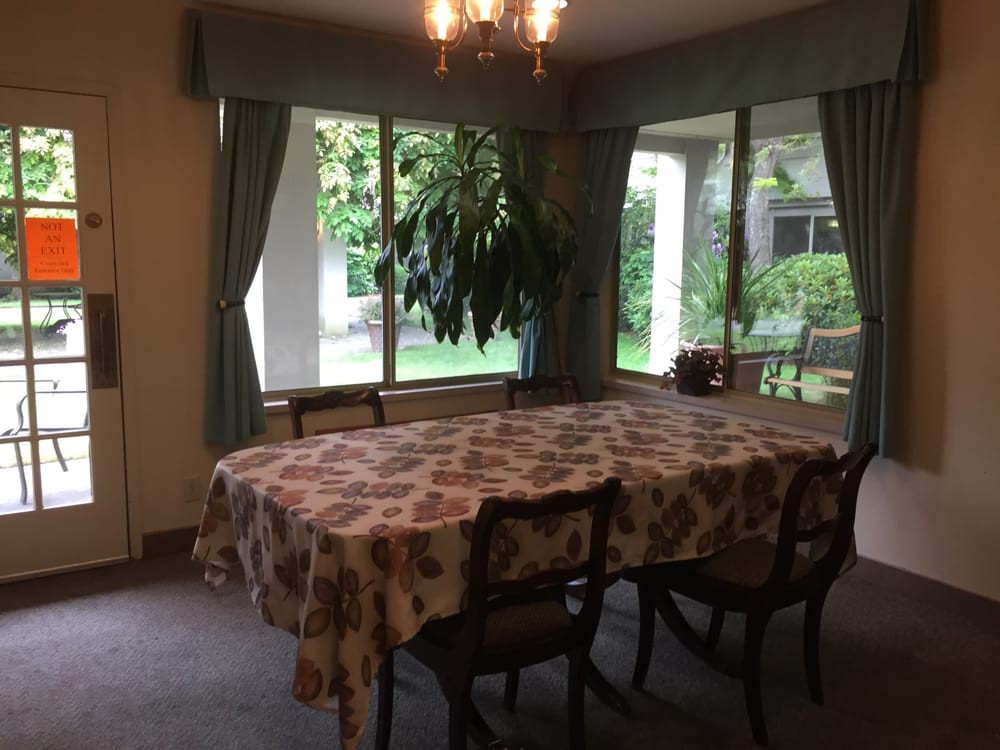
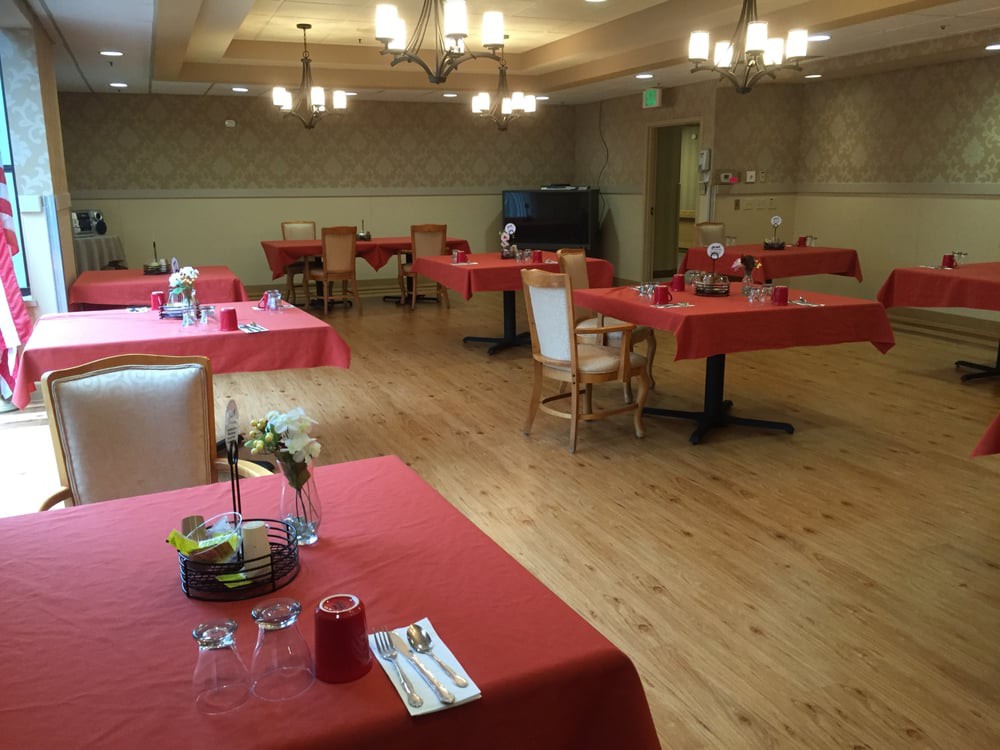
    A cozy dining room with a table covered by a patterned cloth, surrounded by chairs and illuminated by a chandelier. Large windows allow daylight to brighten the space.
  • Landscaping

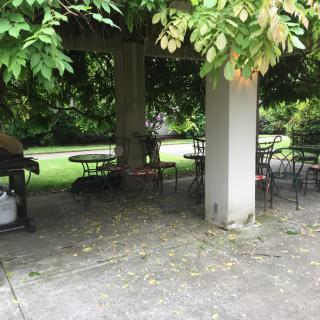
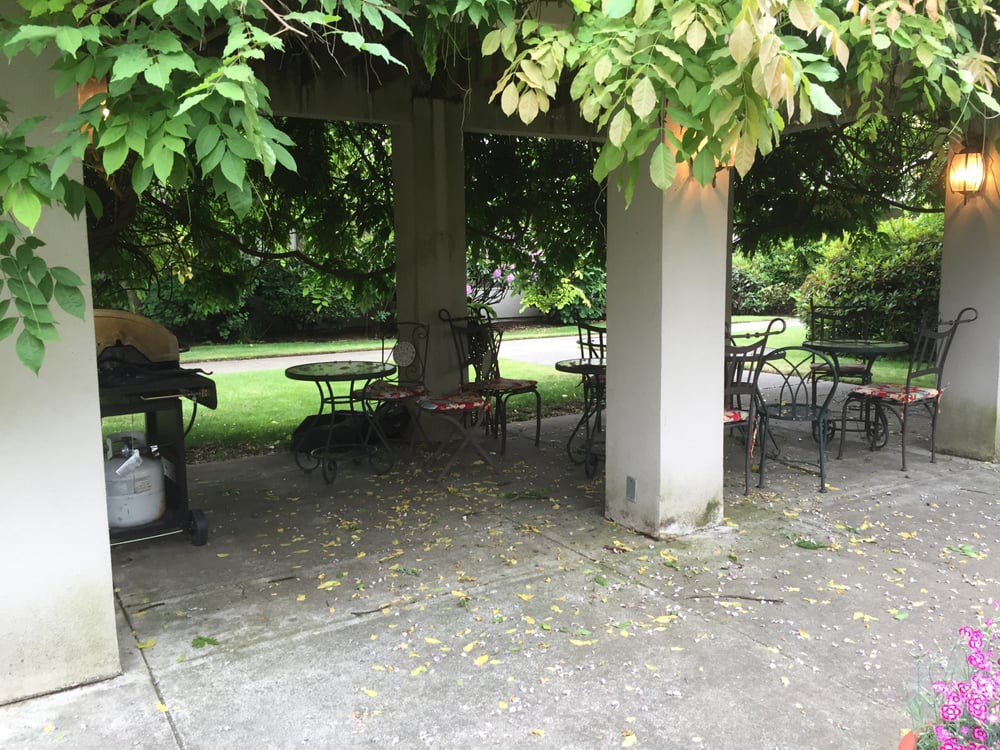
    A serene outdoor gazebo with chairs and tables surrounded by lush greenery.
  • Lighting

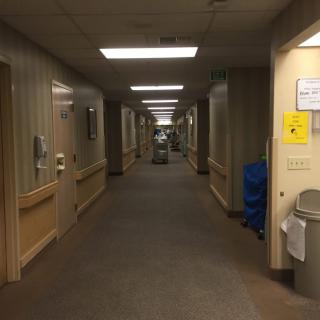
    A well-lit hospital hallway with a carpeted floor and doors on either side.
  • Garden

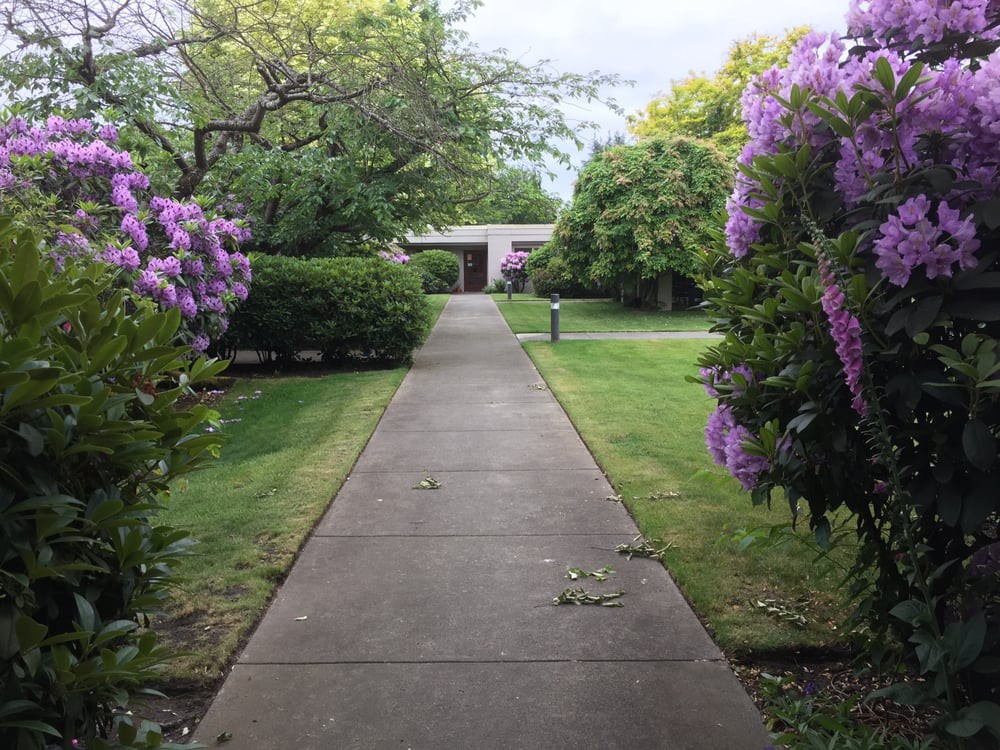
    A peaceful garden path adorned with vibrant purple flowers.
  • Artwork

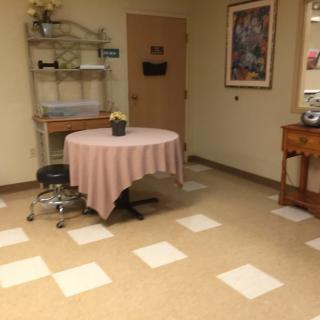
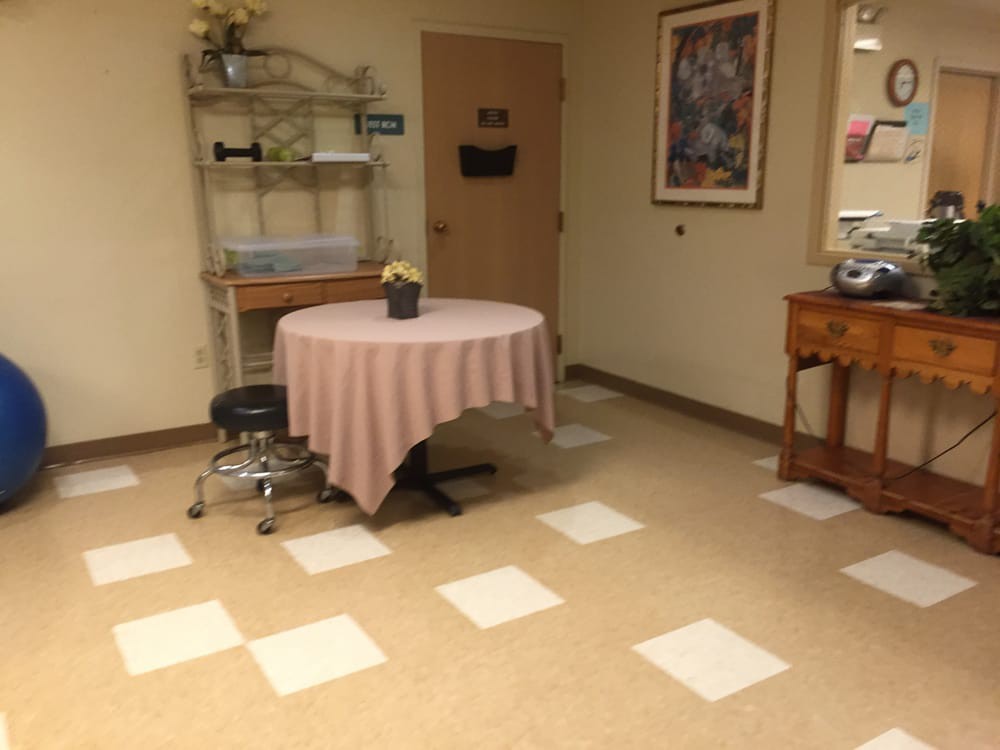
    A quiet waiting room with a round table covered by a pink tablecloth, a chair, decorative plants, and artwork on the walls.
  • Chandelier

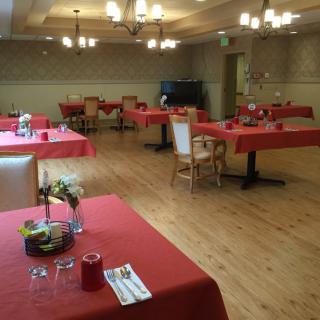
    A restaurant dining area with red tablecloths and chandeliers.
  • Painting

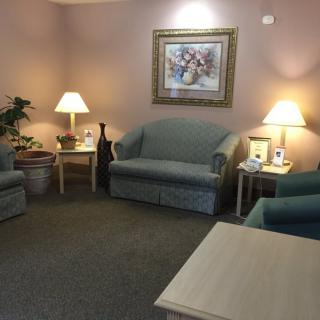
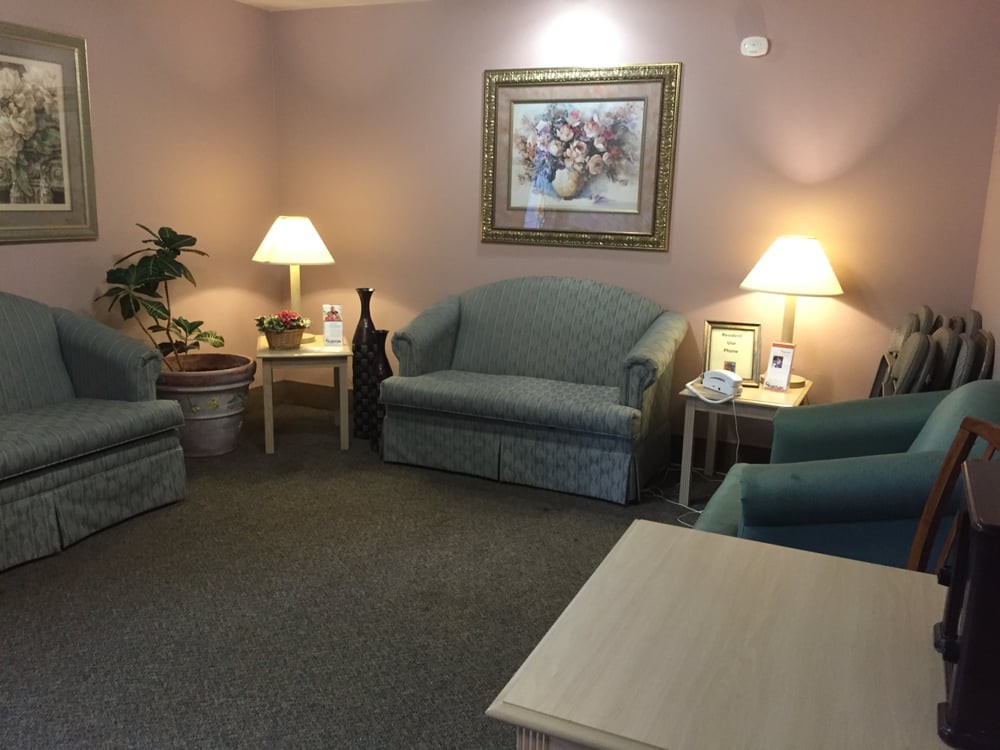
    A cozy waiting room with sofas, lamps, and a decorative painting on the wall.
  • Piano

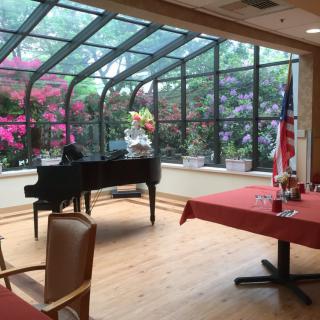
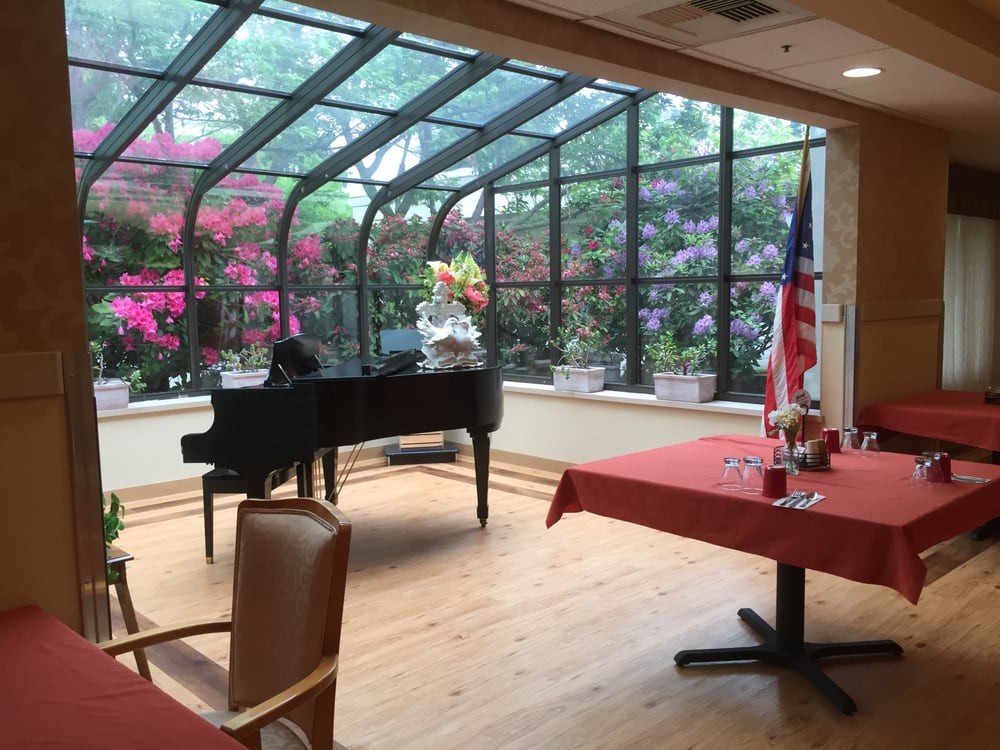
    A cozy room featuring a grand piano and a garden view through large windows.

Canterbury House in Auburn, WA

502 29Th Street Southeast, Auburn, WA 98002

For more information about senior living options: (844) 490-3973

3 from 77 reviews
5 stars
32
4 stars
2
3 stars
6
2 stars
6
1 stars
31

Skilled Nursing Facility

Overall Review of Canterbury House

Pros

  • pro The care is really nice and the food is great.
  • pro The OT and PT staff were excellent.
  • pro The non-care staff were excellent, with MaKenna and Sabrina especially responsive; Sabrina went beyond her duties and was a ball of energy.
  • pro The CNA, LPN, and RN staff are dedicated and provide quality care.
  • pro Nichole Gawellek lights up the C House and brings a smile to everyone.
  • pro The admission team is wonderful and makes residents feel welcome.
  • pro The kitchen staff is amazing, the food is excellent, and the meal service is friendly and caring.
  • pro Canterbury House is an amazing facility with a great staff who really cares about their patients.
  • pro It is a nice facility with a beautiful courtyard to visit.
  • pro The residents have become like family to one another, and the staff are highly professional.
  • pro The staff, including PT, OT, and Speech Therapy, are top notch.
  • pro The facility is described as having great leadership and being a top skilled nursing facility.
  • pro The staff take care of their residents, and Canterbury House is highly recommended.
  • pro The dining staff are praised for good food and attentive service.
  • pro The activities team were great.

Cons

  • pro The facility is horrible and they mistreat their residents.
  • pro Residents are left in soiled diapers for hours, leading to dehydration and hospital visits.
  • pro The place reeked of urine and patients were left unattended for hours.
  • pro Medications were often late or not given at all.
  • pro The administration and social workers are accused of covering for each other and not taking responsibility.
  • pro The food quality is terrible, with bland, poorly prepared meals and small portions.
  • pro The facility is severely understaffed and staff are overworked, with some workers sleeping on the job.
  • pro Belongings are lost or mishandled, and rooms are sometimes given to other patients without notice.

Review

Canterbury House in Auburn, WA is best suited for families seeking short-term rehabilitation and skilled nursing with an emphasis on therapy-driven recovery, provided there is organized advocacy from loved ones. This community can deliver solid PT/OT/Speech outcomes when therapy teams are allowed to lead and when admission staff are able to coordinate smoothly. It works best for residents who can be actively involved in their own care, push for timely medications, and rally family oversight to navigate dietary preferences, room size limits, and daily routines. Those who cannot participate in frequent care conferences or who expect uniform, consistently flawless bedside care should look elsewhere.

The strongest positives cluster around the therapy and frontline care when it's functioning at its best. OT and PT staff have been praised for responsiveness, skill, and encouragement, with several guests noting meaningful gains in mobility and independence. The non-clinical staff can be impressive too, with certain aides and social workers stepping up to meet urgent needs and keep communication open. Admissions teams are frequently described as helpful and welcoming, easing the transition into rehab. Food and dining have a mixed reputation, but in positive reports the meals are described as enjoyable and restaurant-like, with attentive service that makes residents feel cared for.

Yet those strengths face a long list of significant, sometimes jarring downsides that many reviews say offset the benefits. Chronic understaffing translates into long waits for pain meds and inconsistent attention to daily needs. Communication gaps are a recurring theme, sometimes exacerbated by language barriers or high turnover among aides who are the patient-facing link to care. Several accounts describe neglectful moments - untended hygiene, delays in repositioning patients, and missed call-bell cues - creating safety concerns that families cannot ignore. Accusations of medication errors, restricted access to belongings, and even, in one extreme case, a patient's decline after mistreatment, cast a shadow over the care environment that is hard to overlook.

Environment and facility conditions matter a great deal here and reviews reflect a stark spectrum. A number of families report rooms that feel cramped and poorly ventilated, with some residents coping in stifling heat and limited airflow. Odors and cleanliness fluctuate by shift and area, with some critics describing urine smells that undermine dignity and comfort. Destinations like a pleasant courtyard and a clean lobby are praised, but several reviews recount unrepaired bedsores, delayed room maintenance, and inconsistent housekeeping. The contrast between moments of warmth and episodes of neglect makes the facility feel unstable - an impression reinforced by reports of mismanagement of belongings and unclear or delayed administrative responses.

For decision-makers, Canterbury House presents a clear trade-off: genuine therapeutic potential and compassionate dedication in pockets, countered by systemic reliability and safety concerns that many families cannot tolerate. The pros can materially advance recovery and mood when care teams, especially therapy and some nursing staff, operate at peak performance. The cons threaten core expectations of reliability, safety, and respect - elements that determine whether a stay ends in true recovery or regretful setbacks. Prospective families should weigh whether there is capacity to supervise care closely, demand timely medications, and insist on transparent, proactive communication with both clinical and administrative leaders.

Bottom line: Canterbury House is worth a serious look for rehab-oriented stays if one can commit to vigilant oversight, clear care plans, and frequent family involvement. Tour with a critical eye: confirm current staffing ratios, ask for med delivery timelines, review call-bell response times, and tour multiple shifts to assess consistency. Probe the dining program and room readiness, and request to meet the therapy team and the director to gauge accountability structures. If the priority is steady, unambiguous safety and consistently warm bedside care, alternatives with stronger staffing stability and more uniform patient experiences are advisable.

Features

Housing

  • 100 resident community capacity 100 resident community capacity

Types of Care

  • Skilled Nursing Facility Skilled Nursing FacilitySkilled Nursing Facilities are crucial for seniors as they provide round-the-clock medical care, rehabilitation services, and assistance with daily activities. These facilities ensure that seniors receive the specialized care they need to maintain their health and well-being as they age.

Amenities

  • Air-conditioning Air-conditioningAir conditioning is important for seniors as they are more vulnerable to heat-related illnesses and may have underlying health conditions that make it difficult for them to regulate their body temperature. It helps to keep them comfortable, safe, and healthy in hot weather.
  • Beauty salon Beauty salonBeauty salons are important for seniors because they provide a space for them to feel pampered, socialize, and maintain their personal grooming and hygiene. Regular visits to a beauty salon can help boost seniors' self-esteem and overall well-being.
  • Cable or satellite TV Cable or satellite TVCable or satellite TV is important for seniors because it provides entertainment, news, and companionship, helping to combat loneliness and boredom. It also offers a wide range of programming options tailored to different interests and preferences.
  • Computer center Computer centerA computer center is essential for seniors as it provides access to technology, communication tools, and resources that can enhance their daily lives. It allows them to stay connected with loved ones, engage in online activities, and learn new skills, ultimately promoting socialization and mental stimulation.
  • Dining room Dining roomDining rooms are important for seniors as they provide a space for socialization, connection, and nutritious meals. They offer opportunities for residents to bond over shared meals, foster a sense of community, and promote healthy eating habits. Dining rooms also ensure that seniors have access to well-balanced meals tailored to their dietary needs and preferences.
  • Fitness room Fitness roomHaving a fitness room in a senior living community is essential for seniors to stay active, maintain their physical health, and improve their overall well-being. Regular exercise can help prevent falls, reduce the risk of chronic diseases, and promote mental sharpness. It also provides social opportunities for residents to connect with others and enjoy a sense of community.
  • Fully furnished Fully furnishedFully furnished senior living communities are important for seniors because they provide convenience, comfort, and a hassle-free moving experience. Seniors can easily settle into their new living space without the stress of having to buy and move furniture. This allows them to focus on enjoying their new home and community.
  • Gaming room Gaming roomGaming rooms are important for seniors as they provide a fun and engaging environment for socializing, cognitive stimulation, and physical activity. Games can improve memory, problem-solving skills, and overall mental well-being while fostering friendships and reducing feelings of isolation.
  • Garden GardenGardens are important for seniors as they provide a peaceful and therapeutic environment for relaxation, physical activity, and socialization. Being in nature has been shown to reduce stress, improve mood, and promote overall well-being. Gardens also offer opportunities for seniors to engage in gardening activities, which can improve mobility, flexibility, and cognitive function. Additionally, gardens create a sense of community and connection with others who share a passion for plants and outdoor spaces.
  • Housekeeping services Housekeeping servicesHousekeeping services are important for seniors because they help maintain a clean and safe living environment, promote independence, and reduce the risk of accidents or illnesses. Additionally, having assistance with household chores can alleviate physical strain and allow seniors to focus on other aspects of their well-being.
  • Kitchenette KitchenetteKitchenettes are important for seniors living in senior living communities because they provide the convenience and independence of being able to prepare simple meals and snacks in the comfort of their own living space. This can help promote a sense of autonomy and well-being for seniors, allowing them to maintain some level of control over their dietary choices and daily routines.
  • Move-in coordination Move-in coordinationMove-in coordination is important for seniors because it helps ease the transition into their new living environment. It ensures that all logistics, such as packing, organizing movers, and setting up utilities are taken care of, allowing seniors to focus on settling in and adjusting to their new home. Having a smooth move-in process can alleviate stress and anxiety, making the transition smoother and more enjoyable for seniors.
  • Outdoor space Outdoor spaceOutdoor spaces are important for seniors as they provide opportunities for physical activity, social interaction, exposure to natural light and fresh air, and a sense of connection to nature. Having access to outdoor spaces can improve overall well-being and quality of life for older adults living in senior communities.
  • Private bathrooms Private bathroomsPrivate bathrooms are important for seniors in senior living communities because they provide independence, dignity, and comfort. Having a private bathroom allows seniors to maintain their personal hygiene routines without the need for assistance, promoting a sense of autonomy and privacy. Additionally, private bathrooms help prevent the spread of infections and provide a safe and clean environment for seniors to navigate safely.
  • Restaurant-style dining Restaurant-style diningRestaurant-style dining is important for seniors because it allows them to enjoy delicious, nutritious meals in a social and upscale setting. This enhances their dining experience, promotes healthy eating habits, and fosters socialization with fellow residents, ultimately contributing to their overall well-being and quality of life.
  • Small library Small librarySmall libraries are important for seniors as they provide access to a variety of reading materials, including books, newspapers, and magazines. This can help stimulate their minds, keep them engaged, and provide a sense of community through book clubs and other social activities. Additionally, reading has been shown to improve cognitive function and overall mental well-being in older adults.
  • Telephone TelephoneTelephones are important for seniors as they provide a lifeline for communication with loved ones, emergency services, and healthcare providers. They offer a sense of security and independence, enabling seniors to stay connected and access assistance when needed.
  • Wellness center Wellness centerWellness centers are important for seniors because they offer a variety of programs and services that promote physical, mental, and emotional well-being. These centers provide opportunities for exercise, socialization, education, and relaxation, helping seniors maintain their overall health and quality of life.
  • Wi-Fi/high-speed internet available Wi-Fi/high-speed internet availableWi-Fi/high-speed internet is important for seniors to stay connected with loved ones, access online resources, and participate in virtual activities to combat feelings of loneliness and isolation. It also allows them to easily manage healthcare needs, access entertainment, and engage in lifelong learning opportunities.

Transportation

  • Seattle-Tacoma International (12 miles away) Seattle-Tacoma International (12 miles away)
  • Community operated transportation Community operated transportationCommunity operated transportation is crucial for seniors as it provides them with the means to access essential services, social activities, and medical appointments. It allows seniors to maintain their independence and quality of life by ensuring they can participate in activities outside of their homes. Additionally, community-operated transportation services offer a safe and reliable way for seniors to travel without having to rely on family or friends for assistance.
  • Transportation arrangement Transportation arrangementTransportation arrangements are crucial for seniors as they may face challenges with driving, mobility, or access to public transportation. Having reliable transportation services ensures that seniors can easily attend appointments, social activities, and maintain their independence and quality of life.
  • Transportation arrangement (non-medical) Transportation arrangement (non-medical)Transportation arrangements are essential for seniors as they provide access to essential services, activities, and social interactions outside the home. This service helps maintain independence, mobility, and overall well-being for seniors who may have limited transportation options.
  • Transportation to doctors appointments Transportation to doctors appointmentsTransportation to doctors appointments is crucial for seniors as it ensures they have access to necessary medical care and support, promoting their health and well-being. It allows them to receive timely treatment, monitor existing conditions, and address any new health concerns efficiently. Additionally, transportation services can help seniors maintain their independence and quality of life by enabling them to stay connected with their healthcare providers.

Care Services

  • 12-16 hour nursing 12-16 hour nursing12-16 hour nursing care is crucial for seniors in order to ensure around-the-clock monitoring, timely medication administration, and prompt response to any health concerns or emergencies. This level of care helps to promote the overall well-being and safety of seniors living in senior living communities.
  • 24-hour call system 24-hour call system24-hour call systems are important for seniors because they provide peace of mind and immediate assistance in case of emergencies. This technology ensures that help is always available, promoting safety and security for elderly individuals living alone or in assisted living facilities.
  • 24-hour supervision 24-hour supervision24-hour supervision is important for seniors to ensure their safety, well-being, and access to immediate assistance in case of emergencies or health issues. This constant support provides peace of mind for both seniors and their loved ones, allowing them to age in place with dignity and security.
  • Activities of daily living assistance Activities of daily living assistanceActivities of daily living assistance are important for seniors because they provide essential support with tasks such as eating, bathing, dressing, and mobility. This assistance helps seniors maintain their independence, dignity, and overall quality of life as they age.
  • Assistance with bathing Assistance with bathingAssistance with bathing is crucial for seniors as it helps maintain personal hygiene, prevents infections, and ensures their overall well-being and comfort. It also provides a sense of dignity and independence for seniors who may struggle with this task on their own.
  • Assistance with dressing Assistance with dressingAssistance with dressing is important for seniors because it helps maintain their independence, promotes personal hygiene, prevents accidents and injuries, and improves overall quality of life. This service ensures that seniors can continue to dress comfortably and confidently, despite any physical limitations they may have.
  • Assistance with transfers Assistance with transfersAssistance with transfers is crucial for seniors as it helps prevent falls and injuries, maintains their independence, and ensures they can safely navigate their living environment. It also provides peace of mind for both seniors and their loved ones.
  • Diabetes diet Diabetes dietA diabetes diet is crucial for seniors as it helps manage blood sugar levels, reduce risks of complications, and improve overall health and well-being. By following a balanced and nutritious diet tailored to their specific needs, seniors can better control their diabetes and enhance their quality of life.
  • Meal preparation and service Meal preparation and serviceMeal preparation and service are crucial for seniors as they may have limited mobility or energy to cook nutritious meals. Having access to healthy and convenient food options can ensure they are getting the proper nutrition needed to maintain their overall health and well-being.
  • Medication management Medication managementMedication management is crucial for seniors to ensure they are taking the right medications at the correct dosages and times. This helps prevent adverse drug interactions, reduces the risk of medication errors, and promotes overall health and well-being. Proactive management also allows for adjustments as needed based on changing health conditions or new prescriptions.
  • Mental wellness program Mental wellness programMental wellness programs are essential for seniors as they promote cognitive stimulation, emotional support, and social engagement. These programs help prevent isolation, depression, and cognitive decline, ultimately enhancing the overall quality of life for older adults.
  • Special dietary restrictions Special dietary restrictionsSpecial dietary restrictions are important for seniors because age-related changes in metabolism and health conditions can make it difficult for their bodies to process certain foods. By following a diet tailored to their specific needs, seniors can maintain their overall health and well-being, manage chronic conditions, and reduce the risk of complications such as malnutrition or food interactions with medications.

Dining

  • Diabetes diet Diabetes dietA diabetes diet is crucial for seniors as it helps manage blood sugar levels, reduce risks of complications, and improve overall health and well-being. By following a balanced and nutritious diet tailored to their specific needs, seniors can better control their diabetes and enhance their quality of life.
  • Special dietary restrictions Special dietary restrictionsSpecial dietary restrictions are important for seniors because age-related changes in metabolism and health conditions can make it difficult for their bodies to process certain foods. By following a diet tailored to their specific needs, seniors can maintain their overall health and well-being, manage chronic conditions, and reduce the risk of complications such as malnutrition or food interactions with medications.

Activities

  • Community-sponsored activities Community-sponsored activitiesCommunity-sponsored activities are important for seniors as they provide opportunities for social interaction, mental stimulation, and physical activity. These activities can help improve overall well-being, combat loneliness and isolation, and promote a sense of belonging and purpose among older adults.
  • Concierge services Concierge servicesConcierge services are essential for seniors as they provide assistance with daily tasks and errands, enhance their quality of life by offering convenience and personalized care, and promote a sense of safety and security.
  • Fitness programs Fitness programsFitness programs are crucial for seniors as they help improve strength, flexibility, balance, and overall well-being. Staying active can reduce the risk of chronic diseases, improve mental health, and enhance quality of life in older adults.
  • Planned day trips Planned day tripsPlanned day trips are important for seniors because they offer opportunities for socialization, mental stimulation, and physical activity. They provide a change of scenery and help seniors stay engaged and connected to their community, promoting overall well-being and quality of life.
  • Resident-run activities Resident-run activitiesResident-run activities are important for seniors as they encourage social interaction, creativity, and a sense of autonomy. These activities empower seniors to stay engaged and active in their community while fostering meaningful connections with their peers.
  • Scheduled daily activities Scheduled daily activitiesScheduled daily activities are important for seniors because they provide structure, socialization, mental stimulation, and physical activity. Engaging in regular activities can improve overall well-being and quality of life for seniors living in a community setting.

Description

Canterbury House in Auburn, WA offers a wide range of amenities and care services for seniors looking to live in a supportive and comfortable environment.

Residents can enjoy the convenience of having a beauty salon on-site, as well as access to cable or satellite TV for their entertainment needs. The community also provides community-operated transportation, ensuring that residents can easily get to appointments and run errands.

For those who like to stay connected, Canterbury House offers a computer center with Wi-Fi/high-speed internet. The dining room provides restaurant-style dining, where residents can enjoy delicious meals prepared by the community's chef. Special dietary restrictions are accommodated.

To stay active and fit, residents have access to a fitness room and can participate in various fitness programs offered by the community. Planned day trips and resident-run activities provide plenty of opportunities for socialization and engagement.

The fully furnished apartments at Canterbury House feature private bathrooms and kitchenettes, providing residents with the privacy and independence they desire. Housekeeping services ensure that the living spaces remain clean and tidy.

The community also prioritizes the health and well-being of its residents by offering 24-hour call system and supervision. Assistance with daily activities such as bathing, dressing, and transfers is provided. Medication management is available to ensure that residents take their medications correctly.

Canterbury House is conveniently located near several cafes, parks, pharmacies, physicians' offices, restaurants, transportation options, places of worship, theaters, and hospitals. This allows residents to easily access amenities outside of the community whenever they wish.

Overall Canterbury House provides a warm and welcoming environment where seniors can receive assistance with their daily needs while enjoying an active lifestyle.

Nearby Places of Interest

Places of Worship

  • Church Of The Nazarene Auburn (0.4 miles)
  • Holy Spirit Parish (6.8 miles)
  • St Theresa's Church (7.8 miles)

Pharmacies

  • Walgreens (0.9 miles)
  • Rite Aid (0.9 miles)
  • Walgreens (2.6 miles)
  • Walgreens (2.7 miles)
  • Haggen Pharmacy (2.7 miles)
  • Rite Aid (4.9 miles)
  • Mary Jeans Greens (5 miles)

Cafes

  • Starbucks (1 miles)
  • Auburn Way Big Foot Java (1.5 miles)
  • South Auburn Bigfoot Java (1.8 miles)
  • Starbucks (4.5 miles)
  • Starbucks (5.4 miles)
  • Rivers Edge Cafe (5.5 miles)
  • Dutch Bros Coffee (6.9 miles)

Transportation

  • U-Haul Moving & Storage (1.2 miles)
  • Sumner Station (5.7 miles)

Restaurants

  • McDonald's (1.3 miles)
  • Muckleshoot Casino (1.4 miles)
  • 8 - Asian Cuisine (1.4 miles)
  • McDonald's (1.6 miles)
  • The Rock Wood Fired Pizza (2.6 miles)
  • MOD Pizza (2.7 miles)
  • McDonald's (2.7 miles)

Theaters

  • Regal Auburn (1.5 miles)
  • AMC Kent Station 14 (7.1 miles)

Parks

  • Lakeland Hills Park (1.8 miles)
  • Sunset Park (2.6 miles)
  • Lea Hill Park (3.2 miles)
  • Lake Tapps Park (3.8 miles)
  • Steel Lake Park (4.6 miles)
  • Green View Park (5.2 miles)
  • Springwood Park (5.6 miles)

Physicians

  • UW Medicine - Valley Women’s Health (1.8 miles)
  • Molen Oral & Facial Surgery (2.5 miles)
  • Muckleshoot Health & Wellness (4.4 miles)
  • Federal Way Dental (4.7 miles)
  • Pediatrics NW (4.9 miles)
  • Digestive Health Specialists (5.2 miles)
  • Wyman Carl MD (5.3 miles)

Hospitals

  • Federal Way Community Dialysis (4.7 miles)
  • St Francis Hospital (4.7 miles)
  • St Francis Sleep Disorders Clinic (5 miles)
  • St. Francis Hospital (5 miles)
  • Multicare Health System (7.5 miles)

Frequently Asked Questions

Where is Canterbury House?
What photos are available for Canterbury House in Auburn, Washington?

Nearby Communities

  • Chartley House South- Psyche House

    Chartley House South- Psyche House

    Auburn, WA


    pro Specialized diabetic care in a peaceful setting.


  • Chartley House

    Chartley House

    Auburn, WA


    pro Comprehensive assisted living with 24/7 supervision and engaging activities.

  • Auburn AFH

    Auburn AFH

    Auburn, WA

     
    $3,500 to $4,500 / month

    pro Affordable memory care with private/semi-private rooms and comprehensive on-site services.

  • Hope AFH

    Hope AFH

    Auburn, WA

     
    $5,000 / month

    pro Specialized memory care with personalized care and engaging activities.

  • Green Sapphire

    Green Sapphire

    Auburn, WA

     
    $2,500 to $3,500 / month

    pro Competitive memory care pricing below King County averages

  • Advanced Post Acute

    Advanced Post Acute

    Auburn, WA

    3.2 from 53 reviews
     

    pro Friendly staff and a pleasant atmosphere with a comfortable double room and natural light.

  • GenCare Lifestyle

    GenCare Lifestyle

    Federal Way, WA

    4.5 from 83 reviews
    $3,200 to $4,700 / month

    pro Friendly, attentive staff; engaging activities; clean, inviting atmosphere.

  • Edgewood Country Retreat

    Edgewood Country Retreat

    Edgewood, WA

    5 from 7 reviews
    $5,000 / month

    pro Exceptional, compassionate care that creates a warm, family-like community.

  • Garden Terrace Healthcare Center Of Federal Way

    Garden Terrace Healthcare Center Of Federal Way

    Federal Way, WA

    4.6 from 105 reviews
     

    pro Caring, attentive staff in a clean, well-maintained facility with engaging memory-care activities.

Related Resources

  • memory games for seniors9 Stimulating Memory Activities for Seniors: Puzzles, Cards, and Much More

    The article highlights nine memory-boosting activities for seniors that enhance cognitive health and social interaction, including puzzles, trivia quizzes, and storytelling, while emphasizing the importance of adapting these activities to individual preferences to maximize enjoyment and engagement. Consistent mental engagement is linked to improved cognitive function and emotional well-being in older adults.

  • what happens when medicare stops paying for nursing home careManaging Nursing Home Expenses After Medicare Coverage Ends

    Medicare provides limited coverage for skilled nursing home care, covering full benefits for the first 20 days and partial benefits up to 100 days under certain conditions, after which families must explore alternative funding options like Medicaid or long-term care insurance to manage potentially high costs. Proactive planning is essential to navigate the complexities of financing ongoing care once Medicare coverage ends.

  • geriatric care managerIs a Geriatric Care Manager the Right Choice for Your Family?
    Geriatric care managers create personalized care plans for older adults, addressing their medical, social, financial, and psychological needs while coordinating services and advocating for their well-being. They help families navigate caregiving challenges but may be hindered by high costs and a shortage of qualified professionals.