The Crossings at Flower Mound Costs & Pricing
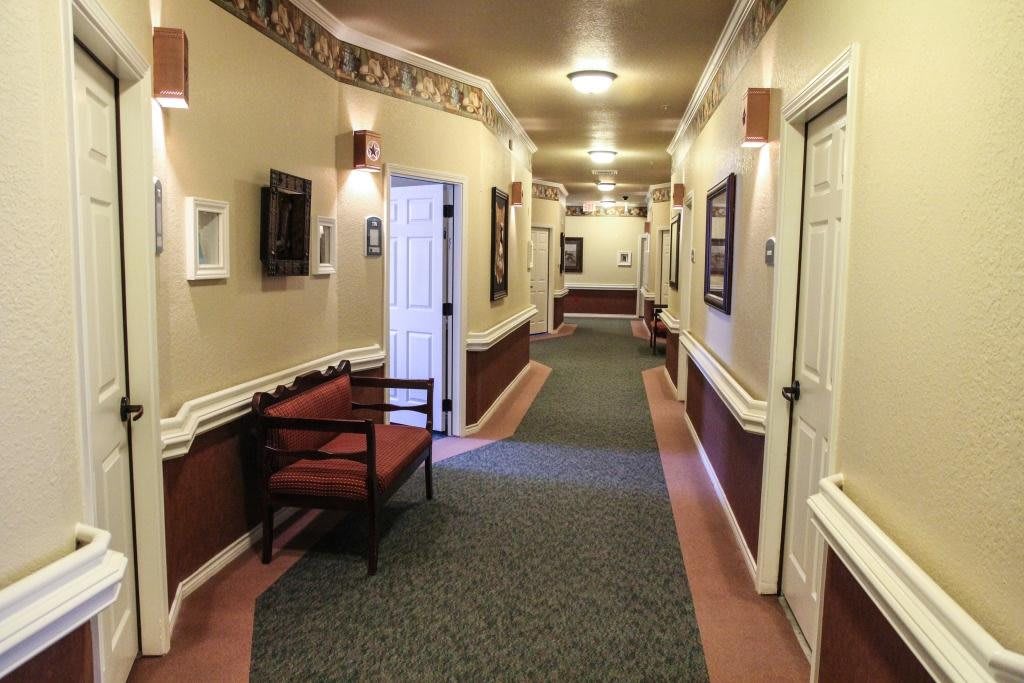
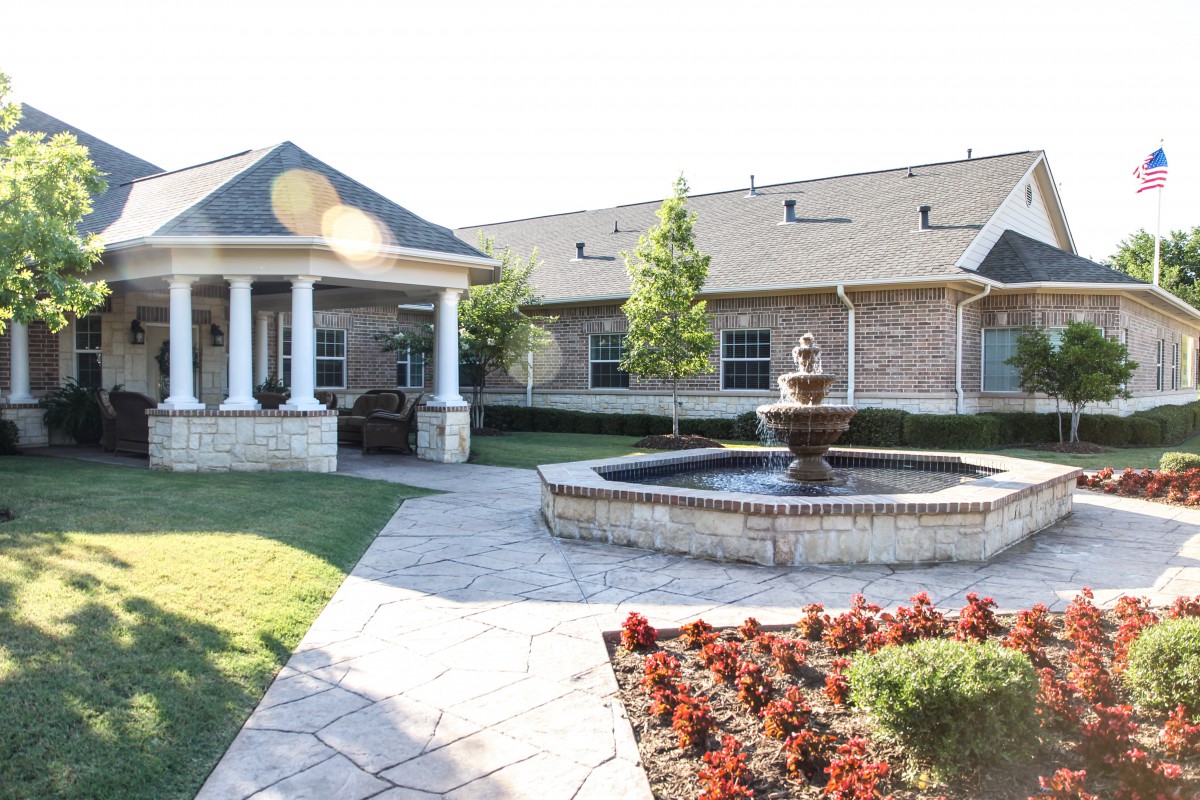
The Crossings at Flower Mound offers a range of pricing options that reflect the quality and services provided within the community. For residents seeking semi-private accommodations, the monthly cost is $4,620, which is significantly higher than both Tarrant County's average of $3,889 and the broader Texas state average of $3,680. Similarly, for those interested in studio apartments, The Crossings presents a monthly fee of $6,930 - considerably above Tarrant County's average of $3,659 and Texas's statewide figure of $3,758. These costs indicate that The Crossings at Flower Mound positions itself as a premium option in comparison to regional alternatives while likely offering enhanced amenities and care tailored to its residents' needs.
| Floor plans | The Crossings at Flower Mound | Tarrant County | Texas |
|---|
| Semi-Private | $4,620 | $3,889 | $3,680 |
| Studio | $6,930 | $3,659 | $3,758 |
Memory care communities with a similar price nearby
-
from -$620 / mo

A Caring Home with Friends
$4,000 to $4,250 / month
11.1 miles away
-
from +$255 / mo
Avalon Memory Care Royal Circle
$4,875 to $5,475 / month
19.9 miles away
-
from +$255 / mo
Avalon Memory Care - Crestmere Drive
$4,875 to $5,475 / month
17.4 miles away
-
from +$255 / mo
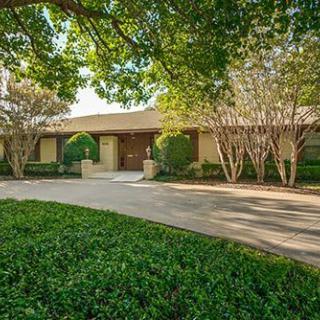
Avalon Memory Care - Allencrest Lane
$4,875 to $5,475 / month
16.6 miles away
-
from -$710 / mo
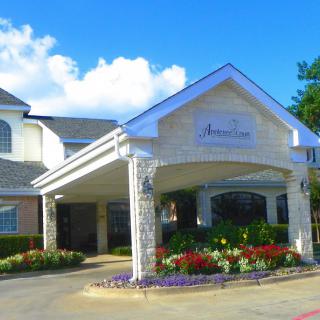
Appletree Court, A Vitality Living Community
$3,910 to $5,225 / month
19.6 miles away
Overall Review of The Crossings at Flower Mound
differentiator
6 reviews mention this
Memory care is a focal point
Residents describe staff who understand dementia and Alzheimer’s needs.
Several reviews specifically connect the community’s care approach to dementia and Alzheimer’s, including help as conditions progress. Families mention staff familiarity with memory-related changes and the support given to manage memory challenges. Reviewers also describe an environment designed to support independence and safety within a memory-care setting.
common
20 reviews mention this
Staff attention and communication
Residents and families consistently praise attentive, caring staff.
Across reviews, families describe staff as compassionate, responsive, and professional, with day-to-day kindness that feels personal rather than transactional. Multiple reviewers mention communication with families and support in understanding memory-related needs. Several also highlight leadership that builds relationships with residents, not just oversight.
common
10 reviews mention this
Clean, home-like setting
Reviews repeatedly mention cleanliness and a home-like feel.
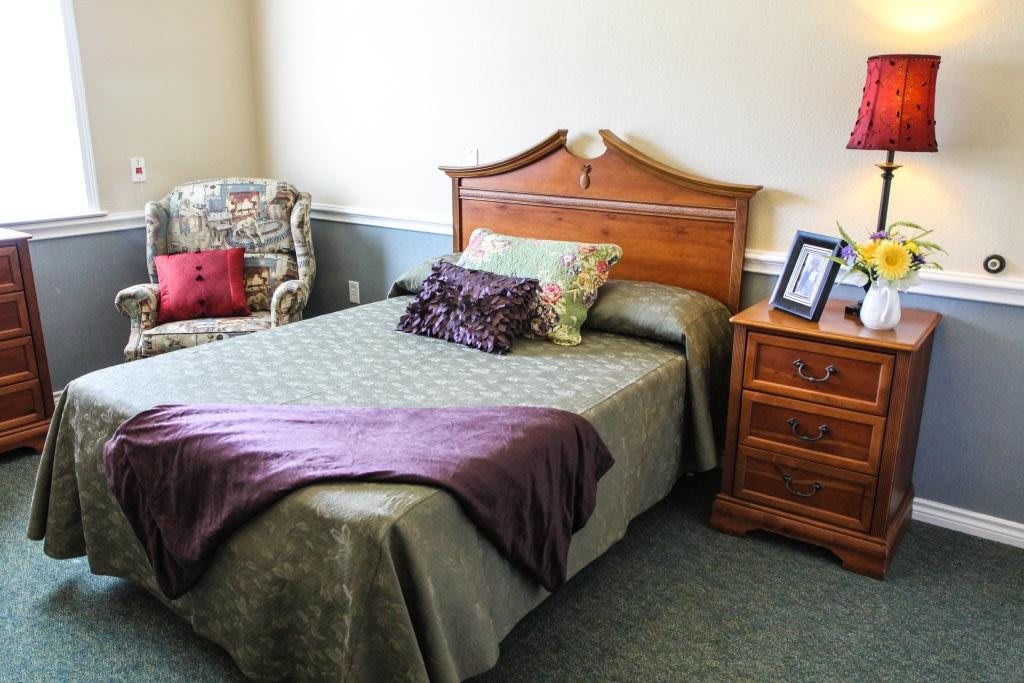
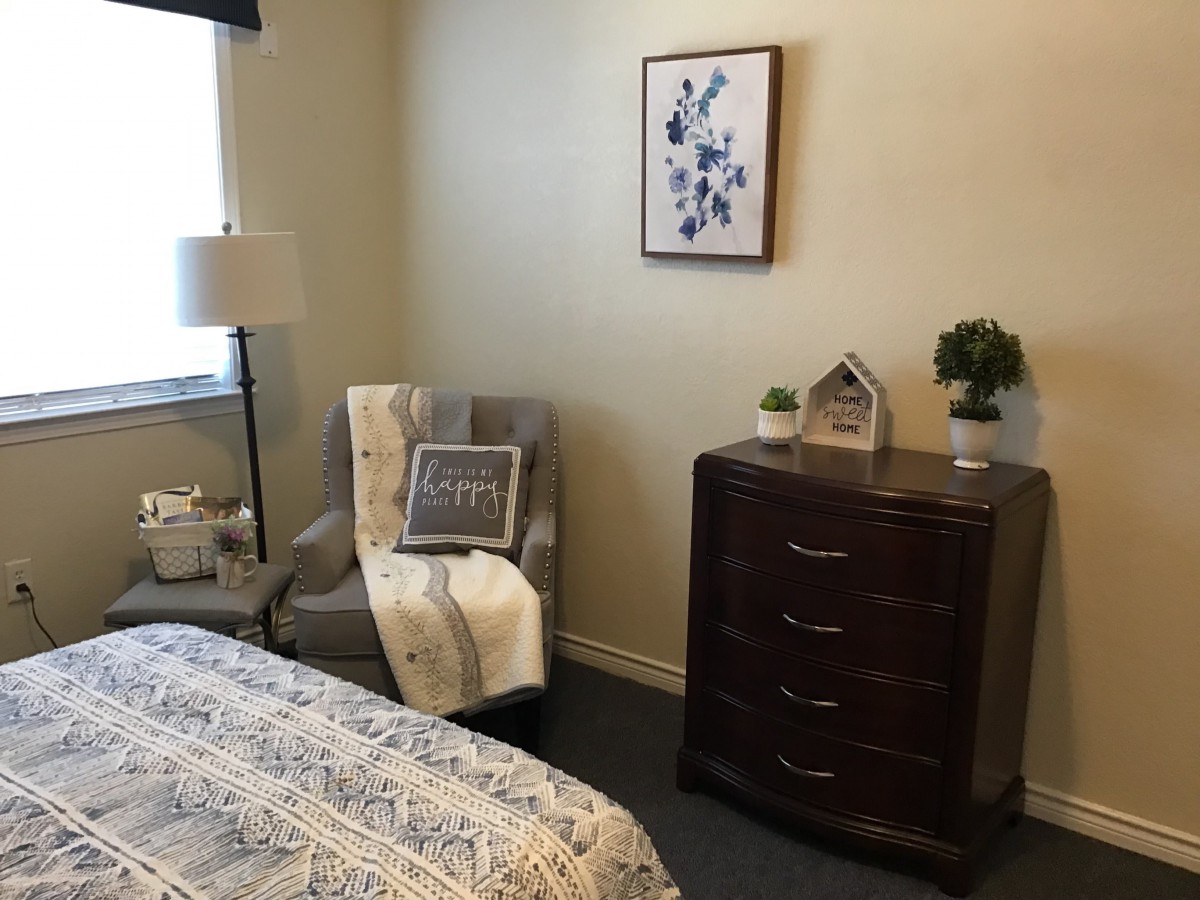
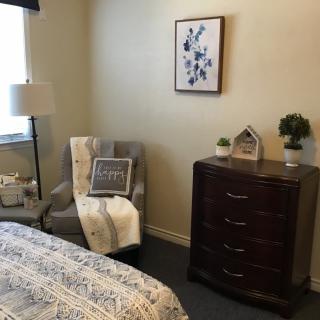
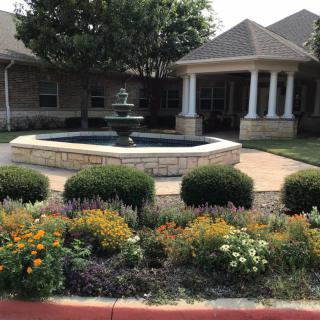
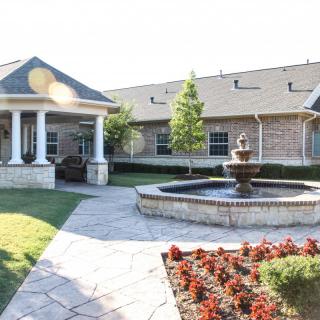
Residents and families frequently point to cleanliness, including bedrooms and the overall facility presentation. Reviewers also describe a comfortable, home-like atmosphere, with space to spend time on the patio and a sense of calm. One reviewer also notes there were no unpleasant odors, alongside the small, manageable feel of the community.
caveat
2 reviews mention this
Dining quality is mixed
Food experiences vary between residents and reviewers.
Some reviewers describe the meals positively, including mentioning an excellent cook and better food compared with another place they toured. Others report dissatisfaction, describing the food as pretty bad. Because these accounts diverge, dining quality may be something to evaluate during a visit.
caveat
2 reviews mention this
Pricing transparency raised concerns
A few reviews raise concerns about pricing accuracy.
One reviewer says the quoted price changed after paperwork, describing the actual cost as much higher than what was presented. Another mentions receiving a price range during the tour experience. With pricing like this being a recurring topic, it’s worth clarifying total costs and what’s included before moving forward.
caveat
2 reviews mention this
Concerns about missing items
Some reviews mention issues with missing or lost belongings.
A couple of reviews describe problems involving belongings that families felt were not handled properly. One mentions items going missing after a tenant’s passing and the distress this caused. Another mentions disappointment that items were lost in laundry. If belongings matter to your family, ask the community directly about tracking and processes during moves and laundering.
common
2 reviews mention this
Nearby pharmacy and dining
Daily errands are within a short drive or walk.
Nearby options include multiple pharmacies and everyday dining stops, which can make routine errands easier. The area also includes parks and medical facilities within the same broader area. Families who value proximity for outings may find these nearby options helpful when planning visits and schedules.
How we summarize
Counts show how many written reviews mention each theme; a review can touch several themes, and only frequently mentioned themes are displayed.

 Studio apartments
 Memory Care
 Activities off-site
 Air-conditioning
 Bath tubs
 Beautician on-site
 Cable or satellite TV
 Devotional services on-site
 Ground floor units
 Handicap accessible
 Indoor common areas
 Outdoor common areas
 Private bathrooms
 Respite or short term stays offered
 Wheelchair accessible showers
 Wi-Fi/high-speed internet available
 Dallas-Fort Worth International (10 miles away)
 Ambulatory care
 Diabetic care
 Incontinence care
 Medication management
 Anytime dining
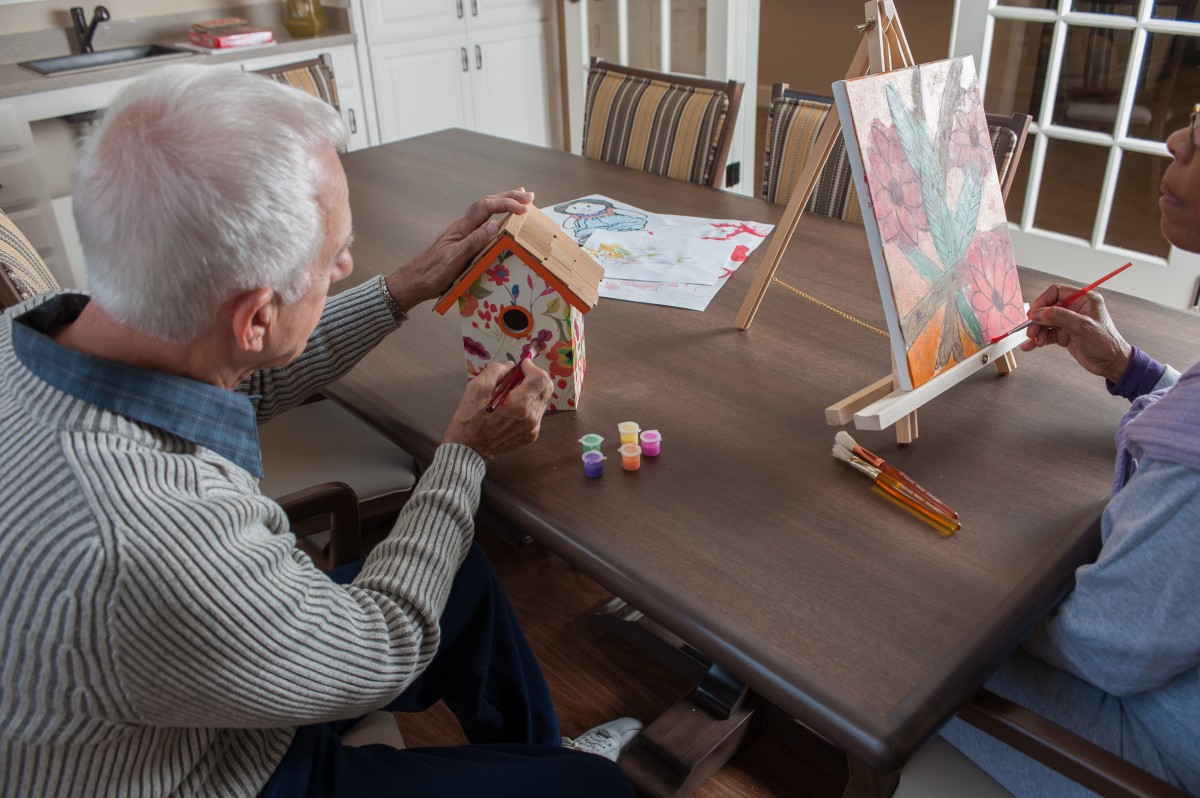
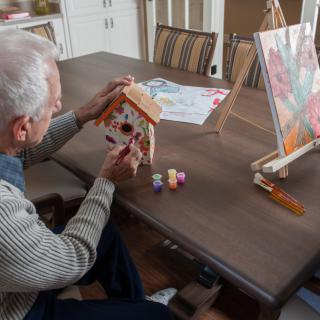
 Art classes
 Catholic services
 Cooking classes
 Educational speakers / life long learning
 Live dance or theater performances
 Live musical performances
 Live well programs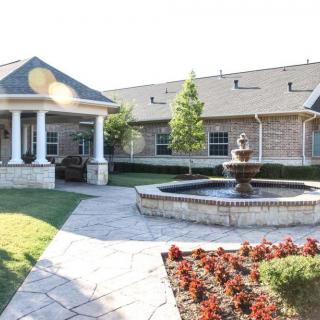
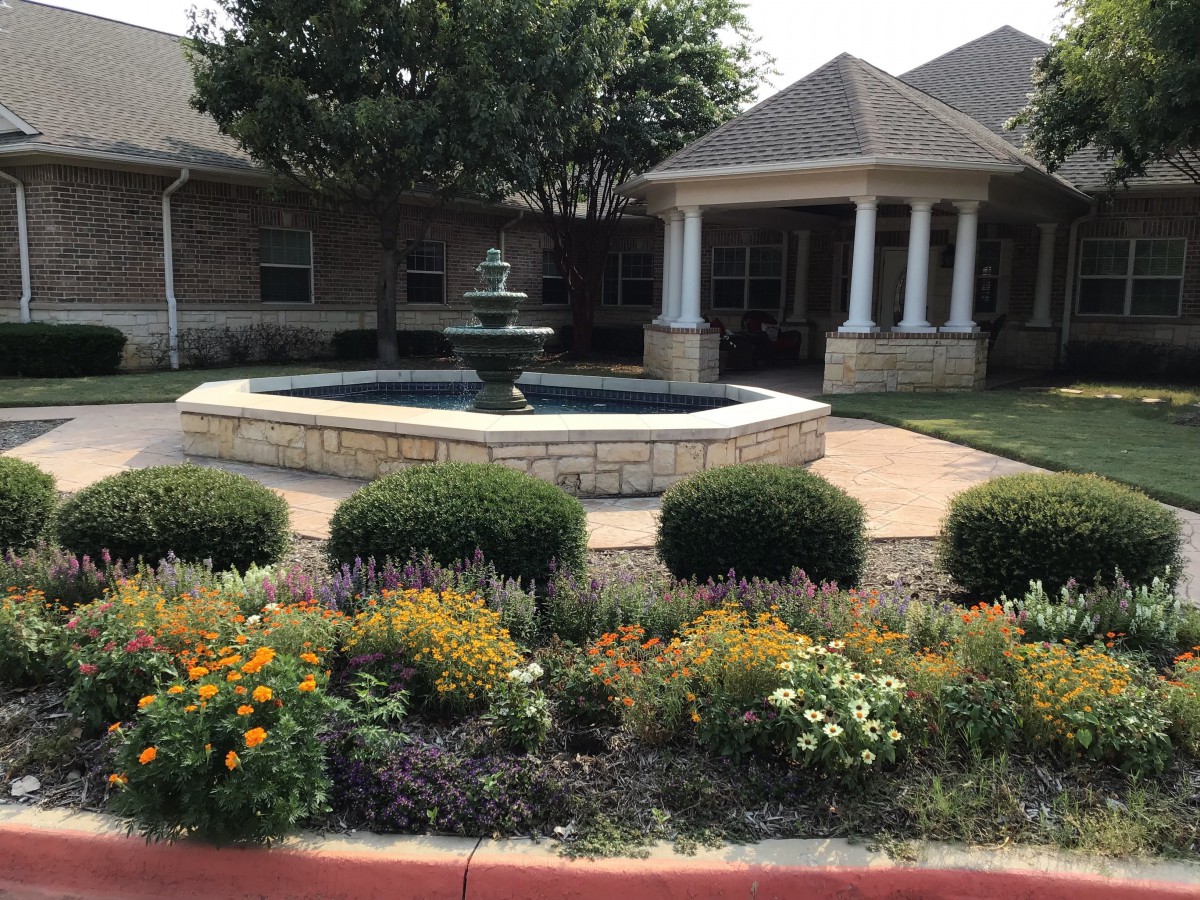
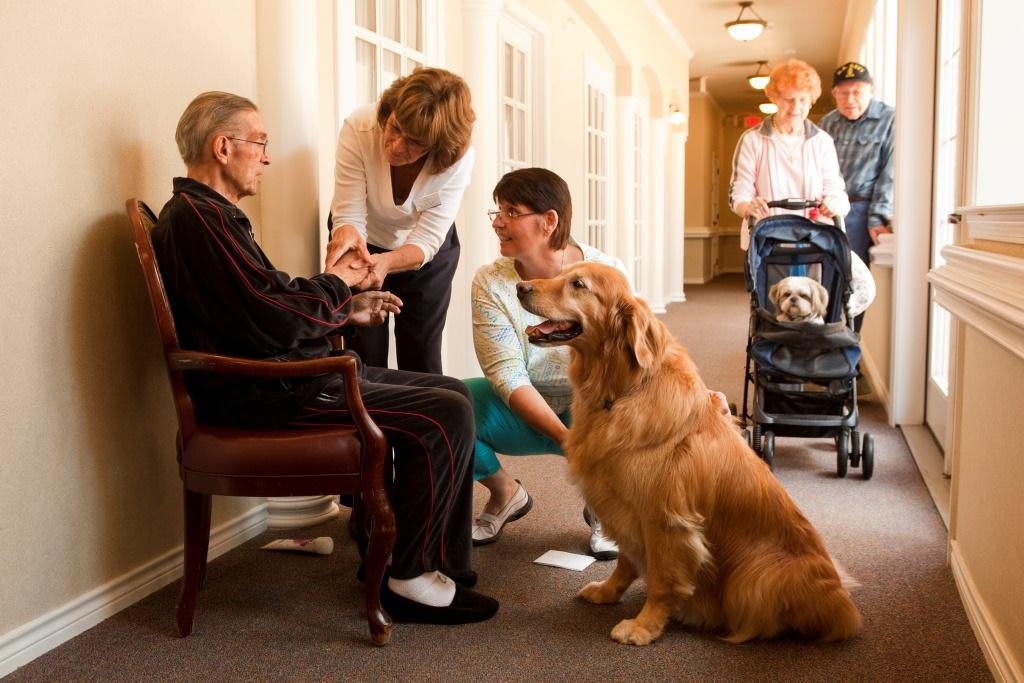
 Comprehensive respite/assisted living with 24/7 care and on-site amenities.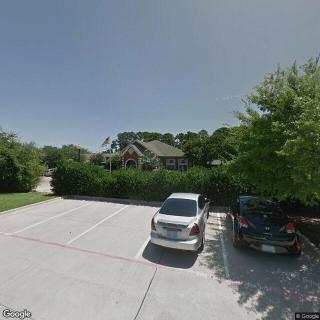

 Why Do Dementia Patients Sleep So Much? Understanding Oversleeping, Stages, and Care Approaches
 8 Key Indicators That Suggest It May Be Time to Transition from Assisted Living to Skilled Nursing Care
 Nourishing the Mind: Essential Dietary Approaches for Dementia