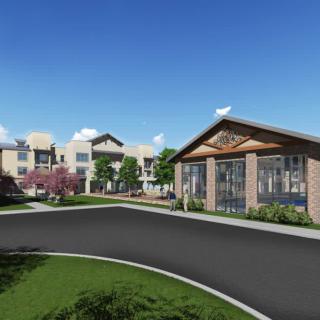
Autumn Leaves Of Flower Mound

Save
Autumn Leaves Of Flower Mound

Autumn Leaves Of Flower Mound

3201 Karnes Road, Flower Mound, TX 75022

For more information about senior living options: (844) 490-3973

4.4 from 29 reviews
5 stars
24
4 stars
0
3 stars
1
2 stars
1
1 stars
3

Assisted Living Respite Care

What level of care are you interested in?

Assisted Living

Memory Care

Independent Living

Skilled Nursing Facility

Continuing Care Retirement Community (CCRC)CCRC

Other


Request a tour at Autumn Leaves Of Flower Mound

    Overall Review of Autumn Leaves Of Flower Mound

    Pros

    • pro The staff are compassionate, professional, and consistently go the extra mile to make residents feel comfortable and valued.
    • pro Pamela Ervin is described as going above and beyond, guiding families and supporting them through dementia-related changes.
    • pro The leadership builds meaningful relationships with residents, creating a place where seniors feel seen, heard, and at home.
    • pro The community offers a home-like atmosphere with safety, cleanliness, and personal attention.
    • pro The environment is clean, welcoming, and feels like a true community, with residents who are happy and engaged.
    • pro The chefs, including Mike, provide high-quality, scratch-made meals tailored to residents' needs.
    • pro The staff are attentive to residents' wants and needs and are open to suggestions for improvements.
    • pro The Crossings is viewed as a life saver for families seeking quality memory-care and a great experience for both residents and their families.

    Cons

    • pro Visitation times were allegedly lied about, leaving residents potentially unattended for hours and risking falls.
    • pro After a resident's death, multiple keepsakes disappeared, causing emotional distress to the family.
    • pro One reviewer stated they could not praise or recommend the facility for their family's needs.
    • pro Relatively high staff turnover and areas for improvement were noted by a reviewer.
    • pro A reviewer recalled that their relative had unpleasant memories of the place.
    • pro Pricing was misrepresented, with the actual move-in cost tripling the quoted amount, described as unprofessional.

    Review

    Across a collection of heartfelt reflections, families describe Flower Mound memory-care communities as havens of safety, gentleness, and genuine connection. The tone is consistently warm toward Pam, the Executive Director, and toward Magnolia in Flower Mound, with many notes beginning from the hope that their loved ones would have felt empowered to choose such a place themselves. The core priorities cited time and again are safety, security, cleanliness, and the kind of personal attention that helps a parent or spouse navigate the ever-changing path of dementia. One reviewer even frames the sentiment in a personal "what-if" question: if their mom had full memory functionality, she would have loved choosing this place for herself. The gratitude expressed across these stories centers on the care team's willingness to meet each resident where they are, today and as their journey evolves.

    Several reviewers depict a home-like atmosphere that distinguishes these communities from more clinical settings. They praise a facility that feels properly sized - not too big, not too small - and free of unpleasant odors, where meals are prepared by chefs who work hard to meet individual preferences and needs. A distinctive architectural feature - a looping corridor around an inner courtyard - provides a sense of independence within a safety net, enabling residents to move about with confidence. Across these observations, the caregivers' smiles and the day-to-day warmth of staff stand out. Families note that residents seem engaged, happy, and cared for, with noticeable improvements in well-being even after months of adjustment.

    The leadership and caregiving culture emerge as a through-line in many reviews. It is described as a community guided by leaders who truly listen, understand, and advocate for residents. The impression is that the leadership's heartfelt commitment creates a place where seniors feel seen, heard, and at home. Several reviewers emphasize that the leadership extends beyond mere management; they build meaningful relationships with residents and families, and their everyday acts of kindness, respect, and personalized care leave a lasting impression. The sense of community is reinforced by personal connections: staff, residents, and families all seem to recognize one another, contributing to a welcoming and supportive environment.

    Tours and first impressions often reinforce the positive themes. In several narratives, prospective families recount touring with Pam and finding questions answered with patience and genuine interest in the family's specific needs. It's noted that residents themselves know Pam and appear to have real relationships with her, which signals a culture of authentic, ongoing engagement. Even as families continue their research, they come away feeling drawn to revisit or pursue care in the community, trusting that what they observed aligns with their loved ones' needs.

    Quality of care and responsiveness are highlighted as standout strengths. Families comment on attentive service, a willingness to listen to residents' and families' preferences, and ongoing improvements to the facility. The culinary program earns particular praise, with a dedicated cook described as providing excellent, scratch-made meals rather than merely catering. Residents are described as benefiting from a broader program of activities - from aromatherapy to spiritual offerings - designed to support mind, body, and spirit. The environment is consistently portrayed as clean, welcoming, and capable of fostering a real sense of community and belonging.

    Several narratives focus on personal experiences of transition and ongoing care. One family moved their mother to The Crossings, noting how quickly she began thriving in a environment their disease required. They describe better eating, greater alertness, clearer communication, and a stronger sense that the staff truly cared about her wellbeing. The patio becomes a favorite gathering place, and the family appreciates the staff's willingness to help them understand fluctuating memory challenges. In another account, a parent who had resided there for years is described as thriving under the care of a compassionate staff, reinforcing the sense that high-quality memory care can yield meaningful improvements in daily life and mood.

    Different voices also share more personal and endearing memories of the human connections that define these communities. One reviewer, who had been the primary caregiver for a spouse, recalls the caregiver's deep partnership with the staff - the sense that the community could be a true home away from home. They describe care staff who offered warmth, affection, and a level of attentiveness that calmed fears and strengthened trust. Yet, amid the many glowing testimonies, there are clear reminders that experiences can vary, and not every story is uniformly positive. A reviewer who previously lived with concerns about the facility highlights issues they perceived around frequent turnover, lingering dissatisfaction with certain staff interactions, and food quality that did not meet expectations. They acknowledge that some aspects may have improved over time, while others left a lasting impression of disappointment.

    The collection of reviews also includes a stark cautionary note from a different provider in the same Flower Mound area. This reviewer raises serious concerns about visitation practices and about safety lapses, describing a scenario where visitation times were allegedly misrepresented and suggesting that residents could be left unattended for long periods. They further report the loss of valuable keepsakes after a resident's death, a grief-inflicting detail that has left their family deeply distressed. These allegations are presented as significant, troubling experiences that contrast with the otherwise positive narratives about care teams' compassion and attentiveness. Taken together, they remind readers that even within a region known for strong senior-care options, the quality of experiences can vary and family vigilance remains important.

    In another vein, a final review recounts a troubling experience with a different facility - Autumn Leaves in Flower Mound - centered on an expensive and distressing pricing discrepancy. After initiating arrangements to move a loved one, the family encountered a quotation that turned out to be incorrect, with actual costs reportedly tripling what had been promised. The emotional toll of such a misstep was described as devastating and adding unnecessary trauma to an already stressful time. The reviewer ultimately chose to seek care at another community that they considered more reputable, underscoring how crucial transparent, accurate communication is in these life-altering decisions for families.

    Taken together, these impressions paint a nuanced portrait of senior memory-care experiences in Flower Mound. The strongest themes celebrate compassionate leadership, authentic relationships, and a home-like, person-centered approach that helps residents live with dignity and joy. There are equally clear reminders of the work still needed in some settings: ensuring transparent communication, safeguarding residents' belongings and loved ones' trust, and maintaining low turnover and consistent staff who form enduring, positive relationships with residents. For families navigating memory care, the message is that the right fit depends on a living, breathing culture as much as on amenities, and that ongoing conversations with staff, tours, and firsthand experiences remain essential as needs evolve.

    Features

    Housing

    • 50 resident community capacity 50 resident community capacity

    Types of Care

    • Assisted Living Assisted LivingAssisted living facilities provide crucial support and care for seniors who may need help with daily tasks such as medication management, bathing, and meal preparation. These communities offer a safe and comfortable environment where seniors can maintain their independence while receiving the assistance they need to thrive in their golden years.
    • Respite Care Respite CareRespite care provides temporary relief for caregivers, allowing them to recharge and attend to their own needs. It also gives seniors the opportunity to socialize, receive professional care, and experience a change of scenery, promoting overall well-being and reducing feelings of isolation.

    Amenities

    • Beauty salon Beauty salonBeauty salons are important for seniors because they provide a space for them to feel pampered, socialize, and maintain their personal grooming and hygiene. Regular visits to a beauty salon can help boost seniors' self-esteem and overall well-being.
    • Cable or satellite TV Cable or satellite TVCable or satellite TV is important for seniors because it provides entertainment, news, and companionship, helping to combat loneliness and boredom. It also offers a wide range of programming options tailored to different interests and preferences.
    • Dining room Dining roomDining rooms are important for seniors as they provide a space for socialization, connection, and nutritious meals. They offer opportunities for residents to bond over shared meals, foster a sense of community, and promote healthy eating habits. Dining rooms also ensure that seniors have access to well-balanced meals tailored to their dietary needs and preferences.
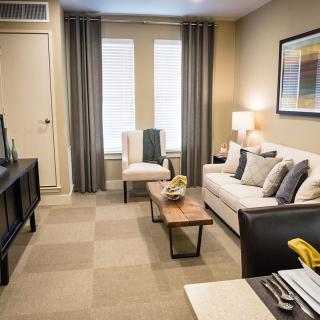
    • Fully furnished Fully furnishedFully furnished senior living communities are important for seniors because they provide convenience, comfort, and a hassle-free moving experience. Seniors can easily settle into their new living space without the stress of having to buy and move furniture. This allows them to focus on enjoying their new home and community.
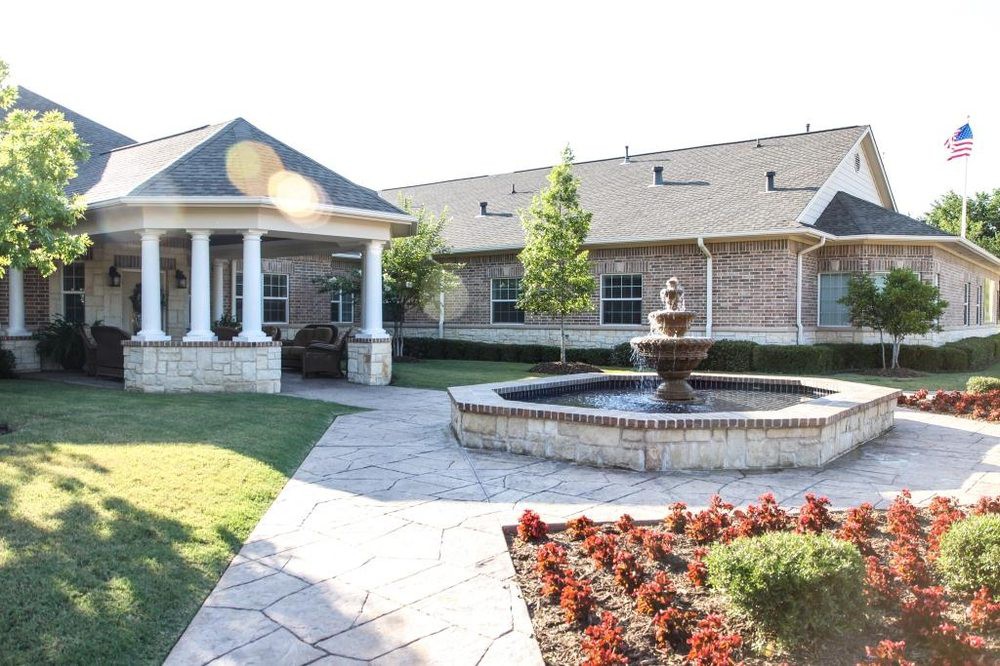
    • Garden GardenGardens are important for seniors as they provide a peaceful and therapeutic environment for relaxation, physical activity, and socialization. Being in nature has been shown to reduce stress, improve mood, and promote overall well-being. Gardens also offer opportunities for seniors to engage in gardening activities, which can improve mobility, flexibility, and cognitive function. Additionally, gardens create a sense of community and connection with others who share a passion for plants and outdoor spaces.
    • Housekeeping services Housekeeping servicesHousekeeping services are important for seniors because they help maintain a clean and safe living environment, promote independence, and reduce the risk of accidents or illnesses. Additionally, having assistance with household chores can alleviate physical strain and allow seniors to focus on other aspects of their well-being.
    • Kitchenette KitchenetteKitchenettes are important for seniors living in senior living communities because they provide the convenience and independence of being able to prepare simple meals and snacks in the comfort of their own living space. This can help promote a sense of autonomy and well-being for seniors, allowing them to maintain some level of control over their dietary choices and daily routines.
    • Move-in coordination Move-in coordinationMove-in coordination is important for seniors because it helps ease the transition into their new living environment. It ensures that all logistics, such as packing, organizing movers, and setting up utilities are taken care of, allowing seniors to focus on settling in and adjusting to their new home. Having a smooth move-in process can alleviate stress and anxiety, making the transition smoother and more enjoyable for seniors.
    • Outdoor space Outdoor spaceOutdoor spaces are important for seniors as they provide opportunities for physical activity, social interaction, exposure to natural light and fresh air, and a sense of connection to nature. Having access to outdoor spaces can improve overall well-being and quality of life for older adults living in senior communities.
    • Restaurant-style dining Restaurant-style diningRestaurant-style dining is important for seniors because it allows them to enjoy delicious, nutritious meals in a social and upscale setting. This enhances their dining experience, promotes healthy eating habits, and fosters socialization with fellow residents, ultimately contributing to their overall well-being and quality of life.
    • Small library Small librarySmall libraries are important for seniors as they provide access to a variety of reading materials, including books, newspapers, and magazines. This can help stimulate their minds, keep them engaged, and provide a sense of community through book clubs and other social activities. Additionally, reading has been shown to improve cognitive function and overall mental well-being in older adults.
    • Telephone TelephoneTelephones are important for seniors as they provide a lifeline for communication with loved ones, emergency services, and healthcare providers. They offer a sense of security and independence, enabling seniors to stay connected and access assistance when needed.
    • Wi-Fi/high-speed internet available Wi-Fi/high-speed internet availableWi-Fi/high-speed internet is important for seniors to stay connected with loved ones, access online resources, and participate in virtual activities to combat feelings of loneliness and isolation. It also allows them to easily manage healthcare needs, access entertainment, and engage in lifelong learning opportunities.

    Transportation

    • Dallas-Fort Worth International (10 miles away) Dallas-Fort Worth International (10 miles away)
    • Dallas Love (19 miles away) Dallas Love (19 miles away)

    Care Services

    • 24-hour call system 24-hour call system24-hour call systems are important for seniors because they provide peace of mind and immediate assistance in case of emergencies. This technology ensures that help is always available, promoting safety and security for elderly individuals living alone or in assisted living facilities.
    • 24-hour supervision 24-hour supervision24-hour supervision is important for seniors to ensure their safety, well-being, and access to immediate assistance in case of emergencies or health issues. This constant support provides peace of mind for both seniors and their loved ones, allowing them to age in place with dignity and security.
    • Activities of daily living assistance Activities of daily living assistanceActivities of daily living assistance are important for seniors because they provide essential support with tasks such as eating, bathing, dressing, and mobility. This assistance helps seniors maintain their independence, dignity, and overall quality of life as they age.
    • Assistance with bathing Assistance with bathingAssistance with bathing is crucial for seniors as it helps maintain personal hygiene, prevents infections, and ensures their overall well-being and comfort. It also provides a sense of dignity and independence for seniors who may struggle with this task on their own.
    • Assistance with dressing Assistance with dressingAssistance with dressing is important for seniors because it helps maintain their independence, promotes personal hygiene, prevents accidents and injuries, and improves overall quality of life. This service ensures that seniors can continue to dress comfortably and confidently, despite any physical limitations they may have.
    • Assistance with transfers Assistance with transfersAssistance with transfers is crucial for seniors as it helps prevent falls and injuries, maintains their independence, and ensures they can safely navigate their living environment. It also provides peace of mind for both seniors and their loved ones.
    • Diabetes diet Diabetes dietA diabetes diet is crucial for seniors as it helps manage blood sugar levels, reduce risks of complications, and improve overall health and well-being. By following a balanced and nutritious diet tailored to their specific needs, seniors can better control their diabetes and enhance their quality of life.
    • Meal preparation and service Meal preparation and serviceMeal preparation and service are crucial for seniors as they may have limited mobility or energy to cook nutritious meals. Having access to healthy and convenient food options can ensure they are getting the proper nutrition needed to maintain their overall health and well-being.
    • Medication management Medication managementMedication management is crucial for seniors to ensure they are taking the right medications at the correct dosages and times. This helps prevent adverse drug interactions, reduces the risk of medication errors, and promotes overall health and well-being. Proactive management also allows for adjustments as needed based on changing health conditions or new prescriptions.
    • Mental wellness program Mental wellness programMental wellness programs are essential for seniors as they promote cognitive stimulation, emotional support, and social engagement. These programs help prevent isolation, depression, and cognitive decline, ultimately enhancing the overall quality of life for older adults.
    • Special dietary restrictions Special dietary restrictionsSpecial dietary restrictions are important for seniors because age-related changes in metabolism and health conditions can make it difficult for their bodies to process certain foods. By following a diet tailored to their specific needs, seniors can maintain their overall health and well-being, manage chronic conditions, and reduce the risk of complications such as malnutrition or food interactions with medications.
    Dining

    • Diabetes diet Diabetes dietA diabetes diet is crucial for seniors as it helps manage blood sugar levels, reduce risks of complications, and improve overall health and well-being. By following a balanced and nutritious diet tailored to their specific needs, seniors can better control their diabetes and enhance their quality of life.
    • Special dietary restrictions Special dietary restrictionsSpecial dietary restrictions are important for seniors because age-related changes in metabolism and health conditions can make it difficult for their bodies to process certain foods. By following a diet tailored to their specific needs, seniors can maintain their overall health and well-being, manage chronic conditions, and reduce the risk of complications such as malnutrition or food interactions with medications.

    Activities

    • Community-sponsored activities Community-sponsored activitiesCommunity-sponsored activities are important for seniors as they provide opportunities for social interaction, mental stimulation, and physical activity. These activities can help improve overall well-being, combat loneliness and isolation, and promote a sense of belonging and purpose among older adults.
    • Resident-run activities Resident-run activitiesResident-run activities are important for seniors as they encourage social interaction, creativity, and a sense of autonomy. These activities empower seniors to stay engaged and active in their community while fostering meaningful connections with their peers.
    • Scheduled daily activities Scheduled daily activitiesScheduled daily activities are important for seniors because they provide structure, socialization, mental stimulation, and physical activity. Engaging in regular activities can improve overall well-being and quality of life for seniors living in a community setting.

    Description

    Autumn Leaves of Flower Mound in Flower Mound, TX is an assisted living community that offers respite care for seniors. This community provides a range of amenities to ensure the comfort and convenience of its residents. Residents can enjoy cable or satellite TV in their fully furnished apartments, as well as dine in the on-site dining room or restaurant-style dining area. Housekeeping services are available to keep the living spaces clean and tidy, and there is also a small library for residents to enjoy.

    The community features outdoor space including a garden, where residents can relax and enjoy the fresh air. Wi-Fi/high-speed internet is provided throughout the community, allowing residents to stay connected with their loved ones. Move-in coordination services are available to assist new residents with the transition into their new home.

    Autumn Leaves of Flower Mound provides comprehensive care services, including 24-hour supervision by trained staff members. Assistance with activities of daily living such as bathing, dressing, and transfers is offered, along with specialized care for individuals with diabetes. The staff also assists with medication management and provides a mental wellness program for residents' overall well-being.

    Dining at Autumn Leaves of Flower Mound caters to special dietary restrictions, ensuring that all residents receive meals that meet their specific needs. The community also offers various activities for residents to participate in, including resident-run activities and scheduled daily activities.

    The location of Autumn Leaves of Flower Mound is ideal, with two parks nearby for outdoor excursions and recreation. Additionally, there are several pharmacies, physicians' offices, restaurants, places of worship, theaters, and a hospital conveniently located in close proximity to the community.

    Overall, Autumn Leaves of Flower Mound provides a comfortable and supportive environment for seniors requiring respite care. With its range of amenities and comprehensive care services, this assisted living community aims to enhance the quality of life for its residents while promoting their physical and mental well-being.

    Nearby Places of Interest

    Pharmacies

    • Kroger Pharmacy (0.4 miles)
    • CVS Pharmacy (0.9 miles)
    • Walgreens (1 miles)
    • Walgreens (1.9 miles)
    • CVS Pharmacy (2.5 miles)
    • Walgreens (2.7 miles)
    • CVS Pharmacy (3.1 miles)

    Restaurants

    • Local Pint (0.4 miles)
    • Taco Bell (1.5 miles)
    • McDonald's (1.6 miles)
    • Chick-Fil-A (1.7 miles)
    • Anamia's (1.8 miles)
    • Fuzzy's Taco Shop (2 miles)
    • McDonald's (2.5 miles)

    Physicians

    • Pediatric and Family Physicians (1.2 miles)
    • Orthopedic Associates (1.3 miles)
    • Kids First Pediatrics (2.8 miles)
    • Bartonville Family Medical (4.1 miles)
    • Texas Digestive Disease Consultants: Southlake (7.2 miles)
    • All-Star Orthopaedics (7.4 miles)
    • Lighthouse Family Medicine (9.7 miles)

    Parks

    • Twin Coves Park (2 miles)
    • Shadow Ridge Park (2.8 miles)

    Places of Worship

    • Trietsch Memorial United Methodist Church (2.4 miles)
    • Gateway Church (6.6 miles)
    • First Baptist Church at The Fields (8.8 miles)

    Theaters

    • 0160 Amc Bar Highlands (2.7 miles)
    • AMC DINE-IN Grapevine Mills 3 (5.2 miles)
    • Cinemark (6.6 miles)
    • Cinemark 14 (9.7 miles)

    Hospitals

    • Medical Center of Lewisville (4.3 miles)
    • Methodist Southlake Hospital (6.7 miles)
    • Baylor Scott & White Hospital Medicine - Grapevine (7.1 miles)

    Cafes

    • Starbucks (7.6 miles)
    • The Market (8.1 miles)

    Transportation

    • Terminal B (9.3 miles)
    • Terminal A (9.4 miles)
    • American Airlines Admirals Club (9.4 miles)
    • American Airlines Admirals Club (9.5 miles)
    • DFW Apron (9.6 miles)
    • Trinity Mills Station (9.6 miles)
    • Dallas Fort Worth International Airport (DFW) (9.7 miles)

    Frequently Asked Questions

    Where is Autumn Leaves Of Flower Mound?

    Nearby Communities

    Related Resources

    • when to move from assisted living to memory careWhen to Transition from Assisted Living to Memory Care: Key Indicators, Steps, and Finding the Right Community

      Transitioning from assisted living to memory care is driven by an individual's cognitive decline and specific needs, requiring careful evaluation of indicators like increased confusion and wandering. The process involves consulting medical professionals, researching suitable communities, considering financial and legal aspects, and ensuring effective communication for personalized care plans.

    • assisted living vs memory careAssisted Living and Memory Care: Understanding Their Core Differences

      Assisted living provides moderate support for seniors seeking independence, while memory care offers specialized support for individuals with dementia or cognitive impairments through structured routines and trained staff. Key differences include care approaches, environment security measures, staff training levels, activity types, and cost considerations.

    • assisted living activitiesBeyond the Bingo Hall: 50+ Enriching Activities for Seniors in Assisted Living

      Assisted living communities offer diverse activities beyond traditional games to enhance seniors' physical health, cognitive well-being, emotional enrichment, and social connections, including fitness classes, creative expression, and intergenerational interactions. These enriching programs foster community bonds and support residents' independence and happiness.


    Get Pricing Ask A Question Schedule A Tour Contact Senior Advisor