
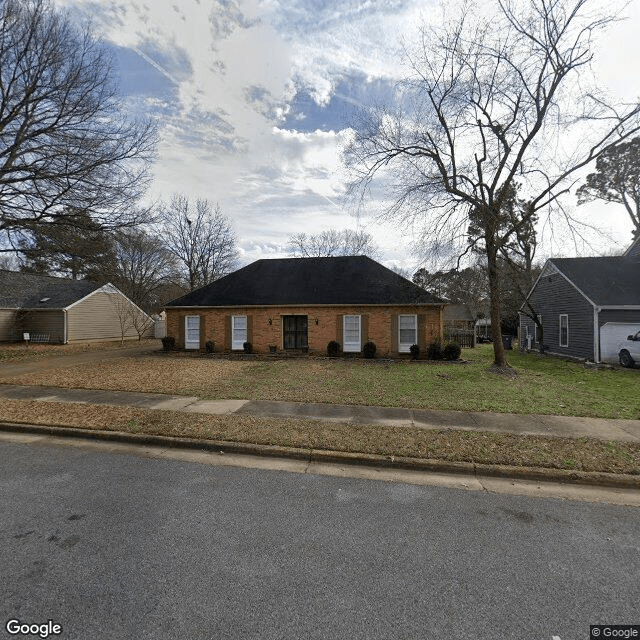
6843 Amersham, Memphis, TN 38119
To contact a resident: (901) 236-7668
For more information about senior living options: (866) 208-4318
Loving Hearts Care Home Costs & Pricing
Loving Hearts Care Home offers competitive pricing for its residents, particularly in the context of both Shelby County and the broader state of Tennessee. With a monthly cost of $2,800 for semi-private rooms, Loving Hearts significantly undercuts the average rates in Shelby County ($3,426) and Tennessee overall ($3,162). Similarly, their private room option is priced at $3,800, which is lower than the county's average ($3,746) and slightly higher than the state average ($3,696). This positioning not only highlights Loving Hearts Care Home as an accessible choice for families seeking quality care but also reflects their commitment to affordability without compromising on service or comfort.
| Floor plans | Loving Hearts Care Home | Shelby County | Tennessee |
|---|---|---|---|
| Semi-Private | $2,800 | $3,426 | $3,162 |
| Private | $3,800 | $3,746 | $3,696 |
Memory care communities with a similar price nearby
-
from +$500 / mo
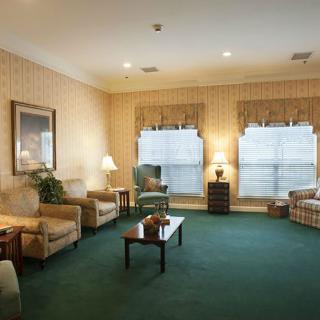
The Pinnacle of Southaven
$3,300 to $4,350 / month11.1 miles away -
from -$450 / mo
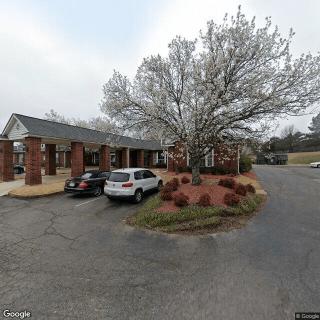
Legacy Assisted Living & Memory Care at Lenox
$2,350 to $2,650 / month1.0 miles away -
from +$227 / mo
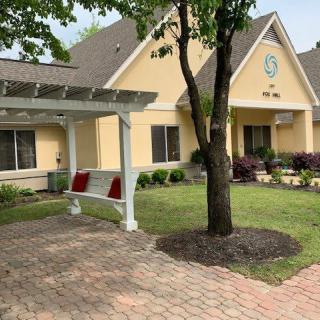
Foxbridge Assisted Living & Memory Care
$3,027 to $4,799 / month7.9 miles away -
from -$529 / mo
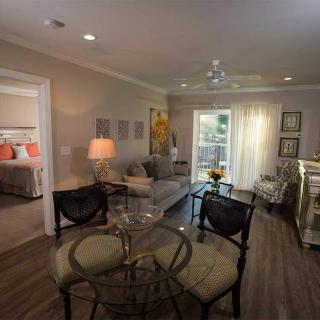
Kirby Pines
$2,271 to $7,100 / month1.5 miles away -
from -$307 / mo
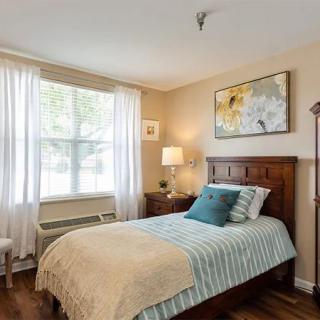
Shelby Gardens Place
$2,493 to $5,229 / month6.7 miles away
Overall Review of Loving Hearts Care Home
Pros
 It has worked out very well for them.
- They take good care of residents.
- The Loving Hearts Care Home is a nice place.
- They would definitely recommend this community.
- It is really clean.
- The atmosphere is nice.
- Everyone is so friendly and nice.
- The staff is helpful.
- The value is excellent.
- The care services and activities are great.
- Everything has been excellent.
- There have been no issues at all.
- They are really pleased.
Review
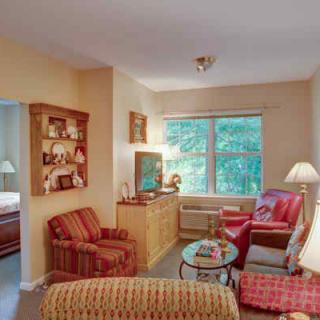
Loving Hearts Care Home in Memphis is best suited for families seeking an intimate, home-like assisted living option for a loved one who thrives on personal attention, predictable routines, and a warm, neighborly feel. The setting is small enough to feel like a residence rather than a hospital, yet staffed to deliver reliable daily care, engaging activities, and steady oversight. Residents who value cleanliness, a pleasant atmosphere, and approachable staff will find the environment welcoming and trustworthy. For seniors who want straightforward daily living with accessible support, this community offers a compelling balance of comfort, dignity, and practical assistance.
Alternatives become worth weighing for those with higher medical needs or specialized care requirements. If a loved one requires continuous skilled nursing, complex wound care, or memory care with secure programming, a larger facility or dedicated memory-care community may be more suitable. Families prioritizing expansive amenities, on-site rehab suites, or a campus with hospital affiliations might prefer options outside a small home-model setting. Even with strong staff, turnover, night-time coverage, or variability in services can be more predictable in larger operations. If consistency of medical oversight or 24/7 on-site clinical support is non-negotiable, exploration of more robust campuses is prudent. In short, this community shines for routine assisted living, while more intensive care scenarios may call elsewhere.
On the positives, the home is consistently described as clean, with a calm, pleasant atmosphere that fosters comfort and dignity. Staff members are perceived as friendly, helpful, and accessible, translating into responsive daily care and reliable supervision. Care services and activities appear well-rounded, engaging residents in meaningful routines rather than leaving them idle. The value is reportedly excellent, meaning usable quality at a predictable cost, which matters greatly to families budgeting long-term care. These strengths offset the absence of a large, clinical footprint by delivering dependable, person-centered support in a home-like setting. Where a larger campus might promise more specialized services, this option provides steadier human connection, clear routines, and straightforward service delivery that often translates into fewer surprises.
Nevertheless, the lack of explicit medical infrastructure means potential gaps could surface if a resident's health fluctuates or requires frequent clinical oversight. The sweet spot lies in ensuring care plans are detailed and current, with regular communication from staff to family, and access to external medical services when needed. For families already convinced by the warmth and reliability, these are manageable considerations by staying engaged and setting clear expectations. The absence of issues so far signals a stable operation with consistent staffing patterns, which further cushions concerns about routine care. Still, a prudent family will verify how care plans adapt to changes in health status and whether there is a seamless path to higher levels of care if needed.
To determine fit, request a thorough tour focused on cleanliness, safety features, and the look and feel of daily life. Inquire about staffing ratios, night coverage, and how activities are tailored to varying abilities. Discuss how the facility handles medication management, transportation needs, and meals. For families considering memory care or more intensive needs, ask specifically about dementia programming and the availability of on-site clinicians or partners. Consider a trial stay or short-term respite to observe daily routines, staff responsiveness, and resident happiness. The community's strong points, cleanliness, atmosphere, friendly staff, and solid value, become most meaningful when paired with transparent processes and proactive communication.
Overall, Loving Hearts Care Home presents a compelling option for those prioritizing a warm, clean, approachable environment with dependable daily care and substantial value. It is particularly well-suited for seniors who thrive on routine, social activities, and personal attention in a small, home-like setting. Families should consider alternatives if medical complexity, dementia-specific needs, or the desire for a larger campus with expansive rehab services is a priority; in such cases, more resource-rich communities may be more appropriate. For residents and families seeking a practical, compassionate home where every day feels well-supported and predictable, this Memphis community earns a confident recommendation, with the caveat to verify care plans and escalation paths as health needs evolve.
 Board and Care Home
 Memory Care
 Activities off-site
 Bath tubs
 Devotional services off-site
 Indoor common areas
 Outdoor common areas
 Private
 Respite or short term stays offered
 Wheelchair accessible showers
 Memphis International (8 miles away)
 Meals provided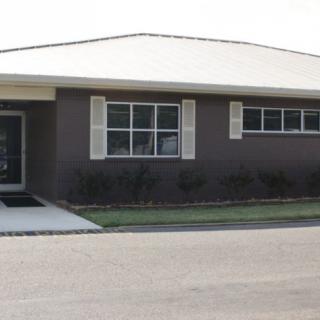




 A Thorough Discussion of Medications Potentially Linked to Dementia Risk
 Why Do Dementia Patients Sleep So Much? Understanding Oversleeping, Stages, and Care Approaches
 8 Key Indicators That Suggest It May Be Time to Transition from Assisted Living to Skilled Nursing Care