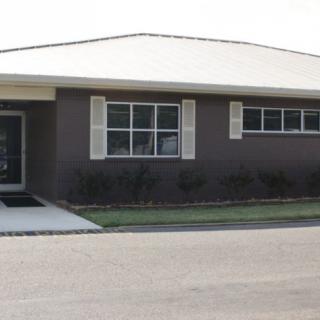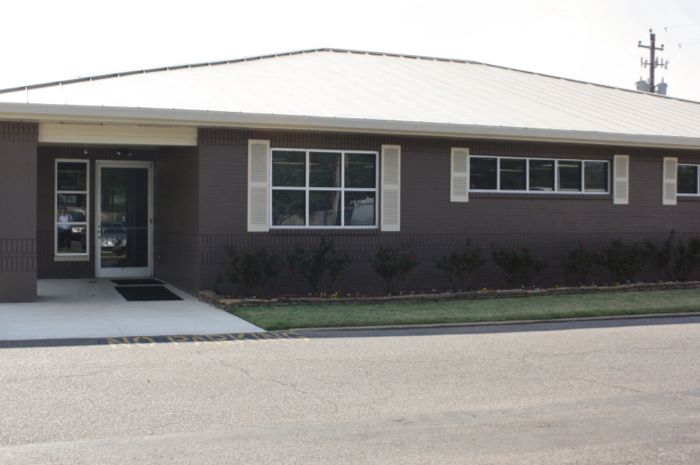

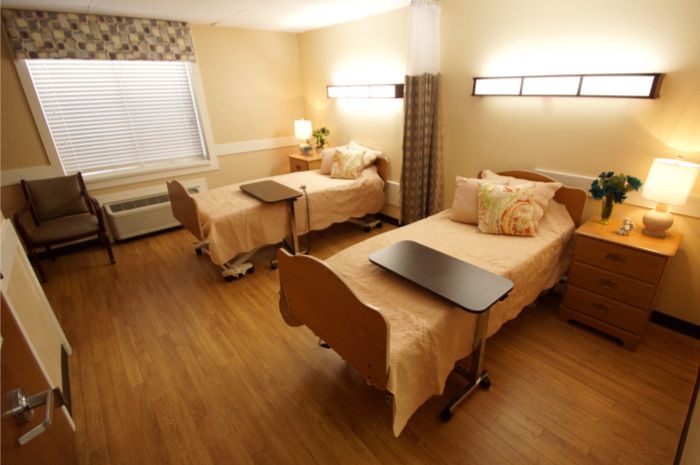

6733 Quince Road, Memphis, TN 38119
For more information about senior living options: (866) 208-4318
Overall Review of Quince Nursing and Rehabilitation Center
Pros
 The facility is spotless and well-kept, and the caregivers are professional and friendly.
- The staff prioritize the safety and comfort of residents.
- The staff show compassion, empathy, and patience toward residents and their families.
- The environment is very comforting.
- The facility is clean and well-maintained with attentive, caring staff.
- The staff keep families informed about residents’ status and care.
- The care team provides regular therapies and offers amenities like a salon and activity area.
Cons
 The admissions director is extremely rude, unprofessional, and defensive, and allegedly lied about the facility’s capabilities.
- The admissions staff allegedly ignored repeated calls and failed to provide clear answers.
- Management is accused of only responding to positive reviews, suggesting a lack of accountability.
- The care described included bedsores, inadequate feeding, and overall neglect of residents.
- A resident’s room was described as disgustingly dirty with unknown stains, indicating poor cleanliness.
- Safety rails and other equipment were rusted, implying unsafe conditions.
- A reviewer warned others not to choose Quince Nursing and Rehabilitation due to unaddressed medications and poor communication.
- A resident died shortly after admission, with accusations of apathetic staff and inadequate care.
Review
Quince Nursing and Rehabilitation Center in Memphis is best suited for families that want a pragmatic, mid-range option where frontline caregivers are consistently engaged and the environment is clean, calm, and predictable. The community shows strengths in daily care routines and rehab-oriented services, with staff who appear accessible and responsive for routine needs. It leans toward residents who benefit from steady CNA presence, reliable hydration support, and a facility culture that prioritizes safety, cleanliness, and staff availability over high-profile amenities. For families prioritizing a straightforward, hands-on caregiving vibe and a facility that feels tidy and organized, Quince checks many practical boxes.
Those weighing alternatives should consider whether the needs are more medically complex or require highly consistent administrative reliability. Several reviews flag concerns about the admissions process and some staff interactions at the administrative level, suggesting that families who anticipate unwavering, proactive governance from leadership may want to compare other options. Residents who require meticulous, ongoing wound care, highly coordinated medical oversight, or exceptionally responsive escalation of concerns might find the variability in management and some reported care gaps too impactful to overlook. For memory care or facilities with specialized programs, there are likely other communities that feel more specialized in those areas.
On the positive side, the most credible strengths center on frontline caregiving: the CNA staff frequently goes beyond duties, and the care team can be highly attentive and professional. The facility itself tends to be described as clean, well-kept, and organized, with a tangible emphasis on resident safety and comfort. Families report that caregivers are compassionate and communicative, contributing to a sense that loved ones are seen and cared for day to day. Therapy services, when engaged, are described as meaningful, and the environment, salon options, activity spaces, and a generally calm atmosphere, supports social participation and routine. These elements combine to produce genuine progress for many residents and reliable peace of mind for families during the rehab or long-term phase.
However, there are credible concerns that temper the overall impression. A handful of reviews cite unprofessionalism or rude behavior from admissions staff, and there are anecdotes about miscommunications and delays that disrupted admission plans. Some residents and families report rooms or areas that did not meet expected cleanliness or maintenance standards, such as outdated or unsafe fixtures and insufficient attention to meals or daily needs at critical moments. A few accounts describe serious consequences of perceived neglect, including bedsores and inadequate support during meals, highlighting that real inconsistencies can surface in care quality. Finally, activity offerings for more mobile residents can feel sparse, and transportation or scheduling logistics occasionally impede timely appointments.
The key pros, visible, capable front-line staff, a clean and orderly setting, reliable hydration and responsive daily care, and structured therapy, can meaningfully offset many concerns for residents who mainly require steady, daily support and rehabilitation. When honesty about the admissions process is matched with proactive questions and clear expectations, families can leverage the strong points to buffer the more variable administrative experiences. The best-fit profile here includes residents who thrive with routine, value attentive caregiving, and do not require unwavering perfection from leadership or flawless episodic care. In short, Quince functions as a solid, practical choice for steady daily care and rehabilitation, but it demands vigilant families who are ready to advocate and verify care plans.
Prospective decision-makers should approach admissions with concrete expectations and a checklist of questions. Ask about staffing patterns on weekend shifts, the cadence of therapy sessions, and how bedside meals are managed when resources are stretched. Request a transparent outline of the admissions process, escalation protocols, and recent quality improvement actions from leadership. Tour multiple times, speak with current residents and their families, and probe any memory of the bedrail or cleanliness concerns to quantify whether those issues persist. If a facility’s admission responsiveness and administrative clarity are non-negotiable, or if medical complexity requires a highly integrated care team, alternatives with stronger assurances in those domains may be prudent. For the right family, Quince offers dependable front-line care, a welcoming environment, and meaningful rehabilitation potential; for others, it is worth looking at options with more consistent governance and tighter control over care quality.
 188 resident community capacity
 Assisted Living
 Memory Care
 Skilled Nursing Facility
 Air-conditioning
 Beauty salon
 Cable or satellite TV
 Computer center
 Dining room
 Fitness room
 Fully furnished
 Gaming room
 Garden
 Housekeeping services
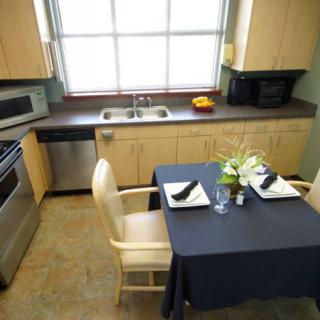
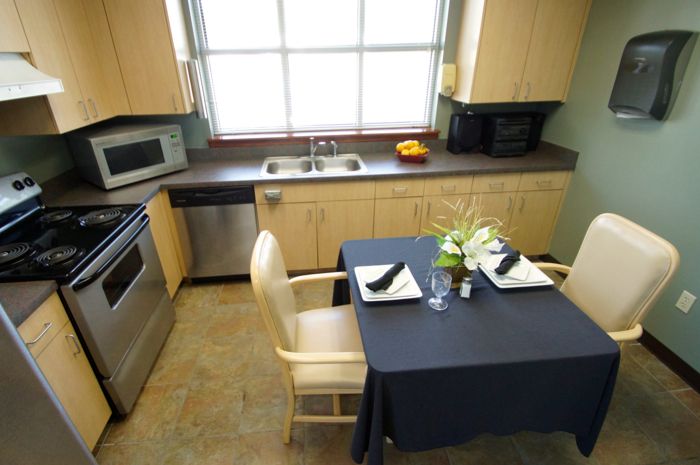
 Kitchenette
 Move-in coordination
 Outdoor space
 Private bathrooms
 Restaurant-style dining
 Small library
 Telephone
 Wellness center
 Wi-Fi/high-speed internet available
 Memphis International (8 miles away)
 Community operated transportation
 24-hour call system
 Activities of daily living assistance
 Assistance with bathing
 Assistance with dressing
 Assistance with transfers
 Diabetes diet
 Medication management
 Mental wellness program
 Special dietary restrictions
 Concierge services
 Planned day trips





 Understanding Dementia Through Its Seven Stages: A Comprehensive Look at Progression and Expectations
 Safeguarding Your Memory Through the Golden Years: Eight Ways to Preserve Cognitive Health
 Comprehensive Insights into Activities of Daily Living (ADLs) and Their Assessment