South Mountain Memory Care in Emmaus, PA

Save

  • Interior

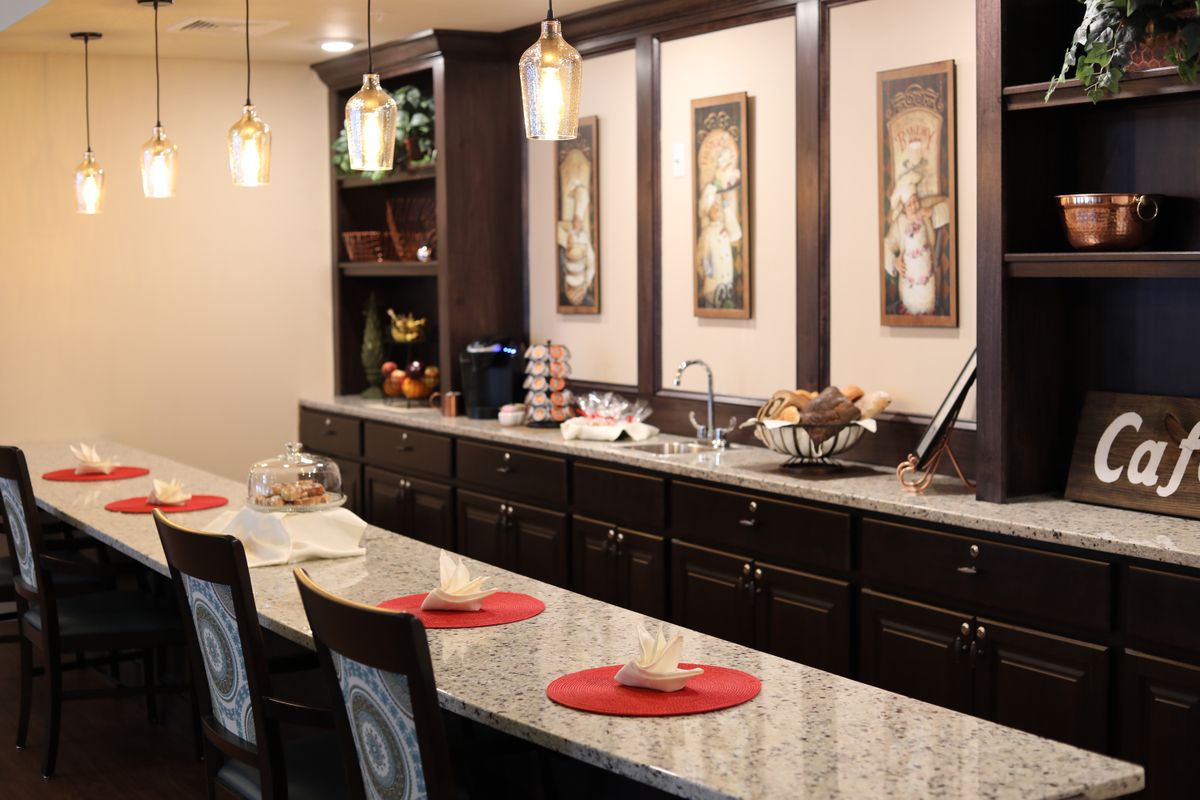
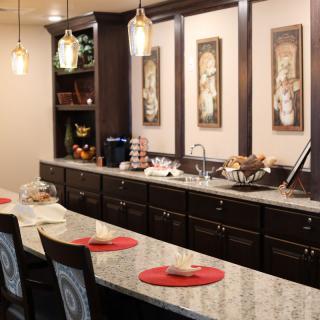
    A modern kitchen interior featuring a long countertop with seating, pendant lights, and decorative artwork on the wall.
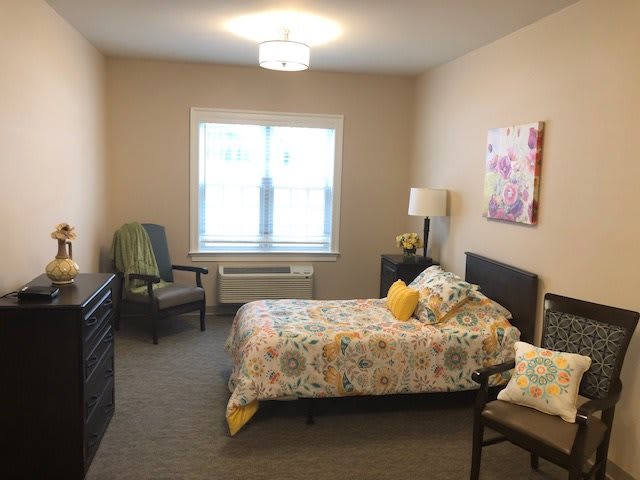
  • Decor

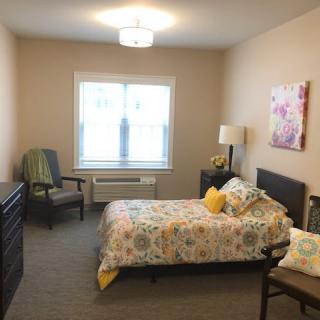
    A cozy bedroom with a neatly made bed, a chair, and a table lamp.
  • Living Room

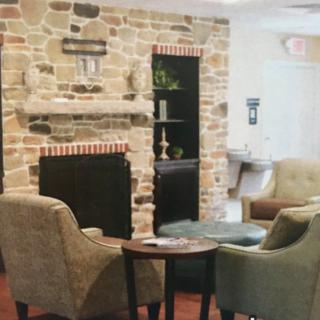
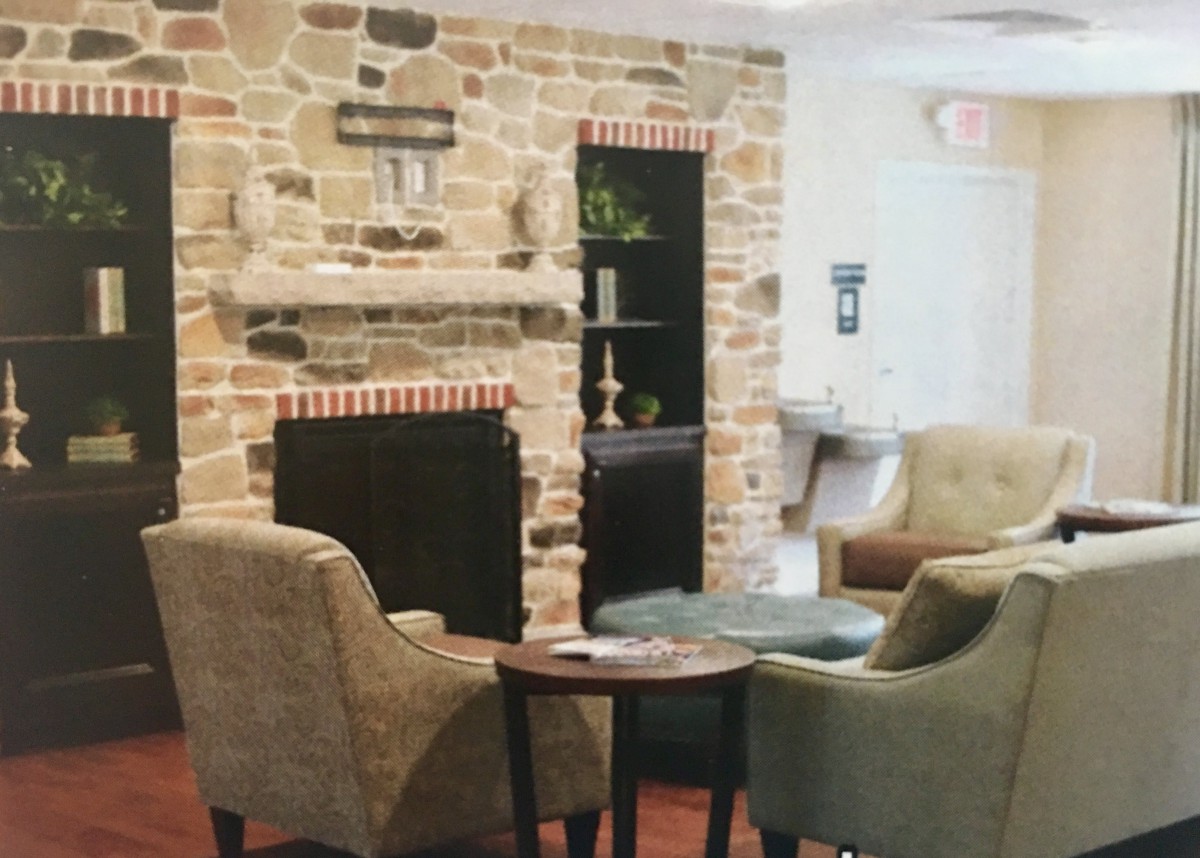
    A cozy living room with a stone fireplace and comfortable armchairs.
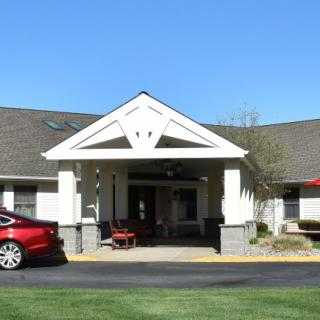
  • Building

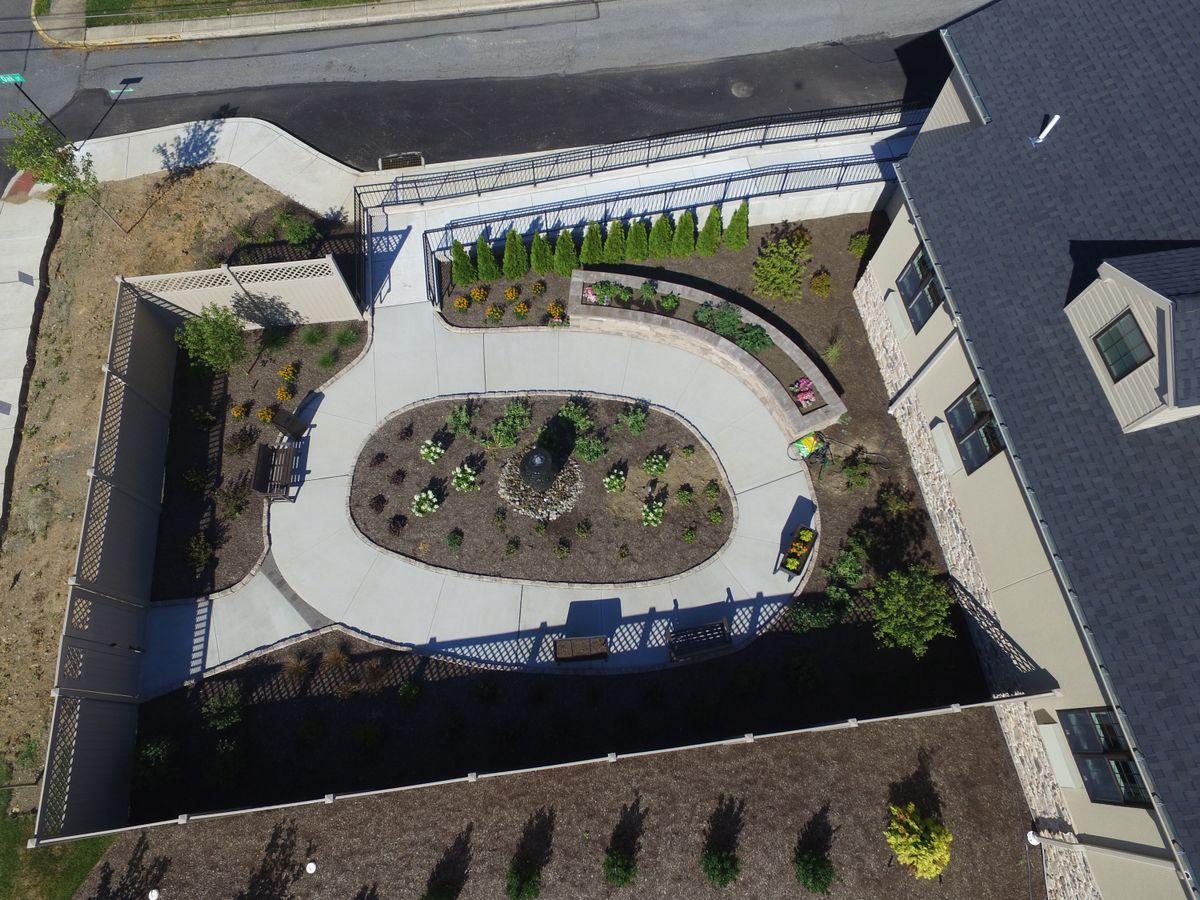
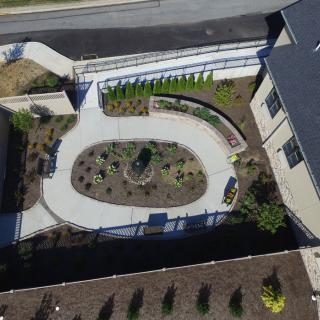
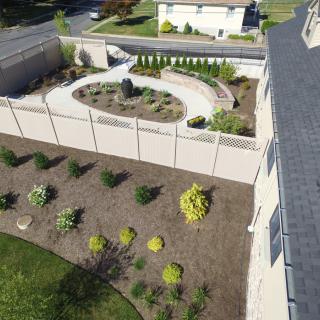
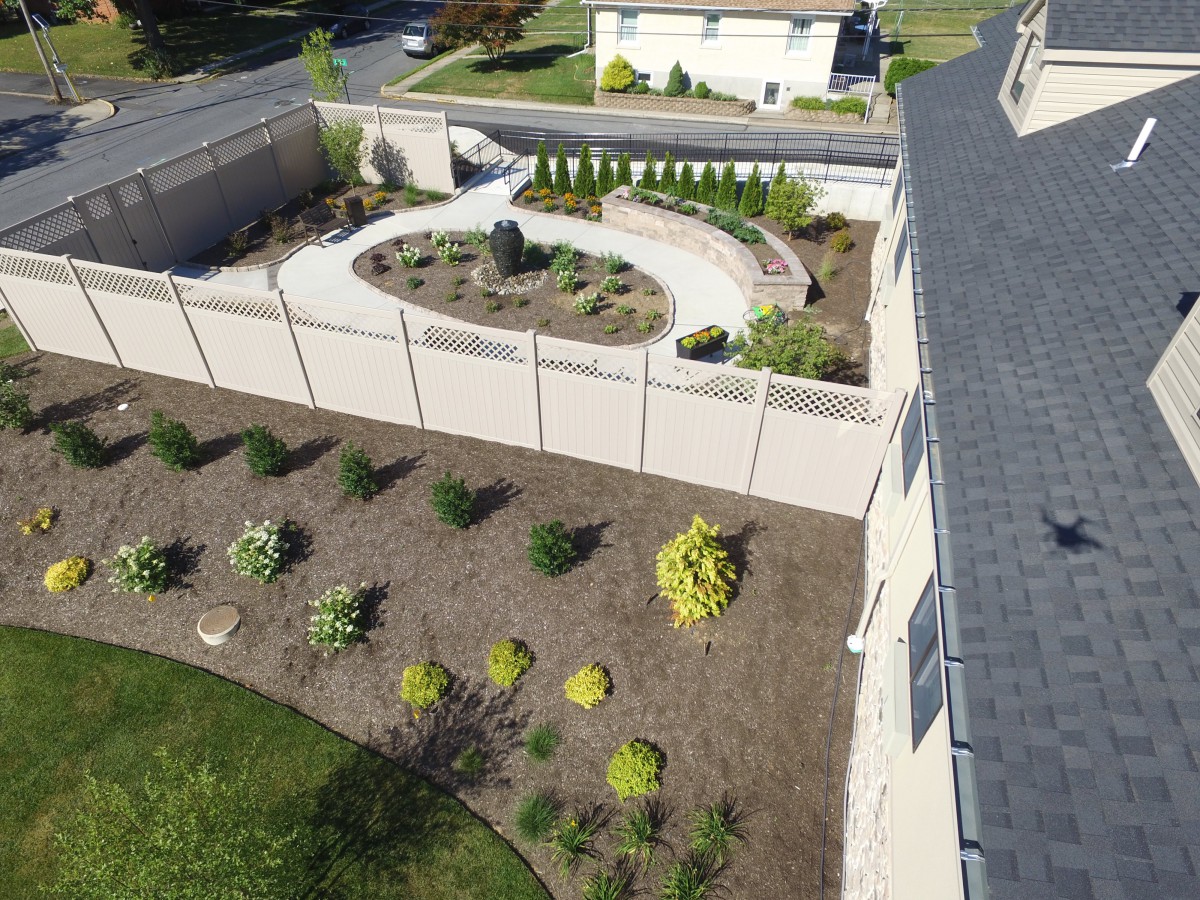
    An aerial view of a landscaped garden with pathways adjacent to a building.
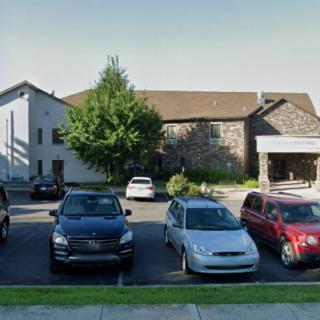
  • Architecture

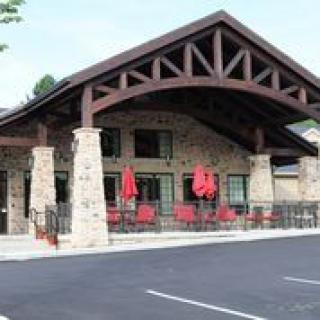
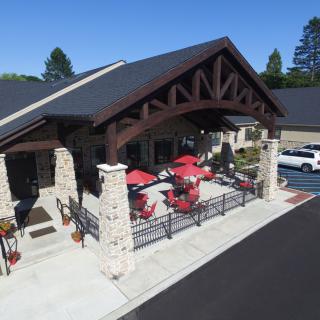
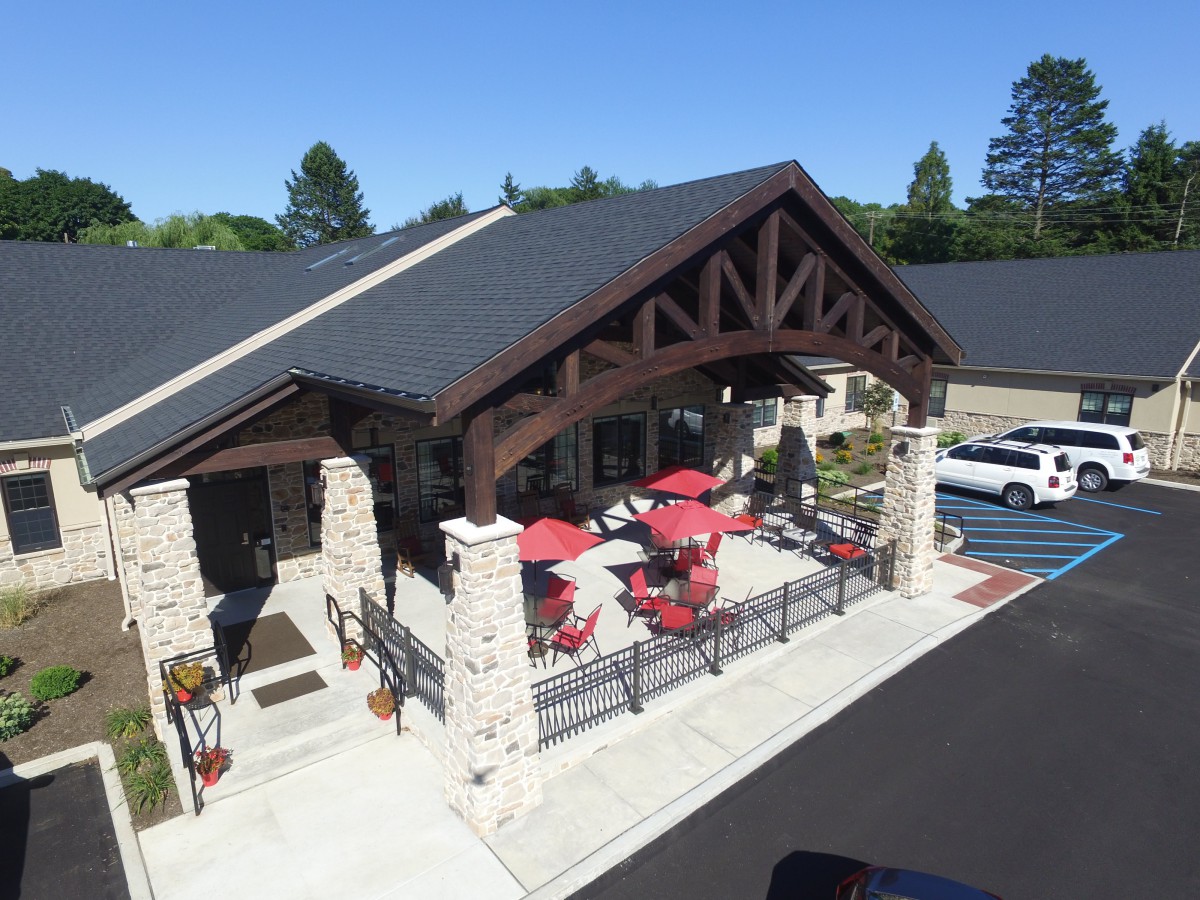
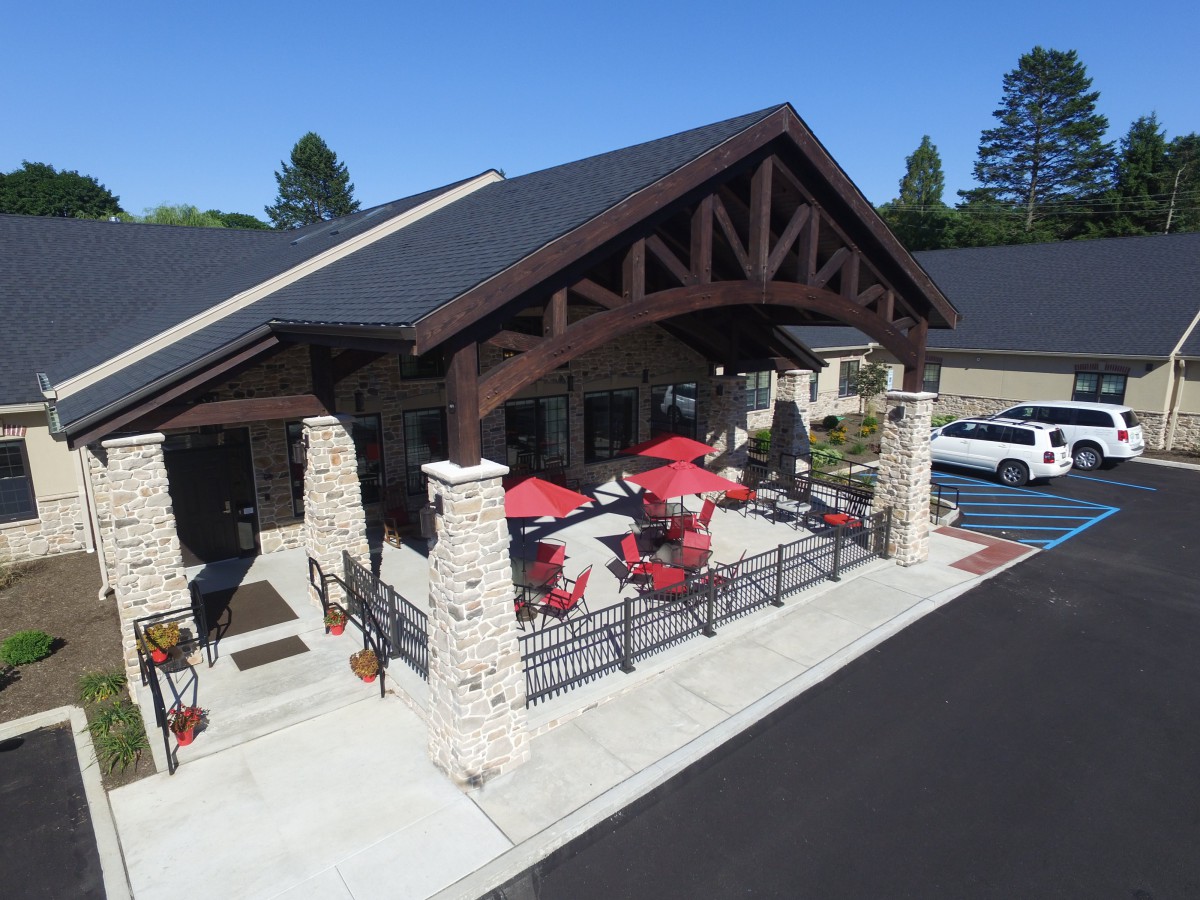
    A stone building with wooden beams and outdoor seating, possibly a restaurant or café.
  • Bedroom

    A cozy bedroom with a single bed, a chair, and decorative elements.
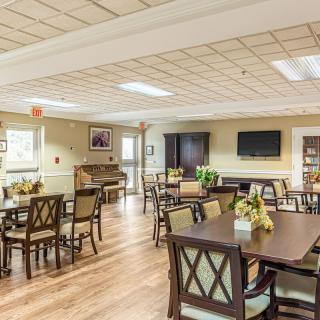
  • Windows

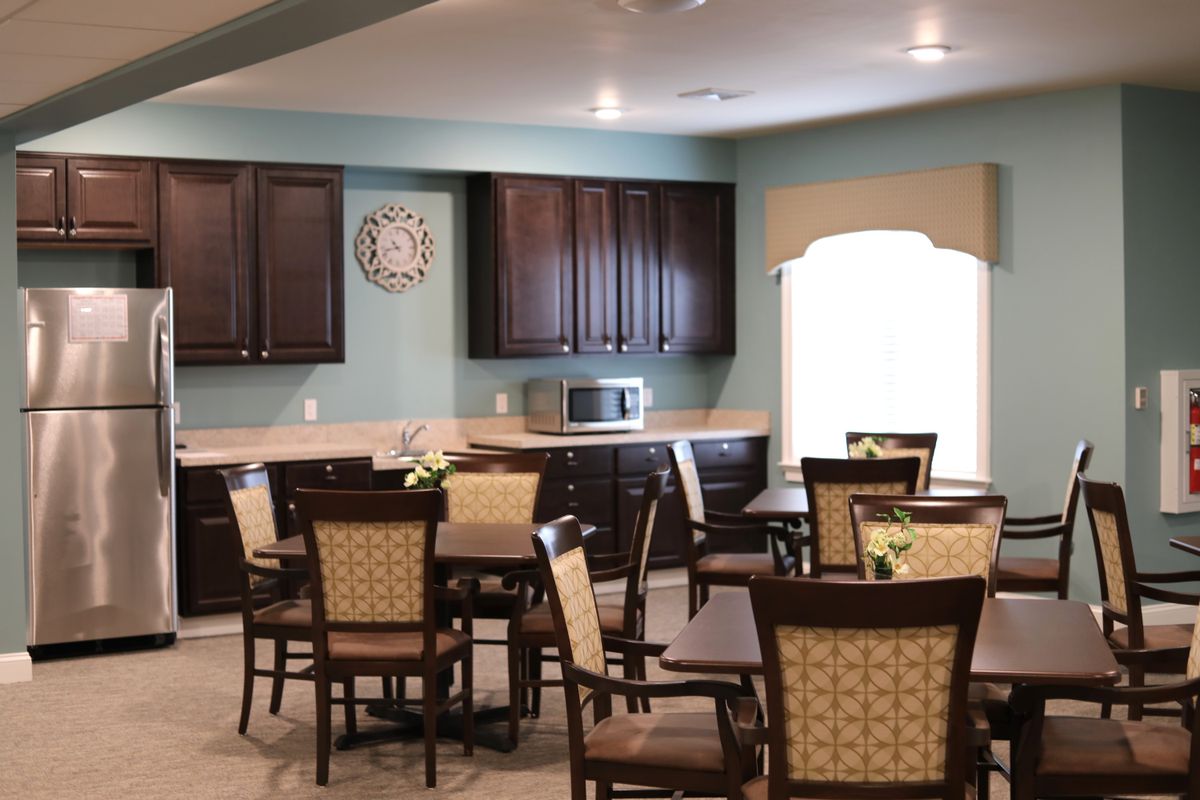
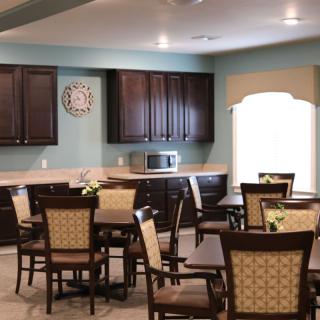
    A modern kitchen and dining area with tables, chairs, and wooden cabinets.
  • Dining

    A cozy restaurant with outdoor seating and a modern architectural design.
  • Landscaping

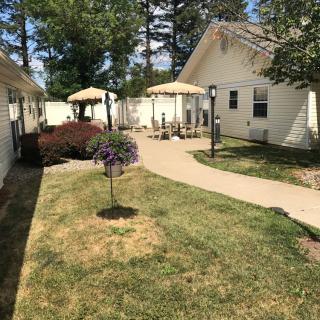
    Aerial view of a landscaped garden with a pathway and shrubs surrounded by a fence.
  • Outdoor

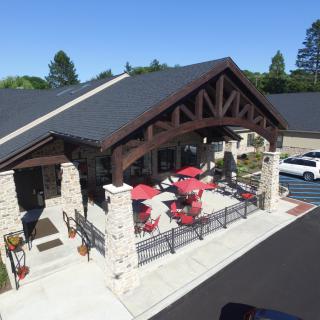
    Aerial view of a building with a covered patio featuring red umbrellas and stone pillars.
  • Dining Table

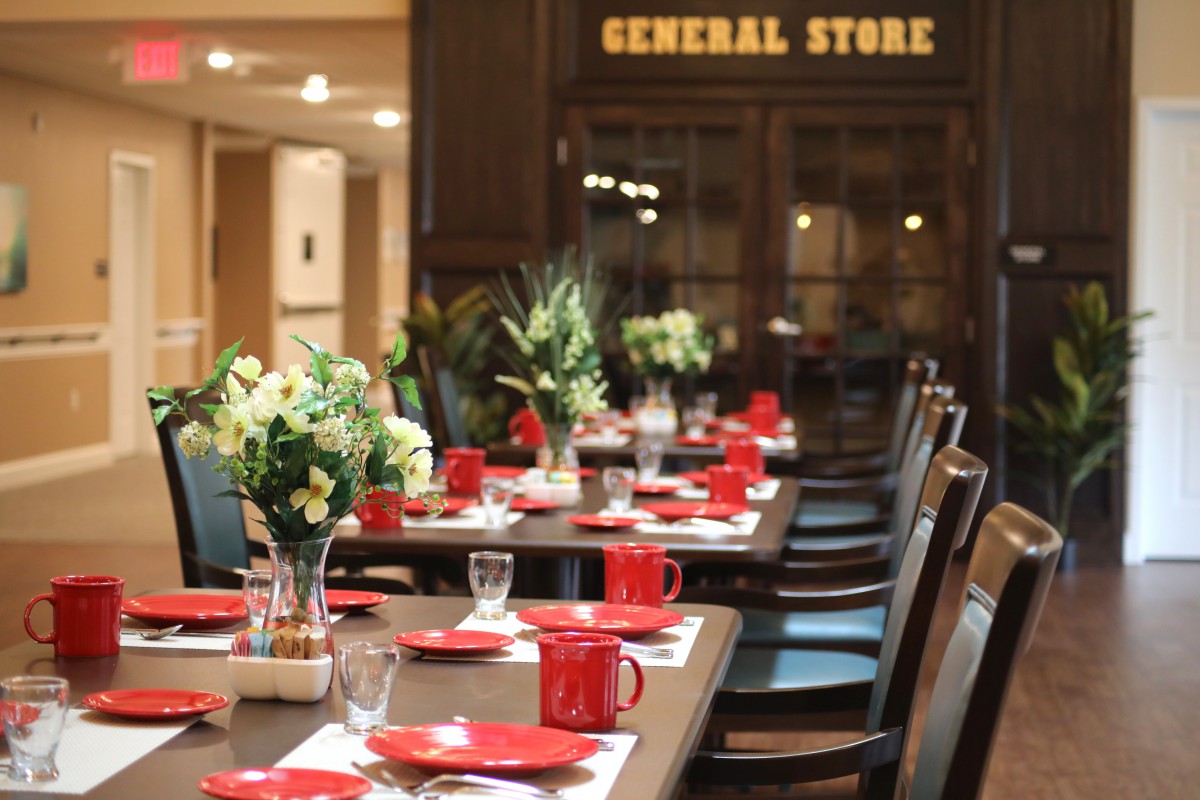
    A beautifully set dining table with red crockery and flowers in a restaurant setting.
  • Nursing Home

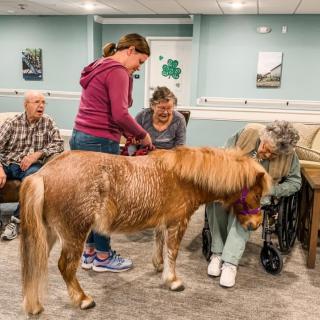
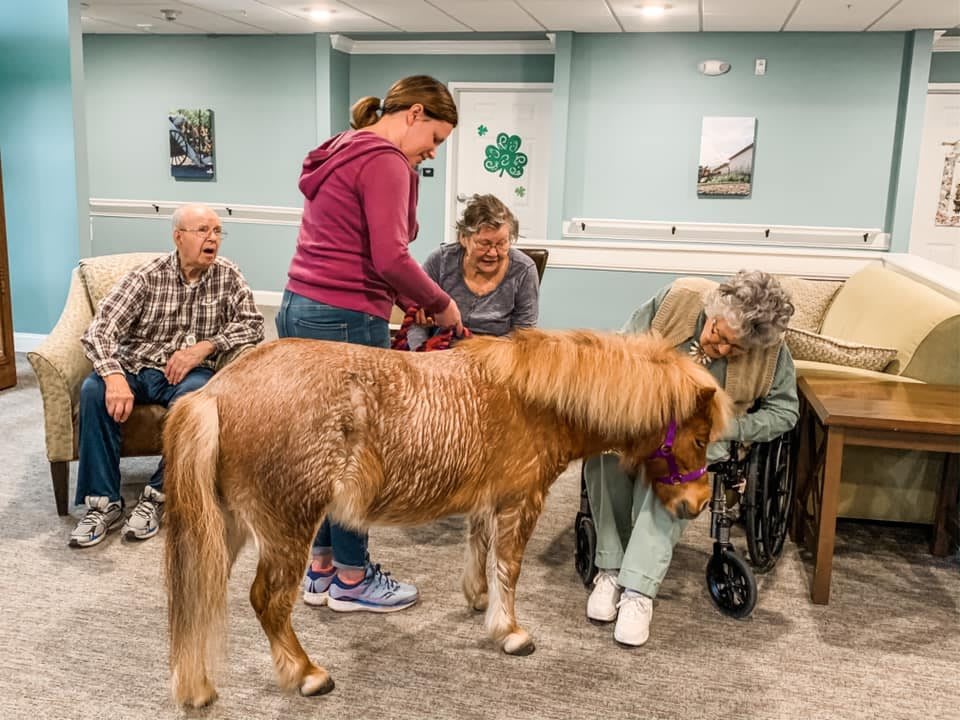
    A therapy visit at a nursing home with a miniature horse interacting with residents.

South Mountain Memory Care in Emmaus, PA

Information last verified:

201 South Seventh Street, Emmaus, PA 18049

For more information about senior living options: (844) 490-3973

4.8 from 68 reviews
5 stars
60
4 stars
7
3 stars
0
2 stars
0
1 stars
1

Seniors.FYI Elite Community Awards

Top 5% Senior Living Community in 2020Top 5% Senior Living Community in 2021Top 5% Senior Living Community in 2022Top 5% Senior Living Community in 2024

Add this award to your website

South Mountain Memory Care Costs & Pricing

South Mountain Memory Care offers a monthly rate of $6,450 for a studio room, which is notably higher than the average costs in Lehigh County and the broader state of Pennsylvania. In contrast, Lehigh County's average monthly cost for similar accommodations is approximately $4,504, while Pennsylvania's overall average stands at around $3,737. This price differential reflects the specialized services and care that South Mountain Memory Care provides, catering to residents with memory-related conditions. Families considering this option may find value in the enhanced quality of care and tailored support available at South Mountain compared to other facilities in the region.

Floor plansSouth Mountain Memory CareLehigh CountyPennsylvania
Studio$6,450$4,504$3,737

Overall Review of South Mountain Memory Care

Pros

  • pro The staff at South Mountain Memory Care are compassionate, patient, and genuinely caring toward residents and their families.
  • pro The small, home-like setting provides warmth and allows for personalized attention.
  • pro The facility is clean, well-maintained, and welcoming, with comfortable rooms and an inviting dining area.
  • pro The staff know residents by name and engage with them daily, fostering a true sense of family.
  • pro They go above and beyond to accommodate residents' moods and changing needs with empathy.
  • pro Families report peace of mind knowing their loved ones are in capable, loving hands.
  • pro The community is open to families 24/7, reinforcing a family-centered care approach.
  • pro The care is specialized in memory care and delivered with expertise and dignity.
  • pro The staff treat residents with respect, making them feel like family.
  • pro The activities, meals, and therapy animals contribute to residents' happiness and quality of life.
  • pro The facility is widely regarded as one of the best memory care options in the area.

Cons

  • pro They felt South Mountain was too far to visit regularly.
  • pro They considered the price point too high for the level of care provided.
  • pro They were disappointed when the facility could not accommodate a concern after an assessment.
  • pro They alleged some workers neglected residents and that the management team was unprofessional.
  • pro They criticized the rule that residents cannot go outside unassisted and must be escorted by an aide.
  • pro They described another local facility as horribly mismanaged.

Review

South Mountain Memory Care in Emmaus, PA is best suited for families seeking a dementia-focused home that feels intimate, approachable, and truly involved in daily resident life. This is a small, memory-care only community with roughly two dozen residents, where staff know each person by name and engagement is deliberate, not incidental. The design and culture center on a “small house” model that fosters a family-like atmosphere, where caregivers are consistently present, accessible to families, and willing to adapt routines to a resident’s moods and changing needs. For families prioritizing visible warmth, consistent staffing, and hands-on attention to behavior and cognition, this is where comfort and competence converge.

There are clear reasons why alternatives might be worth considering for some families. Those with tighter budgets may find the price point to be a major driver, given the high level of personalized care and the specialized dementia training that accompanies a smaller, more intimate setting. Distance can also matter; while South Mountain earns praise for its open-door policy and strong family connections, nearby options may offer easier frequent visitation. Families seeking a facility with broader medical services beyond memory care, a larger campus with more social diversity, or greater autonomy for residents to move around unsupervised might find those fits more suitable. In short, SMMC excels as a focused memory-care home, but it may not satisfy every care or logistics preference.

The strongest positives, an attentive, compassionate staff; a welcoming, homey environment; and a robust activity program, dramatically offset the principal drawbacks. The staff-to-resident ratio, the ability to personalize daily activities, and the genuine effort to know each resident’s history and preferences translate into meaningful improvements in mood, engagement, and overall well-being. Families consistently highlight clean facilities, delicious meals, and meaningful daily routines that keep residents mentally engaged. The small size enables frequent observation and rapid adjustments, including mood shifts, triggering timely care changes that larger campuses often miss. The result is not only peace of mind but a tangible sense of improvement in quality of life for many residents.

Yet the community does present trade-offs that matter in decision-making. Some reviewers note the price as a deterrent, especially when comparing against larger, more generalized options. The same small footprint that fuels individualized care also imposes constraints: outside time is typically supervised, and residents may not go outdoors independently, which can feel restrictive to some families who value maximum autonomy. A minority of reviewers describe specific interactions where a particular request was declined after an assessment, underscoring that even a highly compassionate team works within clinical boundaries. These are real considerations, but they are outweighed for families who view memory-care excellence and a secure, home-like setting as the paramount goals.

Operationally, the community demonstrates resilience and preparedness that families can rely on. There are repeated testimonies to the staff’s proactive communication, especially around medical issues or changes in a resident’s condition. The facility’s response to emergencies, demonstrated when South Mountain opened its doors to numerous residents from a fire at another location, speaks to core values of safety, hospitality, and competence. End-of-life support, consistent in-house physicians, and a culture that treats residents like family make a meaningful difference when care needs intensify. Therapies, animal-assisted activities, and a broad slate of daily engagements keep residents connected, stimulated, and emotionally anchored, while family members consistently report feeling heard and respected in their questions and concerns.

For families weighing the decision, the bottom-line assessment is clear: South Mountain Memory Care is a standout choice for dementia care that values intimacy, individualized attention, and a nurturing, nearly familial culture. It is especially compelling for those who want a smaller, well-trained team that can pivot quickly to a resident’s changing needs, who prize cleanliness, safety, and consistent family access, and who view daily purposeful activities as essential to sustaining cognitive and emotional health. It may not be the best fit for families prioritizing the lowest possible price, broad campus amenities, or unrestricted outdoor autonomy. When the care goals center on living well with memory impairment in a warm, controlled environment, South Mountain Memory Care stands apart.

Prospective families should arrange a direct visit, speak with Careen and the care team, and probe pricing inclusions, daily activity schedules, and the precise limits around outdoor time. Ask about room options, meal quality, and how temporary or escalating medical needs are handled within the small-house framework. Confirm how often families receive updates, what the in-house physician collaboration looks like, and how the facility supports the wider family unit, including monthly support groups and opportunities for family participation in meals or events. If the priority is a dementia-focused, home-like community with highly engaged staff and a proven record of compassionate care, South Mountain Memory Care deserves serious consideration, and a candid, in-person exploration to verify that it aligns with the specific needs, location, and budget of the family’s loved one.

Features

Housing

  • 26 resident community capacity 26 resident community capacity
  • 1-bedroom apartments 1-bedroom apartments1-bedroom apartments are important for seniors because they provide a sense of independence, privacy, and autonomy while still offering the necessary space for comfortable living. These apartments allow seniors to maintain their own personal space and lifestyle preferences in a supportive community setting.

Types of Care

  • Memory Care Memory CareMemory care is crucial for seniors as it provides specialized support and services for individuals with dementia or Alzheimer's disease. These programs offer a safe and secure environment where residents receive personalized care, cognitive stimulation, and help with daily activities. Memory care helps seniors maintain their independence, quality of life, and dignity while also providing peace of mind for their families.
  • Respite Care Respite CareRespite care provides temporary relief for caregivers, allowing them to recharge and attend to their own needs. It also gives seniors the opportunity to socialize, receive professional care, and experience a change of scenery, promoting overall well-being and reducing feelings of isolation.

Amenities

  • Activities off-site Activities off-siteEngaging in off-site activities is crucial for seniors to maintain social connections, stay active, and stimulate their minds. It promotes overall well-being and helps combat feelings of isolation and loneliness.
  • Activities on-site Activities on-siteActivities on-site are important for seniors because they provide opportunities for socialization, mental stimulation, physical activity, and overall well-being. Engaging in activities can help seniors stay active, maintain their independence, and improve their quality of life.
  • Air-conditioning Air-conditioningAir conditioning is important for seniors as they are more vulnerable to heat-related illnesses and may have underlying health conditions that make it difficult for them to regulate their body temperature. It helps to keep them comfortable, safe, and healthy in hot weather.
  • Beautician on-site Beautician on-siteHaving a beautician on-site at a senior living community is important for seniors as it allows them to easily access grooming and personal care services, boosting their self-esteem and overall well-being. It also provides convenience and helps seniors maintain their sense of independence and personal style.
  • Beauty salon Beauty salonBeauty salons are important for seniors because they provide a space for them to feel pampered, socialize, and maintain their personal grooming and hygiene. Regular visits to a beauty salon can help boost seniors' self-esteem and overall well-being.
  • Cable or satellite TV Cable or satellite TVCable or satellite TV is important for seniors because it provides entertainment, news, and companionship, helping to combat loneliness and boredom. It also offers a wide range of programming options tailored to different interests and preferences.
  • Dining room Dining roomDining rooms are important for seniors as they provide a space for socialization, connection, and nutritious meals. They offer opportunities for residents to bond over shared meals, foster a sense of community, and promote healthy eating habits. Dining rooms also ensure that seniors have access to well-balanced meals tailored to their dietary needs and preferences.
  • Family education and support services Family education and support servicesFamily education and support services are crucial for seniors as they provide resources, guidance, and assistance to both the elderly individuals and their families. These services help in navigating the challenges of aging, improving communication among family members, enhancing quality of life, and ensuring that seniors receive the care and support they need to live independently and comfortably.
  • Family private dining rooms Family private dining roomsFamily private dining rooms are important for seniors as they provide a space for quality time with loved ones, encourage social interaction, and allow for a sense of normalcy and comfort in their living environment. This can greatly improve their overall well-being and quality of life.
  • Fully furnished Fully furnishedFully furnished senior living communities are important for seniors because they provide convenience, comfort, and a hassle-free moving experience. Seniors can easily settle into their new living space without the stress of having to buy and move furniture. This allows them to focus on enjoying their new home and community.
  • Garden GardenGardens are important for seniors as they provide a peaceful and therapeutic environment for relaxation, physical activity, and socialization. Being in nature has been shown to reduce stress, improve mood, and promote overall well-being. Gardens also offer opportunities for seniors to engage in gardening activities, which can improve mobility, flexibility, and cognitive function. Additionally, gardens create a sense of community and connection with others who share a passion for plants and outdoor spaces.
  • Ground floor units Ground floor unitsGround floor units are important for seniors because they provide easy accessibility, reduced risk of falls and injuries, and convenience for those with mobility issues. Seniors can avoid climbing stairs or using elevators, making daily tasks and activities more manageable and enjoyable.
  • Handicap accessible Handicap accessible"Handicap accessible" amenities are crucial for seniors to ensure they can easily navigate and access facilities, services, and activities without barriers or limitations due to physical impairments. This promotes independence, safety, and inclusivity for seniors in senior living communities.
  • Housekeeping services Housekeeping servicesHousekeeping services are important for seniors because they help maintain a clean and safe living environment, promote independence, and reduce the risk of accidents or illnesses. Additionally, having assistance with household chores can alleviate physical strain and allow seniors to focus on other aspects of their well-being.
  • Indoor common areas Indoor common areasIndoor common areas are crucial for seniors as they provide a space for socialization, recreation, and community engagement, promoting overall well-being and reducing feelings of isolation and loneliness.
  • Located close to shopping centers Located close to shopping centersBeing located close to shopping centers is important for seniors because it provides easy access to daily necessities, social interaction, and recreational activities. This convenience can enhance their quality of life and independence, making it a desirable feature for senior living communities.
  • Meal preparation and service Meal preparation and serviceMeal preparation and service are crucial for seniors as they may have limited mobility or energy to cook nutritious meals. Having access to healthy and convenient food options can ensure they are getting the proper nutrition needed to maintain their overall health and well-being.
  • Move-in coordination Move-in coordinationMove-in coordination is important for seniors because it helps ease the transition into their new living environment. It ensures that all logistics, such as packing, organizing movers, and setting up utilities are taken care of, allowing seniors to focus on settling in and adjusting to their new home. Having a smooth move-in process can alleviate stress and anxiety, making the transition smoother and more enjoyable for seniors.
  • Outdoor common areas Outdoor common areasOutdoor common areas are important for seniors as they provide a space for socialization, physical activity, and relaxation. Being outside in nature can improve mood and overall well-being, while also encouraging movement and engagement with others. These spaces can help combat feelings of isolation and promote a sense of community among residents.
  • Outdoor patio Outdoor patioOutdoor patios are essential for seniors as they provide a safe and peaceful space for them to enjoy the outdoors, socialize with friends and family, engage in physical activity, and soak up natural sunlight which promotes overall well-being and mental health.
  • Outdoor space Outdoor spaceOutdoor spaces are important for seniors as they provide opportunities for physical activity, social interaction, exposure to natural light and fresh air, and a sense of connection to nature. Having access to outdoor spaces can improve overall well-being and quality of life for older adults living in senior communities.
  • Private bathrooms Private bathroomsPrivate bathrooms are important for seniors in senior living communities because they provide independence, dignity, and comfort. Having a private bathroom allows seniors to maintain their personal hygiene routines without the need for assistance, promoting a sense of autonomy and privacy. Additionally, private bathrooms help prevent the spread of infections and provide a safe and clean environment for seniors to navigate safely.
  • Respite or short term stays offered Respite or short term stays offeredRespite or short term stays provide seniors with a temporary solution when their regular caregiver is unavailable, offering them the opportunity to receive additional care and support during times of need, while also giving caregivers a chance to rest and recharge.
  • Restaurant-style dining Restaurant-style diningRestaurant-style dining is important for seniors because it allows them to enjoy delicious, nutritious meals in a social and upscale setting. This enhances their dining experience, promotes healthy eating habits, and fosters socialization with fellow residents, ultimately contributing to their overall well-being and quality of life.
  • Small library Small librarySmall libraries are important for seniors as they provide access to a variety of reading materials, including books, newspapers, and magazines. This can help stimulate their minds, keep them engaged, and provide a sense of community through book clubs and other social activities. Additionally, reading has been shown to improve cognitive function and overall mental well-being in older adults.
  • Wheelchair accessible showers Wheelchair accessible showersWheelchair accessible showers are crucial for seniors as they provide a safe and independent bathing option for those with mobility challenges. These showers help prevent falls and allow seniors to maintain their dignity and autonomy while ensuring they can bathe comfortably.
  • Wi-Fi/high-speed internet available Wi-Fi/high-speed internet availableWi-Fi/high-speed internet is important for seniors to stay connected with loved ones, access online resources, and participate in virtual activities to combat feelings of loneliness and isolation. It also allows them to easily manage healthcare needs, access entertainment, and engage in lifelong learning opportunities.

Transportation

  • Lehigh Valley International (9 miles away) Lehigh Valley International (9 miles away)
  • Community operated transportation Community operated transportationCommunity operated transportation is crucial for seniors as it provides them with the means to access essential services, social activities, and medical appointments. It allows seniors to maintain their independence and quality of life by ensuring they can participate in activities outside of their homes. Additionally, community-operated transportation services offer a safe and reliable way for seniors to travel without having to rely on family or friends for assistance.
  • Transportation arrangement Transportation arrangementTransportation arrangements are crucial for seniors as they may face challenges with driving, mobility, or access to public transportation. Having reliable transportation services ensures that seniors can easily attend appointments, social activities, and maintain their independence and quality of life.

Care Services

  • 12-16 hour nursing 12-16 hour nursing12-16 hour nursing care is crucial for seniors in order to ensure around-the-clock monitoring, timely medication administration, and prompt response to any health concerns or emergencies. This level of care helps to promote the overall well-being and safety of seniors living in senior living communities.
  • 24-hour call system 24-hour call system24-hour call systems are important for seniors because they provide peace of mind and immediate assistance in case of emergencies. This technology ensures that help is always available, promoting safety and security for elderly individuals living alone or in assisted living facilities.
  • 24-hour supervision 24-hour supervision24-hour supervision is important for seniors to ensure their safety, well-being, and access to immediate assistance in case of emergencies or health issues. This constant support provides peace of mind for both seniors and their loved ones, allowing them to age in place with dignity and security.
  • Accept incoming residents on hospice Accept incoming residents on hospiceAccepting incoming residents on hospice is important for seniors because it allows them to receive specialized end-of-life care in a comfortable and supportive environment. This ensures that they can maintain their dignity and quality of life during their final days, surrounded by compassionate staff who are trained to provide the necessary medical and emotional support.
  • Activities of daily living assistance Activities of daily living assistanceActivities of daily living assistance are important for seniors because they provide essential support with tasks such as eating, bathing, dressing, and mobility. This assistance helps seniors maintain their independence, dignity, and overall quality of life as they age.
  • Administer insulin injections Administer insulin injectionsAdministering insulin injections is important for seniors with diabetes to help regulate their blood sugar levels and prevent complications such as heart disease, nerve damage, and blindness. Proper insulin management can also improve overall health and quality of life for older adults.
  • Ambulatory care Ambulatory care"Ambulatory care services provide essential medical support and treatment to seniors without requiring hospitalization, allowing them to maintain their independence and quality of life while managing chronic conditions or receiving routine medical care."
  • Assistance with bathing Assistance with bathingAssistance with bathing is crucial for seniors as it helps maintain personal hygiene, prevents infections, and ensures their overall well-being and comfort. It also provides a sense of dignity and independence for seniors who may struggle with this task on their own.
  • Assistance with dressing Assistance with dressingAssistance with dressing is important for seniors because it helps maintain their independence, promotes personal hygiene, prevents accidents and injuries, and improves overall quality of life. This service ensures that seniors can continue to dress comfortably and confidently, despite any physical limitations they may have.
  • Assistance with transfers Assistance with transfersAssistance with transfers is crucial for seniors as it helps prevent falls and injuries, maintains their independence, and ensures they can safely navigate their living environment. It also provides peace of mind for both seniors and their loved ones.
  • Care with behavioral issues Care with behavioral issuesCare with behavioral issues is important for seniors because it ensures they receive the specialized support and attention they need to manage their unique challenges and maintain their quality of life. This type of care helps address issues such as dementia, aggression, anxiety, depression or mood swings, allowing seniors to live comfortably and safely in a senior living community.
  • Coordination with health care providers Coordination with health care providersCoordination with health care providers is crucial for seniors to ensure proper medical care, medication management, and overall well-being. This collaboration helps prevent overlapping treatments, track progress more effectively, and provide comprehensive support tailored to individual needs.
  • Diabetes diet Diabetes dietA diabetes diet is crucial for seniors as it helps manage blood sugar levels, reduce risks of complications, and improve overall health and well-being. By following a balanced and nutritious diet tailored to their specific needs, seniors can better control their diabetes and enhance their quality of life.
  • Diabetic care Diabetic careDiabetic care is crucial for seniors as they are more susceptible to developing diabetes due to aging and other health conditions. Proper management of diabetes can help prevent complications such as heart disease, vision loss, and nerve damage, improving the overall quality of life for seniors in senior living communities.
  • Hospice waiver Hospice waiverHospice waivers are important for seniors because they allow individuals to receive specialized end-of-life care and support at home or in a hospice facility. This waiver ensures that seniors can access the necessary resources and services to maintain comfort and dignity during their final days.
  • Incontinence care Incontinence careIncontinence care is essential for seniors to maintain their dignity, hygiene, and overall quality of life. By addressing incontinence issues promptly and effectively, seniors can enjoy a sense of independence and comfort in their daily activities.
  • Meal preparation and service Meal preparation and serviceMeal preparation and service are crucial for seniors as they may have limited mobility or energy to cook nutritious meals. Having access to healthy and convenient food options can ensure they are getting the proper nutrition needed to maintain their overall health and well-being.
  • Medication management Medication managementMedication management is crucial for seniors to ensure they are taking the right medications at the correct dosages and times. This helps prevent adverse drug interactions, reduces the risk of medication errors, and promotes overall health and well-being. Proactive management also allows for adjustments as needed based on changing health conditions or new prescriptions.
  • Mental wellness program Mental wellness programMental wellness programs are essential for seniors as they promote cognitive stimulation, emotional support, and social engagement. These programs help prevent isolation, depression, and cognitive decline, ultimately enhancing the overall quality of life for older adults.
  • Mild cognitive impairment Mild cognitive impairment"Mild cognitive impairment" is important for seniors because it is an early stage of cognitive decline that can potentially progress to more severe conditions such as dementia. Recognizing and addressing mild cognitive impairment can help seniors receive appropriate care and support to maintain their quality of life and independence for as long as possible.
  • Physical therapy Physical therapyPhysical therapy is essential for seniors to maintain and improve their mobility, strength, and overall quality of life. It helps reduce pain, prevent falls, and enhance independence in daily activities. By promoting movement and function, physical therapy can help seniors stay active, healthy, and engaged in their communities.
  • Preventative health screenings Preventative health screeningsPreventative health screenings are crucial for seniors as they can help identify potential health issues early on, allowing for prompt treatment and prevention of more serious conditions. Regular screenings can help maintain overall health and quality of life in older adults.
  • Rehabilitation program Rehabilitation programRehabilitation programs are vital for seniors as they provide specialized care and therapies to help them regain independence, mobility, and overall quality of life after an injury or illness. These programs offer individualized support and services to promote recovery and prevent further decline in physical and mental health.
  • Respite program Respite programRespite programs provide short-term relief for family caregivers and allow seniors to receive temporary care in a safe and supportive environment. These programs help prevent burnout among caregivers, promote socialization for seniors, and offer a break from the challenges of daily caregiving responsibilities.
  • Special dietary restrictions Special dietary restrictionsSpecial dietary restrictions are important for seniors because age-related changes in metabolism and health conditions can make it difficult for their bodies to process certain foods. By following a diet tailored to their specific needs, seniors can maintain their overall health and well-being, manage chronic conditions, and reduce the risk of complications such as malnutrition or food interactions with medications.
  • Specialized memory care programming Specialized memory care programmingSpecialized memory care programming is crucial for seniors with cognitive impairments such as dementia or Alzheimer's disease. These programs provide a safe and supportive environment tailored to the unique needs of individuals with memory loss, helping them maintain their independence, dignity, and quality of life.
  • Transportation to doctors appointments Transportation to doctors appointmentsTransportation to doctors' appointments is crucial for seniors as it ensures they have access to necessary medical care and support for their health needs. Without reliable transportation, seniors may struggle to attend important appointments, leading to potential delays in treatment and health complications. Providing transportation services helps seniors maintain their overall well-being and quality of life.

Dining

  • Anytime dining Anytime diningAnytime dining is important for seniors because it allows them the flexibility to eat when they are hungry, rather than being restricted to set meal times. This can be especially beneficial for those with medical conditions or medications that affect their appetite, as well as those who may have difficulty adhering to a strict dining schedule. Overall, anytime dining promotes independence and overall well-being for seniors in senior living communities.
  • Diabetes diet Diabetes dietA diabetes diet is crucial for seniors as it helps manage blood sugar levels, reduce risks of complications, and improve overall health and well-being. By following a balanced and nutritious diet tailored to their specific needs, seniors can better control their diabetes and enhance their quality of life.
  • Guest meals Guest mealsGuest meals are important for seniors living in senior living communities because they provide an opportunity for socialization and companionship. Sharing a meal with friends, family, or new acquaintances can help combat feelings of loneliness and isolation, promote a sense of community, and enhance overall well-being. Additionally, guest meals allow seniors to enjoy delicious food in a comfortable setting without the hassle of cooking or cleaning up, making dining a pleasurable and stress-free experience.
  • Kosher KosherKosher options are important for seniors because they adhere to dietary laws that are significant to many Jewish individuals, providing them with peace of mind and an opportunity to maintain their cultural traditions and beliefs while living in a senior living community.
  • Low / no sodium Low / no sodiumLow/no sodium options are important for seniors because excessive sodium intake can lead to high blood pressure, heart disease, and other health issues commonly experienced by older adults. By choosing low/no sodium foods, seniors can better manage their health and reduce their risk of developing these conditions.
  • Meals provided Meals provided"Meals provided" are crucial for seniors in assisted living communities as it ensures they have access to nutritious, balanced meals without the stress of meal planning and preparation. This can help promote overall health and well-being for seniors who may have limited mobility or cognitive abilities.
  • No Sugar No SugarNo sugar diets are important for seniors because they can help prevent or manage chronic conditions such as diabetes, heart disease, and obesity. Sugar can also contribute to cognitive decline and inflammation in the body, so reducing sugar intake can lead to overall improved health and well-being in older adults.
  • Professional chef Professional chefProfessional chefs are important for seniors living in senior living communities because they provide nutritious and delicious meals that cater to their dietary needs and preferences. A professional chef can ensure that seniors are receiving balanced, flavorful meals that support their overall health and well-being.
  • Restaurant style dining Restaurant style diningRestaurant style dining is important for seniors as it offers them a social and enjoyable dining experience, promotes healthy eating habits, and provides personalized menu options to cater to their dietary needs and preferences. This type of dining setting can enhance their overall quality of life and create a sense of community within the senior living facility.
  • Room service Room serviceRoom service is important for seniors in a senior living community because it provides convenience and allows them to have their meals delivered directly to their room. This can be especially beneficial for seniors who may have mobility issues or difficulty accessing the dining area. Room service ensures that seniors are able to receive nutritious meals without having to navigate through the facility, allowing them to maintain their independence and overall well-being.
  • Special dietary restrictions Special dietary restrictionsSpecial dietary restrictions are important for seniors because age-related changes in metabolism and health conditions can make it difficult for their bodies to process certain foods. By following a diet tailored to their specific needs, seniors can maintain their overall health and well-being, manage chronic conditions, and reduce the risk of complications such as malnutrition or food interactions with medications.
  • Special dining programs Special dining programsSpecial dining programs are important for seniors because they provide nutritious meals tailored to their dietary needs and preferences. These programs also offer socialization opportunities, promote overall health and well-being, and can help prevent malnutrition.
  • Vegan VeganVegan diets can provide numerous health benefits for seniors, including lower risk of chronic diseases, improved digestion, and increased energy levels. Additionally, plant-based diets are often rich in essential nutrients that can support overall well-being and longevity in older adults.
  • Vegetarian VegetarianA vegetarian diet is important for seniors because it can help lower the risk of chronic diseases, maintain a healthy weight, and provide essential nutrients needed for aging bodies. Additionally, plant-based diets are often easier on digestive systems and can contribute to overall well-being in older adults.

Activities

  • Art classes Art classesArt classes are important for seniors because they provide a creative outlet, improve cognitive function, reduce stress and anxiety, promote socialization, and enhance overall well-being and quality of life.
  • Community-sponsored activities Community-sponsored activitiesCommunity-sponsored activities are important for seniors as they provide opportunities for social interaction, mental stimulation, and physical activity. These activities can help improve overall well-being, combat loneliness and isolation, and promote a sense of belonging and purpose among older adults.
  • Cooking classes Cooking classesCooking classes are important for seniors as they provide opportunities for social interaction, enhance cognitive skills, promote healthy eating habits, and boost confidence in the kitchen.
  • Day trips and outings Day trips and outingsDay trips and outings are important for seniors as they provide opportunities for socialization, mental stimulation, physical activity, and a break from daily routines. These experiences can enhance overall well-being and quality of life for older adults living in senior communities.
  • Fitness programs Fitness programsFitness programs are crucial for seniors as they help improve strength, flexibility, balance, and overall well-being. Staying active can reduce the risk of chronic diseases, improve mental health, and enhance quality of life in older adults.
  • Gardening club Gardening clubGardening clubs are important for seniors because they provide a sense of community, promote physical activity and mental well-being, and offer opportunities for socialization and connection with nature. Gardening can also improve cognitive function and overall quality of life for seniors.
  • Karaoke KaraokeKaraoke provides seniors with a fun and social activity that can boost mood, confidence, and cognitive function. It encourages social interaction, physical movement, and creative expression, making it an important form of entertainment for senior living communities.
  • Live dance or theater performances Live dance or theater performancesLive dance or theater performances are important for seniors because they provide opportunities for socialization, mental stimulation, and emotional engagement. These performances can help combat feelings of isolation and loneliness, while also offering a sense of connection to the arts and culture. Additionally, watching live performances can bring joy and create lasting memories for seniors in their later years.
  • Live musical performances Live musical performancesLive musical performances can provide seniors with a sense of joy, nostalgia, and connection. Music has the power to evoke emotions and memories, improve mood and cognitive function, and foster social interaction among seniors. It can also serve as a form of therapy and stress relief for older adults, making it an important activity to include in senior living communities.
  • Live well programs Live well programs"Live well programs are essential for seniors as they provide opportunities for physical activity, social engagement, and mental stimulation, ultimately promoting overall health and well-being in later years."
  • Montessori programs Montessori programsMontessori programs are important for seniors because they promote a sense of independence, dignity, and purpose through engaging activities and personalized care. These programs help seniors maintain cognitive abilities, physical health, and emotional well-being, ultimately enhancing their overall quality of life in a supportive and stimulating environment.
  • Planned day trips Planned day tripsPlanned day trips are important for seniors because they offer opportunities for socialization, mental stimulation, and physical activity. They provide a change of scenery and help seniors stay engaged and connected to their community, promoting overall well-being and quality of life.
  • Reminiscence programs Reminiscence programsReminiscence programs are vital for seniors as they provide opportunities for them to reflect on their life experiences, share memories with others, and maintain cognitive function. These programs can improve mood, stimulate social interaction, and enhance overall well-being for older adults.
  • Scheduled daily activities Scheduled daily activitiesScheduled daily activities are important for seniors because they provide structure, socialization, mental stimulation, and physical activity. Engaging in regular activities can improve overall well-being and quality of life for seniors living in a community setting.
  • Stretching classes Stretching classesStretching classes are important for seniors because they help improve flexibility, reduce the risk of injury, and promote overall health and well-being. Regular stretching can also help alleviate joint pain and stiffness, enhance balance and coordination, and increase range of motion.
  • Trivia games Trivia gamesTrivia games are important for seniors because they provide mental stimulation, social interaction, and a fun way to keep the mind sharp. They can help improve memory, cognitive function, and overall well-being in older adults.
  • Yoga / chair yoga Yoga / chair yogaYoga and chair yoga are important for seniors as they promote flexibility, balance, strength, and overall wellbeing. These practices can help improve mobility, reduce stress, and enhance mental clarity, ultimately leading to a higher quality of life in their senior years.

Description

South Mountain Memory Care is an assisted living community located in Emmaus, PA. Our community specializes in providing care for individuals with memory impairments, such as Alzheimer's disease or dementia.

We offer respite care services, allowing caregivers a temporary break while ensuring their loved ones receive the attention and support they need. Our staff is available 24/7, providing around-the-clock supervision and assistance with activities of daily living.

Residents at South Mountain Memory Care can enjoy a range of amenities and services designed to enhance their overall well-being. We have a variety of on-site activities to keep residents engaged, including cooking classes, fitness programs, gardening club, and live performances. Our community also offers indoor and outdoor common areas where residents can socialize and relax.

Meals at South Mountain Memory Care are prepared by our professional chef and served restaurant-style in our dining room. We offer a variety of dining programs to accommodate specialized dietary restrictions such as diabetes diet, low/no sodium, vegan and vegetarian options.

Our location provides easy access to nearby amenities like shopping centers, cafes, pharmacies, physicians' offices, restaurants, places of worship, theaters and hospitals. We also provide transportation arrangements for doctor's appointments.

At South Mountain Memory Care, we prioritize the mental well-being of our residents through specialized memory care programming and a mental wellness program. We also offer rehabilitation programs and physical therapy services to promote mobility and independence.

The safety and comfort of our residents are important to us. Our community is fully furnished with ground floor units that are wheelchair accessible and have private bathrooms with wheelchair accessible showers. Air-conditioning ensures a comfortable living environment for all our residents.

Whether it's short-term respite stays or long-term care, our staff is dedicated to providing compassionate care tailored to each individual's needs at South Mountain Memory Care in Emmaus, PA.

Nearby Places of Interest

This area of Emmaus, Pennsylvania offers a variety of amenities and services that may be appealing to seniors looking to relocate. There are several pharmacies within close proximity, making it convenient for residents to access medication and healthcare needs. Additionally, there are several physicians' offices nearby, providing easy access to medical care. The selection of cafes and restaurants offer opportunities for socialization and dining out, while the local parks provide outdoor recreational activities. Places of worship are also easily accessible for those seeking spiritual fulfillment. The presence of hospitals and theaters in the area ensures that residents have access to healthcare services and entertainment options. Overall, this part of Emmaus provides a well-rounded environment for seniors looking for a comfortable and convenient living location.

Pharmacies

  • CVS Pharmacy (0.3 miles)
  • Rite Aid (0.8 miles)
  • GIANT Pharmacy (2.2 miles)
  • Cedar Care Pharmacy (2.8 miles)
  • CVS Pharmacy (3.3 miles)
  • CVS Pharmacy (3.7 miles)
  • CVS Pharmacy (4 miles)

Physicians

  • Valley Family Medical Center (0.5 miles)
  • Joseph Kavchok Jr, MD (0.6 miles)
  • Macungie Medical Group (2.7 miles)
  • Pennsylvania Pain Management (2.8 miles)
  • Smile Krafters (2.8 miles)
  • Fetzer-Clair Urology Associates (2.8 miles)
  • Pulmonary Associates PC (2.9 miles)

Cafes

  • Starbucks (2 miles)
  • Starbucks (4.3 miles)
  • Starbucks (4.4 miles)
  • Panera Bread (4.9 miles)
  • Starbucks (5.2 miles)
  • The Inside Scoop (5.9 miles)

Hospitals

  • Life Care Holdings (2.1 miles)
  • Lehigh Valley Hospital - Mother/Baby Unit (2.9 miles)
  • LVH Pediatric Unit (3 miles)
  • Open Heart Unit (3 miles)
  • Lehigh Valley Hospital (3 miles)
  • Kaysch Pavilion (3.1 miles)
  • St Luke's Hospital (4.6 miles)

Restaurants

  • McDonald's (2.2 miles)
  • Don Juan Mex Grill & Cantina (3.2 miles)
  • McDonald's (3.7 miles)
  • Perkins Restaurant and Bakery (3.8 miles)
  • Gourmet Buffet & Grill (3.8 miles)
  • Carrabba's Italian Grill (3.9 miles)
  • TGI Friday's (3.9 miles)

Parks

  • Macungie Memorial Park (3.1 miles)
  • Church Lane Park (5.3 miles)
  • Cedar Creek Park (5.5 miles)
  • Grange Park (5.8 miles)

Places of Worship

  • St Thomas More Catholic Church (3.4 miles)
  • Bethany United Methodist Church (3.7 miles)
  • Christ Lutheran Church (4.9 miles)
  • Dubbs Memorial Ucc (5.9 miles)
  • City Limits Assembly of God (5.9 miles)

Theaters

  • Movie Tavern Trexlertown (4.7 miles)
  • AMC Center Valley 16 (5.1 miles)

Frequently Asked Questions

How much does it cost to live at South Mountain Memory Care in Emmaus, PA?
What floor plans and room types does South Mountain Memory Care offer?
Where is South Mountain Memory Care?
Does South Mountain Memory Care provide care for residents with dementia or Alzheimer's disease?
What photos are available for South Mountain Memory Care in Emmaus, Pennsylvania?

Nearby Communities

  • Weston Senior Living Center at Emmaus

    Weston Senior Living Center at Emmaus

    Emmaus, PA

    3 from 4 reviews
    $2,250 to $3,300 / month

    pro Friendly, welcoming staff in a home-like setting that encourages family visits.

  • The Fields at Indian Creek

    The Fields at Indian Creek

    Emmaus, PA


    pro Excellent nearby healthcare, dining options, and social amenities; comprehensive care services.

  • Legacy Place Cottages

    Legacy Place Cottages

    Allentown, PA

    4.1 from 17 reviews
     

    pro Small, close-knit Jehovah's Witness-exclusive community with on-site dementia care

  • DevonHouse Senior Living

    DevonHouse Senior Living

    Allentown, PA

    4.2 from 65 reviews
    $3,875 to $5,350 / month

    pro Attentive staff, clean environment, and varied activities.

  • Above & Beyond Mountain View

    Above & Beyond Mountain View

    Allentown, PA


    pro Comprehensive memory-care with 24/7 supervision and on-site amenities.

  • Abode Care of Allentown

    Abode Care of Allentown

    Allentown, PA

    4 from 52 reviews
    $3,200 to $4,460 / month

    pro Friendly, attentive staff delivering thorough care with clear communication.

  • Rittenhouse Village at Lehigh Valley

    Rittenhouse Village at Lehigh Valley

    Allentown, PA

    4.3 from 103 reviews
    $3,500 to $5,900 / month

    pro Compassionate staff who engage residents; clean, comfortable rooms; varied activities and dining.

  • Senior Helpers of the Lehigh Valley

    Senior Helpers of the Lehigh Valley

    Allentown, PA

    4.6 from 26 reviews
     

    pro Effective caregiver match with proactive support and prompt communication.

  • BAYADA Home Health Care - Allentown

    BAYADA Home Health Care - Allentown

    Allentown, PA

    3.9 from 10 reviews
     

    pro Consistently reliable and helpful nursing care.

Related Resources

  • when to move from assisted living to memory careWhen to Transition from Assisted Living to Memory Care: Key Indicators, Steps, and Finding the Right Community

    Transitioning from assisted living to memory care is driven by an individual's cognitive decline and specific needs, requiring careful evaluation of indicators like increased confusion and wandering. The process involves consulting medical professionals, researching suitable communities, considering financial and legal aspects, and ensuring effective communication for personalized care plans.

  • assisted living vs memory careUnderstanding the Distinctions: Assisted Living and Memory Care Explained

    The article differentiates between assisted living and memory care, explaining that assisted living supports seniors with daily activities while promoting independence, whereas memory care provides specialized services for individuals with dementia, focusing on secure environments and cognitive support. It also addresses staff training, safety considerations, costs, family involvement, and transition strategies for families navigating these care options.

  • how to talk to someone with dementiaHow to Communicate with a Loved One Living with Dementia: 10 Supportive Strategies
    The article outlines effective communication strategies for interacting with loved ones with dementia, highlighting the need for empathy, patience, and understanding while emphasizing supportive approaches like using simple language, minimizing distractions, and focusing on feelings over facts to maintain dignity and foster connection. It also suggests seeking professional guidance when needed as communication challenges evolve.