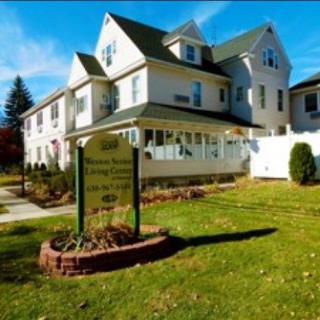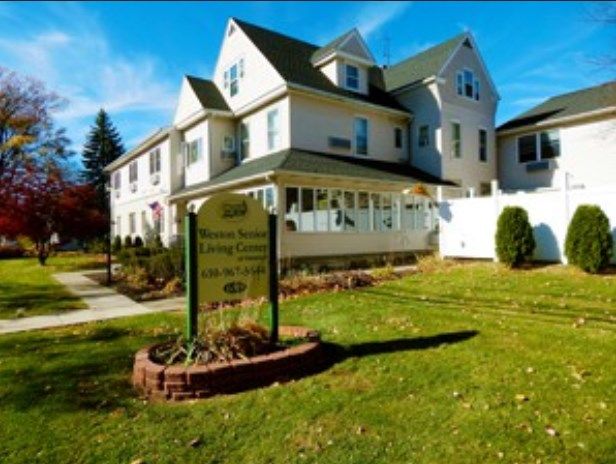
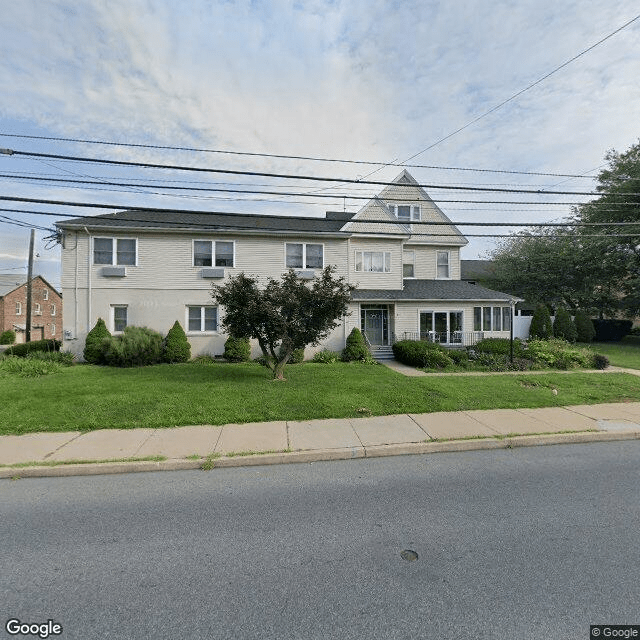
659 Broad Street, Emmaus, PA 18049
For more information about senior living options: (866) 208-4318
Weston Senior Living Center at Emmaus Costs & Pricing
Weston Senior Living Center at Emmaus offers competitive pricing for senior living compared to both Lehigh County and the broader Pennsylvania area. For a semi-private room, residents benefit from a cost of $2,250 per month, significantly lower than the county average of $3,741 and the state average of $3,542. Similarly, those seeking a studio can find value at Weston with a monthly fee of $3,300, which is also below the local county rate of $4,504 and slightly above the state average of $3,737. This positioning reflects Weston Senior Living's commitment to providing affordable care options while maintaining high standards of service and comfort for its residents.
| Floor plans | Weston Senior Living Center at Emmaus | Lehigh County | Pennsylvania |
|---|---|---|---|
| Semi-Private | $2,250 | $3,741 | $3,542 |
| Studio | $3,300 | $4,504 | $3,737 |
Assisted Living communities with a similar price nearby
-
from +$250 / mo
Hidden Meadows on the Ridge
$2,500 to $4,000 / month14.9 miles away -
from -$350 / mo
Walden III
$1,900 to $3,200 / month24.8 miles away -
from -$255 / mo
Whitehall Manor
$1,995 to $3,495 / month7.6 miles away -
from +$200 / mo
Sacred Heart Villa
$2,450 to $3,650 / month24.4 miles away -
from -$303 / mo

Wesley Enhanced Living Doylestown
$1,947 to $3,270 / month24.0 miles away
Overall Review of Weston Senior Living Center at Emmaus
Pros
 The staff seemed friendly.
Cons
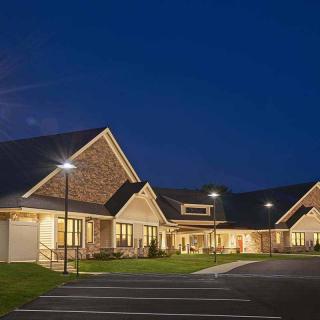
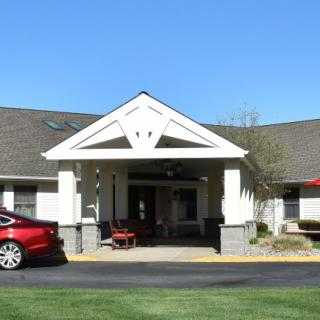
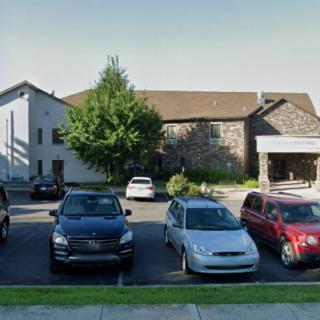
 The facility is old and small.
- It felt like being in a college dorm room.
- It is a house repurposed into a care community.
- There is no clear evidence that activities are offered.
- The reviewer fears a family member would get lost there.
- The new management has destroyed the place.
- A resident was left sitting in urine for over an hour while staff were outside.
- Concerns raised are brushed under the carpet.
- The new staff are unprofessional and not properly trained.
- The place should be shut down.
Review
Weston Senior Living Center at Emmaus is best suited for seniors who want a compact, home‑like setting and are comfortable with a straightforward, routine‑driven day. The community operates on a small footprint, which translates into more intimate interactions and less of the impersonal feel that can accompany larger campuses. For residents who prize personal attention from caregivers and a predictable schedule, this can be a workable choice. However, families should understand that the trade‑off is a modest array of amenities and programming, not a modern, resort‑style campus. Those seeking expansive activity calendars, diversified on‑site care services, or contemporary facilities will want to consider alternatives.
Several reviews highlight friendly, approachable staff as a real strength, with caregivers who are willing to engage residents on a personal level. The setting’s small size can foster a sense of belonging and make supervision more consistent, especially for someone who thrives on routine and familiar faces. Yet the same small, house‑like configuration can feel confining for residents who need more stimulation or who are prone to wandering, and it also raises questions about elective activities and social opportunities. Prospective families should verify whether the activity calendar exists and whether residents regularly participate in meaningful programs.
On the downside, the community is described as old and small, with a dorm‑like feel that may not meet expectations for a seasoned senior moving into assisted living. The most serious concerns center on safety and responsiveness: reports of a resident left in urine for an extended period, and allegations that concerns are brushed aside by new management. Two reviews allude to unprofessional, inadequately trained staff, suggesting a fracture between frontline caregivers and administrators. These issues point to real risk: delays in care, reduced dignity, and a climate where concerns about quality of care are not promptly addressed. The weight of these accounts cannot be dismissed.
The favorable elements, the personal staff rapport and intimate setting, do offer some mitigation when management and staffing are stable and attentive. A smaller home‑like environment can enable quicker, more personalized responses than a sprawling campus. However, the negative reports about management shifts and inconsistent training undermine those advantages. When there are serious concerns about neglect or slow response times, the positives lose their bite. In short, the pros help only insofar as a consistent, well‑supervised team remains in place, with a clear commitment to resident dignity and safety.
Families evaluating Weston should insist on seeing current activity offerings and a posted calendar, then probe how residents are engaged daily. Ask for a tour focused on safety features, daily routines, and how staff triage urgent needs. Speak with multiple residents or family members about responsiveness and incident handling, and request recent inspection or state records to verify compliance history. If memory care, fall prevention, or 24‑hour clinical oversight is essential, demand explicit assurances or consider alternatives with stronger operating history. A visit with a prepared checklist can reveal mismatches between promise and daily reality.
This community best serves an investor in a tightly knit, low‑stimulus living environment where caregiver warmth and routine matter most, and where the family is prepared to tolerate limited programming and potential management tensions. For seniors who require reliable oversight, robust activity programming, and fewer safety concerns, alternatives in the area deserve serious consideration. The key decision hinges on balancing the comfort of a small, personable setting against the reality of safety incidents and management reliability. When appropriate safeguards and transparent leadership exist, Weston can be a solid fit; when they do not, it becomes a fragile choice with real risk.
 60 resident community capacity
 Assisted Living
 Respite Care
 Activities off-site
 Air-conditioning
 Beautician on-site
 Cable or satellite TV
 Computer center
 Devotional services off-site
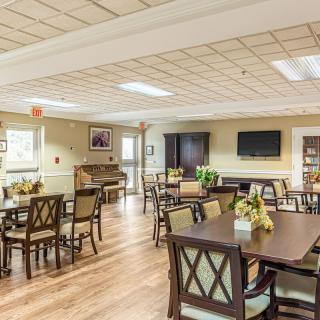
 Dining room
 Fitness room
 Fully furnished
 Gaming room
 Garden
 Housekeeping services
 Indoor common areas
 Kitchenette
 Move-in coordination
 Outdoor common areas
 Private bathrooms
 Restaurant-style dining
 Small library
 Telephone
 Wellness center
 Wi-Fi/high-speed internet available
 Lehigh Valley International (9 miles away)
 Community operated transportation
 12-16 hour nursing
 24-hour call system
 Ambulatory care
 Assistance with bathing
 Assistance with dressing
 Assistance with transfers
 Diabetes diet
 Diabetic care
 Medication management
 Mental wellness program
 Special dietary restrictions
 Concierge services
 Planned day trips



 Assisted Living and Memory Care: Understanding Their Core Differences
 Beyond the Bingo Hall: 50+ Enriching Activities for Seniors in Assisted Living
 Understanding the Distinctions: Assisted Living and Memory Care Explained