
Legacy Place Cottages in Allentown, PA
Save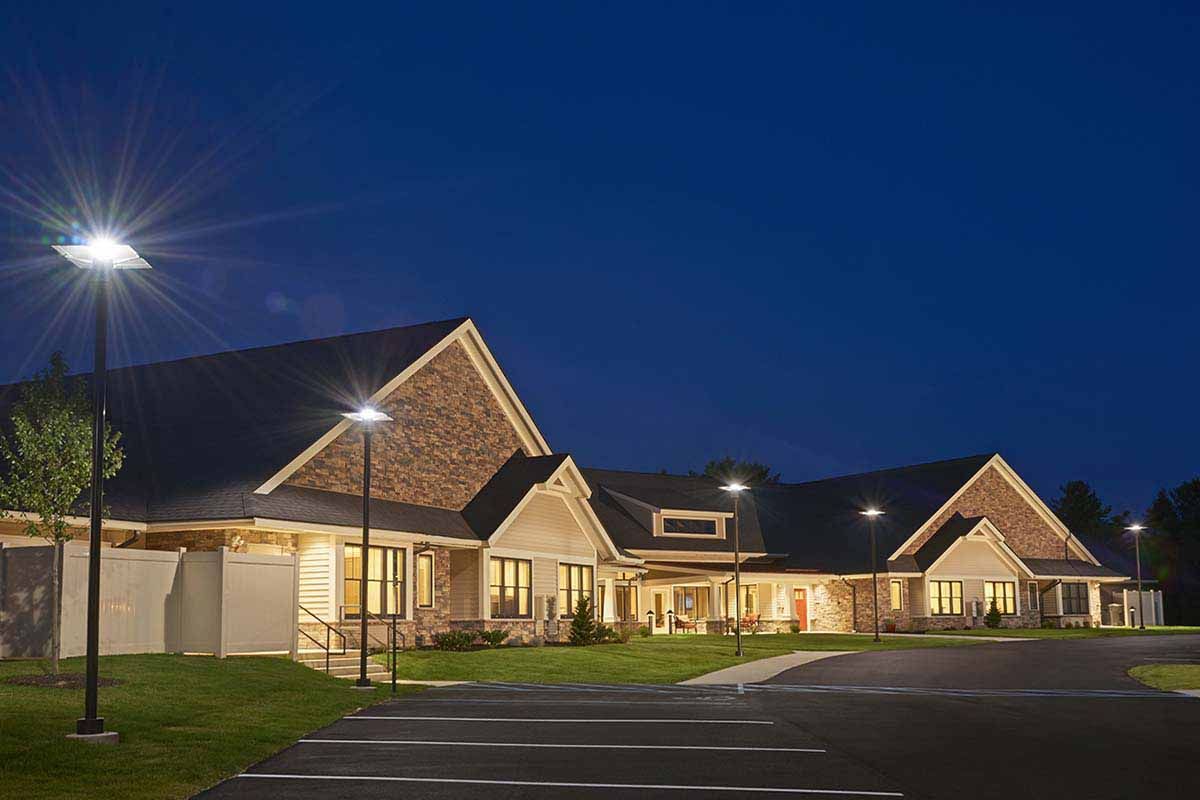

2051 Bevin Drive, Allentown, PA 18103
For more information about senior living options: (866) 208-4318
Overall Review of Legacy Place Cottages
Pros
 It has truly been a blessing to get to know the staff there.
- Dana is described as one of the nicest people and always shows compassion.
- The staff, facility, security, meals, and personal care are top notch.
- It is a place built by a Jehovah’s Witness for fellow witnesses, making it feel like home for those of the same faith.
- The environment is clean and welcoming, with residents and staff who love and serve Jehovah.
- It demonstrates that Jehovah truly takes care of his people.
- It is an excellent example of caring for seniors.
- It is the best place the reviewer has seen for the elderly waiting for the promised New World.
Cons
 Caretakers there do not belong in that career, and Shaneesha is cited as the poorest example of a caretaker.
 - The staff are described as mean to a mourning family, unhelpful, uncaring, and neglectful.
- The facility allegedly lied to the police, falsely accused the reviewer of theft, and harassed them.
- There are individuals at the facility who try to convert residents to their religion and pressure them to believe.
- The reviewer describes the experience as the worst of their life, causing significant stress and PTSD.
- The staff are accused of setting horrible examples.
Review
Legacy Place Cottages in Allentown, PA, is best suited for families seeking a small, faith-centered senior living option where a built-in religious community and a predictable daily rhythm can feel like home. The campus feels intimate, with a dedicated dementia-care building across the street that preserves familiarity while addressing memory needs. Residents and families who prize routine, structured meals, and regular spiritual engagement will likely find comfort in daily scriptures and accessible worship opportunities, coupled with a sense that care is a shared responsibility. Cleanliness and security are consistently praised, and several accounts describe attentive personal care from staff who know residents well. The combination of a high-end feel and a tightly knit community creates a strong sense of belonging for those aligned with its ethos, making it a compelling choice for worship-centered living and close-knit daily life.
Yet this community serves a particular demographic, and that matters in decision-making. Multiple reviews imply a Jehovah’s Witness–leaning environment, which can be a clear fit for JW families but may deter others seeking religious diversity or secular programming. Within that framework, some accounts describe care as inconsistent, with caregivers who seemed ill-suited to the role or overwhelmed by the pace of needs. Families report difficult interactions around grief, boundary setting, and expectations of religious engagement. There are also troubling anecdotes about miscommunications and, in one case, police involvement following mistaken identity. These contrasts underscore a real risk for non-Witness residents or visitors who expect a neutral setting in which personal beliefs are respectfully managed rather than foregrounded.
On the upside, the facility earns credibility for quality and tone. The environment feels organized and secure, with meals and personal care delivered with apparent care and reliability. The staff’s kindness is repeatedly highlighted, with particular individuals cited for compassion and consistency. The small size supports accountability, staff are more likely to know each resident’s preferences and routines, and it helps cultivate a family-like atmosphere. The campus’s structure, including a nearby dementia wing, supports transitions in care without uprooting residents. For families prioritizing dignity, privacy, and a calm, disciplined environment, the combination of clean facilities, good meals, and responsive caregiving can create a compelling case for Legacy Place as a premium option within a faith-oriented community.
However, the strongest caveat is inconsistency in staff experiences. Not every caregiver delivers the same level of support, and reviews describe instances of neglect or brusqueness during sensitive moments. When care falters, trust erodes quickly in a small community where individual interactions color overall impressions. Additional red flags include reports of miscommunication about residents’ care or boundaries and, in one troubling case, allegations tied to mistaken information that escalated to police involvement. These stories matter because they reveal how quickly a well-intentioned environment can feel unpredictable if supervision, training, and oversight are uneven. For families with high sensitivity to staff demeanor or with loved ones who require meticulous, compassionate oversight, this is a decisive factor.
Prudent families will conduct thorough due diligence to navigate these trade-offs. Ask leadership about staffing ratios, supervision, and how difficult interactions are debriefed and corrected. Request candid conversations about training on grief, memory care, and how residents’ beliefs are honored without coercion. Tour the dementia wing, review care plans, and insist on meeting frontline caregivers to gauge consistency and warmth. Seek references from current residents and families, and request examples of how conflicts or complaints have been resolved. Clarify what the community’s policy is on religious outreach and how boundaries will be maintained if a resident does not share the JW faith. Finally, align expectations with personal goals: if spiritual engagement and a tight-knit, faith-forward setting are non-negotiable, Legacy Place Cottages can be an excellent match; if neutrality and broader inclusivity are priorities, alternatives deserve consideration.
In sum, Legacy Place Cottages offers a focused, high-quality option for seniors whose priority is a small, faith-centered community with strong security and dementia-capable care. When those conditions match, families can expect routines, meals, and personal care that reflect shared beliefs and a disciplined, respectful atmosphere. Yet the caveats are significant: a religion-forward environment in a small setting heightens the impact of staffing fluctuations and boundary issues, and the possibility of uneven care experiences cannot be ignored. For families seeking a secular or more demographically diverse environment, or for those requiring a consistently flawless track record across all staff interactions, broader or larger communities may provide greater reassurance. The key is to actively verify care standards, boundaries, and oversight, ensuring that faith-based benefits do not eclipse respect for individuality and high-quality, person-centered care at all times.
Features
Housing
 30 resident community capacity
Types of Care
 Assisted Living
 Independent Living
 Memory Care
 Respite Care
Amenities
 Activities on-site
 Beauty salon
 Cable or satellite TV
 Devotional services off-site
 Dining room
 Fully furnished
 Garden
 Housekeeping services
 Indoor common areas
 Kitchenette
 Move-in coordination
 Outdoor space
 Restaurant-style dining
 Small library
 Telephone
 Wi-Fi/high-speed internet available
Transportation
 Lehigh Valley International (8 miles away)
Care Services
 24-hour call system
- 24-hour supervision
- Activities of daily living assistance
 Ambulatory care
 Assistance with bathing
 Assistance with dressing
 Assistance with transfers
 Diabetes diet
 Diabetic care
- Meal preparation and service
 Medication management
 Mental wellness program
- Mild cognitive impairment
 Special dietary restrictions
- Specialized memory care programming
Dining
- Diabetes diet
- Meals provided
- Special dietary restrictions
Activities
- Activities on-site
- Community-sponsored activities
- Devotional activities offsite
- Resident-run activities
- Scheduled daily activities
Description
Legacy Place Cottages in Allentown, PA is a premier assisted living community offering a range of care options including Independent Living, Memory Care, and Respite Care. Residents can enjoy a comfortable and fulfilling lifestyle with access to various amenities and services designed to promote overall well-being.
The community features a beauty salon where residents can pamper themselves, as well as cable or satellite TV for entertainment purposes. Devotional services off-site are available for those seeking spiritual fulfillment, while the dining room provides a social setting for delicious meals prepared by the community's staff. The cottages are fully furnished and offer housekeeping services to ensure a clean and comfortable living environment for all residents.
Indoor common areas create opportunities for social interaction, and outdoor spaces such as gardens provide a peaceful retreat. Each cottage includes a kitchenette for convenient personal meal preparation. Move-in coordination is provided to ease the transition into the community.
Residents have access to restaurant-style dining facilities where they can enjoy their meals with friends or family members. A small library offers an excellent selection of books, while telephone service and Wi-Fi/high-speed internet keep residents connected with loved ones.
Care services at Legacy Place Cottages include 24-hour supervision to ensure resident safety at all times. Trained staff members offer assistance with activities of daily living, ambulatory care, bathing, dressing, and transfers. The community provides specialized care for individuals with diabetes through specific diets and diabetic care programs. Medication management is also available to guarantee proper administration of medications.
A mental wellness program caters specifically to the cognitive well-being of residents experiencing mild cognitive impairment or memory-related conditions. Specialized memory care programming supports those requiring additional support in managing their memory loss conditions.
Legacy Place Cottages accommodates special dietary restrictions to ensure each resident's individual needs are met properly. Dining options include meals provided on-site with attention given to special dietary needs.
Engaging activities are an integral part of the community's lifestyle, with both community-sponsored activities and resident-run activities available. Devotional activities off-site can provide a spiritual connection, while scheduled daily activities keep residents active and entertained.
Additionally, Legacy Place Cottages is conveniently located near various amenities including cafes, parks, pharmacies, physicians' offices, restaurants, places of worship, theaters, and hospitals. This ensures easy access to a range of services and entertainment for residents and their families.
Overall, Legacy Place Cottages offers a nurturing and inclusive assisted living community where residents can live independently while receiving the care they need in a welcoming environment.
Videos
Nearby Places of Interest
This part of Allentown, Pennsylvania offers a variety of amenities and services that cater to the needs of seniors. With several cafes such as Starbucks and Panera Bread nearby, there are plenty of options for socializing or grabbing a quick bite to eat. In terms of healthcare, there are numerous pharmacies and physicians in close proximity, providing easy access to medication and medical services. Additionally, there are several hospitals within a few miles, ensuring prompt medical attention if needed. For those looking to practice their faith, there are multiple places of worship in the area. Parks like Macungie Memorial Park and Cedar Creek Park offer opportunities for outdoor recreation and relaxation. With theaters like AMC Center Valley 16 and Movie Tavern Trexlertown close by, seniors can easily access entertainment options as well. Overall, this part of Allentown provides a convenient and comfortable living environment for seniors searching for a vibrant community with access to essential services and activities.
Cafes
- Starbucks (0.4 miles)
- Starbucks (3.8 miles)
- Starbucks (3.9 miles)
- Starbucks (4 miles)
- Panera Bread (4.7 miles)
Restaurants
- McDonald's (0.7 miles)
- Perkins Restaurant and Bakery (2.5 miles)
- Gourmet Buffet & Grill (2.6 miles)
- Carrabba's Italian Grill (2.6 miles)
- TGI Friday's (2.6 miles)
- McDonald's (2.7 miles)
- Cali Burrito (3 miles)
Pharmacies
- GIANT Pharmacy (0.7 miles)
- CVS Pharmacy (1.4 miles)
- Cedar Care Pharmacy (1.7 miles)
- CVS Pharmacy (1.8 miles)
- Rite Aid (1.9 miles)
- CVS Pharmacy (2.8 miles)
- Walgreens (2.8 miles)
Physicians
- Joseph Kavchok Jr, MD (1.1 miles)
- Smile Krafters (1.6 miles)
- Pennsylvania Pain Management (1.7 miles)
- Valley Family Medical Center (1.7 miles)
- Fetzer-Clair Urology Associates (1.7 miles)
- St. Luke's Emaus Avenue Family Practice (1.8 miles)
- LVPG General, Bariatric and Trauma Surgery-1240 Cedar Crest (1.9 miles)
Hospitals
- Life Care Holdings (1.6 miles)
- Lehigh Valley Hospital - Mother/Baby Unit (1.9 miles)
- LVH Pediatric Unit (2 miles)
- Open Heart Unit (2 miles)
- Lehigh Valley Hospital (2 miles)
- Kaysch Pavilion (2 miles)
- St Luke's Hospital (3.1 miles)
Places of Worship
- St Thomas More Catholic Church (2 miles)
- Bethany United Methodist Church (3.3 miles)
- Christ Lutheran Church (3.4 miles)
- Dubbs Memorial Ucc (4.4 miles)
- City Limits Assembly of God (4.5 miles)
Parks
- Macungie Memorial Park (4 miles)
- Cedar Creek Park (4.3 miles)
Theaters
- AMC Center Valley 16 (4.4 miles)
- Movie Tavern Trexlertown (4.5 miles)
Frequently Asked Questions
Legacy Place Cottages is located at 2051 Bevin Drive, Allentown, PA 18103 in Lehigh County, Pennsylvania
The range of services offered at Legacy Place Cottages is specifically designed to address the unique needs of residents with dementia or Alzheimer's disease. Assistance with dressing and bathing helps preserve dignity while ensuring hygiene, which can be challenging for individuals experiencing cognitive decline. Medication management ensures that prescriptions are taken correctly and on time, reducing health risks associated with missed doses. Meal preparation and service provide balanced nutrition tailored to individual dietary needs, which is crucial for overall well-being. Activities of daily living assistance promotes independence in routine tasks, fostering a sense of accomplishment and purpose. With 24-hour supervision, residents receive constant care and safety assurance, allowing families peace of mind. The mental wellness program engages residents in meaningful activities that stimulate cognitive function, while specialized memory care programming offers tailored interventions that cater to the varying stages of memory impairment. Collectively, these features create a supportive environment that enhances quality of life for those coping with memory challenges.
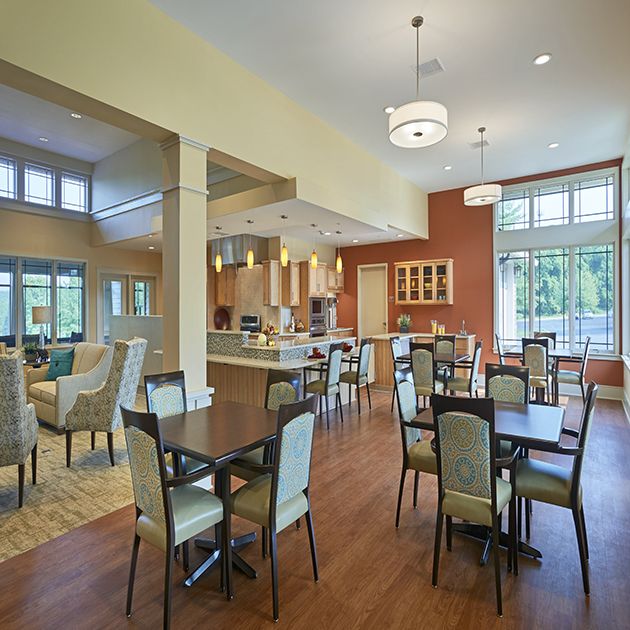
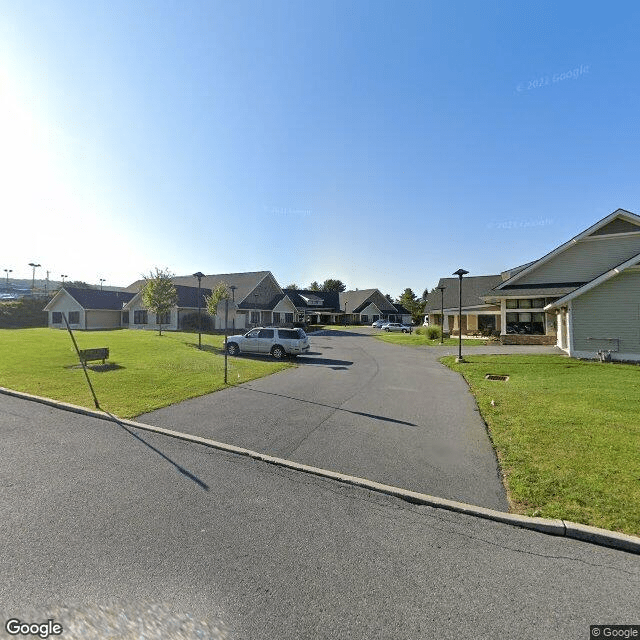
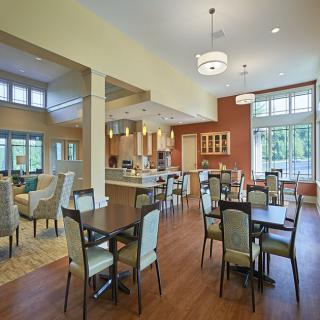
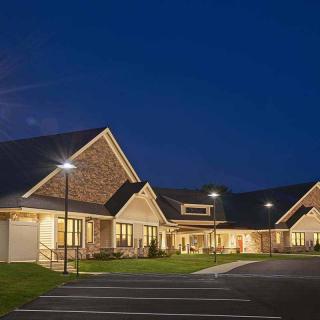
Legacy Place Cottages on seniors.fyi includes 4 photos including images showing interior, decor, building, lights, parking, architecture, dining, open space, and more.
Nearby Communities
-
DevonHouse Senior Living
Allentown, PA
$3,875 to $5,350 / month Attentive staff, clean environment, and varied activities. -

Above & Beyond Mountain View
Allentown, PA
Comprehensive memory-care with 24/7 supervision and on-site amenities. -
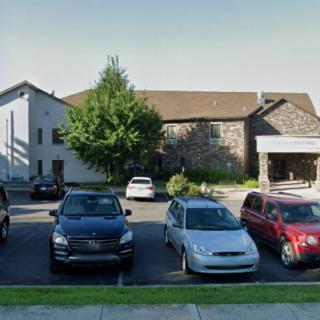
Abode Care of Allentown
Allentown, PA
$3,200 to $4,460 / month Friendly, attentive staff delivering thorough care with clear communication. -
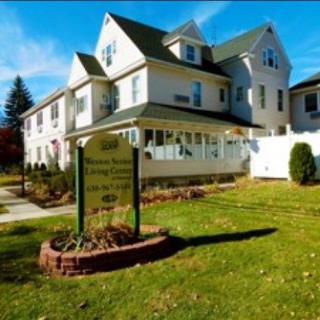
Weston Senior Living Center at Emmaus
Emmaus, PA
$2,250 to $3,300 / month Friendly, welcoming staff in a home-like setting that encourages family visits. -
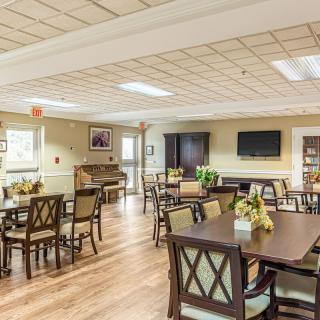
Rittenhouse Village at Lehigh Valley
Allentown, PA
$3,500 to $5,900 / month Compassionate staff who engage residents; clean, comfortable rooms; varied activities and dining. -
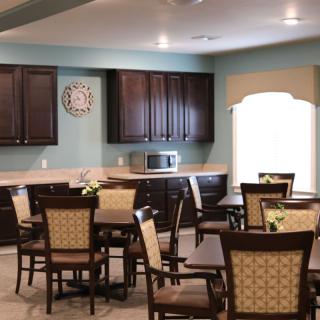
South Mountain Memory Care
Emmaus, PA
$6,450 / month Intimate, well-staffed memory care with personalized attention. -

Senior Helpers of the Lehigh Valley
Allentown, PA
Effective caregiver match with proactive support and prompt communication. -

BAYADA Home Health Care - Allentown
Allentown, PA
Consistently reliable and helpful nursing care. -
Episcopal House
Allentown, PA
Opportunity for improved management responsiveness and proactive maintenance.
Assisted Living in Nearby Cities
Related Resources
-
Dementia encompasses a range of cognitive impairments characterized by types such as Alzheimer's and vascular dementia, and follows a seven-stage progression model known as the Global Deterioration Scale (GDS), highlighting varying symptoms and decline timelines. Early detection allows for lifestyle adjustments to potentially slow progression, while caregivers need support and resources to manage the challenges involved in caring for affected individuals.
-
 A Holistic Dementia Care Guide: Effective Strategies for Memory Support
The guide on holistic dementia care outlines the complexity of dementia and stresses the need for individualized caregiver strategies that include medical treatment, psychological support, and environmental adaptations, while emphasizing early detection, various therapeutic options, and caregiver support to enhance quality of life and maintain dignity.
-
 Comprehensive Insights into Activities of Daily Living (ADLs) and Their Assessment
Activities of Daily Living (ADLs) are fundamental tasks vital for an individual's independence, particularly in older adults over 85, and include functions like bathing and dressing; assessing ADLs alongside Instrumental Activities of Daily Living (IADLs) helps determine the level of required assistance due to age-related health challenges. Tailored support plans, involving family and community resources, are essential for maintaining dignity and autonomy in assisted living environments.
 Understanding Dementia Through Its Seven Stages: A Comprehensive Look at Progression and Expectations
Legacy Place Cottages photos
×Interior
Decor

Building
Interior
Decor, Living Room, Television, Fireplace, and Seating Area
Dining, Windows, and Open Space
Building, Architecture, Parking, and Lights