Arbor Senior Living

Save
Arbor Senior Living Arbor Senior Living Arbor Senior Living Arbor Senior Living

Arbor Senior Living

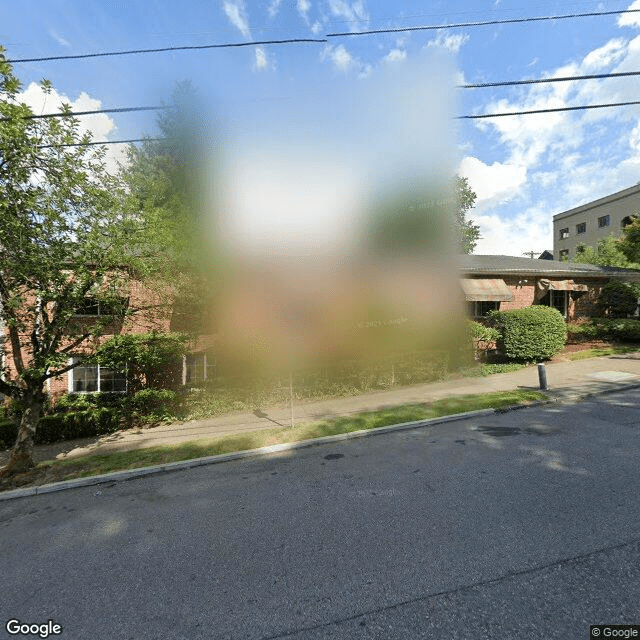
800 NW 25th Ave, Portland, OR 97210

For more information about senior living options: (844) 490-3973

3.3 from 10 reviews
5 stars
5
4 stars
1
3 stars
0
2 stars
0
1 stars
4

Memory Care

Arbor Senior Living Costs & Pricing

At Arbor Senior Living, the monthly costs reflect a premium offering compared to the broader market in Washington County and the state of Oregon. For a studio apartment, residents can expect to invest $6,500 each month, significantly higher than the county's average of $3,909 and the statewide figure of $3,815. Similarly, for those opting for a semi-private room, the cost at Arbor is set at $7,500 - again exceeding both local and state averages of $4,848 and $4,457 respectively. While these prices are at a premium level, they likely correspond to enhanced services and amenities designed to foster a quality living experience for seniors.

Floor plansArbor Senior LivingWashington CountyOregon
Studio$6,500$3,909$3,815
Semi-Private$7,500$4,848$4,457

What level of care are you interested in?

Assisted Living

Memory Care

Independent Living

Skilled Nursing Facility

Continuing Care Retirement Community (CCRC)CCRC

Other


Request a tour at Arbor Senior Living

    Overall Review of Arbor Senior Living

    Pros

    • pro The room was nice.
    • pro The staff were nice to him.
    • pro They allowed extra food to be stored for him and provided meals even when he couldn't eat anymore.
    • pro Recent improvements have been made and the care was good.
    • pro The establishment is fantastic all around.

    Cons

    • pro They won't be properly cared for.
    • pro The food was usually dried out or stale.
    • pro The management is sketchy.

    Review

    The collection of impressions about this care facility runs the gamut from cautious optimism to urgent warnings, painting a picture of a place that is clearly evolving but still faced with serious questions for potential families. On balance, the sentiments center on a common thread: progress is recognized, but the experience can feel uneven depending on whom you ask and what moment you visit.

    One line of feedback sets an optimistic tone, suggesting that the facility is still "getting there" and that, with time, the staff and operations will smooth out the wrinkles. "There getting there. Give them time and they'll smooth out the wrinkles," reads like a hopeful prognosis from someone watching the place grow and improve. It hints at visible effort and a belief that the organization is not yet perfect, but is heading in a positive direction with ongoing adjustments.

    In stark contrast to that tempered optimism, another review presents a blunt, cautionary verdict: "2 year update - Don't put anyone you care about here. They won't be properly cared for." This urgent warning signals deep concerns about the consistency and reliability of care, enough to discourage families from entrusting loved ones to the facility. The two-year mileage implied by that line makes the message feel like a persistence of problems rather than a resolved issue, emphasizing that for some, the risks outweigh the perceived benefits.

    A more personal account adds texture to the overall picture, detailing a family member who moved in after a hospital stay. The narrative is nuanced: the room was described as nice and the care as steady, with staff who were kind and attentive. Yet there was a persistent complaint about the food, characterized as often dry or stale. The reviewer notes that their father could not eat much by the time he arrived, which complicates the perception of the dining experience. Nevertheless, the facility showed flexibility and commitment: they allowed extra food to be stored for him, and meals were delivered to his room even as he declined eating. The reviewer also observes improvements over time and emphasizes that daily visits were part of the routine, with ongoing attention to his needs, including meal delivery to his room. This account suggests a facility that can provide compassionate, responsive care in certain respects, while also contending with persistent dietary quality issues.

    There is also a bright shout-out from another voice: "Fantastic establishment all around." This concise endorsement stands apart from the more nuanced observations, offering a positive verdict that everything felt right in most respects. It signals that, for at least some visitors, the experience is marked by strong positives - likely encompassing staff demeanor, environment, and general operations - enough to call the place fantastic in their view.

    Interwoven with the positive notes is a stark warning about management. The line "SKETCHY management - don't bring your family here" stands out as a clear, cautionary stance about leadership and organizational integrity. It elevates concerns beyond day-to-day care experiences and points to governance, policy consistency, or oversight as critical areas of worry for some families. This perspective suggests that even if individual interactions with staff are acceptable, there may be broader questions about how the facility is run and how it handles accountability and transparent communication with families.

    Taken together, the reviews present a multifaceted portrait of a care facility that is actively improving in some dimensions while facing substantial concerns in others. Positive experiences centered on kind staff, comfortable rooms, and the willingness of the team to adapt - such as allowing extra food to be stored for a patient and delivering meals to the room - coexist with ongoing reports of poor food quality and warnings about the reliability of care and governance. For families considering this place, the material suggests a need for careful, on-site evaluation: observe the care routines, ask explicit questions about food quality and meal planning, verify how management communicates with families, and assess whether improvements align with your expectations and the needs of your loved one. The range of experiences captured here makes it clear that the facility can be a good fit for some, while it may fall short for others depending on priorities and timing.

    Features

    Types of Care

    • Memory Care Memory CareMemory care is crucial for seniors as it provides specialized support and services for individuals with dementia or Alzheimer's disease. These programs offer a safe and secure environment where residents receive personalized care, cognitive stimulation, and help with daily activities. Memory care helps seniors maintain their independence, quality of life, and dignity while also providing peace of mind for their families.

    Amenities

    • Activities on-site Activities on-siteActivities on-site are important for seniors because they provide opportunities for socialization, mental stimulation, physical activity, and overall well-being. Engaging in activities can help seniors stay active, maintain their independence, and improve their quality of life.
    • Air-conditioning Air-conditioningAir conditioning is important for seniors as they are more vulnerable to heat-related illnesses and may have underlying health conditions that make it difficult for them to regulate their body temperature. It helps to keep them comfortable, safe, and healthy in hot weather.
    • Devotional services off-site Devotional services off-siteDevotional services off-site are important for seniors as they provide spiritual nourishment, social engagement, and a sense of community outside of the senior living facility. This can enhance overall well-being and help combat feelings of isolation and loneliness often experienced by older adults.
    • Garden view Garden viewGarden views are important for seniors as they provide natural beauty and tranquility, promoting relaxation and overall well-being. Access to green spaces can also encourage outdoor activity and socialization, enhancing physical and mental health.
    • Ground floor units Ground floor unitsGround floor units are important for seniors because they provide easy accessibility, reduced risk of falls and injuries, and convenience for those with mobility issues. Seniors can avoid climbing stairs or using elevators, making daily tasks and activities more manageable and enjoyable.
    • Handicap accessible Handicap accessible"Handicap accessible" amenities are crucial for seniors to ensure they can easily navigate and access facilities, services, and activities without barriers or limitations due to physical impairments. This promotes independence, safety, and inclusivity for seniors in senior living communities.
    • Indoor common areas Indoor common areasIndoor common areas are crucial for seniors as they provide a space for socialization, recreation, and community engagement, promoting overall well-being and reducing feelings of isolation and loneliness.
    • Outdoor common areas Outdoor common areasOutdoor common areas are important for seniors as they provide a space for socialization, physical activity, and relaxation. Being outside in nature can improve mood and overall well-being, while also encouraging movement and engagement with others. These spaces can help combat feelings of isolation and promote a sense of community among residents.
    • Respite or short term stays offered Respite or short term stays offeredRespite or short term stays provide seniors with a temporary solution when their regular caregiver is unavailable, offering them the opportunity to receive additional care and support during times of need, while also giving caregivers a chance to rest and recharge.
    • Wheelchair accessible showers Wheelchair accessible showersWheelchair accessible showers are crucial for seniors as they provide a safe and independent bathing option for those with mobility challenges. These showers help prevent falls and allow seniors to maintain their dignity and autonomy while ensuring they can bathe comfortably.

    Transportation

    • Portland International (7 miles away) Portland International (7 miles away)

    Care Services

    • Diabetic care Diabetic careDiabetic care is crucial for seniors as they are more susceptible to developing diabetes due to aging and other health conditions. Proper management of diabetes can help prevent complications such as heart disease, vision loss, and nerve damage, improving the overall quality of life for seniors in senior living communities.
    • High acuity care High acuity careHigh acuity care is important for seniors because it provides specialized medical attention and support for individuals with complex medical needs. This level of care ensures that seniors receive the appropriate treatment and assistance to maintain their health and quality of life as they age.
    • Incontinence care Incontinence careIncontinence care is essential for seniors to maintain their dignity, hygiene, and overall quality of life. By addressing incontinence issues promptly and effectively, seniors can enjoy a sense of independence and comfort in their daily activities.
    • Medication management Medication managementMedication management is crucial for seniors to ensure they are taking the right medications at the correct dosages and times. This helps prevent adverse drug interactions, reduces the risk of medication errors, and promotes overall health and well-being. Proactive management also allows for adjustments as needed based on changing health conditions or new prescriptions.

    Dining

    • Guest meals Guest mealsGuest meals are important for seniors living in senior living communities because they provide an opportunity for socialization and companionship. Sharing a meal with friends, family, or new acquaintances can help combat feelings of loneliness and isolation, promote a sense of community, and enhance overall well-being. Additionally, guest meals allow seniors to enjoy delicious food in a comfortable setting without the hassle of cooking or cleaning up, making dining a pleasurable and stress-free experience.
    • Low / no sodium Low / no sodiumLow/no sodium options are important for seniors because excessive sodium intake can lead to high blood pressure, heart disease, and other health issues commonly experienced by older adults. By choosing low/no sodium foods, seniors can better manage their health and reduce their risk of developing these conditions.
    • Meals provided Meals provided"Meals provided" are crucial for seniors in assisted living communities as it ensures they have access to nutritious, balanced meals without the stress of meal planning and preparation. This can help promote overall health and well-being for seniors who may have limited mobility or cognitive abilities.
    • Professional chef Professional chefProfessional chefs are important for seniors living in senior living communities because they provide nutritious and delicious meals that cater to their dietary needs and preferences. A professional chef can ensure that seniors are receiving balanced, flavorful meals that support their overall health and well-being.
    • Room service Room serviceRoom service is important for seniors in a senior living community because it provides convenience and allows them to have their meals delivered directly to their room. This can be especially beneficial for seniors who may have mobility issues or difficulty accessing the dining area. Room service ensures that seniors are able to receive nutritious meals without having to navigate through the facility, allowing them to maintain their independence and overall well-being.

    Activities

    • Art classes Art classesArt classes are important for seniors because they provide a creative outlet, improve cognitive function, reduce stress and anxiety, promote socialization, and enhance overall well-being and quality of life.
    • Bible study group Bible study groupBible study groups provide seniors with a sense of community, spiritual growth, and support during their later years. It helps them stay connected to their faith, find comfort in difficult times, and build meaningful relationships with others.
    • Book club Book clubBook clubs are important for seniors because they provide socialization, intellectual stimulation, and a sense of community. They offer the opportunity to engage in meaningful discussions, share perspectives, and connect with others who share a love of reading. Book clubs can also help seniors stay mentally active and combat feelings of loneliness or isolation.
    • Brain fitness Brain fitnessBrain fitness is important for seniors as it helps to maintain cognitive function, memory, and overall mental well-being. Engaging in activities that challenge the brain can help prevent cognitive decline and promote a healthier, more fulfilling quality of life in older adults.
    • Cooking classes Cooking classesCooking classes are important for seniors as they provide opportunities for social interaction, enhance cognitive skills, promote healthy eating habits, and boost confidence in the kitchen.
    • Devotional activities offsite Devotional activities offsiteDevotional activities offsite are important for seniors because they provide social engagement, spiritual growth, and a sense of community outside of their living environment. This can improve overall well-being, mental health, and combat feelings of isolation or loneliness.
    • Educational speakers / life long learning Educational speakers / life long learningEducational speakers and lifelong learning opportunities are crucial for seniors as they provide mental stimulation, promote social engagement, and contribute to overall well-being. Continuous learning helps seniors stay mentally sharp, build new skills, and maintain a sense of purpose and fulfillment in their lives. It also allows them to stay connected to the world around them and fosters a sense of community within senior living facilities.
    • Gardening club Gardening clubGardening clubs are important for seniors because they provide a sense of community, promote physical activity and mental well-being, and offer opportunities for socialization and connection with nature. Gardening can also improve cognitive function and overall quality of life for seniors.
    • Karaoke KaraokeKaraoke provides seniors with a fun and social activity that can boost mood, confidence, and cognitive function. It encourages social interaction, physical movement, and creative expression, making it an important form of entertainment for senior living communities.
    • Live musical performances Live musical performancesLive musical performances can provide seniors with a sense of joy, nostalgia, and connection. Music has the power to evoke emotions and memories, improve mood and cognitive function, and foster social interaction among seniors. It can also serve as a form of therapy and stress relief for older adults, making it an important activity to include in senior living communities.
    • Tai Chi Tai ChiTai Chi is important for seniors because it promotes balance, strength, flexibility, and mental relaxation. It can help prevent falls, improve mobility, and reduce stress and anxiety, making it an excellent form of exercise for older adults to maintain their overall health and well-being.
    • Trivia games Trivia gamesTrivia games are important for seniors because they provide mental stimulation, social interaction, and a fun way to keep the mind sharp. They can help improve memory, cognitive function, and overall well-being in older adults.
    • Yoga / chair yoga Yoga / chair yogaYoga and chair yoga are important for seniors as they promote flexibility, balance, strength, and overall wellbeing. These practices can help improve mobility, reduce stress, and enhance mental clarity, ultimately leading to a higher quality of life in their senior years.

    Description

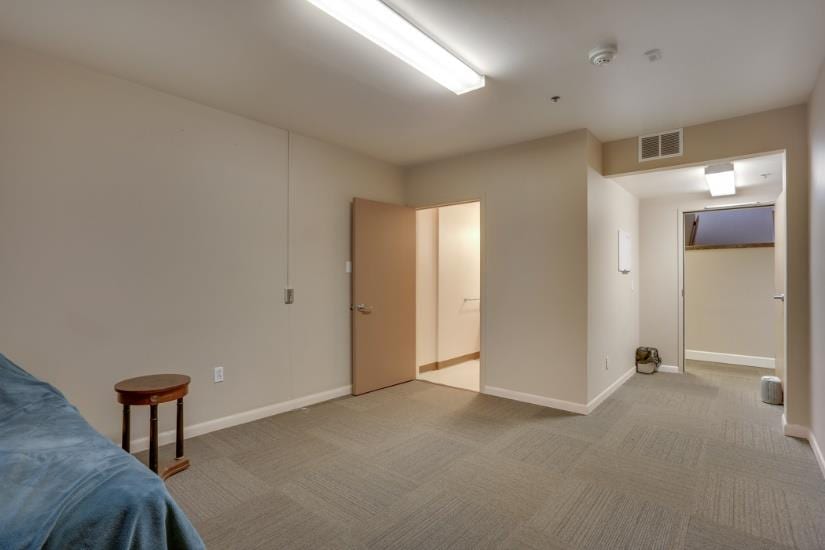
    Arbor Senior Living in Portland, OR is a vibrant and inclusive assisted living community that offers a wide range of amenities and services to ensure the comfort and well-being of its residents. The community features air-conditioned apartments with beautiful garden views, and ground floor units that are easily accessible for those with mobility challenges. Handicap accessible facilities and wheelchair accessible showers further enhance the accessibility of the community.

    Residents can enjoy spending time in the indoor and outdoor common areas, fostering a sense of community and providing opportunities for socialization. For those looking for spiritual fulfillment, devotional services are offered off-site.

    Arbor Senior Living also provides respite or short-term stays for individuals who may require temporary assistance or care. The high acuity care services make it an ideal choice for those in need of specialized care, while medication management ensures that residents receive their medications safely and on schedule.

    Dining at Arbor Senior Living is a delightful experience with low/no sodium options available. Meals are prepared by a professional chef and can be enjoyed in the dining area or through room service for added convenience.

    The community promotes an active lifestyle through various activities catered to individual interests and preferences. From Bible study groups to book clubs, brain fitness exercises to cooking classes, there is something for everyone to engage in. Residents can also participate in devotional activities offsite, attend educational speakers, join gardening clubs, showcase their singing skills through karaoke sessions, listen to live musical performances, practice Tai Chi or take part in trivia games and yoga/chair yoga classes.

    Conveniently located near multiple cafes, parks, pharmacies, physicians' offices, restaurants, transportation options including public transport stops nearby; Arbor Senior Living ensures easy access to everyday essentials as well as recreational opportunities. Additionally, there are places of worship and theaters within close proximity should residents wish to explore cultural or religious activities. In case of emergencies or medical needs, several hospitals are conveniently located nearby ensuring quick access to healthcare services.

    Arbor Senior Living in Portland, OR offers a warm and welcoming community for seniors seeking assisted living with exceptional amenities, personalized care services, and a variety of activities to enhance their overall well-being and enjoyment of life.

    Nearby Places of Interest

    This part of Portland, Oregon is a vibrant and diverse neighborhood with a variety of restaurants, cafes, pharmacies, and parks within close proximity. The area offers easy access to medical facilities, including hospitals and physicians' offices, ensuring that seniors have convenient healthcare options nearby. Additionally, there are transportation services available such as Amtrak and TriMet transit centers for those who may not drive. The neighborhood also has recreational opportunities with theaters and places of worship for social and cultural engagement. Overall, this area provides a mix of amenities and services that cater to the needs of seniors looking for a lively community with essential resources at their fingertips.

    Restaurants

    • Salt & Straw (0.2 miles)
    • Paymaster Lounge (0.7 miles)
    • 10 Barrel Brewing Portland (0.8 miles)
    • Von Ebert Brewing Pearl (0.9 miles)
    • Jake's Famous Crawfish (1 miles)
    • Deschutes Brewery Portland Public House (1 miles)
    • Teardrop Lounge (1 miles)

    Physicians

    • Good Samaritan Building 1 (0.3 miles)
    • Legacy Medical Group-Emanuel (2 miles)
    • To Summy Od Myoptic Optometry Dr Summy To Optometrist Portland (2.4 miles)
    • Legacy Medical Group (2.6 miles)
    • Harpers Playground (3.1 miles)
    • Family Medical Group, PC (3.6 miles)
    • Marshall, Katharine Providence Medical Group Saint Vincent (3.6 miles)

    Hospitals

    • Legacy Good Samaritan Medical Center (0.3 miles)
    • Legacy Emanuel Childrens Hospital (1.8 miles)
    • Shriners Hospitals For Children (1.9 miles)
    • Randall Children's Hospital (1.9 miles)
    • Legacy Emanuel Burn Center (1.9 miles)
    • Doernbecher Children's Hospital (2.2 miles)
    • Portland VA Medical Center (2.4 miles)

    Parks

    • Washington Park (0.4 miles)
    • Alberta Park (1.3 miles)
    • Overlook Park (1.7 miles)
    • Governor Tom McCall Waterfront Park (1.7 miles)
    • Irving Park (2.5 miles)
    • Terwilliger Playground (2.7 miles)
    • Colonel Summers Park (2.8 miles)

    Pharmacies

    • Walgreens (0.5 miles)
    • Fred Meyer Pharmacy (0.6 miles)
    • Safeway Pharmacy (0.8 miles)
    • CVS Pharmacy (0.9 miles)
    • Rite Aid (1 miles)
    • Rite Aid (1.3 miles)
    • CVS Pharmacy (1.6 miles)

    Cafes

    • King's Hookah Lounge (0.7 miles)
    • Starbucks (2 miles)
    • Dutch Bros Coffee (2 miles)
    • Coava Coffee Roasters (2.3 miles)
    • Peet's Coffee and Tea (2.5 miles)
    • Cyclemaster Coffee (3.4 miles)
    • Posies Cafe (3.8 miles)

    Transportation

    • Amtrak (1.2 miles)
    • TriMet Hollywood/NE 42nd Ave Transit Center (4 miles)
    • Sunset Transit Center (4 miles)

    Theaters

    • Regal Pioneer Place (1.4 miles)
    • Hollywood Theatre (4 miles)

    Places of Worship

    • St John Fisher Church (3.9 miles)

    Frequently Asked Questions

    How much does it cost to live at Arbor Senior Living in Portland, OR?
    Where is Arbor Senior Living?
    Does Arbor Senior Living provide care for residents with dementia or Alzheimer's disease?
    What photos are available for Arbor Senior Living in Portland, Oregon?

    Nearby Communities

    Related Resources

    • caregiver support group22 Remarkable Caregiver Support Groups Available Online and In-Person

      Caregiver support groups are crucial for providing emotional and practical assistance to those caring for loved ones, offering resources, coping strategies, and a sense of community through various organizations and platforms. These groups help alleviate isolation and burnout while addressing the unique challenges faced by caregivers of individuals with specific conditions.

    • does medicaid pay for assisted livingUnderstanding Medicaid Coverage for Assisted Living: A Comprehensive Guide

      The guide outlines the complexities of Medicaid coverage for assisted living, highlighting significant state-to-state variations, limited coverage often restricted to personal care services, and the existence of specialized waivers for certain needs like memory care. It advises families to consult local Medicaid offices for options while emphasizing the importance of understanding state-specific regulations and facility policies.

    • does medicaid pay for assisted livingHow and When Medicaid May Cover Assisted Living Costs
      Medicaid coverage for assisted living varies by state and is primarily available to low-income individuals, with eligibility dependent on strict income and asset limits. Some states offer HCBS waivers for specific services in assisted living, but families must generally cover room and board costs, and should verify facility acceptance of Medicaid while considering potential waiting lists.


    Get Pricing Ask A Question Schedule A Tour Contact Senior Advisor