
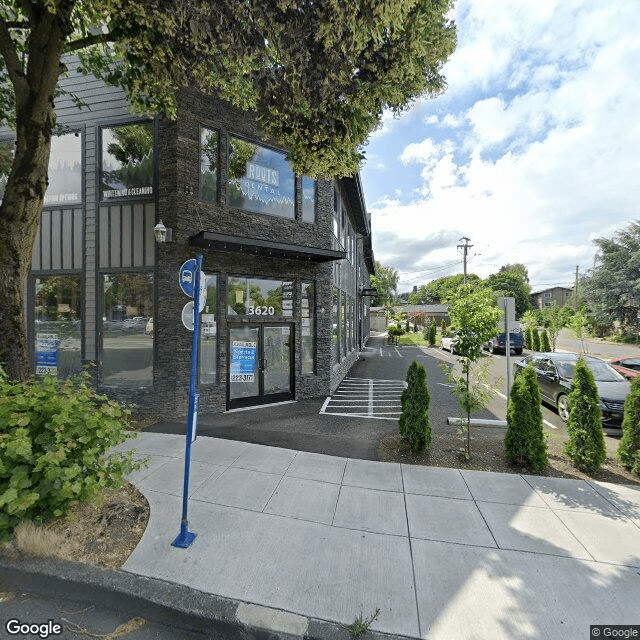
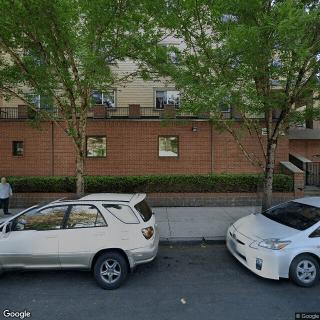
3620 SE Powell Blvd Suite 202, Portland, OR 97202
To contact a resident: (503) 892-1189
For more information about senior living options: (866) 208-4318
Overall Review of Senior Helpers - Portland West
Pros
 Senior Helpers of Portland appears to be a fine company.
- The owner treats employees well, provides training, performs background checks, and conducts thorough interviews for client care.
- They periodically drop by to check on caregivers and clients, which helps keep staff on their toes.
- Caregivers are enthusiastic, nice, and capable.
- Scheduling has been reliable, with no issues of lateness or no-shows.
- The current caregivers are a good fit and provide consistent care.
- The director is personable, helpful, and resourceful, arranging care for evenings or overnight as needed.
- Overall, the experience with Senior Helpers has been very positive.
Cons
 The caregiver seemed a little young and didn't quite pick up on the mom's level of dementia.
- The service did not work out because the wife needed more care than they were able to provide.
- Their continuity in care is not very good and they lack consistency.
- Initially, the company sent caregivers who didn't work out.
Review
Senior Helpers - Portland West is best suited for families seeking dependable in-home support that can keep a loved one living at home with a strong emphasis on caregiver screening, hands-on management, and flexible scheduling. The community functions well for seniors who need help with daily tasks, companionship, and moderate dementia care, where a local, owner-involved operation provides reassurance through thorough interviews, ongoing supervision, and attentive client contact. It is especially appealing when the goal is to avoid abrupt caregiver turnover and to have a hands-on point of contact who can intervene quickly if issues arise. Those who want a more clinical, 24/7 nursing-based setup or a highly specialized memory-care environment, however, should consider alternatives such as licensed assisted living or dedicated memory-care facilities.
The strongest positives here center on leadership and the quality controls that shape every caregiver assignment. The owner is praised for how they treat staff, implement training, and conduct background checks, with practices in place that include random visits to assess caregiver performance. This level of oversight translates into a consistently professional atmosphere and a sense that care plans are taken seriously. Families consistently report responsive communication, the ability to arrange care on short notice, and a workflow that keeps the line of communication open. In practice, these strengths help counterbalance the inherent challenges of home care, making it possible to keep a loved one in a familiar setting without sacrificing accountability or follow-through.
Caregiver continuity is the main point of friction, and it’s the dimension where the experience becomes uneven. Several reviews note that initial placements can feel trial-and-error, with caregivers who don’t quite fit or who don’t stay long enough to establish routine. One caregiver was described as younger and not fully attuned to a relative’s dementia, and another reviewer pointed to a lack of consistency in who visits, which can be disruptive to the care rhythm. Yet these same families often observe that the director or owner steps in quickly to re-match staff, and that when a good match lands, such as the consistently praised caregiver who helped a father adjust at home, the benefits are substantial and tangible.
Despite the bumps, the outsize value of leadership-driven care and thoughtful placement often offsets the downsides. The same hands-on management that screens and trains staff also stays engaged, addressing issues promptly and leveraging a network that can supply replacements or adjustments without leaving the family adrift. The ability to secure care on short notice, maintain scheduling reliability, and secure overnight or extended coverage demonstrates practical resilience. When a caregiver truly fits, the result is smoother daily routines, a greater sense of stability for the client, and a reduced burden on family members who otherwise would have to coordinate complex caregiving schedules.
For families evaluating this agency, several concrete steps translate past the abstract strengths and weaknesses into a clear decision path. Ask for detailed caregiver profiles and a plan for how mismatches are resolved, including the expected timeline for replacements. Inquire about trial periods or phased introductions to establish compatibility before committing long term. Confirm the backup plan for holidays, illnesses, or sudden changes in need, as well as how overnight or live-in arrangements would be handled. Request examples of how dementia-specific training is delivered and assessed, and verify the communication cadence with the office, including how progress notes are shared. These practical questions separate the confident, capable matches from the uncertain ones.
Ultimately, Senior Helpers - Portland West offers a robust option for families prioritizing leadership, thorough screening, and the ability to keep a loved one at home with dependable supervision. The program is well suited for those who value quick problem resolution, meaningful caregiver matches over time, and a responsive owner who stays involved. It may not be the best fit for families requiring absolute, unwavering caregiver consistency from the first week onward or for clients with very high medical acuity that demands round-the-clock nursing oversight. When these considerations align, this community presents a pragmatic, experienced pathway to extended home living with a trusted partner at the helm.
 Cats allowed
 Dogs allowed
 Portland International (6 miles away)




 Recognizing the Journey: Understanding and Navigating Anticipatory Grief
 Encouraging Participation in Adult Day Care: A Guide to Supporting a Hesitant Parent
 Comprehensive Exploration of Living Wills and Other Advance Directives