
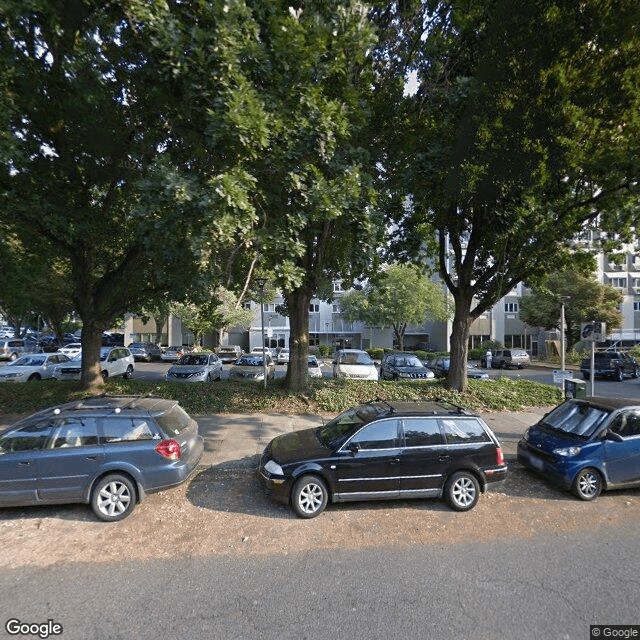
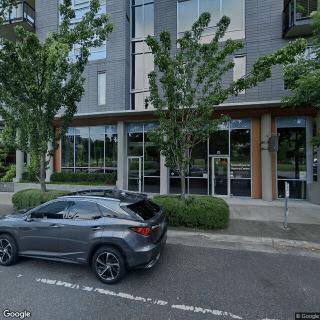
2020 NW Northrup St, Portland, OR 97209
To contact a resident: (503) 225-0677
For more information about senior living options: (866) 208-4318
Marshall Union Manor Costs & Pricing
Marshall Union Manor offers an exceptionally affordable housing option, with its one-bedroom units priced at just $582 per month. In contrast, the average costs for similar accommodations in Multnomah County soar to approximately $3,402, while the statewide average in Oregon reaches around $3,904. This significant discrepancy highlights Marshall Union Manor's position as a cost-effective choice for individuals seeking quality living without the financial strain often associated with housing in the broader region. By providing accessible pricing within a supportive community environment, Marshall Union Manor stands out as a viable solution for those looking to balance their budgetary constraints with their housing needs.
| Floor plans | Marshall Union Manor | Multnomah County | Oregon |
|---|---|---|---|
| 1 Bedroom | $582 | $3,402 | $3,904 |
Senior living communities with a similar price nearby
-
from -$68 / mo
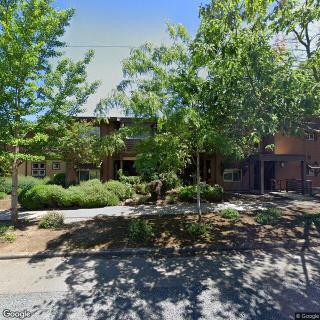
Bridge Meadows
$514 to $591 / month3.8 miles away -
About the same
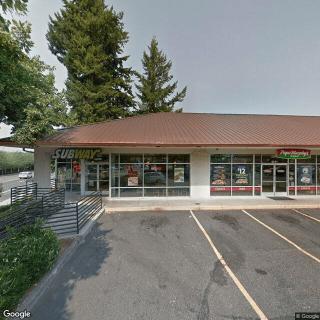
Village Retirement Center
$565 to $782 / month10.8 miles away -
About the same
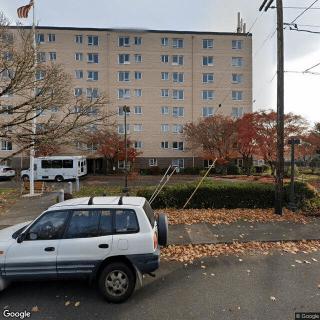
Kirkland Union Manors
$565 to $712 / month6.2 miles away -
About the same
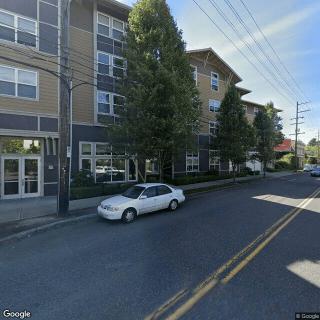
Sacred Heart Villa
$595 to $1,075 / month3.2 miles away -
from +$100 / mo

Assumption Village
$682 to $1,082 / month4.7 miles away
Overall Review of Marshall Union Manor
Pros
 The building is exceptional, especially for the area.
- The property and building are very well kept and maintained.
- The tenants are friendly and seem pleased to live there, as indicated by long-term leases.
- Rent is standard for the area and times.
- It is a great place to retire in the city, with little exposure to crime and grime.
Cons
 The building should more aggressively enforce its smoking policy, including unscheduled spot checks on residents who smoke in their units.
- The staff are described as unprofessional and rude, raising concerns about their training and treatment of elderly residents.
- Littering broken glass into the street is a hazard to the community, and the reviewer says the responsible party does not care, with a police report filed.
- The trash collectors are blamed for leaving broken glass in the same spot, which the reviewer calls extremely irresponsible and disrespectful to the community.
- The complex uses extremely loud gas-powered leaf blowers for hours on end several days a week, a noise the reviewer finds aggravating and suggests replacing with electric blowers.
Review
Marshall Union Manor in Portland is best suited for older adults who want urban convenience, solid building maintenance, and predictable housing costs without demanding high-touch care. The property is well kept and there is a noticeable sense of stability among long-tenured residents. For seniors who value a straightforward, no-frills living arrangement in a city setting, where daily life revolves around routines rather than resort-like amenities, this community delivers reliability. Rent is in the neighborhood of other urban options, making it a practical choice for fixed incomes that prioritize cost control over luxury features or extensive on-site services.
Those who should consider alternatives are those who depend on consistently courteous management, and expect a noiseless or nearly noiseless outdoor environment. Several reviews flag a pattern of staff rudeness and what appears to be insufficient customer-service training, a serious red flag for families seeking a respectful, responsive on-site team. Additionally, the property’s enforcement of smoking rules in units and common areas, paired with calls for unscheduled spot checks, could create ongoing tension and a sense of vigilance that is uncomfortable for residents and visitors alike. For anyone prioritizing a warm, welcoming management culture, this is a critical criterion to scrutinize.
On the positive side, the complex’s strength shows up in its maintenance and the living environment. The grounds and building are described as well kept, and residents are reportedly friendly with many staying long-term. This suggests a community where independent living can feel steady and predictable, with fewer disruptions from neglect or chaotic landscaping. The urban location also offers practical advantages: access to services, transit, and amenities that matter to seniors who want to preserve independence without relocating far from the city they know. These factors can translate into real quality of life when paired with respectful everyday interactions.
However, the main drawbacks are tangible enough to offset those advantages for many. The smoking policy enforcement tension, potential spot checks for residents who smoke, poses a policy dispute that can erode trust and comfort. Noise from landscaping practices, particularly gas-powered leaf blowers used for extended periods during autumn, becomes a persistent irritant for nearby residents. Add to that concerns about littering and glass hazards around the street and sidewalks, and the overall sense of safety and calm can be compromised. Taken together, these issues don’t derail the community, but they substantially limit its appeal for households prioritizing quiet, predictable routines and a friction-free living environment.
In deciding whether Marshall Union Manor fits, the balance tilts toward those who can tolerate a practical, middle-ground living situation and who do not require a high level of staff interaction or care. The clean, well-maintained building and the stability of long-term neighbors count for a great deal, particularly for independent seniors who can manage daily routines with minimal guidance. Yet the cons, particularly inconsistent staff behavior, aggressive enforcement of smoking rules, and loud landscaping noise, can dominate daily life for residents sensitive to interpersonal dynamics or noise. Prospective residents should size up personal tolerance for management style, noise levels, and safety practices before committing.
Actionable next steps include asking for a frank conversation with the manager about staff training, turnover, and service expectations; requesting specifics on how smoking enforcement is implemented and how complaints are handled; and inquiring about landscaping practices, including whether electric blowers are used or whether noise reduction plans exist. It is also wise to visit during different times of day to gauge noise and traffic around the grounds, and to inspect safety around pedestrian areas to assess any hazards from litter or glass. If these questions yield unresolved concerns, or if the priority is a community with consistently courteous staff and a quieter exterior, alternatives, especially those offering enhanced on-site care or more predictable service levels, should be pursued.
 Active Adult Communities (55+)
 Portland International (6 miles away)

 Exploring Nonmedical Home Care: Understanding Services, Costs, and Financial Approaches
 Engaging Brain Games and Innovative Apps to Keep Senior Minds Active
 Effective Strategies for Keeping Seniors' Minds Active: A Deep Dive into Brain Games and Apps