
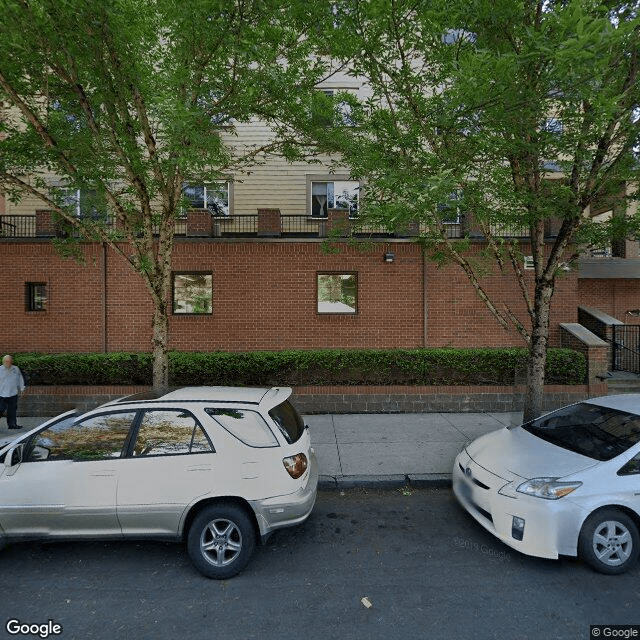
420 Ne Mason, Portland, OR 97212
To contact a resident: (503) 546-9292
For more information about senior living options: (866) 208-4318
Overall Review of Providence Elderplace In Irvington Village
Pros
 Irvington Village Assisted Living does a good job of serving seniors.
- The apartments are clean.
- There is a wide variety of activities and meal choices.
- The building accepts Medicaid as payment to live there.
- The community feels nice and homey, not corporate.
- It is a really nice place with wonderful people.
Cons
 The food at Irvington Village is not very good, though that’s expected in a facility serving so many people.
Review
Providence Elderplace in Irvington Village is best suited for seniors who want a homey, community-centered living experience with practical affordability and straightforward support. The setting appeals to residents and families who value a non-corporate feel over luxury branding, and who are seeking stability through predictable programming and a strong social fabric. The Irvington Village location in Portland offers a neighborhood vibe where staff and neighbors commonly contribute to a welcoming, down-to-earth atmosphere rather than a glossy, hotel-like environment. Key strengths center on daily life that emphasizes connection: clean apartments, a varied slate of activities, and a menu lineup that accommodates different preferences. Importantly, the facility accepts Medicaid, which makes long-term residence accessible to seniors whose funding relies on government programs. This combination of practicality, warmth, and cost-accessibility marks a clear fit for those prioritizing value and companionship over prestige.
Certain priorities point toward exploring alternatives. Dining matters here; one reviewer notes the food isn’t very good, a concern for residents who equate mealtime with comfort. For families seeking a more polished, hotel-like atmosphere or a facility that markets premium finishes, Providence Elderplace may feel too down-to-earth. Those needing specialized medical services or a fast-paced, highly structured program may find other communities that emphasize medical integration more aligned with expectations. The strengths, affordability and sociability, support a simpler environment that might not satisfy everyone’s taste for refinement or intensive clinical support. The trade-off is clear: value and community versus polish, with Medicaid compatibility remaining a decisive advantage for budget-conscious families.
On balance, the strong social fabric and practical supports offset dining shortcomings. Clean apartments provide relief for families worried about upkeep, and a wide array of activities offers meaningful engagement that supports well-being. Medicaid acceptance is not cosmetic; it translates into real access and reduces financial stress, enabling long-term residence without fear of escalating costs. The homey, non-corporate vibe helps residents feel respected and connected, countering institutional stiffness. In short, the main drawback, dining quality, does not derail overall value when the living environment prioritizes community, consistency, and affordability.
Positive indicators include a personable atmosphere and approachable residents, an impression supported by phrases like "wonderful people" and "homey." This personal touch can offset the lack of luxury amenities by fostering safety and belonging. The scope of activities and flexible meal options creates routine and social safety nets that sustain independence longer. Medicaid compatibility remains a meaningful pro for families navigating long-term planning. The potential downside, mealtime quality, must be weighed against these anchors: social integration, predictable costs, and a lived-in environment where residents feel seen. Taken together, the package offers a practical balance for those prioritizing daily life quality over cosmetic polish.
Even with a modest rating of 4.2 out of 5 from five reviews, Providence Elderplace shows consistency in delivering what matters to many families. The mix of favorable notes suggests solid satisfaction, though dining quality emerges as a recurring caveat. Given the small sample, tours should probe specifics: current menu options, activity calendars, and conversations with residents about day-to-day life. The Medicaid process deserves scrutiny to understand qualification and ongoing coverage. The home-like setting and non-corporate culture should be weighed against personal priorities; if gourmet dining or a robust clinical escalation path are essential, alternatives may be preferable. The rating indicates reliability for many, but not universal appeal.
Bottom line: Providence Elderplace in Irvington Village is a practical option for seniors seeking social engagement, clean living spaces, and affordable care under Medicaid in a Portland context. It suits residents who want a warm, homey milieu with predictable programming and a built-in support network. Families should consider this option when community, affordability, and a less corporate atmosphere matter most. Those prioritizing high-end dining or upscale amenities, or seeking intensive medical services, should evaluate other communities with stronger culinary reputations or clinical offerings. A practical approach is to schedule face-to-face visits, request menus, and join several activities to gauge fit. With careful assessment, Providence Elderplace can be a solid match for the right senior, delivering dignity, connection, and value in equal measure.
 Assisted Living
 Activities on-site
 Devotional services off-site
 Indoor common areas
 Portland International (4 miles away)
 Ambulatory care
 Diabetic care
 Meals provided




 An Extensive Exploration of the VA Aid and Attendance Benefit
 Senior Transition Services: Understanding Their Role, Cost, and Importance
 Exploring the Path to Senior Living: A Comprehensive Look at Independent Living and Assisted Living