
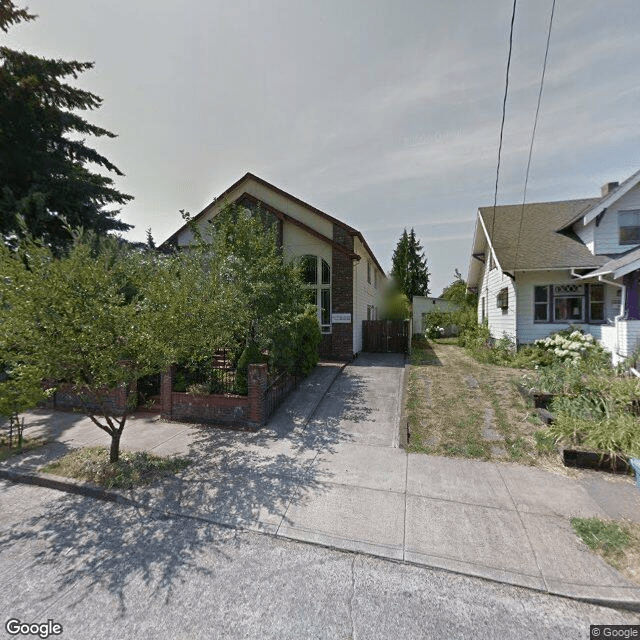
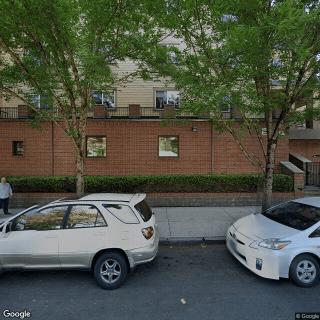
4331 Northeast 18th, Portland, OR 97211
To contact a resident: (503) 537-8750
For more information about senior living options: (866) 208-4318
Golden Years Residence Costs & Pricing
Golden Years Residence offers competitive pricing for its private rooms at $3,000 per month, making it an appealing option compared to the average costs in both Multnomah County and the wider Oregon state. In Multnomah County, the monthly rate for similar accommodations averages around $3,227, while the statewide average climbs to approximately $3,424. This positioning not only highlights Golden Years Residence as a cost-effective choice but also underscores its commitment to providing quality care without compromising affordability in a market where expenses can vary significantly.
| Floor plans | Golden Years Residence | Multnomah County | Oregon |
|---|---|---|---|
| Private | $3,000 | $3,227 | $3,424 |
Senior living communities with a similar price nearby
-
About the same
A Piece of Heaven
$3,000 / month9.2 miles away -
from -$500 / mo
Mapleview Manor, LLC
$2,500 / month9.5 miles away -
About the same
Yamhill Senior Care Home
$3,000 / month7.5 miles away -
About the same
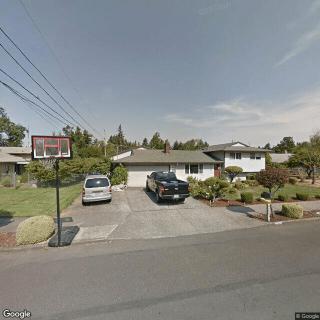
Peaceful Lighthouse Adult Care Home
$3,000 / month9.3 miles away -
from +$500 / mo
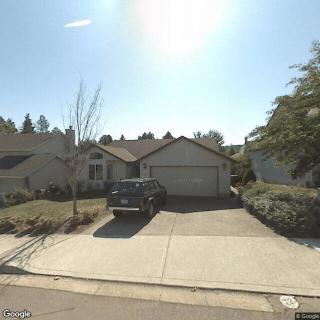
Fulga's ACH
$3,500 / month11.5 miles away
Overall Review of Golden Years Residence
Pros
 The facility is nice.
- The staff are very caring and patient with residents.
- They are very welcoming.
- It is a lovely home.
- It seems like the nicest place, with a private bath and deck and a warm environment.
Cons
 Nice place but no room available for male memory care patient.
- unfurnished - would need a bed
Review
Golden Years Residence in Portland is best suited for families seeking a small, home-like care setting where warmth, patience, and highly individualized attention are the default. It is especially appealing to families with a resident who is female and who may benefit from memory care or assisted living in a nurturing, caregiver-driven environment. The reviews describe a warm, welcoming culture led by attentive caregivers, and the setting feels more like a private residence than a hospital corridor. However, a critical constraint to plan around is that the community operates as a women-only residence, with no room for male memory care patients. Rooms are unfurnished, meaning families must supply furnishings and a bed, which is a meaningful budgeting and logistics consideration.
The strongest positives revolve around the human touch. Caregivers are consistently described as caring, patient, and there when needed, with families feeling supported through difficult moments and transition periods. The atmosphere is repeatedly characterized as welcoming and intimate, a place where staff genuinely attends to a loved one’s daily needs and emotional well-being. The private baths and, when available, private decks contribute to a sense of personal space within a warm, home-like environment. The combination of a small, homelike layout with a compassionate staff creates a level of individualized attention that is hard to find in larger communities, and several reviewers express high satisfaction and strong recommendation as a result.
Yet the setting carries clear drawbacks that limit who should consider it. The lack of male residents or male memory care capacity means it is not suitable for families seeking co-ed housing or male-specific memory care options. The residence appears to host a very small community, four ladies in one account, so social variety and activity options may feel limited compared with larger campuses. The unfurnished rooms, while offering the chance to personalize, place the onus on families to furnish and purchase bedding and furniture, adding upfront effort and expense. A few reviewers also signaled that the house itself didn’t win everyone over, suggesting that for some potential residents the layout or aesthetic might not match expectations for a care setting.
Despite these concerns, the core advantages can offset many of the drawbacks when aligned with the resident’s priorities. The highly attentive caregiving model helps families feel confident in daily care, supervision, and responsive communication during challenging times, which can be decisive for memory-related needs or end-of-life planning. The homey vibe and gender-specific environment may reduce agitation and confusion for women who thrive in a familiar, familial atmosphere. The private bath and deck options add dignity and privacy that families often seek, reinforcing the sense of a respectful, individualized living arrangement. When a family’s priority is tenderness and steady, daily companionship rather than a clinical, larger-scale operation, Golden Years Residence can deliver meaningful peace of mind.
For families weighing options, the practical steps are clear. If the resident is a woman who benefits from gentle, consistently warm caregiving and you want a small, intimate setting, a visit is worth scheduling to confirm fit, confirm room details, and gauge overall comfort. If male memory care, co-ed needs, or a furnished, turnkey room are non-negotiables, alternative communities in Portland should be explored. Pricing conversations are essential, given the unfurnished status of rooms and the potential start-up costs to furnish a private space. Ask about waitlists for memory care, discuss what services are included, and verify the level of clinical support available to ensure it matches the resident’s needs and family expectations.
In the final assessment, Golden Years Residence stands out as a confident choice for families seeking a caregiving-first, intimate, women-oriented environment where staff diligence and a warm culture can translate into meaningful quality of life. It is not a universal solution: it is best suited for female residents who can thrive in a small, home-like setting with private space and a high-touch caregiver model, and where furnishing the room is part of the transition plan. For families requiring male residents, male memory care, or a more conventional furnished layout with broader social options, alternatives should be pursued. A well-timed visit, clear pricing, and candid conversations about resident preferences will determine whether this community becomes a lasting, supportive home or a stepping stone toward a different layout.
 Board and Care Home
 Activities off-site
 Beautician on-site
 Devotional services on-site
 Indoor common areas
 Outdoor common areas
 Private
 Private bathrooms
 Respite or short term stays offered
 Wheelchair accessible showers
 Portland International (3 miles away)
 Ambulatory care
 Diabetic care
 High acuity care
 Incontinence care
 Medication management
 Kosher



 Comprehensive Look at Senior Blood Pressure Charts: Normal and Elevated Levels by Age
 Top Canine Companions for Older Adults
 Comprehensive Guide to Blood Pressure Charts for Older Adults: Understanding Normal and High Readings by Age