
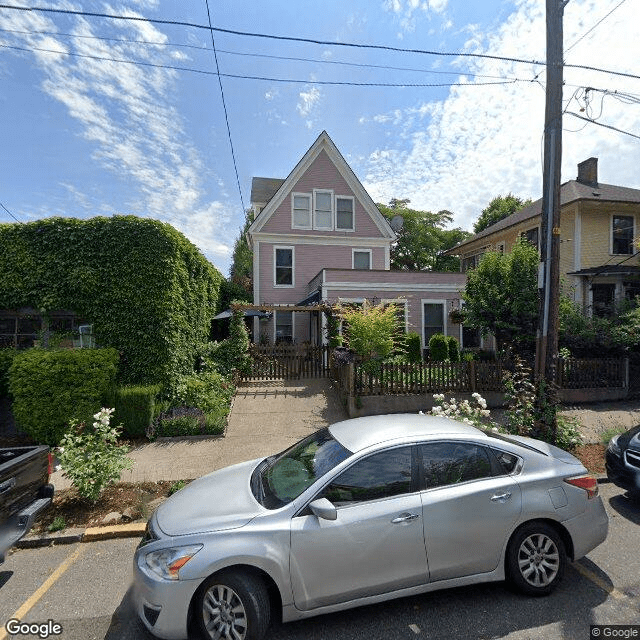
1720 NW 27th Ave, Portland, OR 97210
To contact a resident: (503) 799-9225
For more information about senior living options: (866) 208-4318
Autumn Days Costs & Pricing
At Autumn Days, the monthly cost for a private room is set at $3,500. This figure reflects the premium services and amenities offered by our facility. When comparing this rate to others in Washington County, where the average cost for a similar room is approximately $3,261, and across the broader state of Oregon at $3,424, it becomes evident that Autumn Days positions itself slightly above these benchmarks. This pricing aligns with our commitment to providing exceptional care and a personalized living experience that goes beyond standard offerings in the region. Ultimately, we believe that the value we provide justifies our pricing and contributes to a supportive and enriching environment for our residents.
| Floor plans | Autumn Days | Washington County | Oregon |
|---|---|---|---|
| Private | $3,500 | $3,261 | $3,424 |
Senior living communities with a similar price nearby
-
from +$300 / mo
The Inn at University Village
$3,800 to $7,500 / month13.0 miles away -
from -$500 / mo
A Piece of Heaven
$3,000 / month9.1 miles away -
from +$500 / mo
Oaktree Adult Care Home
$4,000 / month14.4 miles away -
from -$500 / mo
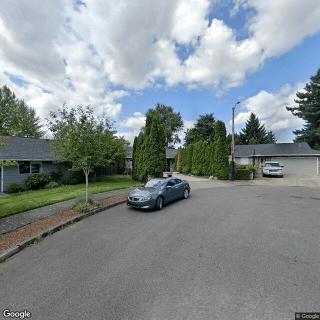
Yamhill Senior Care Home
$3,000 / month9.9 miles away -
from -$500 / mo
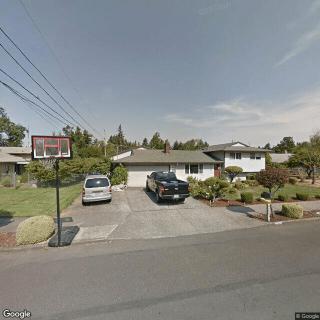
Peaceful Lighthouse Adult Care Home
$3,000 / month12.0 miles away
Overall Review of Autumn Days
Pros
 The care team demonstrates care and compassion toward him.
- They have tailored his care plan to his specific needs.
- He is very happy with his care.
- The Director Angie runs the facility like a home.
- Everyone is respected and cared for there.
- The facility is highly praised by reviewers and recommended for those needing Adult Foster Care.
Review
Autumn Days in Portland, Oregon is best suited for families seeking a small, home-like senior care option where daily life is guided by highly personalized attention and a compassionate, respectful staff. The community leans into individualized care plans and a warm, intimate atmosphere, making it an especially strong match for residents who benefit from being treated as people first and recipients of a carefully tailored support system. This is not a large, glossy campus; it is a hands-on environment that feels like a care partnership between families and caregivers, with dignity and continuity at its core. For families prioritizing genuine personal connection and adaptive caregiving over breadth of services, Autumn Days stands out as a practical, trusted choice.
Those evaluating options should acknowledge that Autumn Days may not align with every care scenario. For seniors who require high-acuity medical management, extensive on-site nursing, or a wide catalog of structured activities and amenities, larger assisted living communities or hospital-affiliated facilities could deliver resources more in line with those demands. Similarly, families seeking abundant social programming, independence-friendly routines, or specialized memory-care environments may find a broader campus more suitable. Autumn Days excels precisely where a smaller, relationship-driven model matters most, so the best fit hinges on whether the priority is intimate, personalized care rather than a busy, resource-dense setting.
The core strengths are unmistakable and highly consequential. Care plans are clearly tailored to individual needs, ensuring that daily routines, medications, and personal preferences align with the resident’s goals. Compassion and respect permeate interactions, with staff who are perceptive about comfort, dignity, and emotional well-being. Leadership matters here: the director is described as running the operation like a home, a feature that translates into a consistent, predictable atmosphere, steady staffing, and a culture that prioritizes residents as members of a family. For families facing long weeks of caregiving and end-of-life questions, these elements can dramatically reduce worry and elevate quality of life for the person receiving care.
Two notable caveats accompany these strengths. The intimate scale naturally limits the breadth of on-site clinical resources, specialized therapies, and a wide calendar of activities that larger communities routinely offer. Residents who require 24/7 skilled nursing, rapid access to diverse medical specialists, or intensive rehabilitation may encounter limits that necessitate outside arrangements or transfers. Privacy and personal space can also be more dependent on the home-like layout and available rooms than on formal campus design. These factors are not weaknesses so much as design trade-offs tied to the setting’s small size and tightly knit staff culture.
Yet the very factors that might look like constraints often translate into practical upside. The heightened attention to individualized care reduces the risk of impersonal treatment and caregiver turnover, a common concern in bigger facilities. A home-like leadership approach fosters proactive family communication and careful coordination with external providers, ensuring care plans stay aligned with evolving needs. Residents feel respected and safeguarded, a steadying influence when navigating transitions, daily living adjustments, or nocturnal care routines. In contexts where dignity, companionship, and bespoke caregiving are the priorities, Autumn Days delivers exceptional value.
When families must decide whether this community fits, the decision hinges on aligning the resident’s needs with the setting’s strengths. Autumn Days shines for those who benefit from a high-touch, personalized care approach delivered within a nurturing, home-like framework. It is particularly compelling for end-of-life support or consistent, long-term care where the relationship between resident, family, and caregivers matters as much as the routine itself. If the expectation is a large program with broad medical resources or a rigorous activity schedule, alternatives should be explored. For a choice grounded in trust, warmth, and individualized stewardship, Autumn Days stands out as a sound, practical option.
 Board and Care Home
 Cats allowed
 Dogs allowed
 Activities off-site
 Beautician on-site
 Devotional services off-site
 Indoor common areas
 Outdoor common areas
 Private
 Private bathrooms
 Respite or short term stays offered
 Wheelchair accessible showers
 Portland International (6 miles away)
 Diabetic care
 High acuity care
 Incontinence care
 Kosher
 Exploring Nonmedical Home Care: Understanding Services, Costs, and Financial Approaches
 Engaging Brain Games and Innovative Apps to Keep Senior Minds Active
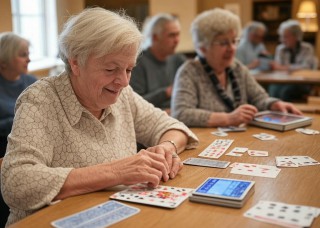 Effective Strategies for Keeping Seniors' Minds Active: A Deep Dive into Brain Games and Apps