At Brookdale Tulsa 71st and Sheridan, the monthly costs for various room types reflect a competitive pricing structure within the local context of Tulsa County and the broader state of Oklahoma. For semi-private accommodations, residents can expect to pay $3,710, which slightly exceeds the county average of $3,624 but remains lower than the state average of $4,053. When considering one-bedroom units, Brookdale's rate of $4,645 is notably higher than both the county's and state's averages, with Tulsa County at $3,600 and Oklahoma at $3,565. Finally, for studio apartments, Brookdale's pricing at $5,640 significantly surpasses local ($3,593) and state ($3,629) norms. This pricing strategy may reflect enhanced amenities or specialized care services that Brookdale Tulsa 71st and Sheridan offers to its residents.
Floor plans
Brookdale Tulsa 71st and Sheridan
Tulsa County
Oklahoma
Semi-Private
$3,710
$3,624
$4,053
1 Bedroom
$4,645
$3,600
$3,565
Studio
$5,640
$3,593
$3,629
Memory care communities with a similar price nearby
Overall Review of Brookdale Tulsa 71st and Sheridan
common24 reviews mention this
Staff kindness and responsive care
Residents and families frequently describe the staff as kind, caring, and responsive to needs.
Across multiple reviews, residents’ families describe caregivers who are patient, attentive, and respectful—often going out of their way to engage residents and address concerns quickly. Several reviews also mention communication with families and that staff members feel knowledgeable about dementia and Alzheimer’s care. A few reviewers contrast their experience with other settings by emphasizing how supported they felt during a difficult transition into memory care.
differentiator5 reviews mention this
Memory care feels secure
Residents’ families and visitors describe memory-care security measures that help prevent wandering.
Several reviews specifically connect the facility’s memory-care focus with safety controls for residents who may wander. Reviewers mention a secure setup and carefully managed outdoor access, alongside staff awareness of residents’ mobility needs. One reviewer also describes staffing presence on shifts and notes an administrator with a clinical background, framing that as part of why the facility feels prepared for higher-needs residents.
common7 reviews mention this
Activities help residents stay engaged
Reviews repeatedly mention activities and outings that keep residents engaged day to day.
Many reviews describe ongoing programming—things like group activities, entertainers, and organized outings—along with encouragement for residents to socialize. Families also mention that residents participate in activities at their own pace, and at least one reviewer highlights outdoor time and a courtyard as part of engagement. While most feedback on activities is positive, a minority of reviews express that there are times when activities feel limited or residents miss out.
common6 reviews mention this
Food and dining experience stand out
Multiple reviews highlight good, varied meals and an attentive dining experience.
Dining comes up often, with reviewers describing the meals as enjoyable and varied. Some reviews also mention that staff support dining needs and that the dining service feels responsive. The community offers restaurant-style dining and also lists dietary options and special dining programs that align with what residents’ families discuss about meal preferences and restrictions.
caveat2 reviews mention this
Costs are higher than county
Pricing runs slightly above the county benchmark across unit types.
The posted monthly pricing range is about a little above the county benchmark for studios, one-bedrooms, and semi-private options, while remaining below the state benchmark. Even so, at least a couple reviews raise broader concerns about value and care delivery, which can make the overall cost feel harder to justify for some families.
How we summarize
Counts show how many written reviews mention each theme; a review can touch several themes, and only frequently mentioned themes are displayed.
Features
Housing
52 resident community capacity
Studio apartments
Types of Care
Memory Care
Amenities
Activities off-site
Activities on-site
Air-conditioning
Beautician on-site
Beauty salon
Cable or satellite TV
Computer center
Devotional services on-site
Dining room
Fitness room
Fully furnished
Gaming room
Garden
Ground floor units
Guasts at mealtime
Handicap accessible
Housekeeping services
Indoor common areas
Kitchenette
Laundry
Move-in coordination
Outdoor common areas
Outdoor space
Pet friendly
Private bathrooms
Respite or short term stays offered
Restaurant-style dining
Small library
Spa
Telephone
Wellness center
Wheelchair accessible showers
Wi-Fi/high-speed internet available
Transportation
Tulsa International (10 miles away)
Community operated transportation
Transportation & parking
Transportation arrangement
Transportation arrangement (non-medical)
Care Services
12-16 hour nursing
24-hour call system
24-hour supervision
Activities of daily living assistance
Ambulatory care
Assistance with bathing
Assistance with dressing
Assistance with transfers
Coordination with health care providers
Dementia waiver
Diabetes diet
Diabetic care
High acuity care
Hospice waiver
Incontinence care
Meal preparation and service
Medication management
Mental wellness program
Mild cognitive impairment
Special dietary restrictions
Specialized memory care programming
Transportation arrangement (medical)
Transportation to doctors appointments
Dining
Diabetes diet
Guest meals
Meals provided
No Sugar
Restaurant style dining
Special dietary restrictions
Special dining programs
Activities
Art classes
Bible study group
Brain fitness
Community-sponsored activities
Concierge services
Cooking classes
Day trips and outings
Devotional activities on-site
Fitness programs
Gardening club
Karaoke
Live musical performances
Other religious services
Planned day trips
Resident-run activities
Scheduled daily activities
Stretching classes
Visiting chaplain or priest
Yoga / chair yoga
Languages Spoken
English
Nearby Places of Interest
Located in the vibrant city of Tulsa, Oklahoma, this area offers a wide range of amenities and services tailored for senior living. With pharmacies such as Drug Warehouse and Act Pharmacy within close proximity, accessing medication is convenient. The presence of renowned physicians at South Tulsa Optical and Allergy Asthma And Immunology Center P.C. ensures access to top-notch medical care. Residents can enjoy a variety of dining options at Charleston's Restaurant, Olive Garden, and more. Nearby parks like Leake Park provide opportunities for outdoor recreation and relaxation. Additionally, easy access to coffee shops like Starbucks and Dutch Bros Coffee offer perfect spots for socializing or enjoying a quiet moment. Places of worship such as Islamic Society of Tulsa cater to spiritual needs, while hospitals like Southwestern Regional Medical Center ensure quality healthcare services are readily available. For entertainment, residents can visit Cinemark Tulsa or AMC Southroads 20 theaters for a night out. Overall, this area provides a well-rounded living experience for seniors seeking convenience, comfort, and community in Tulsa.
Pharmacies
Drug Warehouse (0.3 miles)
Act Pharmacy (0.8 miles)
Walmart Pharmacy (1.1 miles)
Jombo's Island Style Dispensary (1.4 miles)
Walgreens (1.4 miles)
Walgreens (2 miles)
CVS Pharmacy (2.2 miles)
Physicians
South Tulsa Optical (0.7 miles)
Tulsa Eye Clinic (0.7 miles)
Allergy Asthma And Immunology Center P.C. (0.7 miles)
Bregman Richard Warren Clinic Neurosurgery Tulsa (0.9 miles)
At Brookdale Tulsa 71st and Sheridan, the monthly costs for various room types reflect a competitive pricing structure within the local context of Tulsa County and the broader state of Oklahoma. For semi-private accommodations, residents can expect to pay $3,710, which slightly exceeds the county average of $3,624 but remains lower than the state average of $4,053. When considering one-bedroom units, Brookdale's rate of $4,645 is notably higher than both the county's and state's averages, with Tulsa County at $3,600 and Oklahoma at $3,565. Finally, for studio apartments, Brookdale's pricing at $5,640 significantly surpasses local ($3,593) and state ($3,629) norms. This pricing strategy may reflect enhanced amenities or specialized care services that Brookdale Tulsa 71st and Sheridan offers to its residents.
Brookdale Tulsa 71st and Sheridan offers a comprehensive suite of features that are instrumental in supporting residents with memory care needs. The 24-hour supervision ensures continuous safety and peace of mind, while assistance with activities of daily living--including bathing, dressing, and transfers--promotes independence and dignity. Programs focused on brain fitness and specialized memory care programming engage residents cognitively, enhancing their quality of life. Coordination with health care providers ensures that medical needs are proactively addressed, supported by medication management and incontinence care for holistic wellness. Meal preparation and service cater to dietary needs, while a mental wellness program nurtures emotional health. Additionally, transportation arrangements facilitate access to medical appointments, further integrating care into their daily lives, making Brookdale an environment tailored to the well-being of individuals experiencing mild to advanced stages of dementia or Alzheimer's disease.
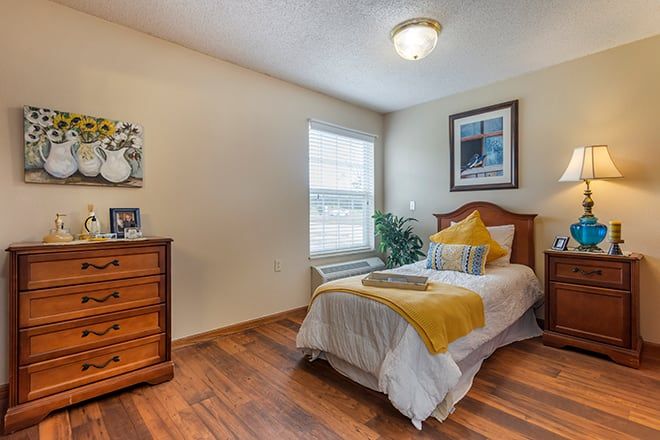
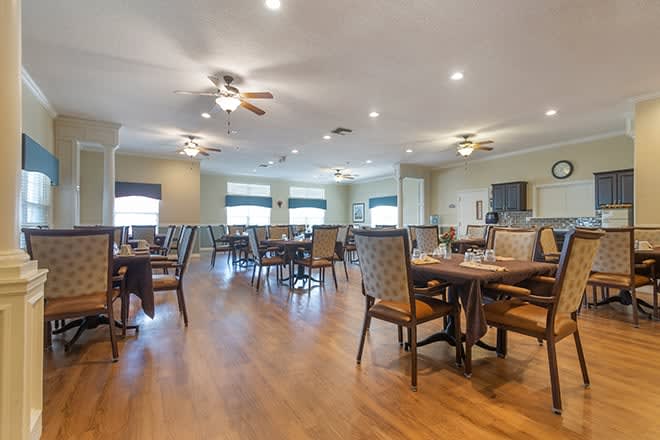
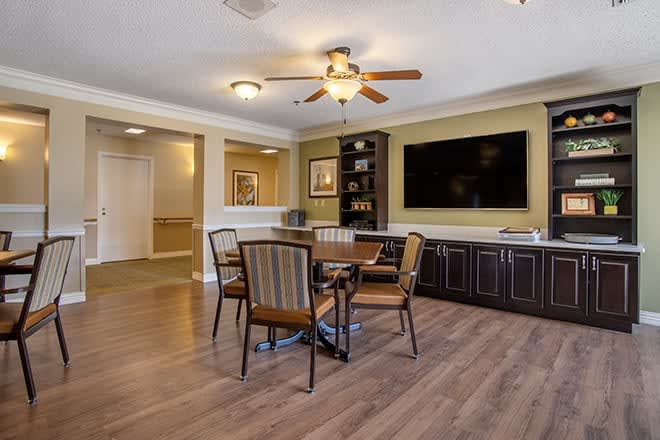
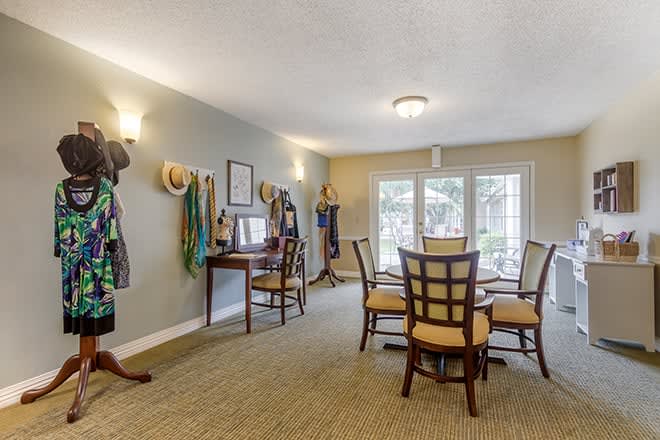
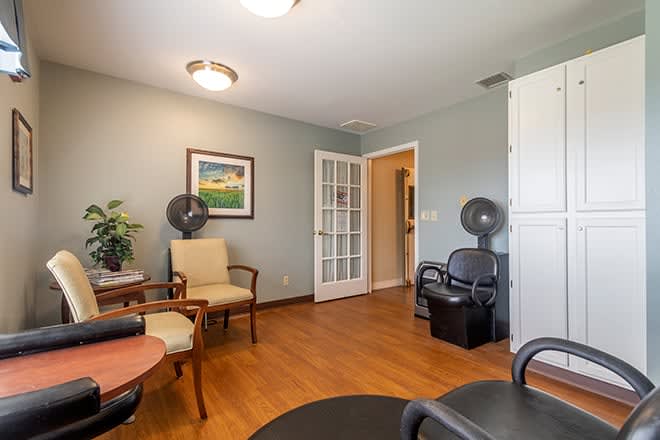
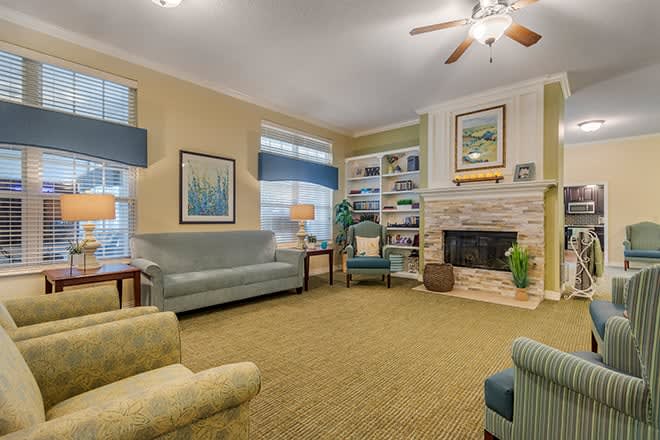
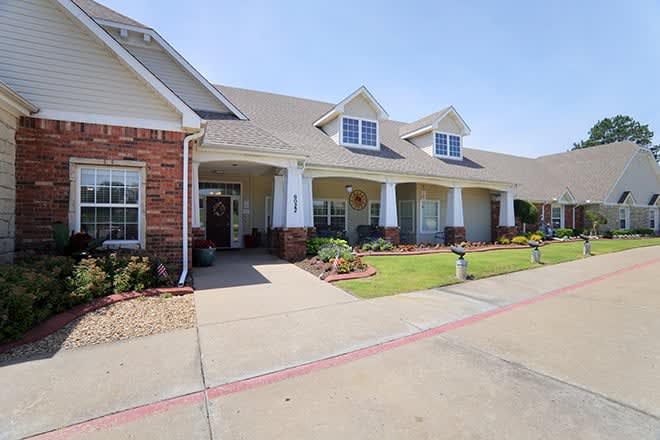
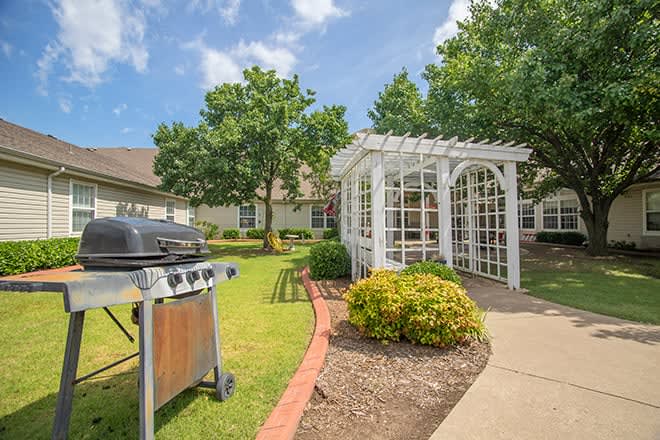
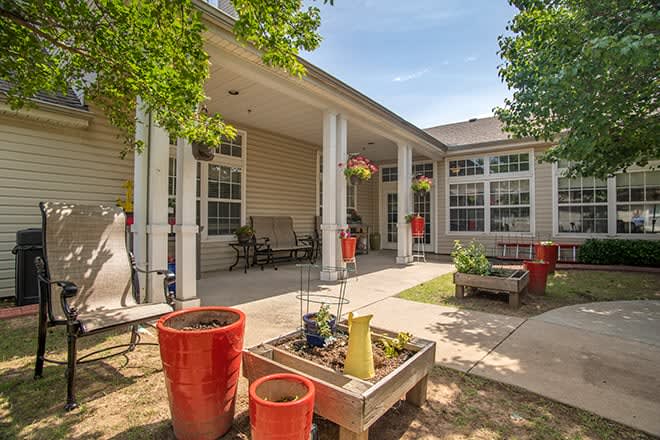
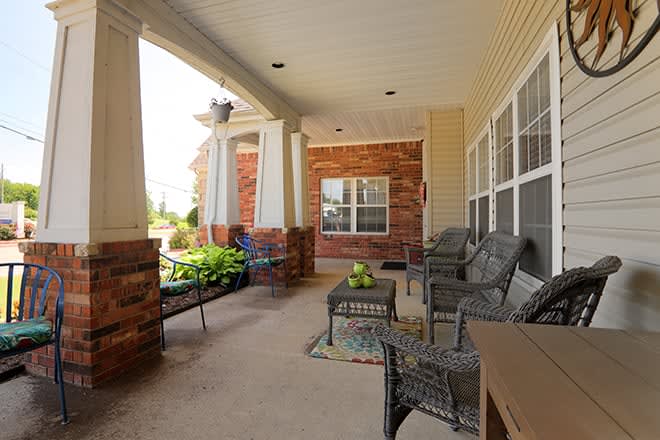
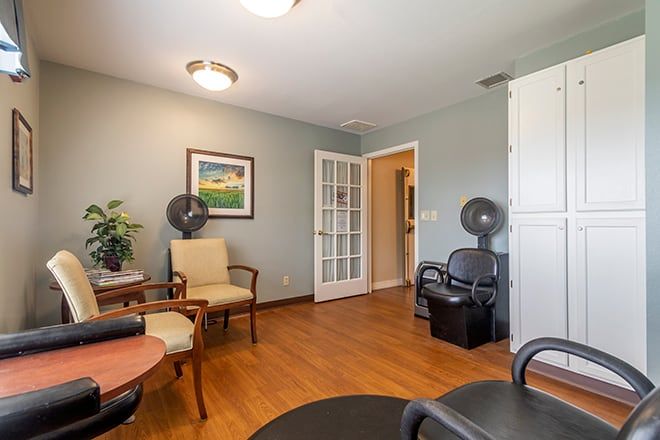
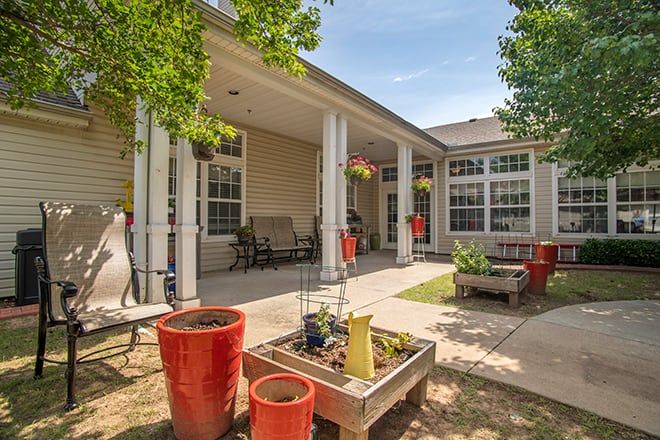
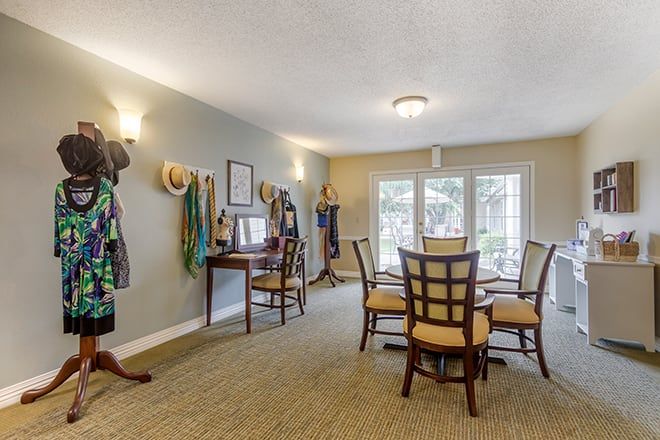
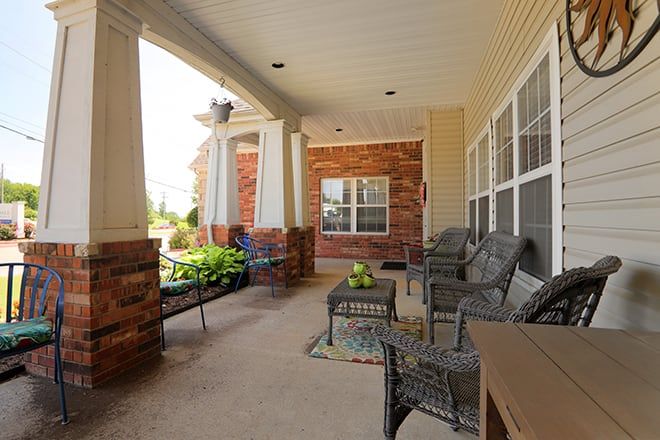
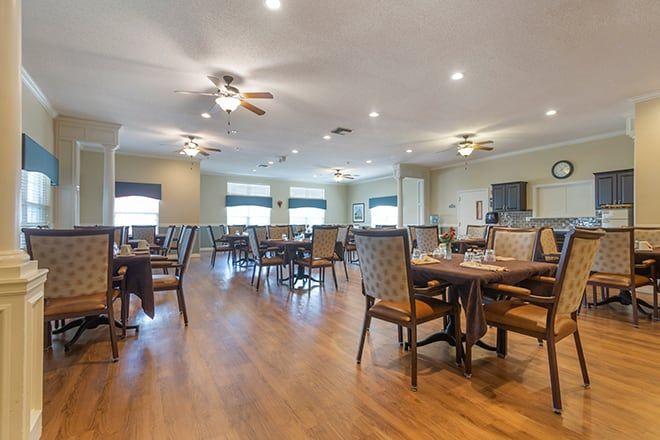
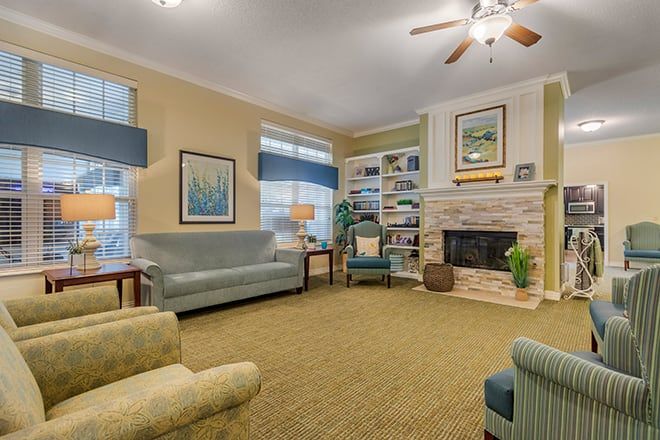
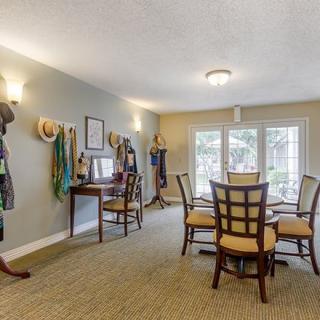
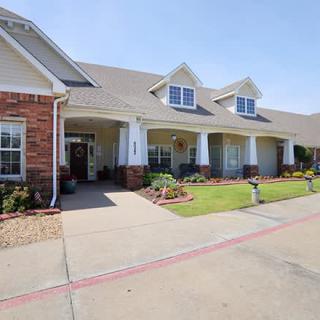
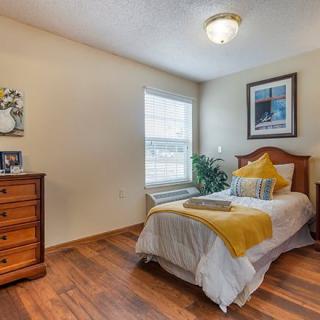
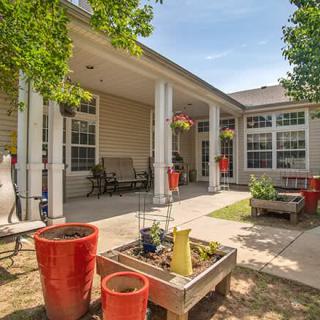
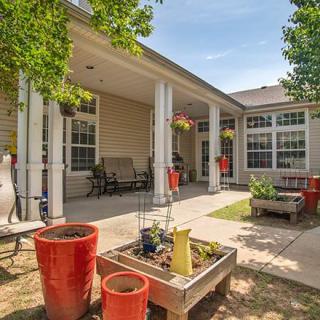
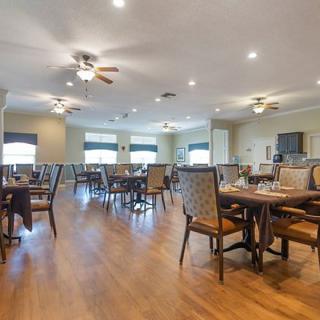
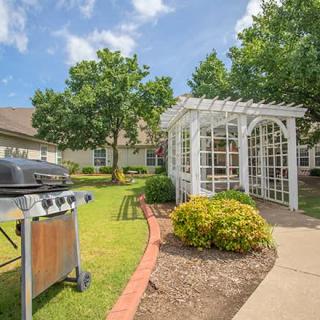
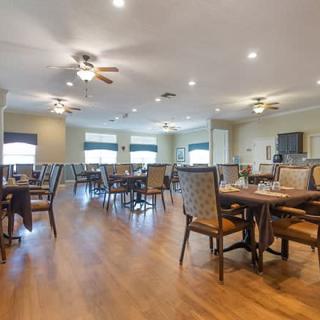
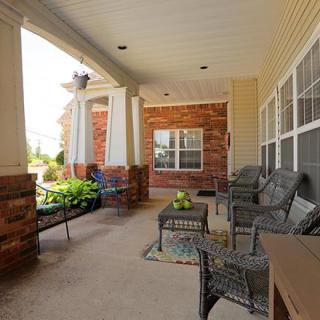
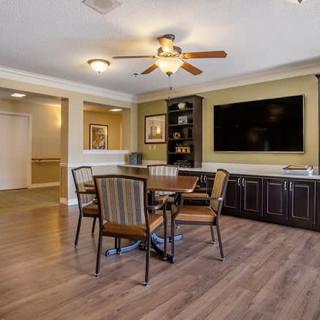
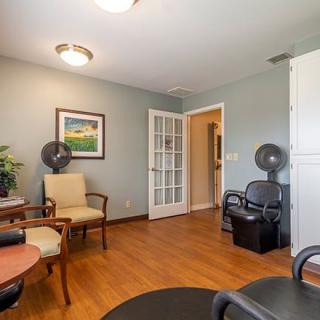
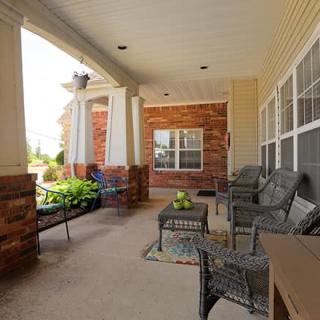
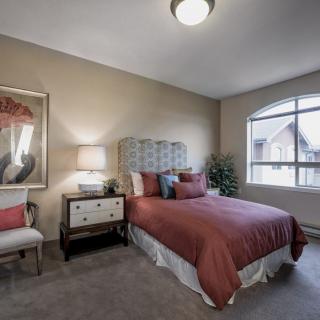
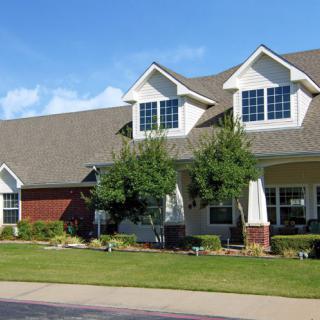
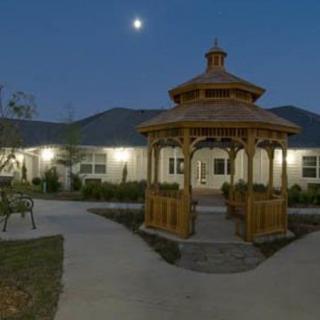
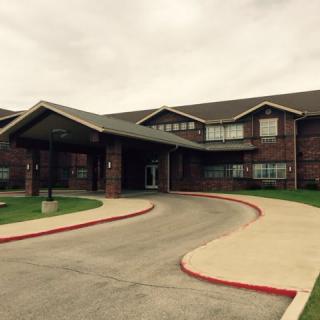
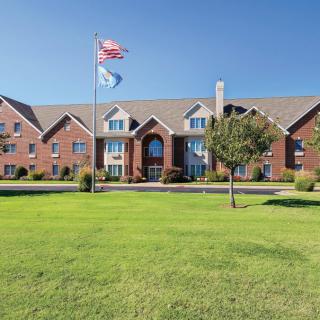
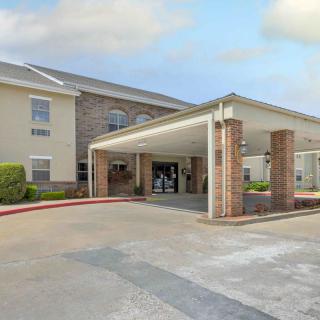
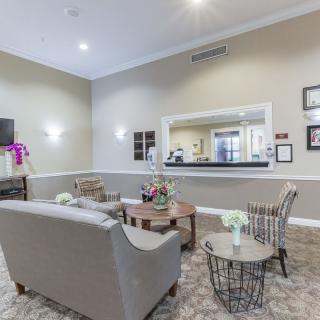
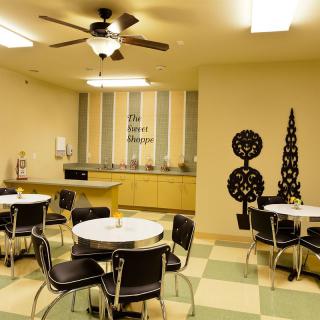
Brookdale Tulsa 71st and Sheridan on seniors.fyi includes 18 photos including images showing interior, dining, decor, patio, windows, bedroom, plant, living room, and more.
Nearby Communities
Montereau
Tulsa, OK
4.4 from 16 reviews
Resort-like setting with attractive amenities, varied dining, and engaging activities.
Montereau In Warren Woods
Tulsa, OK
2.3 from 3 reviews
Rent increases are capped at 4.5%, providing cost predictability.
Aberdeen Memory Care of Tulsa
Tulsa, OK
4.4 from 63 reviews
$3,495 to $5,160 / month
Friendly, attentive staff in a clean, welcoming environment with engaging activities.
Aberdeen Heights Assisted Living
Tulsa, OK
4.3 from 154 reviews
$3,800 to $5,715 / month
Warm, family-oriented staff with engaging activities and high-quality meals in a well-kept setting.
Maplewood Care Center - Tulsa
Tulsa, OK
1.7 from 100 reviews
Strong amenities and care services
Maplewood Care Center
Tulsa, OK
1.8 from 115 reviews
Compassionate staff with COVID-era visitation support and pleasant dining area.
Town Village Tulsa
Tulsa, OK
4.4 from 84 reviews
$2,940 to $3,810 / month
Welcoming staff and a vibrant, activity-filled community in clean, spacious apartments.
The Villages at Southern Hills
Tulsa, OK
3.2 from 227 reviews
$3,085 to $4,011 / month
Clean, spacious rooms with friendly staff and engaging activities.
University Village Retirement Community
Tulsa, OK
4 from 105 reviews
$2,475 to $3,450 / month
Friendly, caring staff and well-maintained facilities with engaging activities.
Dementia encompasses a range of cognitive impairments characterized by types such as Alzheimer's and vascular dementia, and follows a seven-stage progression model known as the Global Deterioration Scale (GDS), highlighting varying symptoms and decline timelines. Early detection allows for lifestyle adjustments to potentially slow progression, while caregivers need support and resources to manage the challenges involved in caring for affected individuals.
The guide on holistic dementia care outlines the complexity of dementia and stresses the need for individualized caregiver strategies that include medical treatment, psychological support, and environmental adaptations, while emphasizing early detection, various therapeutic options, and caregiver support to enhance quality of life and maintain dignity.
Activities of Daily Living (ADLs) are fundamental tasks vital for an individual's independence, particularly in older adults over 85, and include functions like bathing and dressing; assessing ADLs alongside Instrumental Activities of Daily Living (IADLs) helps determine the level of required assistance due to age-related health challenges. Tailored support plans, involving family and community resources, are essential for maintaining dignity and autonomy in assisted living environments.
Lobby, Hardwood Floor, Bright Lighting, and Office Space
Outdoor Seating
Salon
Natural Light
Wall Art
Painting
Porch
Plant
Pergola
Brick Wall and Covered Porch
Get PricingAsk A QuestionSchedule A TourContact Senior Advisor
By clicking submit, you agree to our Partner's Terms of Use. You
also consent to receive calls and texts, which may be autodialed, from our Partner. Your consent is not a condition to
using our Partner's service. Please visit our Partner's Privacy Policy for information about their privacy practices.

 52 resident community capacity
 Studio apartments
 Memory Care
 Activities off-site
 Air-conditioning
 Beautician on-site
 Cable or satellite TV
 Computer center
 Devotional services on-site
 Dining room
 Fitness room
 Fully furnished
 Gaming room
 Garden
 Ground floor units
 Handicap accessible
 Housekeeping services
 Indoor common areas
 Kitchenette
 Laundry
 Move-in coordination
 Outdoor common areas
 Pet friendly
 Private bathrooms
 Respite or short term stays offered
 Restaurant-style dining
 Small library
 Spa
Spa Telephone
 Wheelchair accessible showers
 Wi-Fi/high-speed internet available
 Tulsa International (10 miles away)
 Community operated transportation
 12-16 hour nursing
 24-hour call system
 Ambulatory care
 Assistance with bathing
 Assistance with dressing
 Assistance with transfers
 Diabetes diet
 Diabetic care
 High acuity care
 Hospice waiver
 Incontinence care
 Medication management
 Mental wellness program
 Special dietary restrictions
 Transportation arrangement (medical)
 Art classes
 Bible study group
 Brain fitness
 Concierge services
 Cooking classes
 Day trips and outings
 Karaoke
 Live musical performances
 English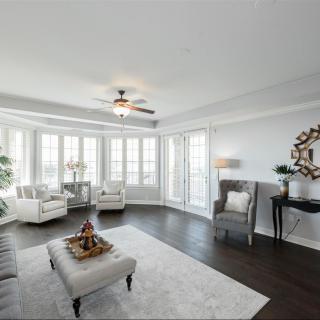
 Resort-like setting with attractive amenities, varied dining, and engaging activities.


 Understanding Dementia Through Its Seven Stages: A Comprehensive Look at Progression and Expectations
 A Holistic Dementia Care Guide: Effective Strategies for Memory Support
 Comprehensive Insights into Activities of Daily Living (ADLs) and Their Assessment