
Montereau

Save

  • Interior

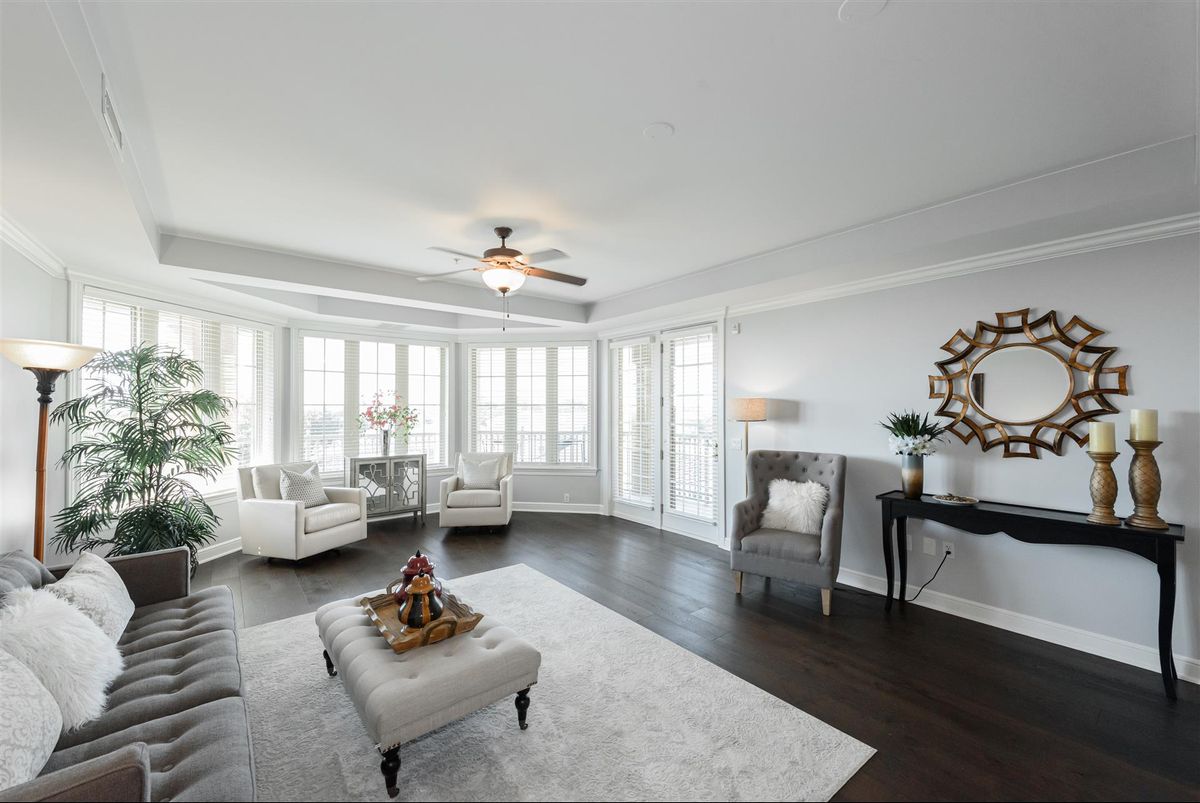
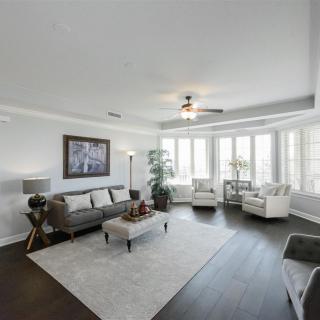
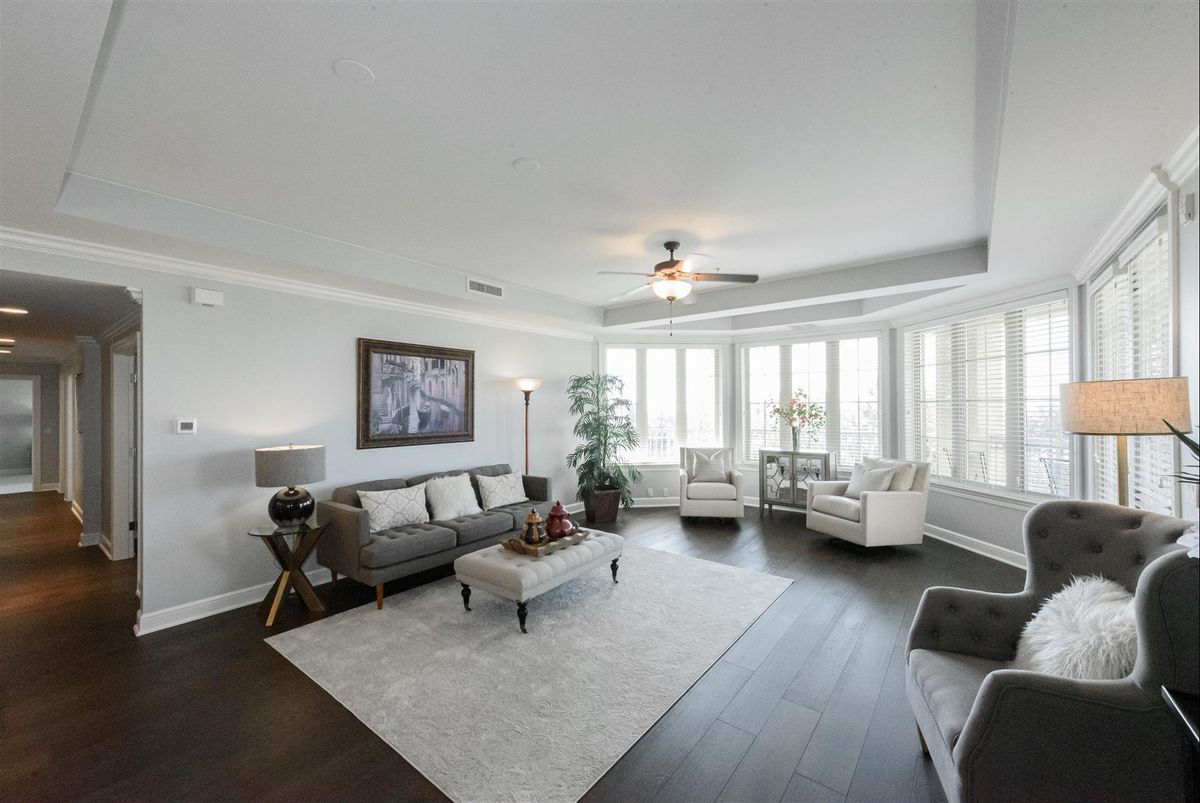
    A spacious and well-lit living room with modern decor, featuring a ceiling fan, hardwood flooring, and comfortable seating arrangements.
  • Decor

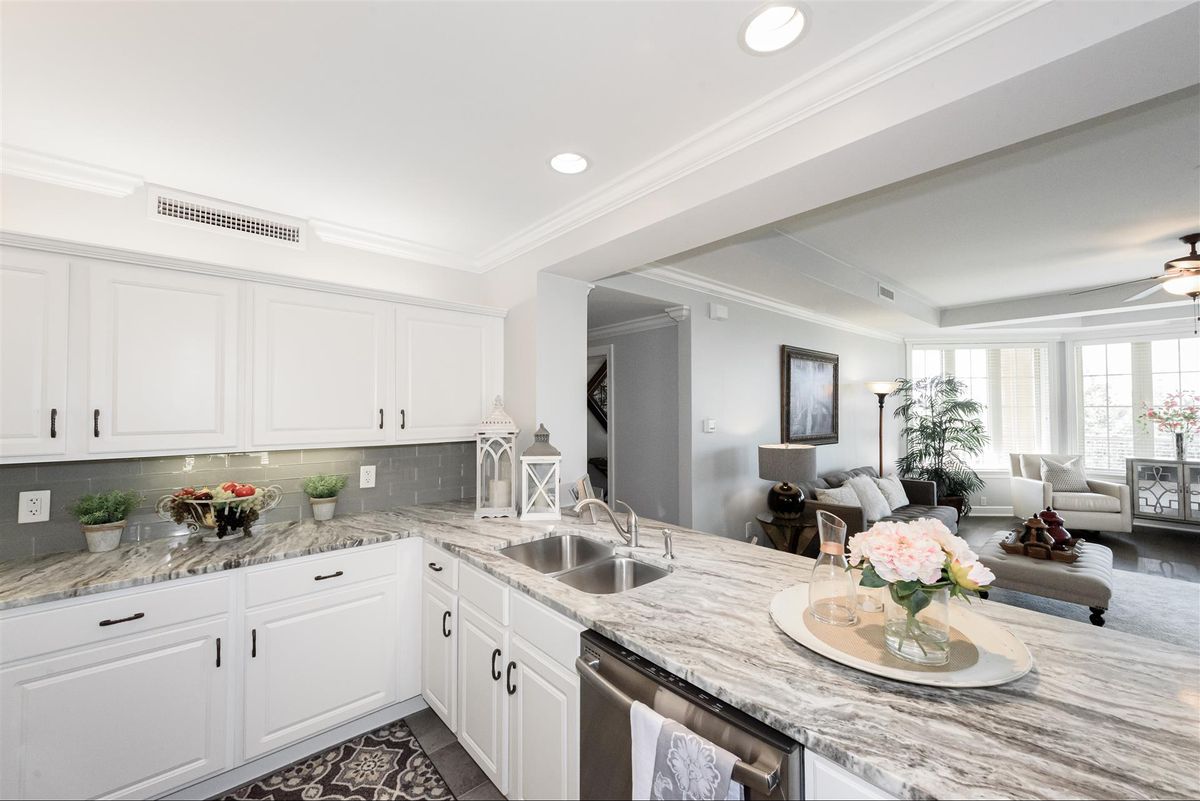
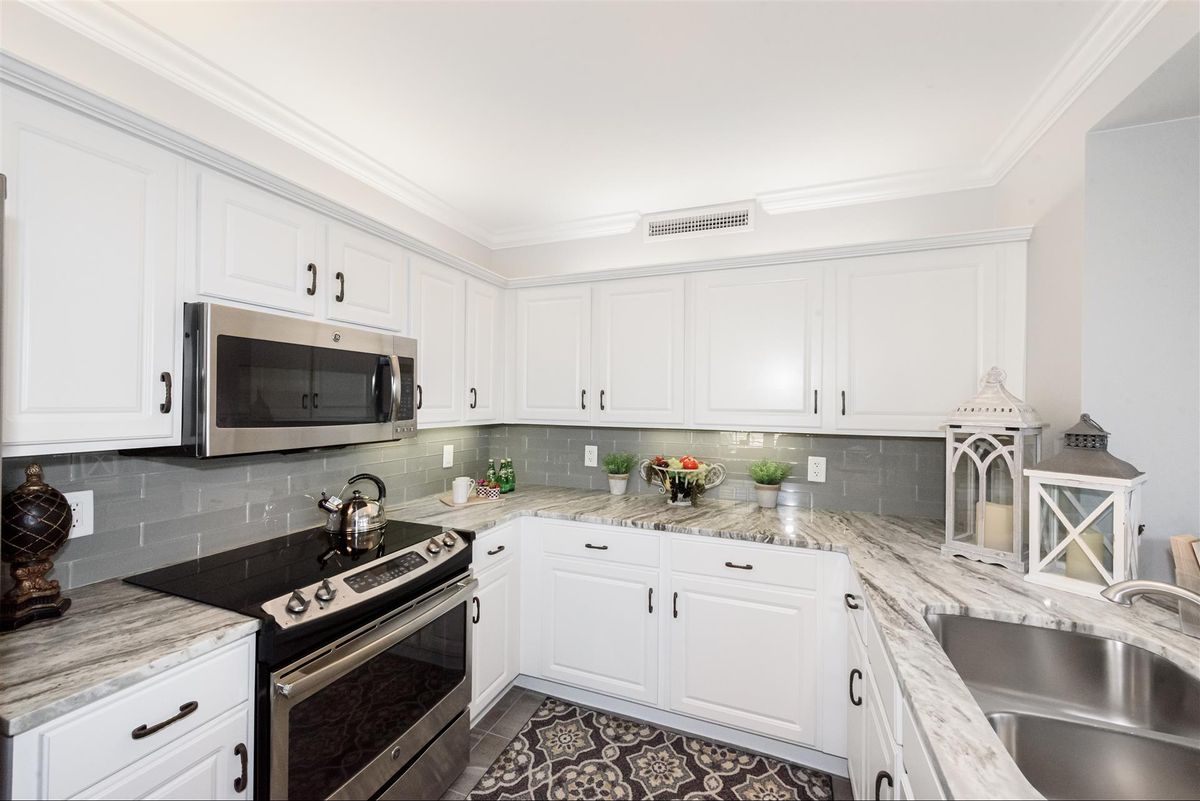
    A modern kitchen with white cabinets and granite countertops, featuring an open-concept layout.
  • Living Room

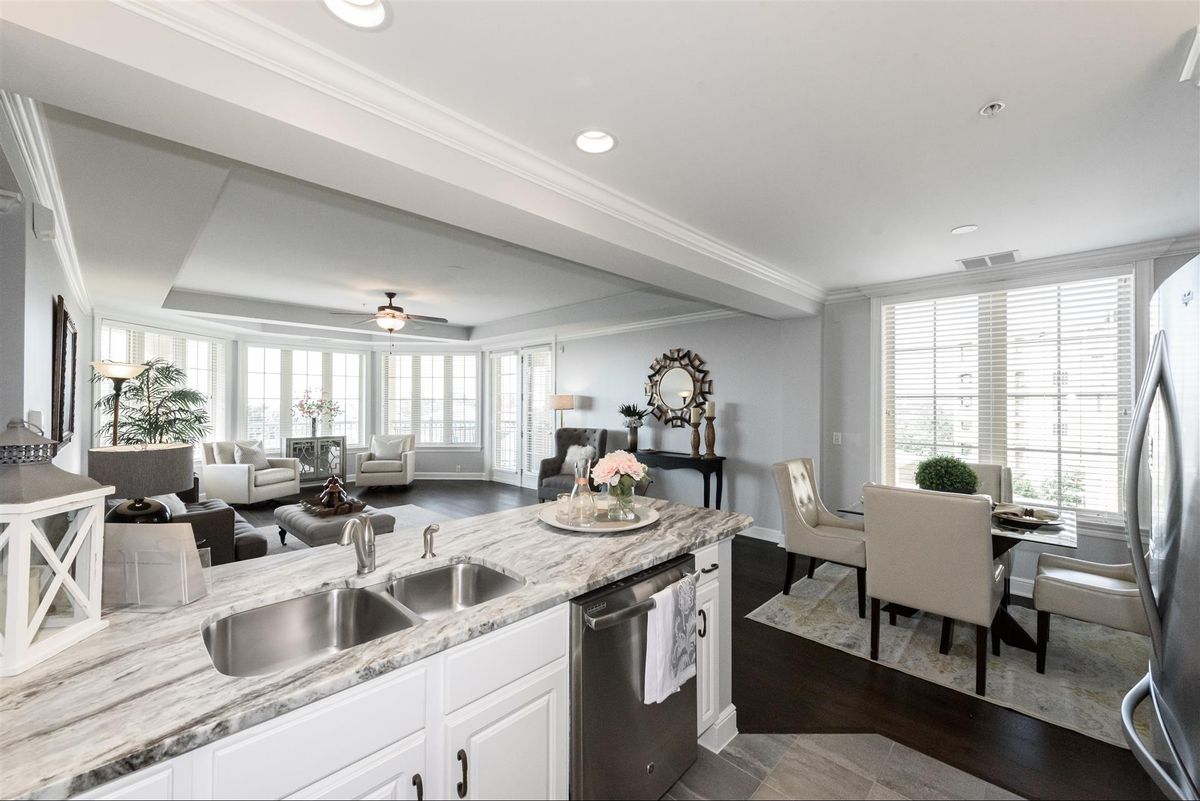
    A modern, open-concept kitchen and living space with a dining area, featuring a marble countertop and ample natural light.
  • Building

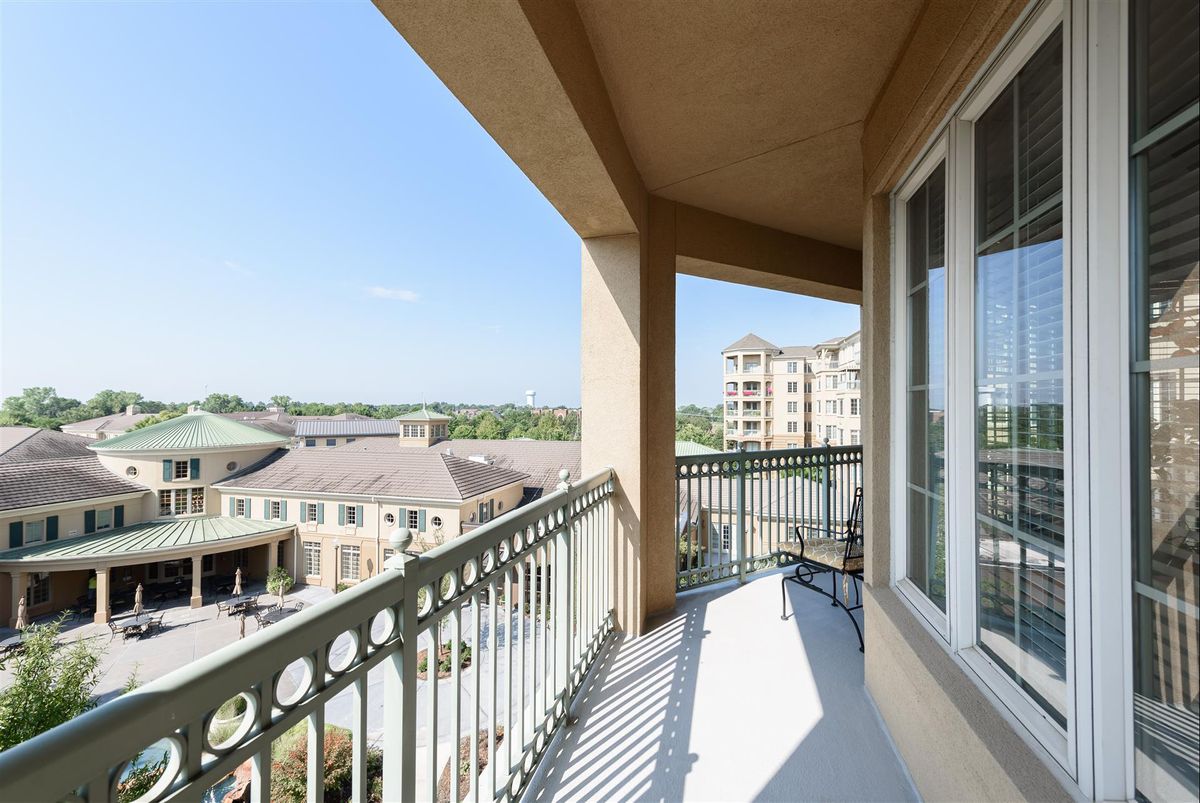
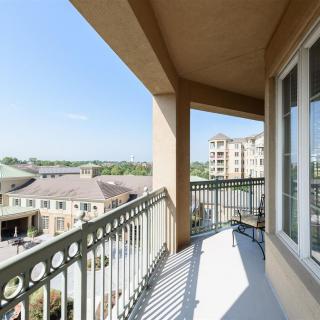
    A spacious balcony with a view of surrounding buildings and a clear sky.
  • Bedroom

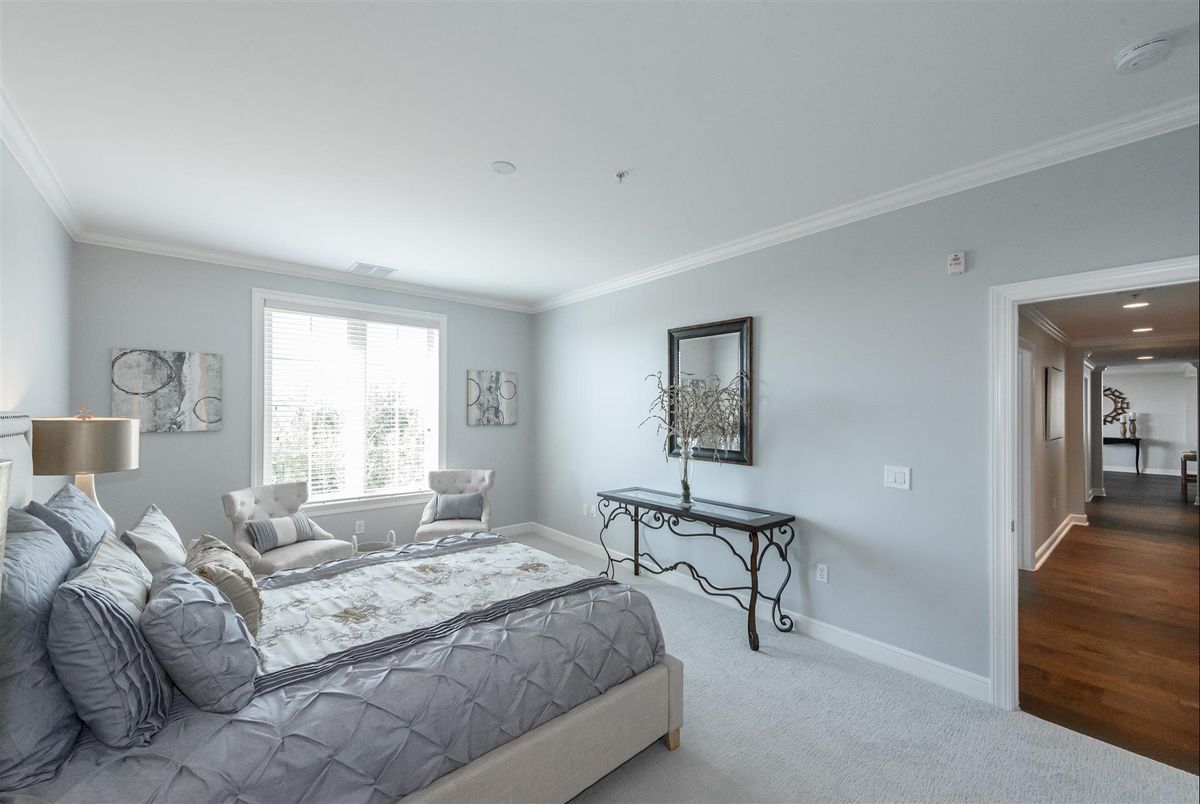
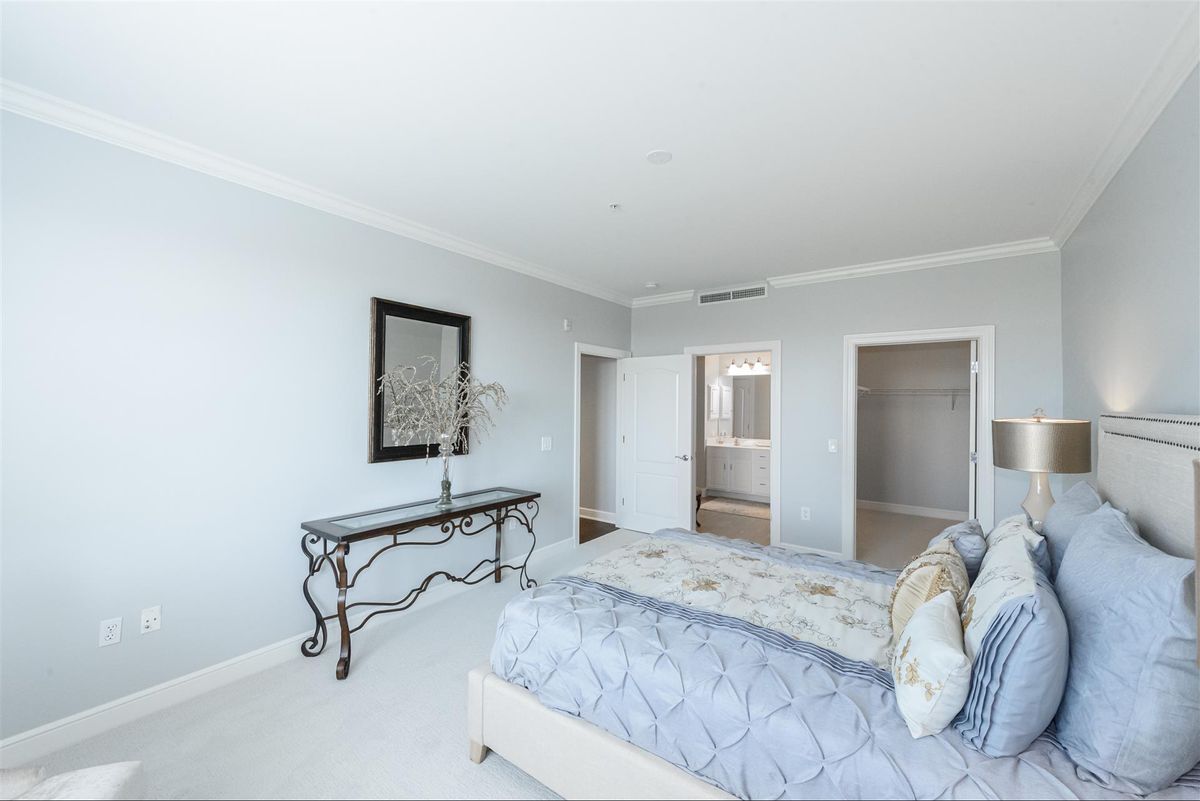
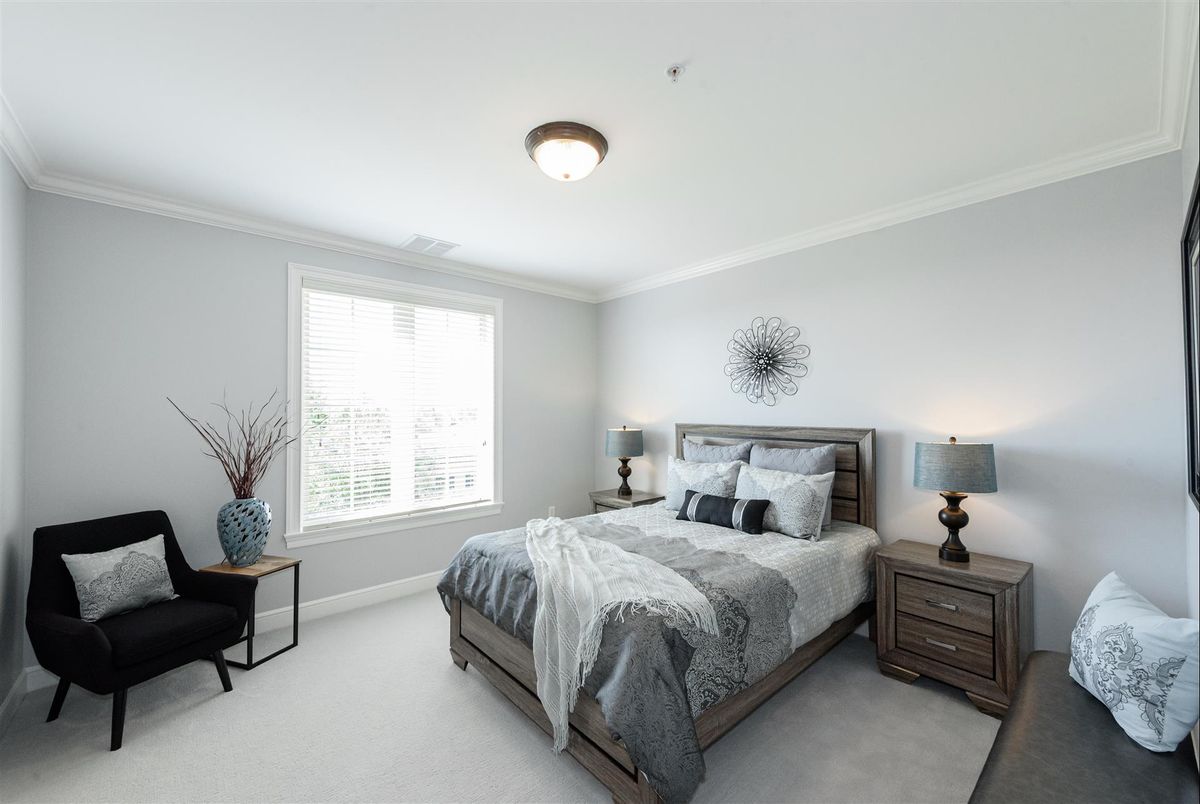
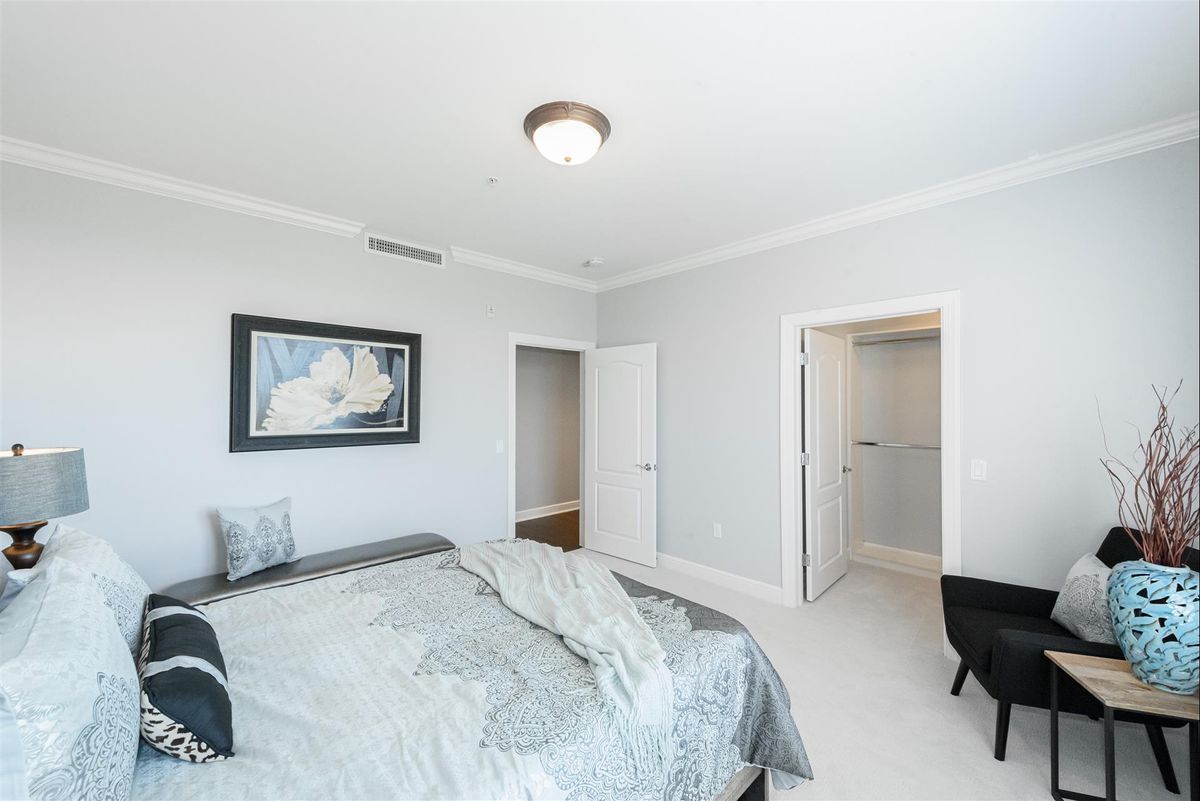
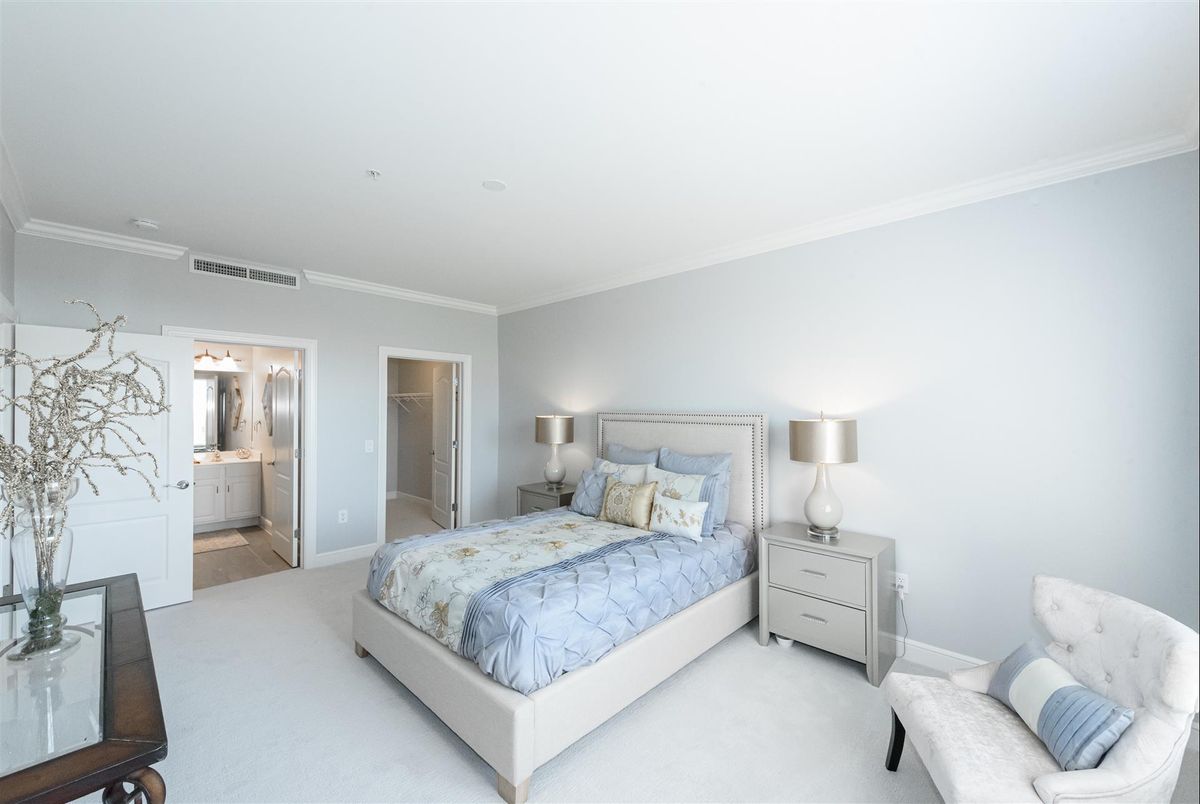
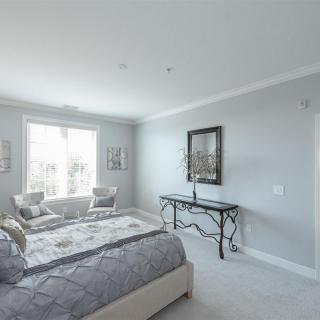
    A modern minimalist bedroom with natural light and stylish decor.
  • Trees

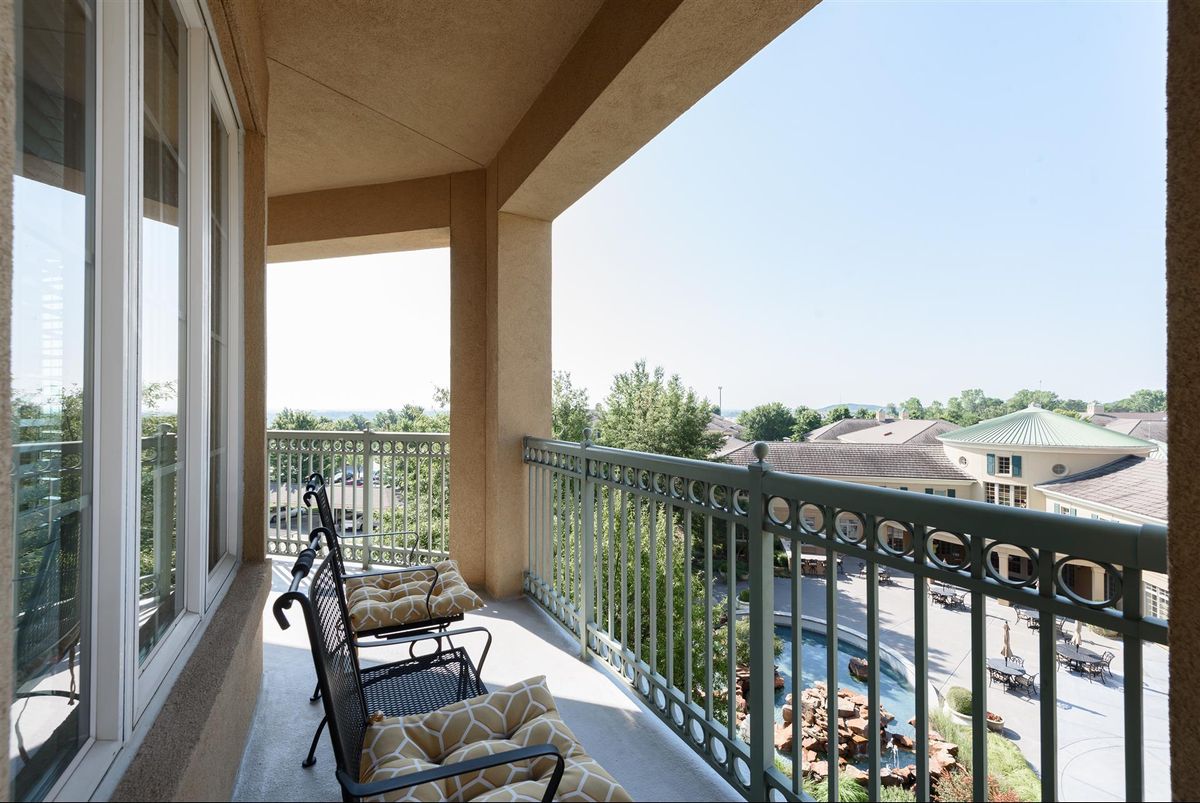
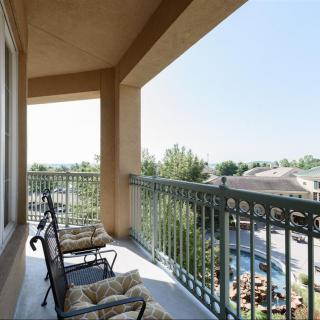
    A sunny balcony with comfortable chairs overlooking a scenic view.
  • Windows

    A modern living room with elegant furnishings and large windows.
  • Dining

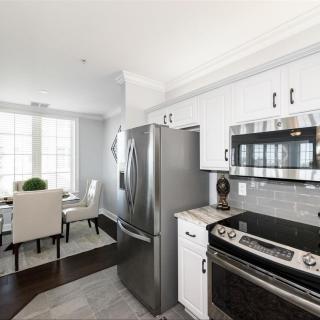
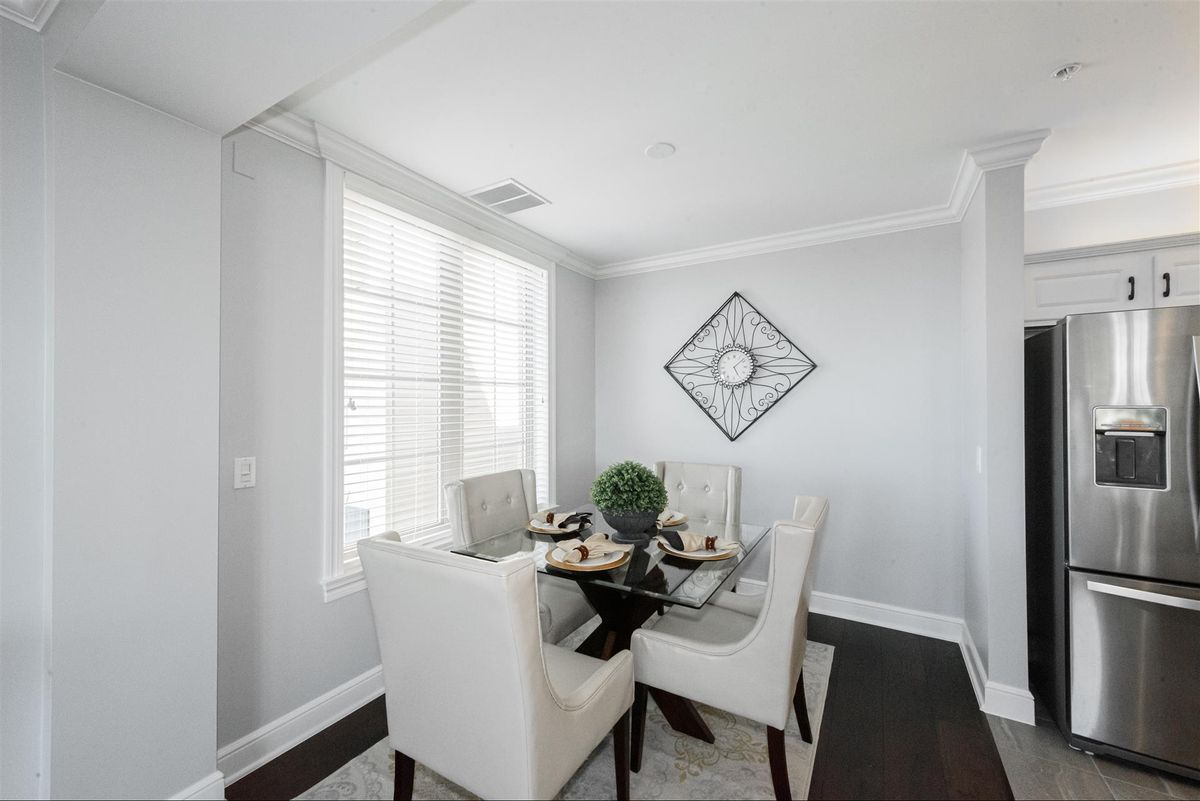
    A modern kitchen with stainless steel appliances and an adjoining dining area.
  • Kitchen

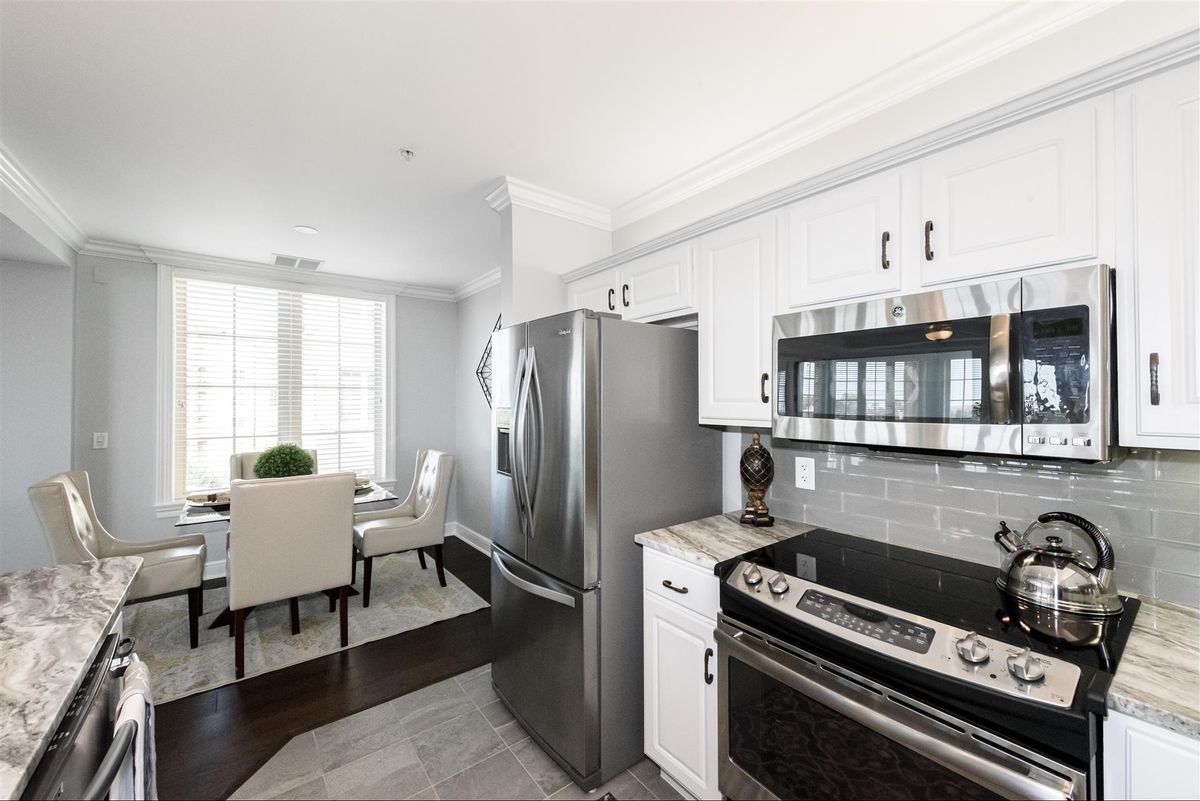
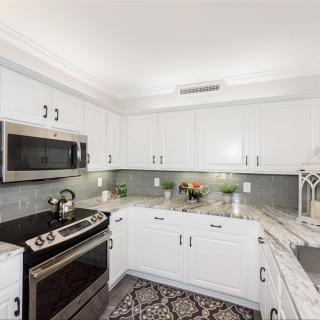
    A modern kitchen with white cabinets and stainless steel appliances.
  • Artwork

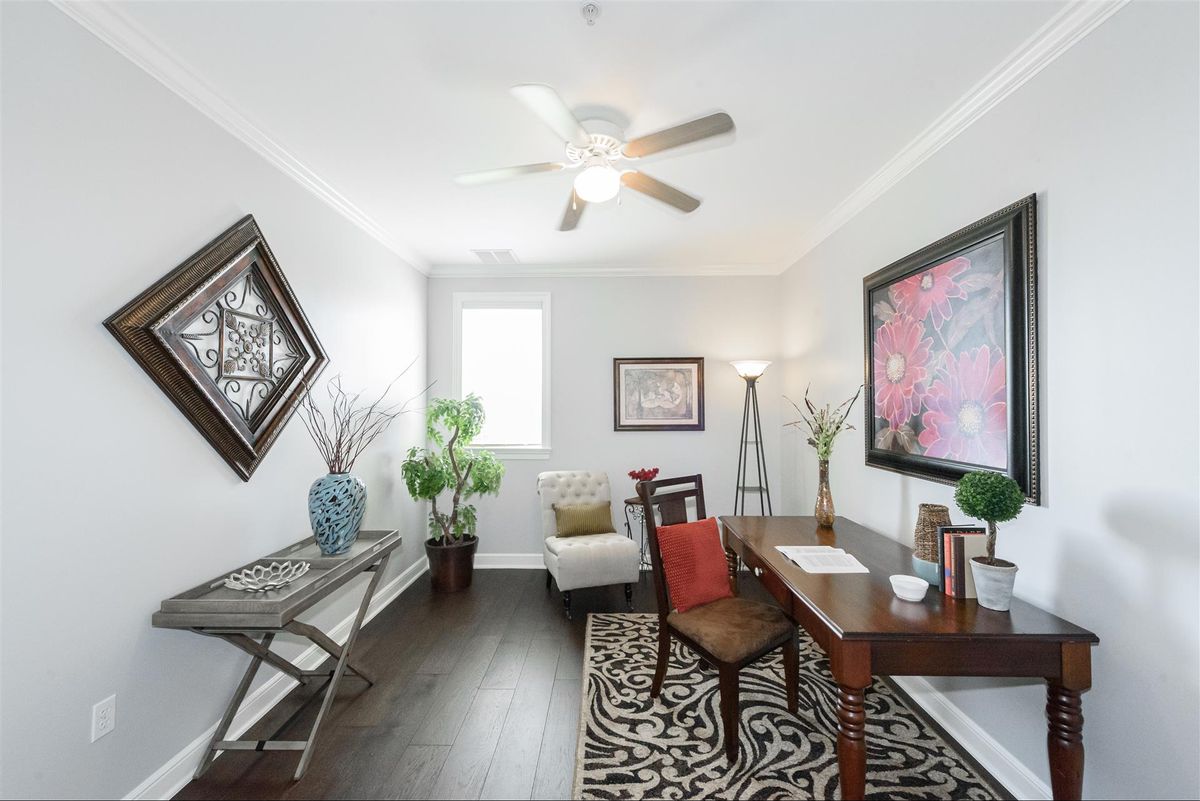
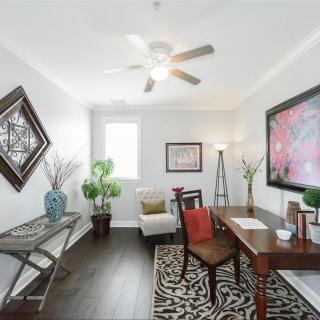
    A modern home office with stylish decor and natural lighting.
  • Bathroom

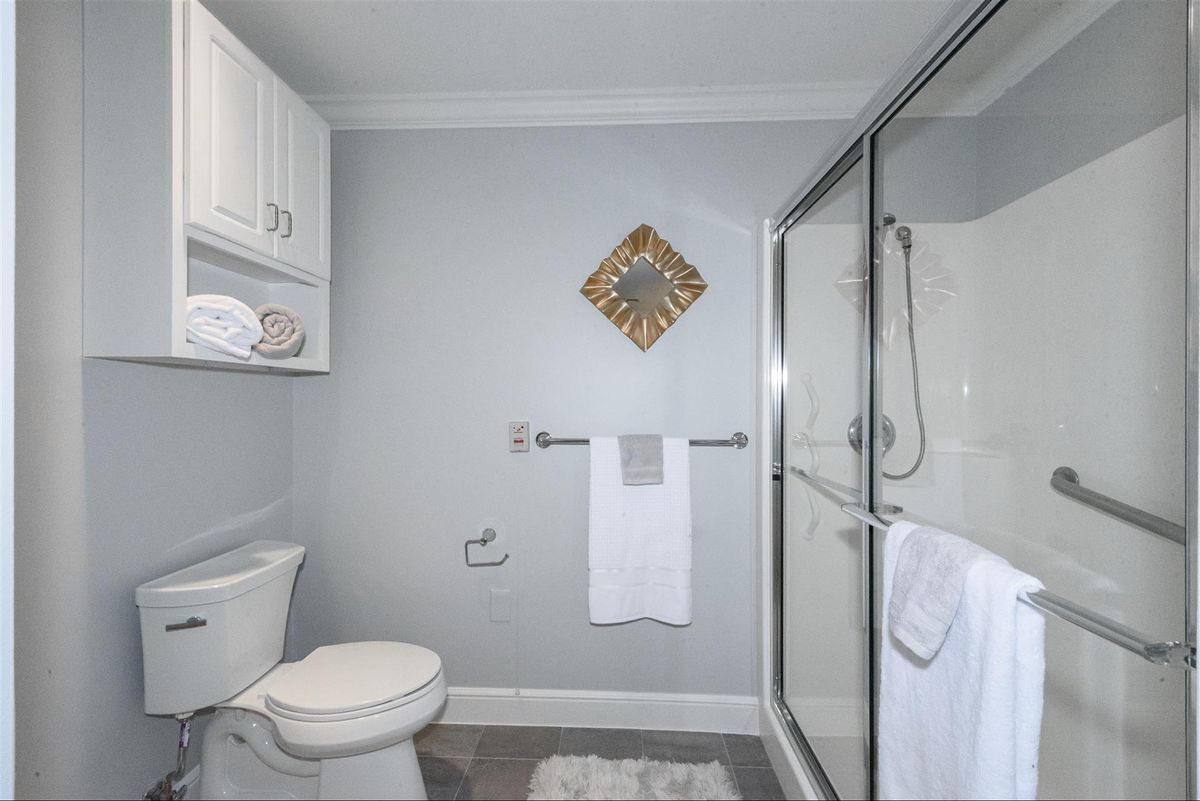
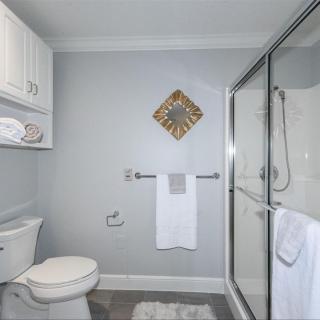
    A modern bathroom featuring a toilet, shower, and neatly arranged towels.
  • Natural Light

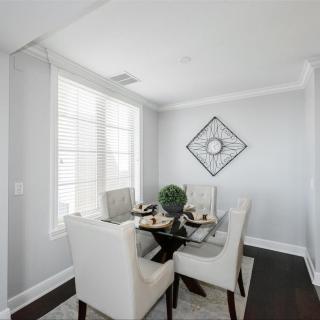
    A modern dining room with a neutral color palette and stylish decor.
  • Appliances

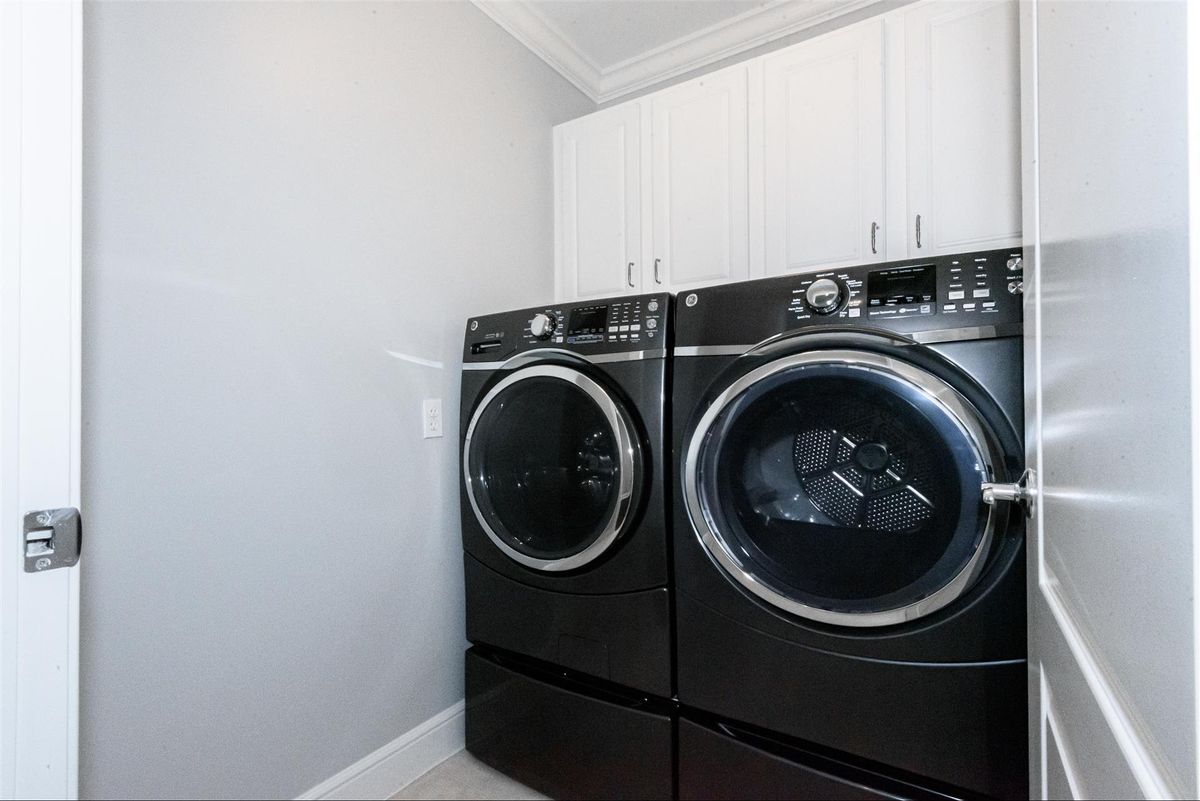
    Modern laundry room with black washer and dryer.
  • Minimalist

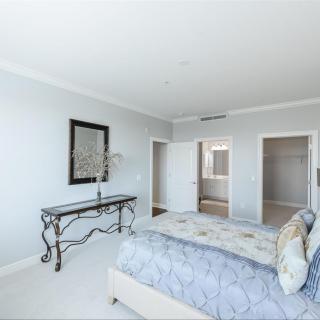
    A bright and spacious minimalist bedroom featuring a comfortable bed and elegant furniture.

Montereau

6800 South Granite Avenue, Tulsa, OK 74136

For more information about senior living options: (844) 490-3973

4.4 from 16 reviews
5 stars
11
4 stars
2
3 stars
1
2 stars
2
1 stars
0

Assisted Living Memory Care Skilled Nursing Facility

Overall Review of Montereau

Pros

  • pro The residents are great.
  • pro The staff is courteous and friendly.
  • pro The facility is lovely.
  • pro The place feels plush and resort-like, with high-end furnishings and a beauty salon.
  • pro The dining is excellent, with multiple daily options and clean facilities.
  • pro The building is spotlessly clean and recently remodeled, described as top-of-the-line.
  • pro Caregivers are reported to take very good care of residents and communicate regularly with families.

Cons

  • pro Executive management changes have caused very high turnover of mid- and lower-level staff, creating a staff retention problem.
  • pro Urgent maintenance requests (backed-up sinks, heating/cooling problems, appliance issues) regularly take 3?6 weeks to resolve.
  • pro Housekeeping services guaranteed by the head contract are regularly cut.
  • pro The in-house caregiving service has deteriorated, including incorrect billing from May 2023 to January 2024, lack of a regular Saturday caregiver, and scheduling problems.
  • pro Feedback to management appears to be ignored, with concerns going in one ear and out the other.
  • pro On-site doctor communications are non-existent for non-local residents due to reduced staffing.
  • pro The contract did not live up to website promises, with disputes over entrance-fee refunds; legal review is strongly advised before signing.

Review

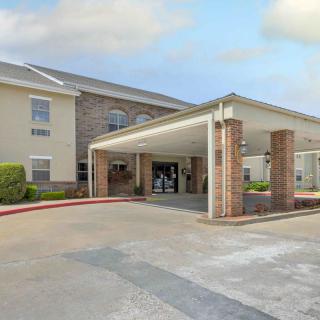
Montereau presents itself as a polished, resort-like community with appealing grounds, attractive decor, and a broad spectrum of on-site activities. The impressions from long-term residents and their families consistently emphasize a warm, social environment where neighbors are friendly and conversations with fellow residents come easily. The campus boasts a range of amenities that many families find compelling: well-kept common areas, beauty and wellness services, and extensive activity calendars. A number of reviewers note that a lot of the day-to-day vitality comes from residents themselves, who organize many programs and outings, reinforcing the sense that Montereau is a lively place to be. In conversations with visitors, several accounts highlighted how the dining environment and on-site features contribute to the overall quality of life, with staff and residents frequently described as cordial and helpful in daily interactions.

Beneath the surface, however, several reviewers raise serious concerns about leadership and operational reliability. A recurrent theme is a shift in executive management accompanied by a high turnover of mid-level administrators and lower-level staff. This churn, according to residents and families, has a cascading impact on many maintenance and housekeeping tasks. Urgent maintenance issues - such as backed-up sinks, heating and cooling problems, and appliance malfunctions - are described as taking weeks to resolve, sometimes three to six weeks, which naturally undermines confidence in the facility's reliability. Housekeeping services, which are guaranteed by a contract, have reportedly been scaled back, contributing to a perception that basic expectations are not consistently met. These operational strains color experiences even for those who otherwise enjoy the campus and its social fabric.

The in-house caregiving service is another area of friction. Reviews describe a deterioration in care quality over the past year, with tangible problems in billing accuracy (notably May 2023 through January 2024), caregiver shortages (inability to secure a regular Saturday caregiver since August), and scheduling flaws (being dropped from schedules without explanation, lack of communication when a caregiver is ill, and caregivers showing up while a family member is hospitalized). Several reviewers recount spending a growing amount of personal time assisting with administration and scheduling issues, which is especially troubling given the premium pricing and promises of comprehensive care. Taken together, these experiences suggest a disconnect between the high cost of care and the consistency and reliability of the services delivered.

Feedback and escalation appear to have limited impact in the eyes of many families. The account of ongoing concerns - despite repeated conversations with management about staff well-being, turnover, and service levels - paints a picture of a system where executive decisions and day-to-day operations do not align with residents' or families' expectations. One family explicitly states that they would not recommend moving a loved one there until there is a change at the executive level, while another notes the time they have spent dealing with administration as not being in line with what they paid for. These perspectives suggest a persistent gap between promised services and actual experiences, particularly at the upper-management level.

In parallel, the long-term care side has sparked its own set of cautions. Reviews indicate that communications with on-site medical staff can be inconsistent, especially for families who do not live locally. While there are reports of on-site physicians and a cadre of nurses, some reviewers describe reduced staffing and limited contact with the medical team as a risk factor worth examining before any decision to move a loved one to Montereau's long-term care facilities. The overarching message here is not that the care itself is universally poor, but that the operational environment - staffing levels, communication patterns, and transparency - requires careful scrutiny on an individual basis given the current turnover and organizational pressures.

Recollections from residents and families who have direct, personal experience with Montereau's higher-end facilities emphasize the positives with equal force. One guest recounts a move-in process that was less than ideal contractually, warning future buyers to have counsel review the agreement; despite that, the same account notes the campus's amenities, including a resident-friendly atmosphere, top-notch dining options, and a variety of living arrangements (assisted living, skilled nursing, and long-term care) in a setting that feels luxurious. Several testimonials describe the premises as clean, well-maintained, and recently remodeled, with the feel of a high-end hotel, complete with marble and granite accents, a beauty salon, and multiple dining venues that range from casual to more formal settings. In these accounts, the staff is frequently described as courteous and well-intentioned, and the dining program is praised for its variety and quality, including multiple daily choices and the inclusion of three meals per day in some contracts.

Other reviewers paint a more mixed but ultimately encouraging portrait of the resident experience when mothering or caregiving is involved. A number of stories highlight the facility's social richness: strong activities calendars, organized outings, and on-site opportunities for baths, therapy, and rehabilitation. Some families point to specific positives such as thorough regular reporting to families, attentive on-site care in rehab wings, and services that feel personalized to residents' routines and preferences. The charitable, communal atmosphere for celebrations - such as a birthday party arranged for a mother's ninety-second year - also features in residents' recollections, underscoring an environment where family involvement and life-enrichment remain a central feature for many.

Taken together, the reviews present a facility that excels on ambiance, amenities, and social vitality while facing meaningful challenges in governance, staffing stability, and operational execution. The strongest praise tends to cluster around the physical environment, the breadth of services, and the warmth of the resident community and staff in day-to-day interactions. The most persistent cautions center on executive leadership and its ripple effects on maintenance responsiveness, housekeeping reliability, caregiver scheduling, and the transparency of financial arrangements. For prospective residents and their families, the bottom line is nuanced: Montereau can offer a high-quality, stimulating living environment with robust amenities and a strong social fabric, but serious due diligence is essential - especially regarding contracts, leadership stability, and the current operational practices that affect day-to-day care and logistics.

In closing, Montereau stands out as a facility with undeniable strengths and equally compelling concerns. Its plush setting, comprehensive activity options, and clearly valued resident community create a strong base of appeal. Yet the experiences of residents and families who have engaged with the management and operations reveal a pattern of turnover and service gaps that deserve careful scrutiny. If you are considering Montereau, it would be prudent to tour the site with a critical eye, talk extensively with current residents and staff, review contracts with a lawyer, and assess whether the current state of executive management and its impact on maintenance, housekeeping, and caregiving aligns with your priorities and expectations for quality of life and care.

Features

Housing

  • 74 resident community capacity 74 resident community capacity
  • 1-bedroom apartments 1-bedroom apartments1-bedroom apartments are important for seniors because they provide a sense of independence, privacy, and autonomy while still offering the necessary space for comfortable living. These apartments allow seniors to maintain their own personal space and lifestyle preferences in a supportive community setting.
  • 2-bedroom apartments 2-bedroom apartments2-bedroom apartments are important for seniors because they provide extra space for guests, hobbies, and caregivers, as well as potential for additional income through roommates or rental.

Types of Care

  • Assisted Living Assisted LivingAssisted living facilities provide crucial support and care for seniors who may need help with daily tasks such as medication management, bathing, and meal preparation. These communities offer a safe and comfortable environment where seniors can maintain their independence while receiving the assistance they need to thrive in their golden years.
  • Memory Care Memory CareMemory care is crucial for seniors as it provides specialized support and services for individuals with dementia or Alzheimer's disease. These programs offer a safe and secure environment where residents receive personalized care, cognitive stimulation, and help with daily activities. Memory care helps seniors maintain their independence, quality of life, and dignity while also providing peace of mind for their families.
  • Skilled Nursing Facility Skilled Nursing FacilitySkilled Nursing Facilities are crucial for seniors as they provide round-the-clock medical care, rehabilitation services, and assistance with daily activities. These facilities ensure that seniors receive the specialized care they need to maintain their health and well-being as they age.

Amenities

  • Air-conditioning Air-conditioningAir conditioning is important for seniors as they are more vulnerable to heat-related illnesses and may have underlying health conditions that make it difficult for them to regulate their body temperature. It helps to keep them comfortable, safe, and healthy in hot weather.
  • Beautician on-site Beautician on-siteHaving a beautician on-site at a senior living community is important for seniors as it allows them to easily access grooming and personal care services, boosting their self-esteem and overall well-being. It also provides convenience and helps seniors maintain their sense of independence and personal style.
  • Beauty salon Beauty salonBeauty salons are important for seniors because they provide a space for them to feel pampered, socialize, and maintain their personal grooming and hygiene. Regular visits to a beauty salon can help boost seniors' self-esteem and overall well-being.
  • Cable or satellite TV Cable or satellite TVCable or satellite TV is important for seniors because it provides entertainment, news, and companionship, helping to combat loneliness and boredom. It also offers a wide range of programming options tailored to different interests and preferences.
  • Computer center Computer centerA computer center is essential for seniors as it provides access to technology, communication tools, and resources that can enhance their daily lives. It allows them to stay connected with loved ones, engage in online activities, and learn new skills, ultimately promoting socialization and mental stimulation.
  • Dining room Dining roomDining rooms are important for seniors as they provide a space for socialization, connection, and nutritious meals. They offer opportunities for residents to bond over shared meals, foster a sense of community, and promote healthy eating habits. Dining rooms also ensure that seniors have access to well-balanced meals tailored to their dietary needs and preferences.
  • Financing advice Financing adviceFinancing advice is crucial for seniors as they navigate the complexities of retirement planning, including managing fixed incomes, healthcare costs, and potential long-term care needs. Proper financial guidance can help ensure seniors maintain financial stability and security in their golden years.
  • Fitness room Fitness roomHaving a fitness room in a senior living community is essential for seniors to stay active, maintain their physical health, and improve their overall well-being. Regular exercise can help prevent falls, reduce the risk of chronic diseases, and promote mental sharpness. It also provides social opportunities for residents to connect with others and enjoy a sense of community.
  • Full kitchen Full kitchenHaving a full kitchen in a senior living facility is important for seniors because it allows them to maintain their independence and prepare their own meals. This promotes healthy eating habits, saves money on dining out, and provides a sense of familiarity and comfort for residents.
  • Fully furnished Fully furnishedFully furnished senior living communities are important for seniors because they provide convenience, comfort, and a hassle-free moving experience. Seniors can easily settle into their new living space without the stress of having to buy and move furniture. This allows them to focus on enjoying their new home and community.
  • Gaming room Gaming roomGaming rooms are important for seniors as they provide a fun and engaging environment for socializing, cognitive stimulation, and physical activity. Games can improve memory, problem-solving skills, and overall mental well-being while fostering friendships and reducing feelings of isolation.
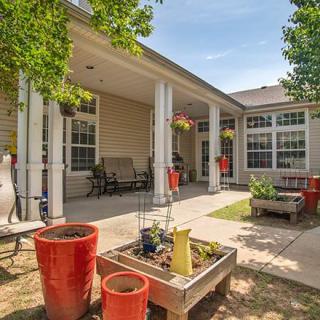
  • Garden GardenGardens are important for seniors as they provide a peaceful and therapeutic environment for relaxation, physical activity, and socialization. Being in nature has been shown to reduce stress, improve mood, and promote overall well-being. Gardens also offer opportunities for seniors to engage in gardening activities, which can improve mobility, flexibility, and cognitive function. Additionally, gardens create a sense of community and connection with others who share a passion for plants and outdoor spaces.
  • Guasts at mealtime Guasts at mealtime"Guests at mealtime" offer seniors the opportunity for social interaction, companionship, and a sense of community during meals, which can help combat feelings of loneliness and isolation commonly experienced in senior living environments. It can also enhance their overall dining experience and improve their mental and emotional well-being.
  • Housekeeping services Housekeeping servicesHousekeeping services are important for seniors because they help maintain a clean and safe living environment, promote independence, and reduce the risk of accidents or illnesses. Additionally, having assistance with household chores can alleviate physical strain and allow seniors to focus on other aspects of their well-being.
  • Kitchenette KitchenetteKitchenettes are important for seniors living in senior living communities because they provide the convenience and independence of being able to prepare simple meals and snacks in the comfort of their own living space. This can help promote a sense of autonomy and well-being for seniors, allowing them to maintain some level of control over their dietary choices and daily routines.
  • Laundry LaundryLaundry services are important for seniors as they may have difficulty with physical tasks such as bending, lifting, or carrying heavy loads. Having access to laundry services can help seniors maintain personal hygiene, cleanliness, and independence in their daily lives.
  • Move-in coordination Move-in coordinationMove-in coordination is important for seniors because it helps ease the transition into their new living environment. It ensures that all logistics, such as packing, organizing movers, and setting up utilities are taken care of, allowing seniors to focus on settling in and adjusting to their new home. Having a smooth move-in process can alleviate stress and anxiety, making the transition smoother and more enjoyable for seniors.
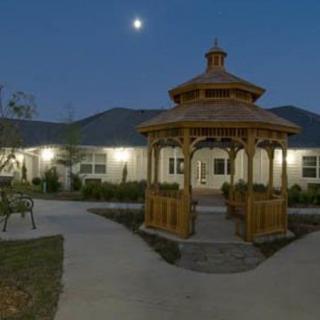
  • Outdoor space Outdoor spaceOutdoor spaces are important for seniors as they provide opportunities for physical activity, social interaction, exposure to natural light and fresh air, and a sense of connection to nature. Having access to outdoor spaces can improve overall well-being and quality of life for older adults living in senior communities.
  • Overnight guests Overnight guestsOvernight guests provide companionship, social engagement, and emotional support for seniors in senior living communities. They can help reduce feelings of loneliness, isolation, and boredom, while also promoting mental well-being and overall quality of life. Additionally, overnight guests can offer a sense of familiarity and comfort for seniors who may be transitioning into a new living environment.
  • Party space Party spaceHaving access to party space is important for seniors as it provides opportunities for socialization, connection, and enjoyment. These spaces allow seniors to celebrate special occasions, host gatherings with friends and family, and participate in community events, enhancing their overall well-being and quality of life.
  • Private bathrooms Private bathroomsPrivate bathrooms are important for seniors in senior living communities because they provide independence, dignity, and comfort. Having a private bathroom allows seniors to maintain their personal hygiene routines without the need for assistance, promoting a sense of autonomy and privacy. Additionally, private bathrooms help prevent the spread of infections and provide a safe and clean environment for seniors to navigate safely.
  • Respite or short term stays offered Respite or short term stays offeredRespite or short term stays provide seniors with a temporary solution when their regular caregiver is unavailable, offering them the opportunity to receive additional care and support during times of need, while also giving caregivers a chance to rest and recharge.
  • Restaurant-style dining Restaurant-style diningRestaurant-style dining is important for seniors because it allows them to enjoy delicious, nutritious meals in a social and upscale setting. This enhances their dining experience, promotes healthy eating habits, and fosters socialization with fellow residents, ultimately contributing to their overall well-being and quality of life.
  • Small library Small librarySmall libraries are important for seniors as they provide access to a variety of reading materials, including books, newspapers, and magazines. This can help stimulate their minds, keep them engaged, and provide a sense of community through book clubs and other social activities. Additionally, reading has been shown to improve cognitive function and overall mental well-being in older adults.
  • Swimming pool Swimming poolSwimming pools are important for seniors as they provide a low-impact form of exercise that can improve cardiovascular health, increase muscle strength and flexibility, and help maintain mental well-being. Additionally, swimming can relieve joint pain and stiffness associated with conditions such as arthritis, making it an ideal activity for older adults looking to stay active and healthy.
  • Telephone TelephoneTelephones are important for seniors as they provide a lifeline for communication with loved ones, emergency services, and healthcare providers. They offer a sense of security and independence, enabling seniors to stay connected and access assistance when needed.
  • Wellness center Wellness centerWellness centers are important for seniors because they offer a variety of programs and services that promote physical, mental, and emotional well-being. These centers provide opportunities for exercise, socialization, education, and relaxation, helping seniors maintain their overall health and quality of life.
  • Wi-Fi/high-speed internet available Wi-Fi/high-speed internet availableWi-Fi/high-speed internet is important for seniors to stay connected with loved ones, access online resources, and participate in virtual activities to combat feelings of loneliness and isolation. It also allows them to easily manage healthcare needs, access entertainment, and engage in lifelong learning opportunities.

Transportation

  • Tulsa International (9 miles away) Tulsa International (9 miles away)
  • Community operated transportation Community operated transportationCommunity operated transportation is crucial for seniors as it provides them with the means to access essential services, social activities, and medical appointments. It allows seniors to maintain their independence and quality of life by ensuring they can participate in activities outside of their homes. Additionally, community-operated transportation services offer a safe and reliable way for seniors to travel without having to rely on family or friends for assistance.
  • Transportation & parking Transportation & parkingTransportation and parking are vital for seniors as they offer access to essential services, activities, and social interactions. Reliable transportation options can help seniors maintain independence, stay connected within their community, and enjoy a higher quality of life. Additionally, convenient parking facilities ensure that seniors can easily access necessary resources and amenities without added stress or difficulty.
  • Transportation arrangement Transportation arrangementTransportation arrangements are crucial for seniors as they may face challenges with driving, mobility, or access to public transportation. Having reliable transportation services ensures that seniors can easily attend appointments, social activities, and maintain their independence and quality of life.
  • Transportation arrangement (non-medical) Transportation arrangement (non-medical)Transportation arrangements are essential for seniors as they provide access to essential services, activities, and social interactions outside the home. This service helps maintain independence, mobility, and overall well-being for seniors who may have limited transportation options.
  • Transportation to doctors appointments Transportation to doctors appointmentsTransportation to doctors appointments is crucial for seniors as it ensures they have access to necessary medical care and support, promoting their health and well-being. It allows them to receive timely treatment, monitor existing conditions, and address any new health concerns efficiently. Additionally, transportation services can help seniors maintain their independence and quality of life by enabling them to stay connected with their healthcare providers.

Care Services

  • 12-16 hour nursing 12-16 hour nursing12-16 hour nursing care is crucial for seniors in order to ensure around-the-clock monitoring, timely medication administration, and prompt response to any health concerns or emergencies. This level of care helps to promote the overall well-being and safety of seniors living in senior living communities.
  • 24-hour call system 24-hour call system24-hour call systems are important for seniors because they provide peace of mind and immediate assistance in case of emergencies. This technology ensures that help is always available, promoting safety and security for elderly individuals living alone or in assisted living facilities.
  • 24-hour supervision 24-hour supervision24-hour supervision is important for seniors to ensure their safety, well-being, and access to immediate assistance in case of emergencies or health issues. This constant support provides peace of mind for both seniors and their loved ones, allowing them to age in place with dignity and security.
  • Activities of daily living assistance Activities of daily living assistanceActivities of daily living assistance are important for seniors because they provide essential support with tasks such as eating, bathing, dressing, and mobility. This assistance helps seniors maintain their independence, dignity, and overall quality of life as they age.
  • Assistance with bathing Assistance with bathingAssistance with bathing is crucial for seniors as it helps maintain personal hygiene, prevents infections, and ensures their overall well-being and comfort. It also provides a sense of dignity and independence for seniors who may struggle with this task on their own.
  • Assistance with dressing Assistance with dressingAssistance with dressing is important for seniors because it helps maintain their independence, promotes personal hygiene, prevents accidents and injuries, and improves overall quality of life. This service ensures that seniors can continue to dress comfortably and confidently, despite any physical limitations they may have.
  • Assistance with transfers Assistance with transfersAssistance with transfers is crucial for seniors as it helps prevent falls and injuries, maintains their independence, and ensures they can safely navigate their living environment. It also provides peace of mind for both seniors and their loved ones.
  • Diabetes diet Diabetes dietA diabetes diet is crucial for seniors as it helps manage blood sugar levels, reduce risks of complications, and improve overall health and well-being. By following a balanced and nutritious diet tailored to their specific needs, seniors can better control their diabetes and enhance their quality of life.
  • Meal preparation and service Meal preparation and serviceMeal preparation and service are crucial for seniors as they may have limited mobility or energy to cook nutritious meals. Having access to healthy and convenient food options can ensure they are getting the proper nutrition needed to maintain their overall health and well-being.
  • Medication management Medication managementMedication management is crucial for seniors to ensure they are taking the right medications at the correct dosages and times. This helps prevent adverse drug interactions, reduces the risk of medication errors, and promotes overall health and well-being. Proactive management also allows for adjustments as needed based on changing health conditions or new prescriptions.
  • Mental wellness program Mental wellness programMental wellness programs are essential for seniors as they promote cognitive stimulation, emotional support, and social engagement. These programs help prevent isolation, depression, and cognitive decline, ultimately enhancing the overall quality of life for older adults.
  • Mild cognitive impairment Mild cognitive impairment"Mild cognitive impairment" is important for seniors because it is an early stage of cognitive decline that can potentially progress to more severe conditions such as dementia. Recognizing and addressing mild cognitive impairment can help seniors receive appropriate care and support to maintain their quality of life and independence for as long as possible.
  • Physical therapy Physical therapyPhysical therapy is essential for seniors to maintain and improve their mobility, strength, and overall quality of life. It helps reduce pain, prevent falls, and enhance independence in daily activities. By promoting movement and function, physical therapy can help seniors stay active, healthy, and engaged in their communities.
  • Special dietary restrictions Special dietary restrictionsSpecial dietary restrictions are important for seniors because age-related changes in metabolism and health conditions can make it difficult for their bodies to process certain foods. By following a diet tailored to their specific needs, seniors can maintain their overall health and well-being, manage chronic conditions, and reduce the risk of complications such as malnutrition or food interactions with medications.
  • Specialized memory care programming Specialized memory care programmingSpecialized memory care programming is crucial for seniors with cognitive impairments such as dementia or Alzheimer's disease. These programs provide a safe and supportive environment tailored to the unique needs of individuals with memory loss, helping them maintain their independence, dignity, and quality of life.
  • Walking wheelchair assistance Walking wheelchair assistanceWalking wheelchair assistance is vital for seniors as it helps them maintain their independence and mobility. It provides support and stability, allowing them to safely navigate their surroundings and engage in daily activities without fear of falling or injury. This assistance can significantly improve their quality of life and overall well-being.

Dining

  • Diabetes diet Diabetes dietA diabetes diet is crucial for seniors as it helps manage blood sugar levels, reduce risks of complications, and improve overall health and well-being. By following a balanced and nutritious diet tailored to their specific needs, seniors can better control their diabetes and enhance their quality of life.
  • Special dietary restrictions Special dietary restrictionsSpecial dietary restrictions are important for seniors because age-related changes in metabolism and health conditions can make it difficult for their bodies to process certain foods. By following a diet tailored to their specific needs, seniors can maintain their overall health and well-being, manage chronic conditions, and reduce the risk of complications such as malnutrition or food interactions with medications.

Activities

  • Activities off-site Activities off-siteActivities off-site are crucial for seniors as they provide opportunities for socialization, mental stimulation, and physical activity outside of their usual routine. This helps combat feelings of isolation and boredom, promotes overall well-being, and allows seniors to remain engaged in the community.
  • Community-sponsored activities Community-sponsored activitiesCommunity-sponsored activities are important for seniors as they provide opportunities for social interaction, mental stimulation, and physical activity. These activities can help improve overall well-being, combat loneliness and isolation, and promote a sense of belonging and purpose among older adults.
  • Concierge services Concierge servicesConcierge services are essential for seniors as they provide assistance with daily tasks and errands, enhance their quality of life by offering convenience and personalized care, and promote a sense of safety and security.
  • Fitness programs Fitness programsFitness programs are crucial for seniors as they help improve strength, flexibility, balance, and overall well-being. Staying active can reduce the risk of chronic diseases, improve mental health, and enhance quality of life in older adults.
  • Planned day trips Planned day tripsPlanned day trips are important for seniors because they offer opportunities for socialization, mental stimulation, and physical activity. They provide a change of scenery and help seniors stay engaged and connected to their community, promoting overall well-being and quality of life.
  • Religious services Religious servicesReligious services provide seniors with a sense of community, support, and spiritual fulfillment, which can improve their overall well-being and mental health. It also offers them opportunities for socialization and connection with others who share their beliefs.
  • Resident-run activities Resident-run activitiesResident-run activities are important for seniors as they encourage social interaction, creativity, and a sense of autonomy. These activities empower seniors to stay engaged and active in their community while fostering meaningful connections with their peers.
  • Scheduled daily activities Scheduled daily activitiesScheduled daily activities are important for seniors because they provide structure, socialization, mental stimulation, and physical activity. Engaging in regular activities can improve overall well-being and quality of life for seniors living in a community setting.

Languages Spoken

  • English EnglishEnglish is important for seniors as it allows them to communicate effectively with healthcare providers, understand important information related to their health and medications, stay connected with loved ones, and engage in social activities within their communities. It also opens up opportunities for lifelong learning and intellectual stimulation.

Description

Montereau in Tulsa, OK is an exceptional assisted living community offering comfortable and spacious 2-bedroom apartments for seniors seeking memory care or skilled nursing services. Our community strives to provide a nurturing and engaging environment for our residents.

At Montereau, we understand the importance of amenities that enhance the quality of life for our residents. We offer a range of amenities including an on-site beautician and beauty salon, cable or satellite TV, community operated transportation, a computer center, a dining room with restaurant-style dining, and access to financing advice. Our fitness room allows residents to stay active and healthy, while our gaming room offers entertainment and social interaction. The beautiful garden and outdoor space provides a serene area for relaxation.

Our fully furnished apartments include full kitchens and private bathrooms for convenience and comfort. Housekeeping services ensure that our residents can enjoy a clean and tidy living space. Laundry facilities are also available on-site.

We understand the importance of socialization at Montereau, which is why we provide various opportunities for community engagement. Residents can enjoy reading in the small library, taking a dip in the swimming pool, or participating in activities organized by our staff. Scheduled daily activities cater to different interests and preferences.

The care services offered at Montereau ensure that our residents receive personalized attention and assistance as needed. Our 24-hour call system provides peace of mind knowing that help is always available. Assistance with activities of daily living such as bathing, dressing, transfers, and walking wheelchair assistance are provided by our trained staff. Medication management is also offered to ensure proper administration.

We understand that diet plays a crucial role in overall health, which is why we accommodate special dietary restrictions including diabetes diets. Meal preparation and service are handled by our experienced culinary team.

Residents at Montereau benefit from easy access to nearby amenities including cafes, parks, pharmacies, physicians' offices, restaurants, places of worship, theaters, and hospitals. Transportation arrangements are available for both medical and non-medical needs.

At Montereau, we prioritize the well-being and happiness of our residents. Our community offers a range of care services, amenities, and activities to promote an active and fulfilling lifestyle. Experience a warm and welcoming environment at Montereau in Tulsa, OK.

Nearby Places of Interest

Pharmacies

  • Drug Warehouse (0.4 miles)
  • Act Pharmacy (0.7 miles)
  • Walgreens (1.2 miles)
  • Jombo's Island Style Dispensary (1.3 miles)
  • Walmart Pharmacy (1.3 miles)
  • CVS Pharmacy (2.2 miles)
  • Walgreens (2.2 miles)

Restaurants

  • Old School Bagel Cafe (0.7 miles)
  • Charleston's Restaurant (0.7 miles)
  • Whataburger (1 miles)
  • Hideaway Pizza (1.2 miles)
  • Olive Garden (1.3 miles)
  • Lanna Thai Restaurant (1.4 miles)
  • Beijing Gourmet (1.6 miles)

Physicians

  • South Tulsa Optical (0.7 miles)
  • Tulsa Eye Clinic (0.7 miles)
  • Breast Specialists Of Saint Francis (0.8 miles)
  • Eastern Oklahoma Orthopedic Center (0.8 miles)
  • Allergy Asthma And Immunology Center P.C. (0.8 miles)
  • Bregman Richard Warren Clinic Neurosurgery Tulsa (0.8 miles)
  • Child Neurology of Tulsa (0.8 miles)

Parks

  • Leake Park (1.1 miles)
  • River Parks 96th and Riverside (3.5 miles)
  • Terrace Park (4.3 miles)

Cafes

  • Starbucks (1.1 miles)
  • Cha Bubble Tea (1.4 miles)
  • Dutch Bros Coffee (2 miles)
  • Starbucks (2.8 miles)

Places of Worship

  • Islamic Society of Tulsa (2.3 miles)
  • Christ United Methodist Church (3.8 miles)

Hospitals

  • Southwestern Regional Medical Center (2.7 miles)

Theaters

  • Cinemark Tulsa (3 miles)
  • AMC Southroads 20 (3 miles)

Frequently Asked Questions

What floor plans and room types does Montereau offer?
Where is Montereau?
Does Montereau provide care for residents with dementia or Alzheimer's disease?
What photos are available for Montereau in Tulsa, Oklahoma?

Nearby Communities

Assisted Living in Nearby Cities

Related Resources

  • when to move from assisted living to nursing home8 Key Indicators That Suggest It May Be Time to Transition from Assisted Living to Skilled Nursing Care
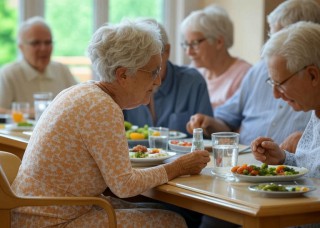
    The transition from assisted living to skilled nursing care is often prompted by complex medical needs that assisted living cannot meet, with key indicators including frequent health declines, increased falls, severe memory issues, and caregiver burnout. Families should recognize these signs early to discuss options with healthcare providers and prepare for the emotional and logistical aspects of moving to a facility that offers comprehensive medical support.

  • best foods for dementia patients to eatNourishing the Mind: Essential Dietary Approaches for Dementia

    Dementia is characterized by cognitive decline, with nutrition playing a vital role in brain health; while no specific diet can prevent or reverse it, a nutrient-dense diet rich in antioxidants and healthy fats may support cognitive function. The MIND diet, which emphasizes beneficial foods and limits processed items, along with proper hydration and individualized meal strategies, can enhance the well-being of dementia patients.

  • dementia behaviorsUnderstanding Dementia Behaviors: Practical Insights and Strategies for Caregivers
    Dementia affects memory and cognitive function in older adults, presenting challenges for caregivers due to behavioral changes such as confusion and mood swings. Compassionate, person-centered care that considers individual history and preferences, along with effective communication and environmental modifications, is essential for supporting both patients and their caregivers.